Newsletters


Russian President Vladimir Putin could attempt to test NATO's resolve with a limited assault on an allied country within the next few years, according to new U.S. intelligence assessments reported by the Wall Street Journal (WSJ). The warning comes as U.S. officials voice growing concern over shortfalls in critical munitions.
According to U.S. officials cited by the WSJ, the assessments describe possible scenarios ranging from a cyberattack to a small-scale land incursion.
The Journal reported the U.S. had previously assessed Putin would not provoke a NATO country while still fighting in Ukraine, but that this assessment changed earlier this year. Putin faces growing pressure in Ukraine and at home to secure a victory, with Kyiv's drones inflicting growing damage on Russia's army and oil industry while Russian forces make smaller territorial gains amid heavy casualties.
The WSJ reported U.S. and European leaders increasingly see signs of Russian probing attacks intended to test NATO's resolve, citing Russian cruise missiles that have landed in Poland and drones flown into Romania.
U.S. officials told the Journal that Putin's goal in attacking NATO during the continuing war with Ukraine, should it happen, would be to fracture the alliance.
Heather Conley, a senior fellow at the American Enterprise Institute, told the WSJ: "The question mark is how the United States would respond in that case. It has always been a goal (of Russia's) to challenge the credibility of NATO and to separate the United States from its allies."
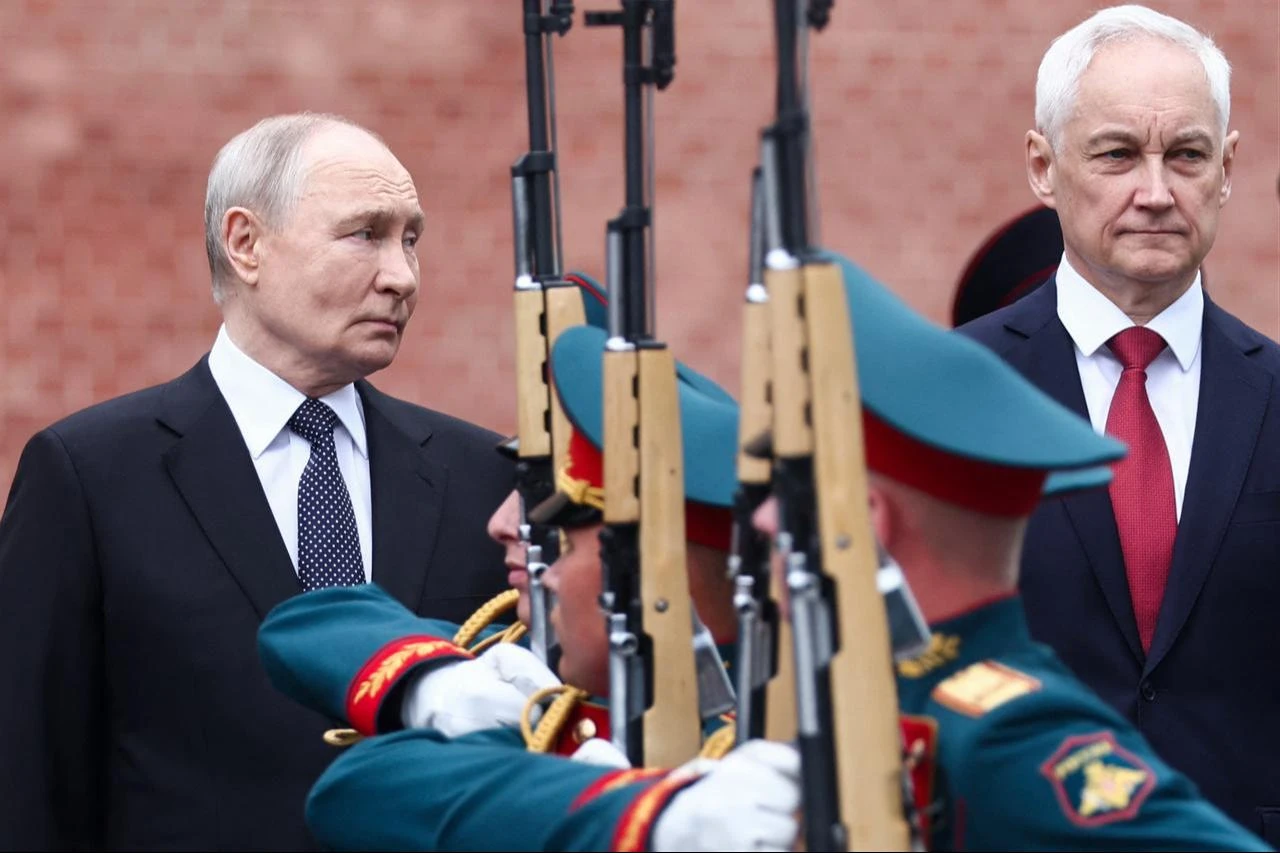

According to the WSJ, possible Russian actions range from a cyberattack on a NATO country, to deploying unmarked armed groups to occupy territory, to a limited incursion on the alliance's eastern flank, with U.S. intelligence assessments estimating any such move could occur between this fall and 2029.
The Journal reported the likelihood of the most extreme scenario, a limited land incursion, is considered low but rising over time, given such a move has traditionally been seen as extremely unlikely because it would trigger NATO's Article 5 collective-defense commitment.
The WSJ noted Article 5 is less clearly defined in its application to cyber or hybrid threats.
Conley told the WSJ: "This has always been NATO's challenge to respond to a sub-Article Five attack, and it's been very true that to this point, NATO allies have preferred not to escalate," citing Estonia's decision to manage a 2007 Russian cyberattack bilaterally rather than invoke a collective NATO response.
NATO spokesperson Col. Martin O'Donnell told the WSJ, "We are always thinking through and preparing for any number of scenarios. NATO is watching and we are ready to deter and defend as necessary, which we continue to demonstrate."

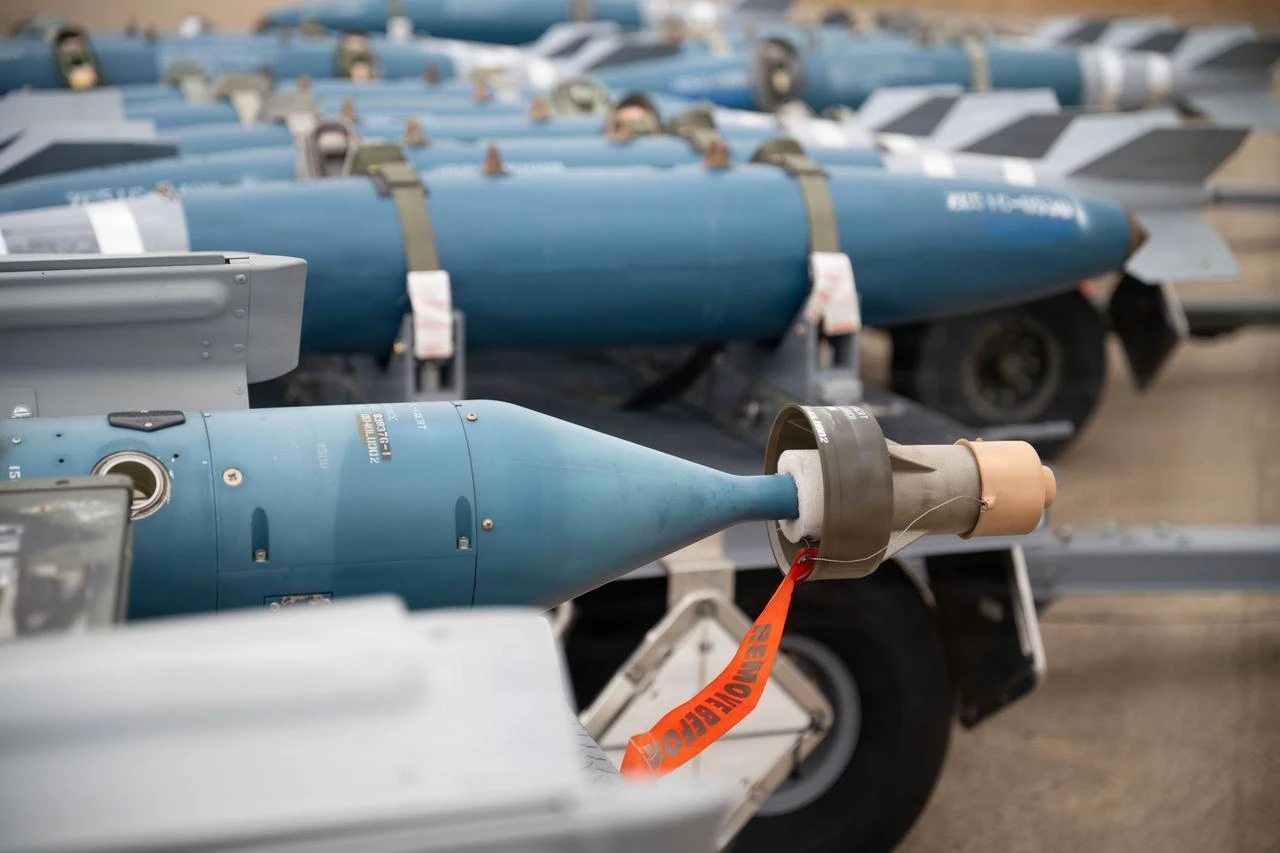
The WSJ reported the new assessments compound existing U.S. concerns over shortfalls in critical munitions, citing officials who said stockpiles of long-range Precision Strike Missiles (PrSM) and Army Tactical Missile Systems (ATACMS), as well as short-range Stinger surface-to-air missiles, Patriot, SM-3 and Terminal High Altitude Area Defense (THAAD) interceptors, THAAD radars and air defense artillery units, have all been depleted due to transfers to Ukraine and expenditure in the U.S. conflict with Iran.
Chief Pentagon spokesman Sean Parnell disputed this characterization, calling claims of munitions shortages false.
"We have everything required to strike at the time and place of the President's choosing," Parnell said.
"Across multiple combatant commands, we have already executed successful operations while maintaining a deep, ready arsenal to defend our people and our interests. Any adversary who confuses media noise with American weakness will discover the truth the hard way," he added.
White House spokesperson Anna Kelly said the U.S. military had "more than enough" munitions to "serve all of President Trump's strategic goals," while noting Trump had urged defense contractors to increase munitions production.
Tom Karako of the Center for Strategic and International Studies (CSIS) told the WSJ that weapons including the Precision Strike Missile, Army Tactical Missile System and Stinger missiles are crucial to repelling a potential land invasion in a conflict with Russia.
Gen. Dan Caine, chairman of the Joint Chiefs of Staff, had separately and previously warned the White House about dwindling air-defense interceptor stocks, with Caine reportedly believing low inventories would not preclude resuming major combat operations against Iran but would increase associated risk.
A CSIS report estimated the U.S. has expended between 1,060 and 1,430 Patriot missiles during the Iran war, leaving as few as 870 in the American arsenal.
CSIS co-author Mark Cancian told the WSJ: "If it's just a question of fighting Iran, even though we've used half of the interceptors, a little more, we still have half of them left. So we could go on against Iran for quite some time. The problem is that the Pentagon is now very worried about what this does in the Western Pacific with China."


 Set as preferred source
 Set as preferred source


 2 min read


 1 min read