Newsletters


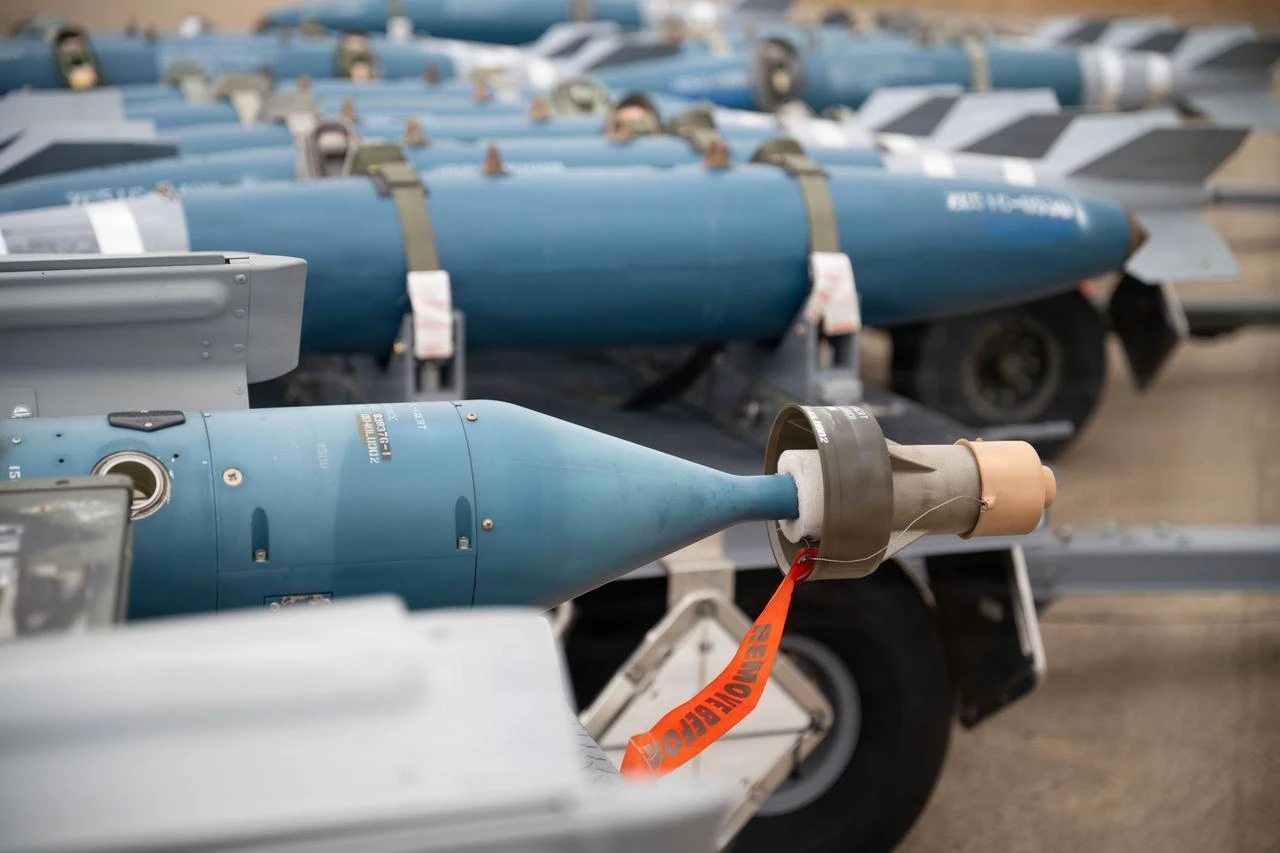


U.S. President Donald Trump denied reports of a U.S. munitions shortage and warned that whoever leaked the claims would face prosecution, hours after new reporting said he had clashed with Defense Secretary Pete Hegseth over depleted missile stockpiles.
"The U.S. has massive amounts of 'munitions,' especially of certain types," Trump wrote in a post shared early Thursday on Truth Social.
"Additionally, large amounts are being manufactured and shipped to the U.S. as needed. Defense companies are building the largest number of plants and factories in our country's history," he added.
"The 'leakers' of these treasonous statements are being hunted down," he said, adding, "Long-term jail sentences will be sought!"
The statement came after multiple U.S. outlets reported that depleted interceptor stockpiles had factored into the administration's decision to hold off on additional strikes on Iran.
The Washington Post reported that Trump confronted Hegseth during a Cabinet meeting last week at Camp David, Maryland, over what he described as severe munitions shortages constraining military options against Iran.
The White House and the Pentagon denied that report.
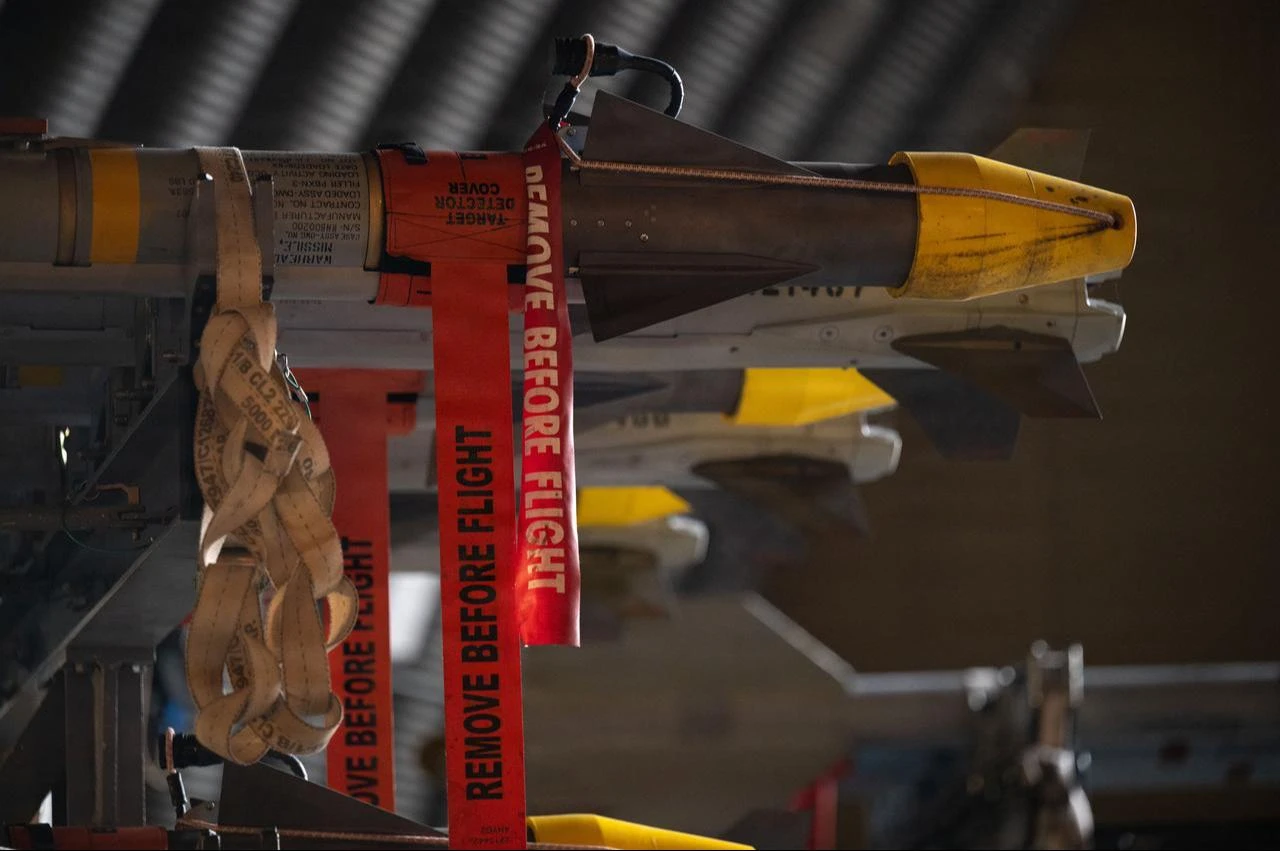

Trump's frustration over the Iran war "boiled over" at Camp David last week, where he demanded answers from Hegseth on why he had apparently been misled about extreme munitions shortages, two people familiar with the exchange told The Washington Post.
The encounter took place on the sidelines of a Cabinet meeting at Camp David on Friday, where Trump vented that he thought the munitions issue "had been fixed," according to the two people, who spoke on condition of anonymity because of fear of retaliation.
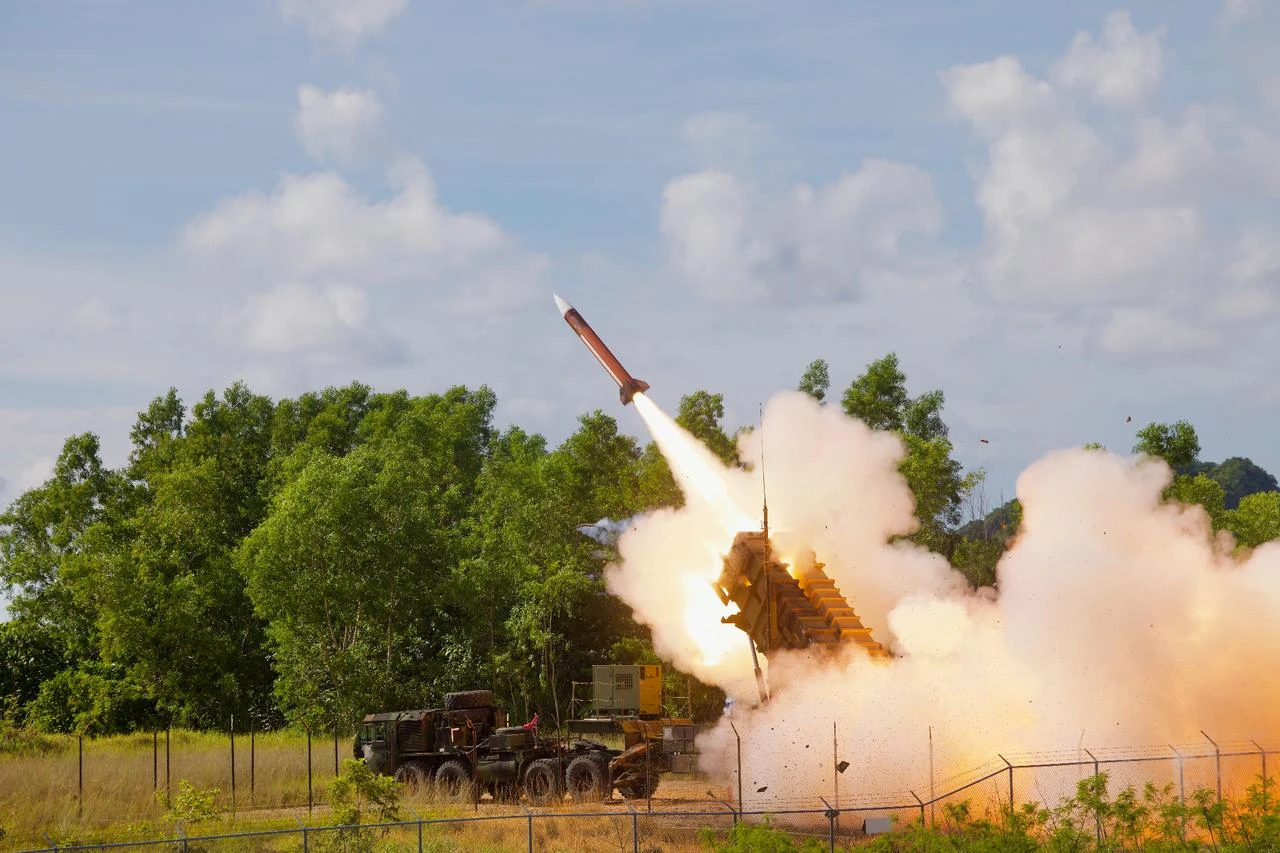
The shortages, particularly in long-range guided missiles and air-defense interceptors, have been part of the reason Trump has pulled back from launching additional major strikes against Iran in recent days, one of the sources told the Post.
Trump said Monday that he had ordered, and subsequently called off, what he called "the biggest attack since World War II," pending claims of new negotiations over the Strait of Hormuz.
During the Camp David exchange, Hegseth defended himself and blamed Deputy Defense Secretary Stephen Feinberg for the shortages and for not ensuring Trump was fully briefed on the issue, the two people familiar with the matter told the Post.
White House press secretary Karoline Leavitt called the Post's report "100% fake news" and said "literally never happened," adding that Trump "has the utmost confidence in Secretary Hegseth."
Pentagon chief spokesman Sean Parnell disputed the account in full.
"Secretary Hegseth did not mislead anyone about our munitions posture, and he did not blame Deputy Secretary Feinberg," Parnell said. "These claims about depleted stockpiles, internal disagreements, the secretary's position on Iran … are equally fictional."
Separately, NBC News reported that the Pentagon's second-in-command hastily gathered top military and defense acquisition officials for a meeting Friday night to discuss ways to quickly address the weapons shortfall, after receiving an angry phone call from Trump, according to four people with knowledge of the meeting.
Trump called Feinberg on Friday evening after discussing the Iran war with advisers at Camp David, these people told NBC News. He expressed frustration that the Pentagon's munitions shortfall is now a factor in whether he expands combat operations in Iran and pressed Feinberg on how the problem is being fixed, according to NBC News.
During the call, Trump suggested Feinberg should be fired, two people familiar with the matter told NBC News. Feinberg then convened what those people described as "a crisis meeting."
Asked for comment, Leavitt again dismissed the report as "100% fake news," while Parnell said, "Every aspect of this reporting is completely false," according to NBC News.
The meeting Feinberg called Friday night ended without a definitive path forward, and there was disagreement about how to expand production, including whether the Pentagon should broaden the pool of companies it contracts with, NBC News reported, citing people with knowledge of the meeting.
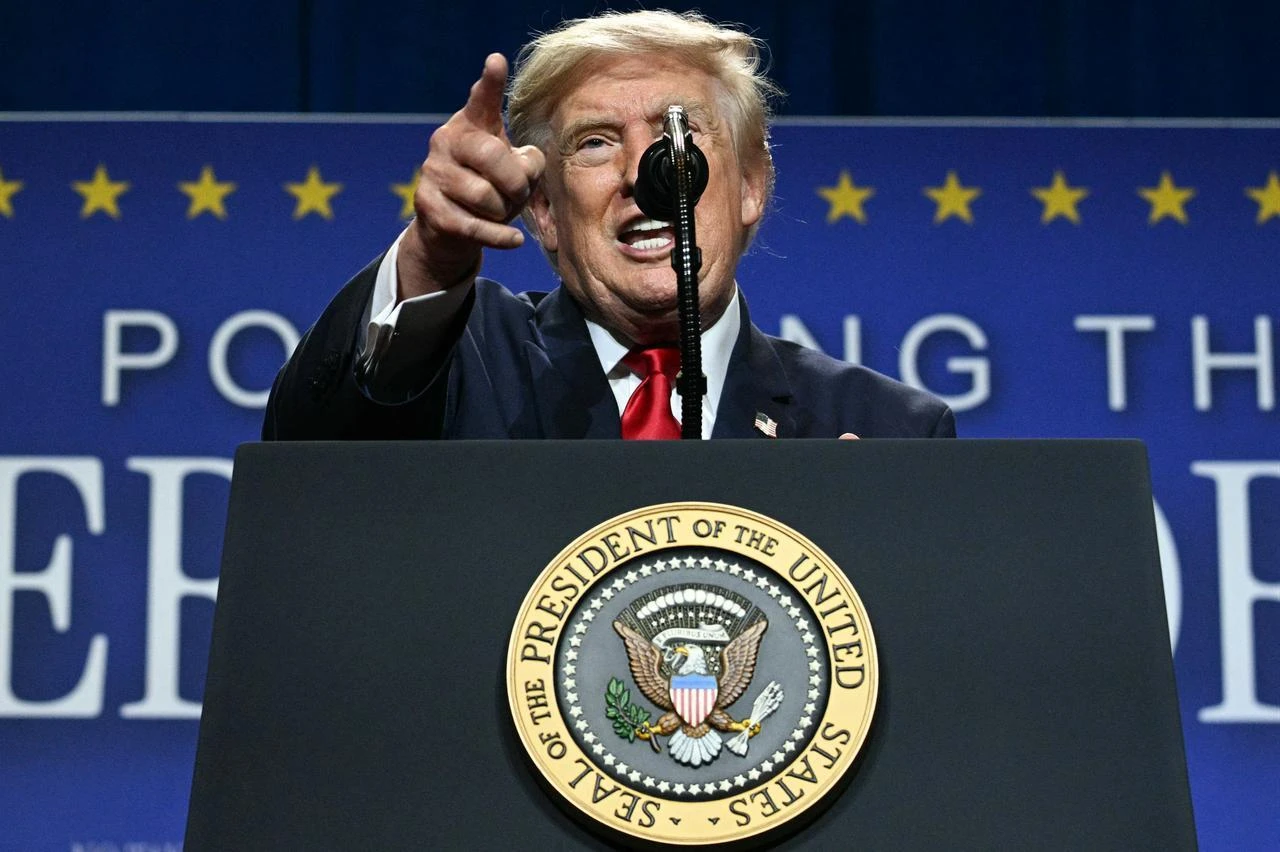
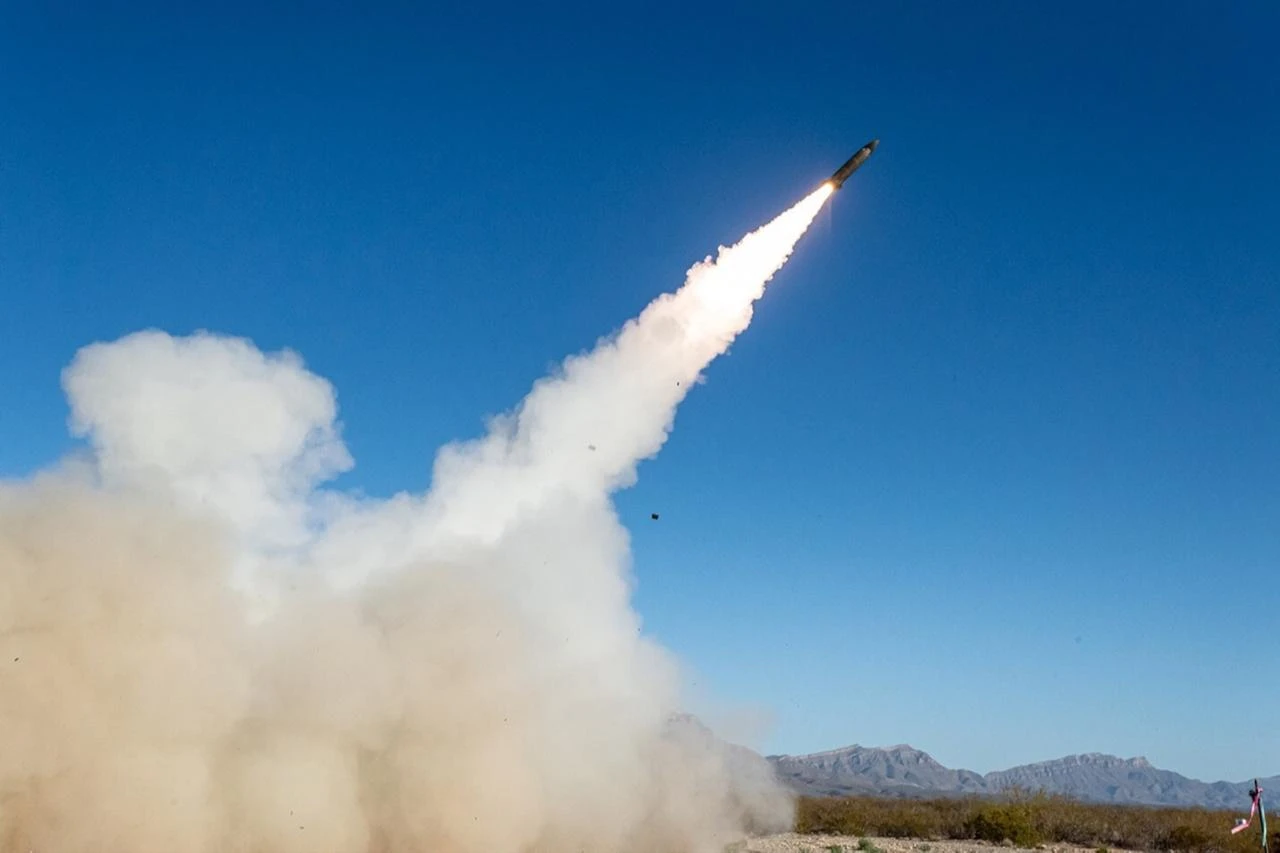
In the first month of fighting, the U.S. fired more than 850 Tomahawk cruise missiles and more than 1,000 Patriot and Terminal High Altitude Area Defense (THAAD) interceptors, the Post reported, citing its own earlier reporting. The U.S. also used more than 1,300 of the Army's tactical ballistic missiles in the initial weeks of fighting, one U.S. official told the Post.
From Feb. 28 to April 7, which marked the first day of a ceasefire, the U.S. struck more than 13,000 targets in Iran and defended against more than 8,500 incoming Iranian munitions or drones, according to the Post.
More than five months into the conflict, 18 U.S. service members have been killed and hundreds injured, the Post reported.
 2 min read
Hegseth, Feinberg and Joint Chiefs of Staff Chairman Gen. Dan Caine have asked lawmakers for $67 billion in additional military funding to help cover the costs of the Iran war, with Hegseth telling lawmakers last month the request filled an "urgent, necessary" need to refill stockpiles, according to the Post.
Senate Republicans have not yet agreed on a strategy to take up the package.
The administration's overall defense budget request for the coming fiscal year is $1.5 trillion and includes tens of billions of dollars for missile production, though the proposal has stalled amid Democratic objections.


 Set as preferred source
 Set as preferred source


 1 min read