Newsletters


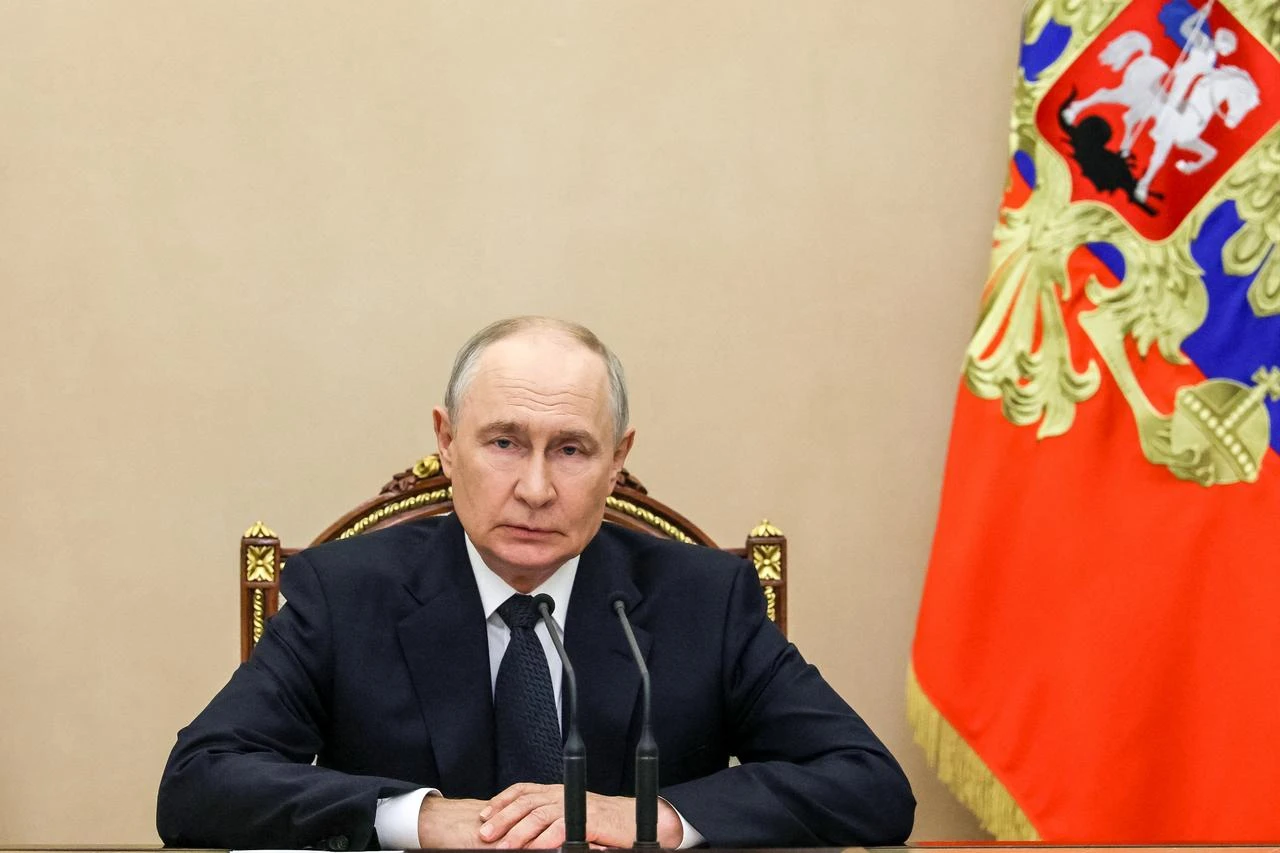


Ukrainian President Volodymyr Zelenskyy said Sunday that Russia rejected a Ukrainian offer of a truce on attacks against ships carrying agricultural commodities through the Black Sea, saying Moscow wanted guarantees against strikes on its energy infrastructure in return.
"It looks like their position is that they will not attack our grain corridor only if we stop attacking their energy sector," Zelenskyy said at his office in Kyiv.
The rejection comes as Türkiye has repeatedly pushed both sides toward a moratorium on Black Sea attacks, warnings Ankara says have "unfortunately come true" as the conflict spreads across the sea's commercial shipping lanes.
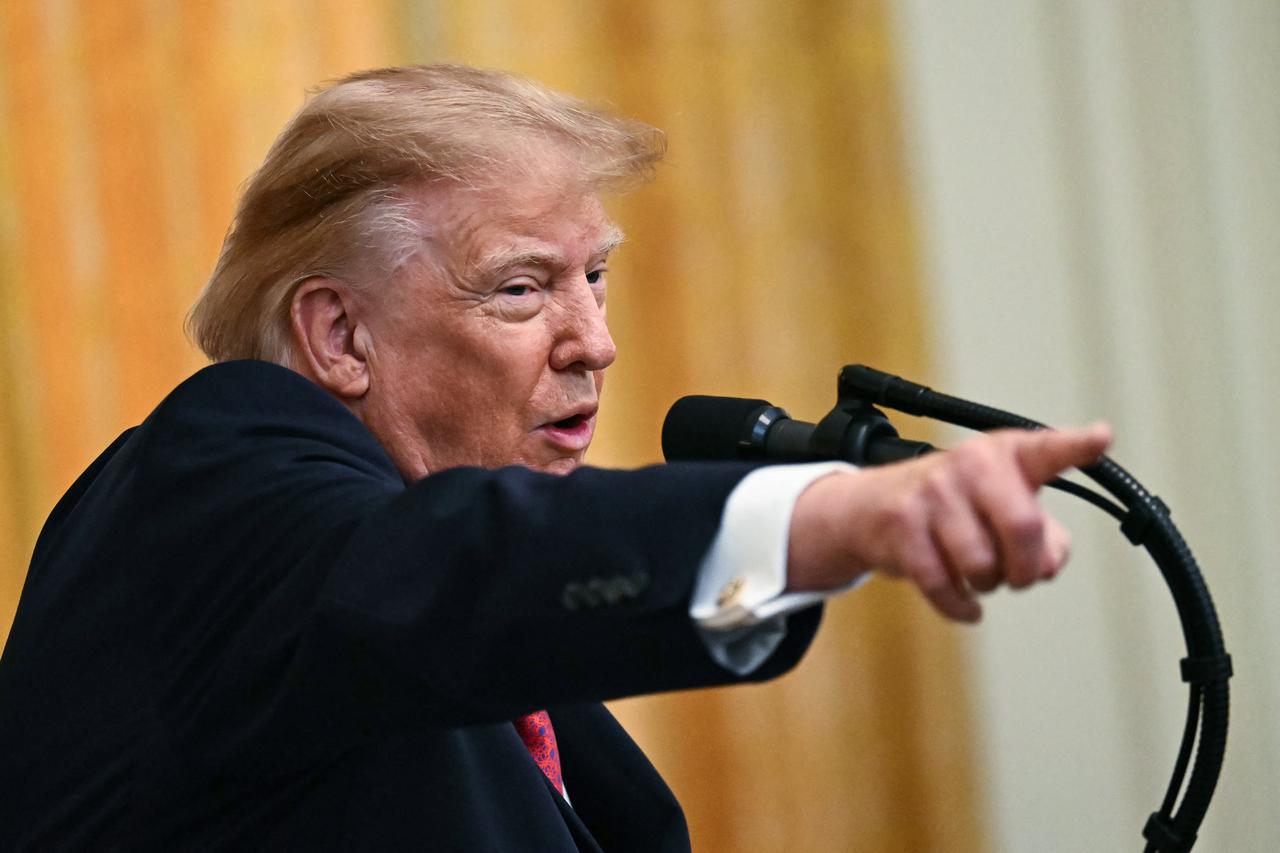
Russian President Vladimir Putin acknowledged economic damage from Ukrainian drone attacks, which have also hit targets including oil refineries deep within Russian territory, but said he had rejected ceasefire proposals from Kyiv as "unacceptable" and, in some cases, "exotic," without elaborating.
"We are always open to dialogue about peace, but only on the basis of the realities on the ground," Putin told a Russian state TV reporter, reiterating his long-held position.
Zelenskyy said Kyiv was ready to discuss an energy ceasefire with Russia but only on a reciprocal basis.
"If you are ready to talk on equal terms, then let's talk," he said, adding, "If it's about agriculture, then agriculture; if it's about energy, then energy. If it's about a full ceasefire, then a full ceasefire."
Russia's Defense Ministry said its forces struck Ukraine's Yuzhny port in the Odesa region overnight, hitting five fuel tanks and infrastructure for loading and unloading of cargoes.
Zelenskyy said he had proposed to several unnamed foreign leaders that their countries' vessels be used to export both Ukrainian and Russian agricultural commodities, though he added he knew "Russia isn't ready for that."
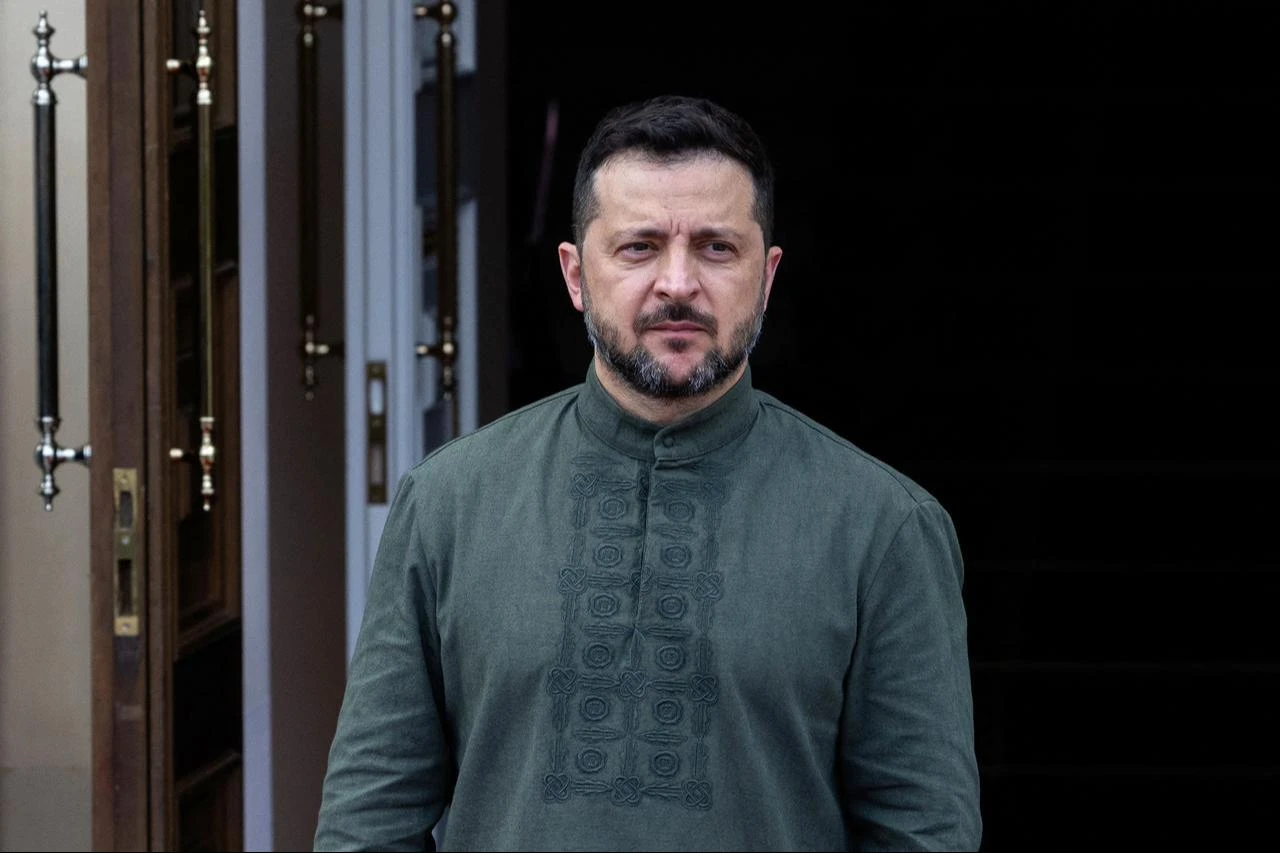

Russia and Ukraine have stepped up attacks on each other's commercial ships and ports in the Black Sea, raising fears about global grain supplies.
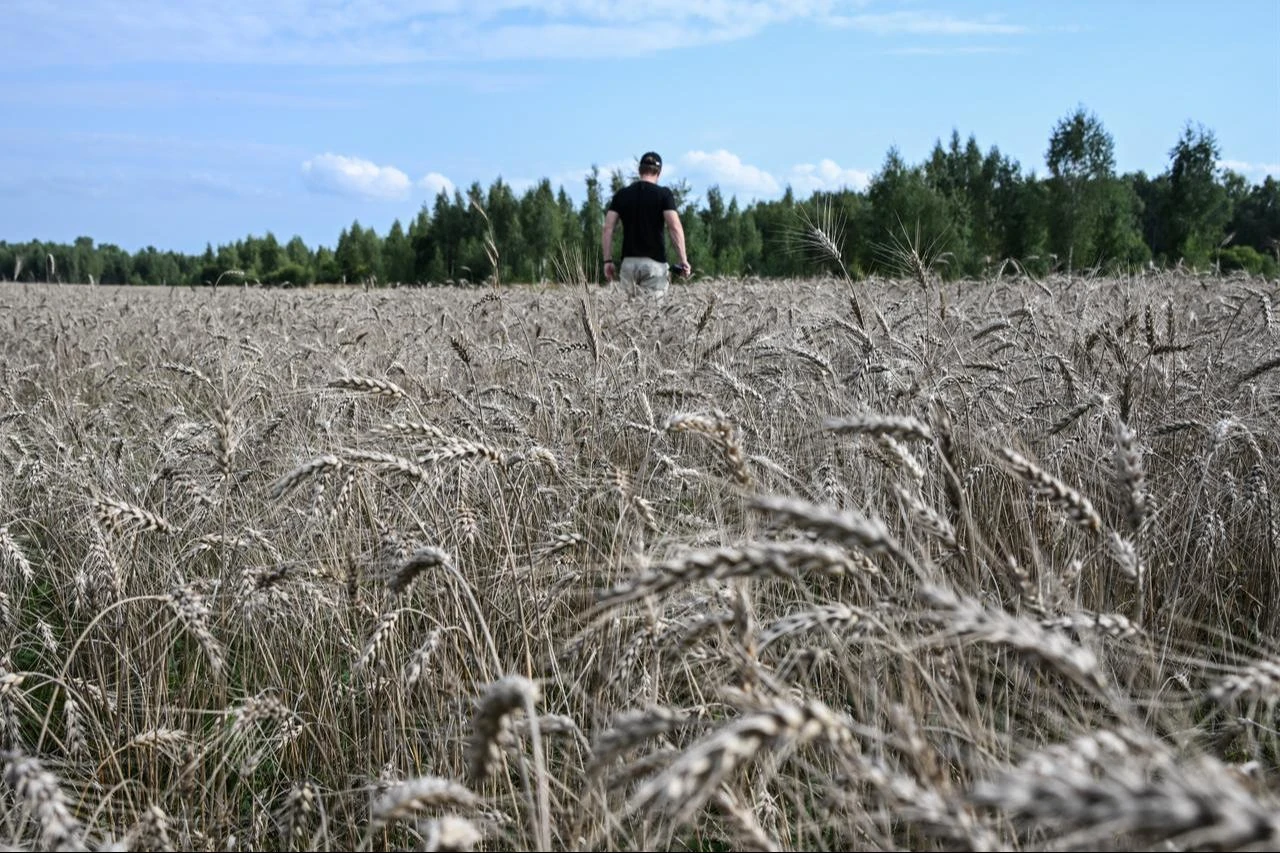
The two countries account for more than a quarter of global wheat exports, and the attacks come in the middle of this year's harvest.
Ports in Ukraine's Greater Odesa region handle about 90% of the country's grain shipments. Ukraine has exported only about 500,000 tons of grain since the start of August, roughly a fifth of its potential shipments, Agriculture Minister Taras Vysotskyi said Thursday.
Earlier this month, three of Russia's largest grain terminals in the Black Sea port of Novorossiysk halted operations after sustaining damage. Russia's Agriculture Ministry is considering alternative export routes as a result of the disruptions.
Türkiye conveyed its concerns about the attacks to both Russia and Ukraine, saying both sides should declare a moratorium on Black Sea attacks.
Turkish Foreign Minister Hakan Fidan said Ankara's warnings about the conflict spreading had "unfortunately come true."
"At first, they were hitting military ports and military ships; now they are hitting all commercial vessels without distinction. Unfortunately, Turkish ships, Turkish-owned or Turkish-flagged vessels, are also getting their share of this," Fidan said, speaking on Anadolu Agency's AAtolye program.
Fidan said Ankara has conveyed calls to both Russia and Ukraine regarding a moratorium mechanism.
"We have conveyed our call to both sides regarding the establishment of a mechanism for declaring a moratorium on this issue. The Ukrainians already had a request on this matter. We conveyed this to our Russian counterparts as well. We are waiting on this," Fidan said.
Russian Deputy Foreign Minister Alexander Grushko has said Moscow received no formal Black Sea moratorium proposal.
"Lately we have been hearing many calls for various kinds of moratoriums, truces. These ideas are voiced through various channels, but we have not received any formalized proposals," Grushko said, according to Russian state news agency RIA Novosti.
 1 min read
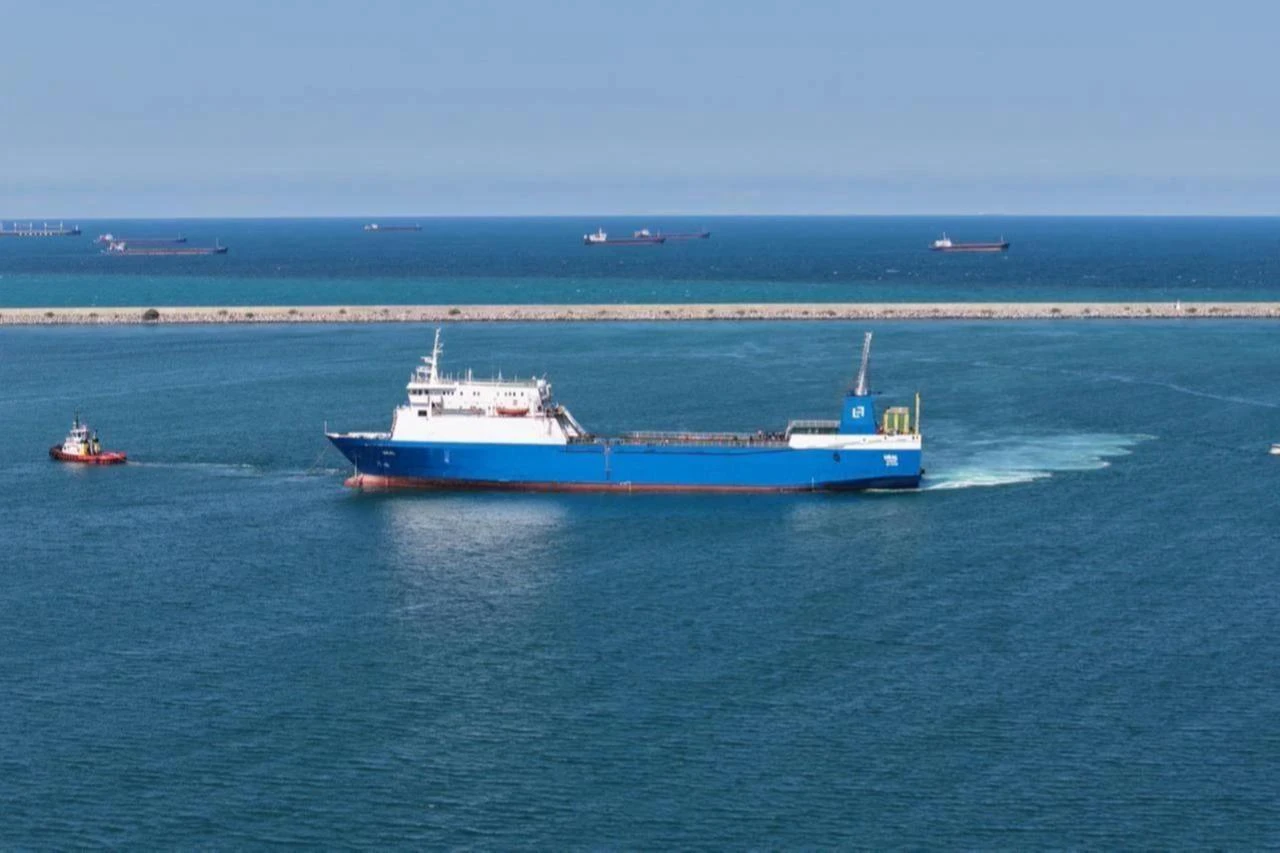
Ukraine's Foreign Ministry has separately extended condolences to families of sailors killed in the Black Sea, confirming Turkish citizens are among the dead and offering to coordinate with Turkish authorities.
"No commercial justification can justify putting sailors' lives at risk," ministry spokesperson Heorhii Tykhyi said.
The Black Sea Grain Initiative was signed in Istanbul in July 2022 by Türkiye, Russia, Ukraine and the United Nations to prevent a global food crisis. While the corridor was open, more than 1,000 ships delivered around 33 million metric tons of grain to global markets. After Russia withdrew from the deal in July 2023, Ukraine established an alternative maritime corridor along the western Black Sea coast, near Romanian and Bulgarian territorial waters.
The current de facto blockade of Black Sea ports has sent Ukrainian grain exports tumbling 76% year-on-year so far in August.


 Set as preferred source
 Set as preferred source


 1 min read