Newsletters


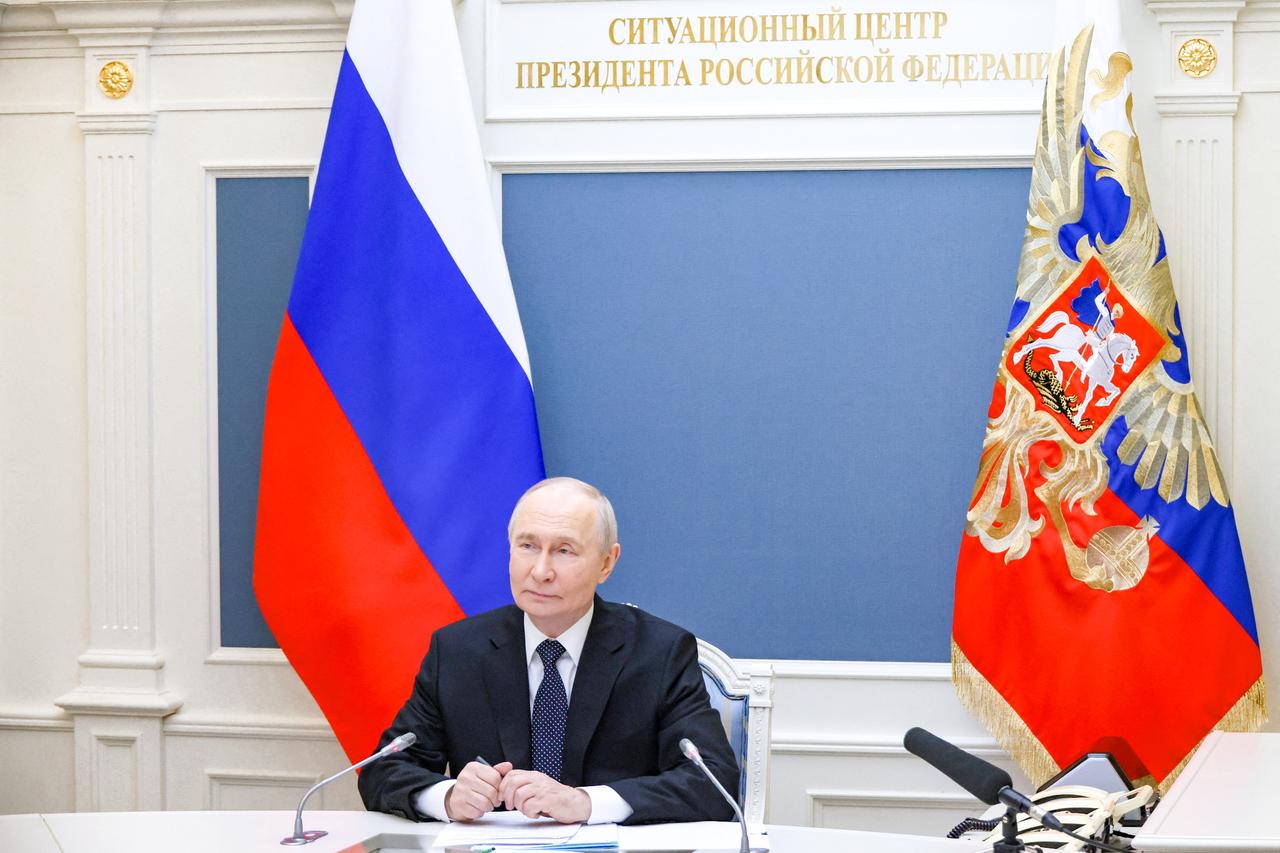


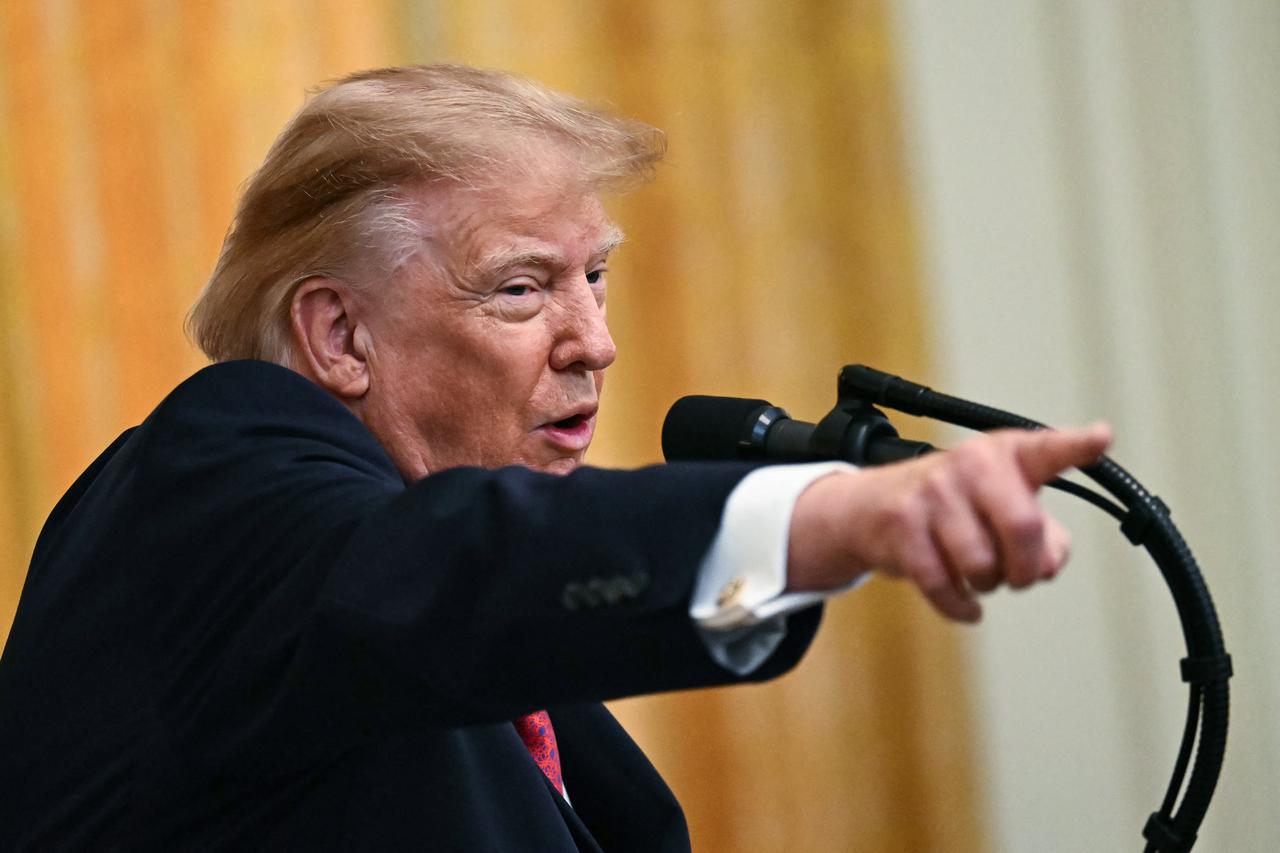
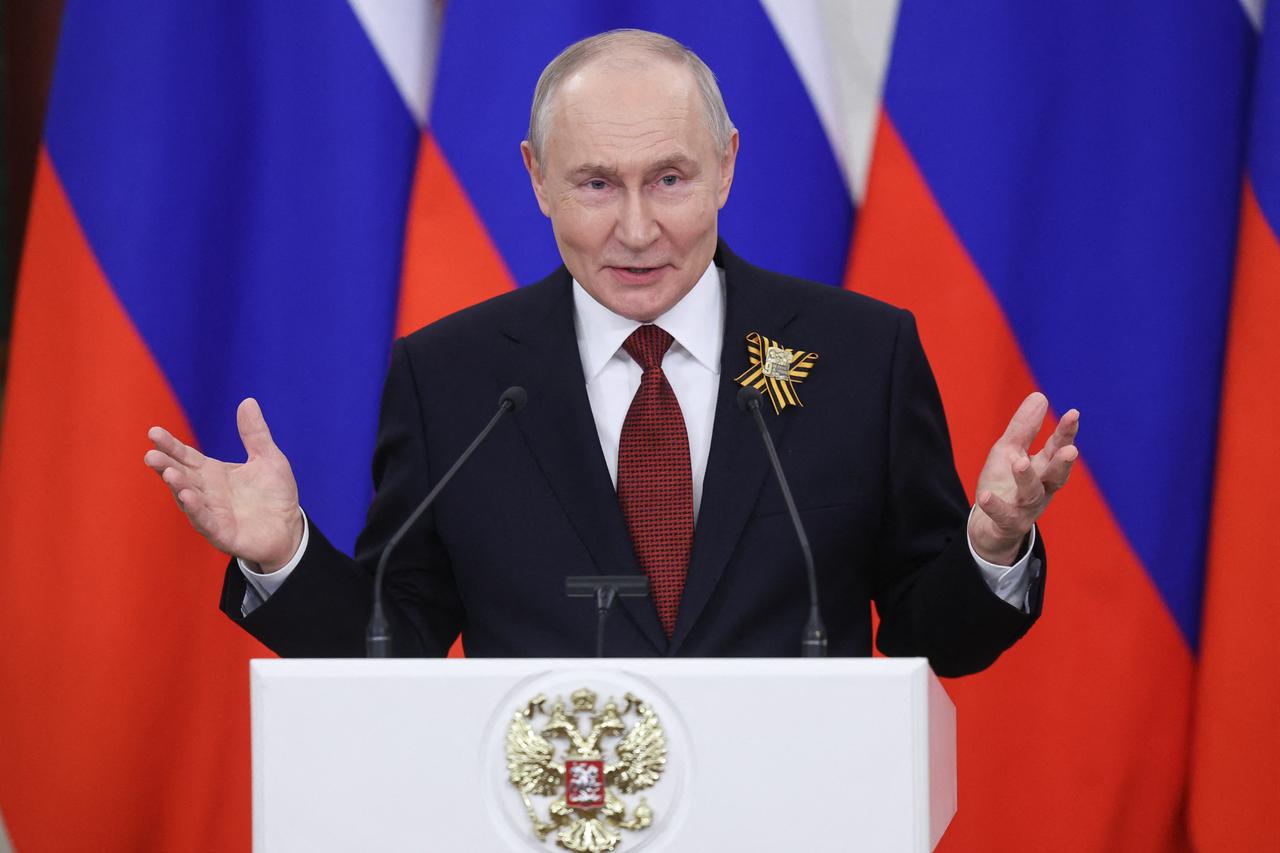
Russian President Vladimir Putin is facing mounting domestic and military challenges more than four years into his full-scale invasion of Ukraine, but analysts say the pressure is not enough to threaten his hold on power, Agence France-Presse (AFP) reported.
Internet outages introduced to prevent Ukrainian drone attacks have angered many Russians, while the economy is in contraction and the Russian army has lost ground in Ukraine for the first time since 2023.
Putin’s approval rating fell to its lowest level last month since 2022, according to independent polling.
But analysts say the 73-year-old former KGB agent, who has spent more than 25 years consolidating power and eliminating opposition, remains firmly in control.
“Approval ratings are falling, frustration is mounting and anxiety is growing. The four-year psychological milestone has passed, and some people have realised that things aren't quite going to plan,” political scientist Konstantin Kalachev told AFP.
“But nothing critical is happening,” he said.
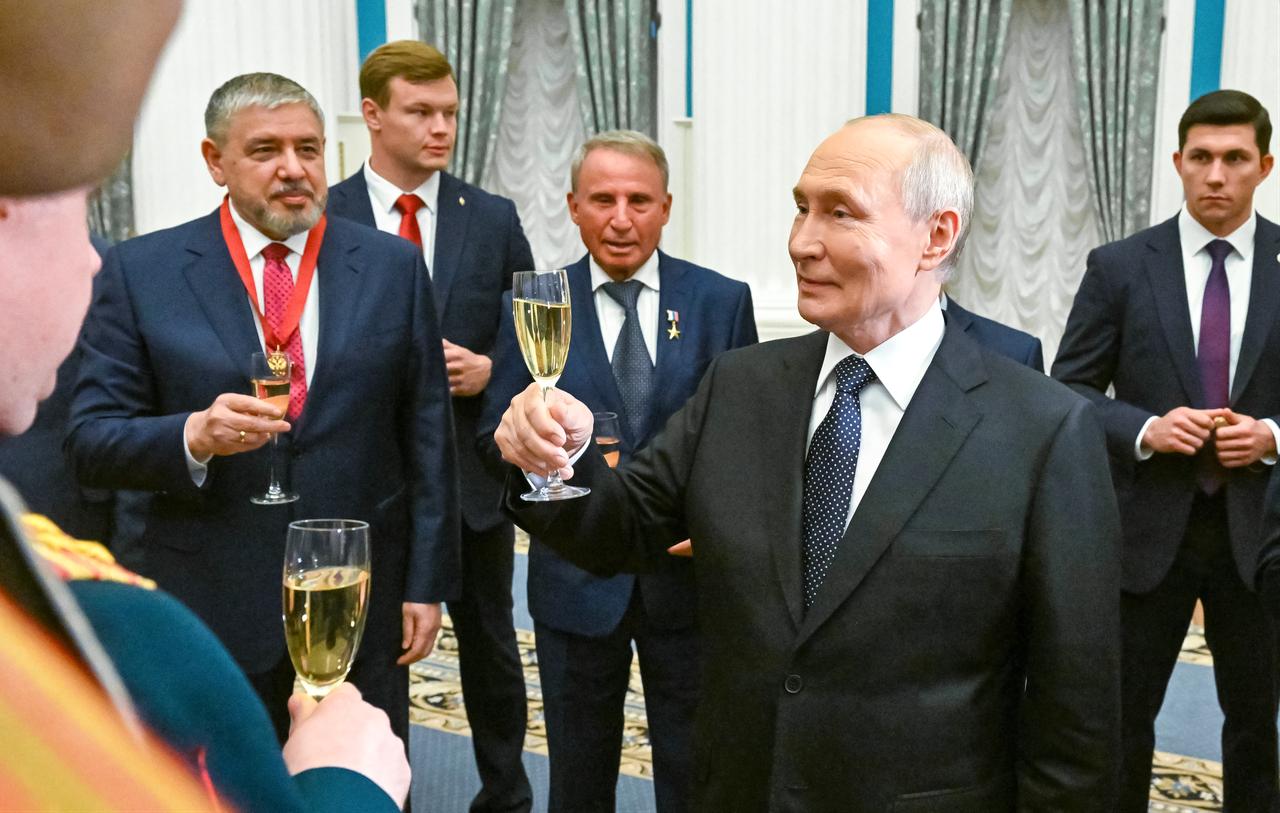

Despite widespread anger over internet outages, public frustration has not turned into major protests.
Authorities have continued to crack down on signs of dissent, while many Russians have turned to virtual private networks, or VPNs, to get around restrictions.
Kalachev said many Russians have adapted to the strain of the prolonged war and have “learnt to live in the short term.”
“The situation in the country can be summed up like this: life is hard, but bearable,” he said.
A report from Latvia’s foreign intelligence service shared with AFP said there was discontent among Russia’s business elite over internet restrictions.
The report also said state agencies had increased security around Putin over unspecified threats to challenge him.
Russia’s economy posted its first quarterly contraction in three years earlier this month.
Tax hikes to cover large spending on the Ukraine war have also frustrated many, according to the Latvian agency.
“Our information indicates that members of the elite discuss the potential figures to eventually replace the current ageing leaders with younger ones who they find fit to represent their interests,” the report said.
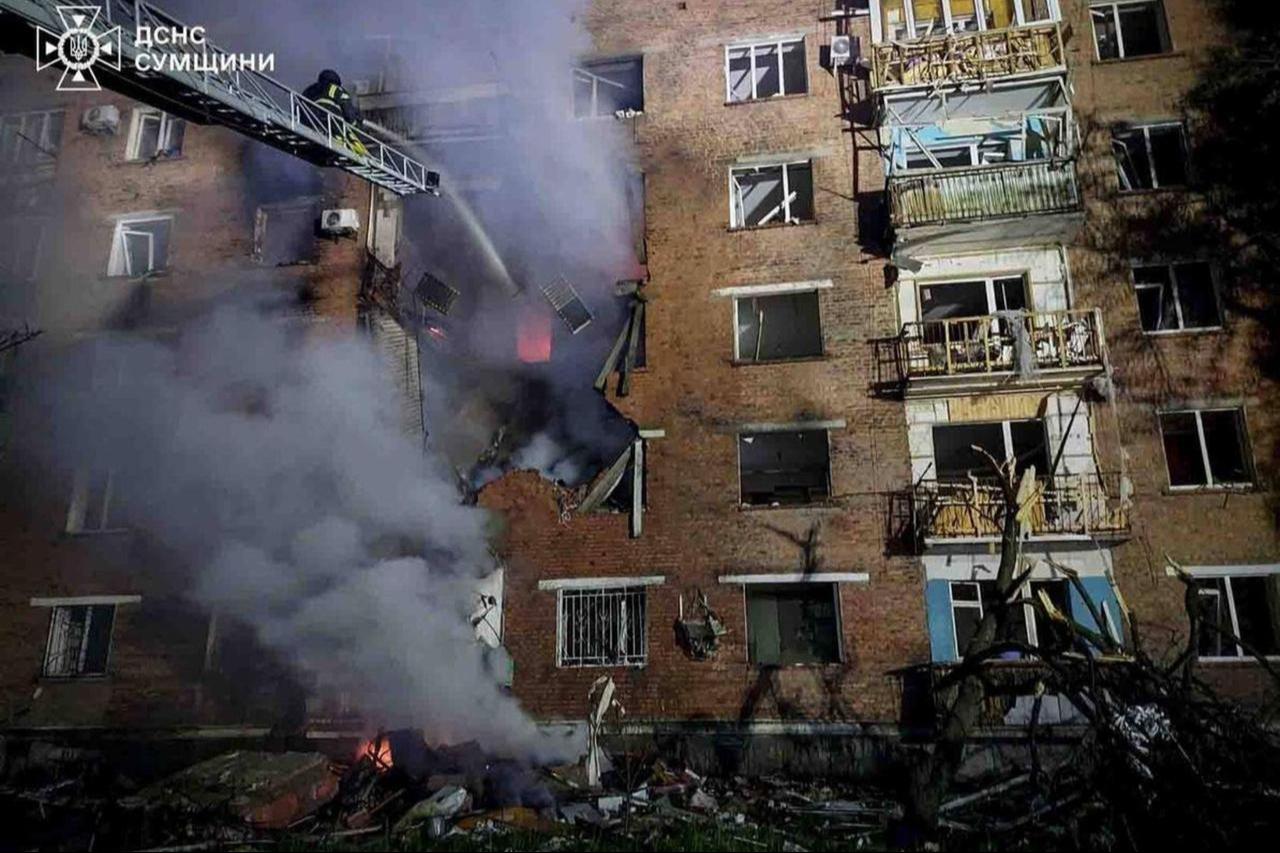
Russia’s progress in Ukraine has slowed sharply in recent months.
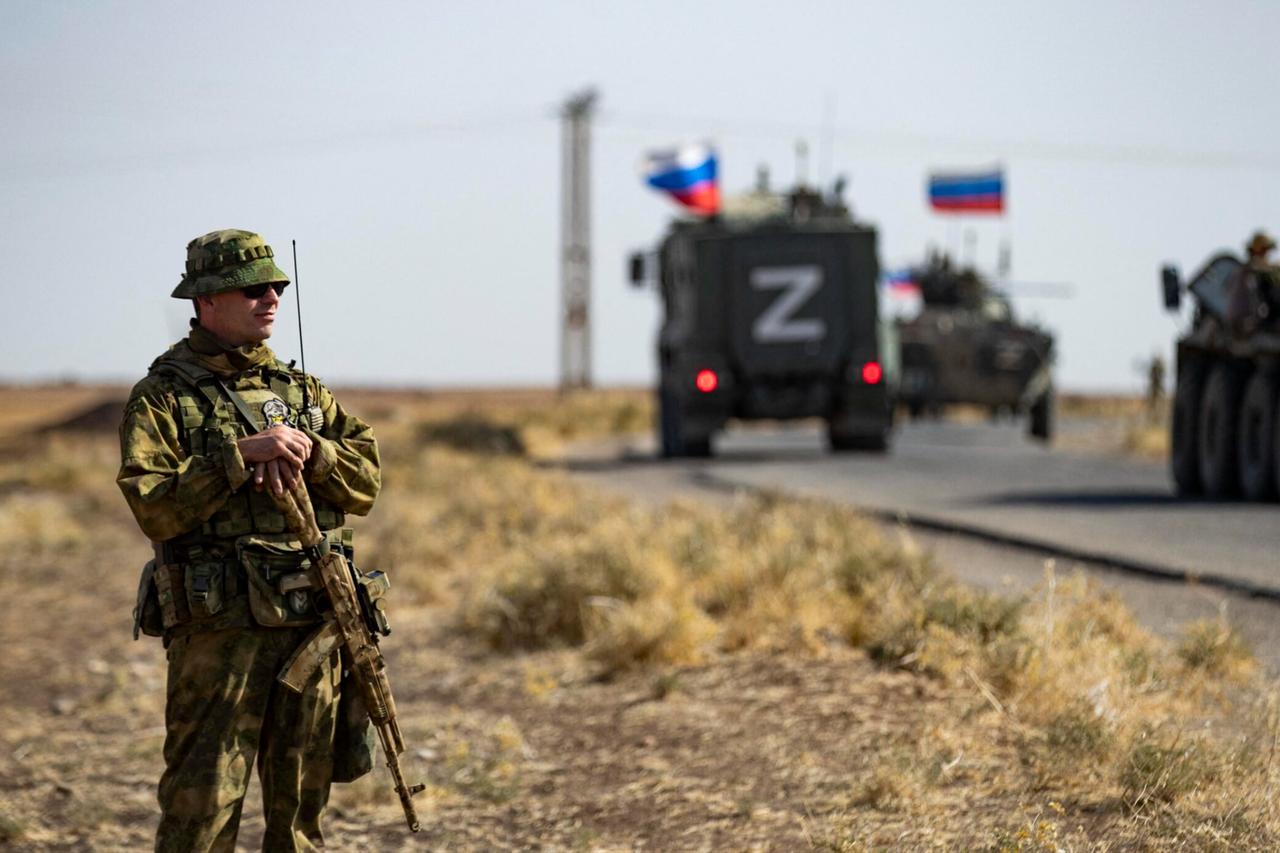
Moscow has failed to achieve its objective of taking Ukraine’s Donbas region, despite suffering hundreds of thousands of military casualties and waging battles that have caused heavy destruction across Ukraine.
In April, the Russian army lost more territory in Ukraine than it gained for the first time since 2023, according to an AFP analysis of data from the U.S.-based Institute for the Study of War.
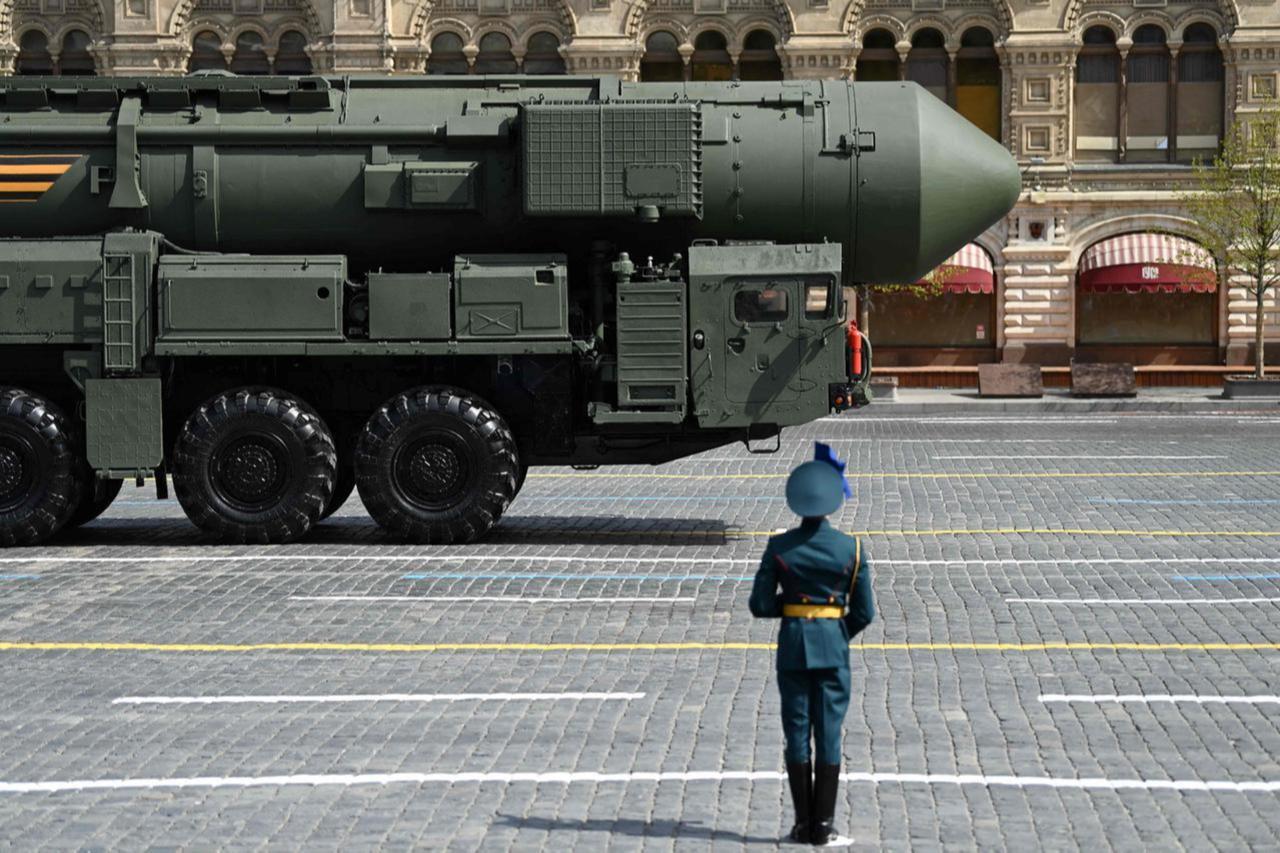
Moscow’s annual Victory Day parade on May 9 was significantly scaled back compared with previous years.
For the first time in nearly two decades, no military hardware was displayed because of fears of a Ukrainian drone attack.
Michel Duclos, a resident expert at the Paris-based Institut Montaigne think tank, said the “dismal performance” of the May 9 ceremony showed the Kremlin’s difficulties.
“Its economy, initially stimulated by military spending, is now stagnating, even falling into recession, like that of the U.S.S.R. in the past,” Duclos wrote in a paper earlier this month.
But he said the comparison with the final years of the Soviet Union should not be exaggerated.
Despite battlefield losses and internal difficulties, Russia remains a major force.
“Russia, though cornered, remains a formidable force on the three battlefields of the front lines, energy infrastructure, and diplomatic negotiations,” the paper said.
Reports in Western media have long suggested a possible challenger could emerge from Putin’s inner circle, but no such figure has appeared.
After Russian paramilitary chief Yevgeny Prigozhin’s rebellion against the Kremlin in 2023, Putin moved to suppress any autonomy in the military and government.
Kalachev said two conditions are needed for a crisis: a trigger and a leader. He said neither has appeared.
“A crisis requires two factors: a trigger and a leader. There has not yet been a trigger, despite widespread frustration,” he said.
“And as for a leader ... we do not have the kind of system where unauthorized leaders can emerge,” he added. “Let's not dramatize things.”


 Set as preferred source
 Set as preferred source


 2 min read
 1 min read