Newsletters




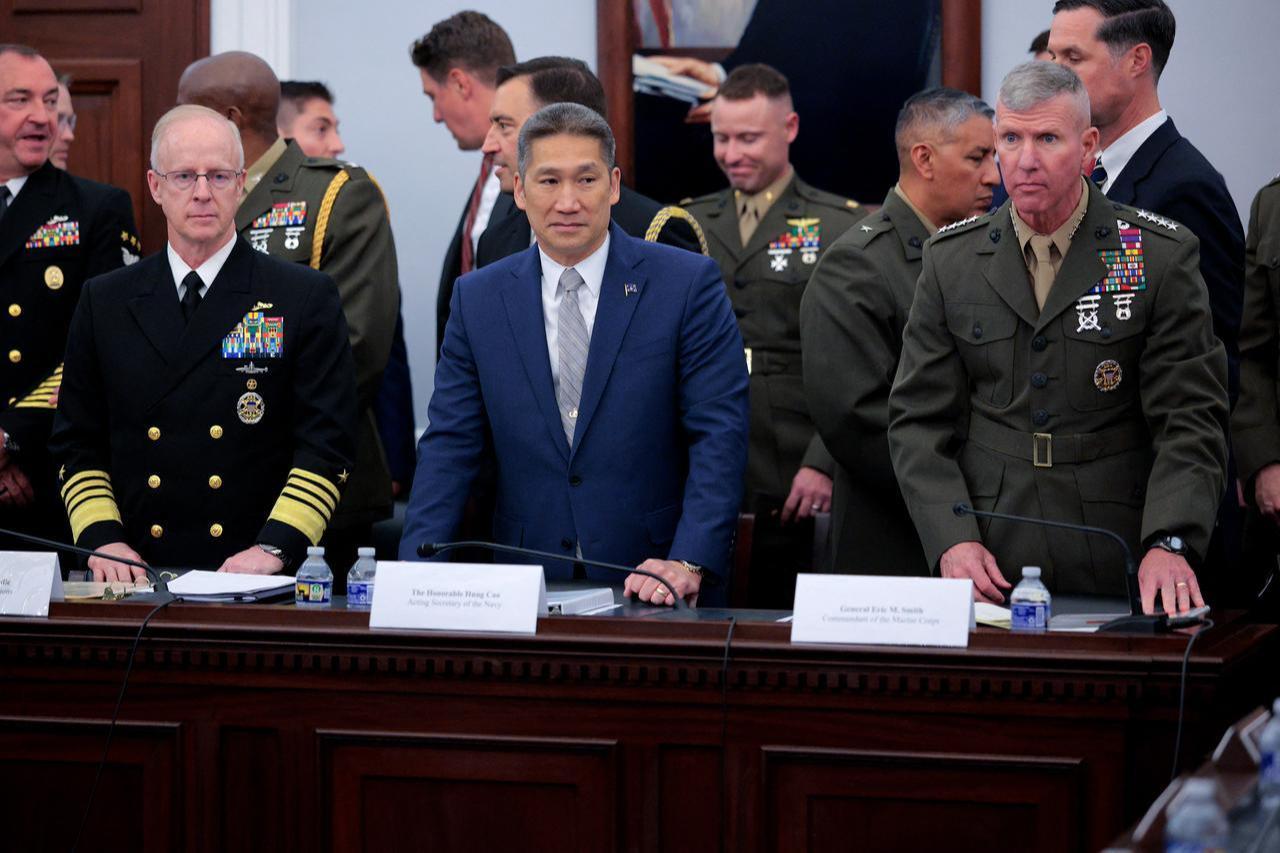
The United States has paused a $14 billion arms sale to Taiwan to ensure sufficient munitions for ongoing Iran war operations, Acting Navy Secretary Hung Cao told a Senate Appropriations Defense Subcommittee hearing Thursday.
The remarks appeared to contradict U.S. President Donald Trump's framing of the pause as a potential bargaining chip with China.
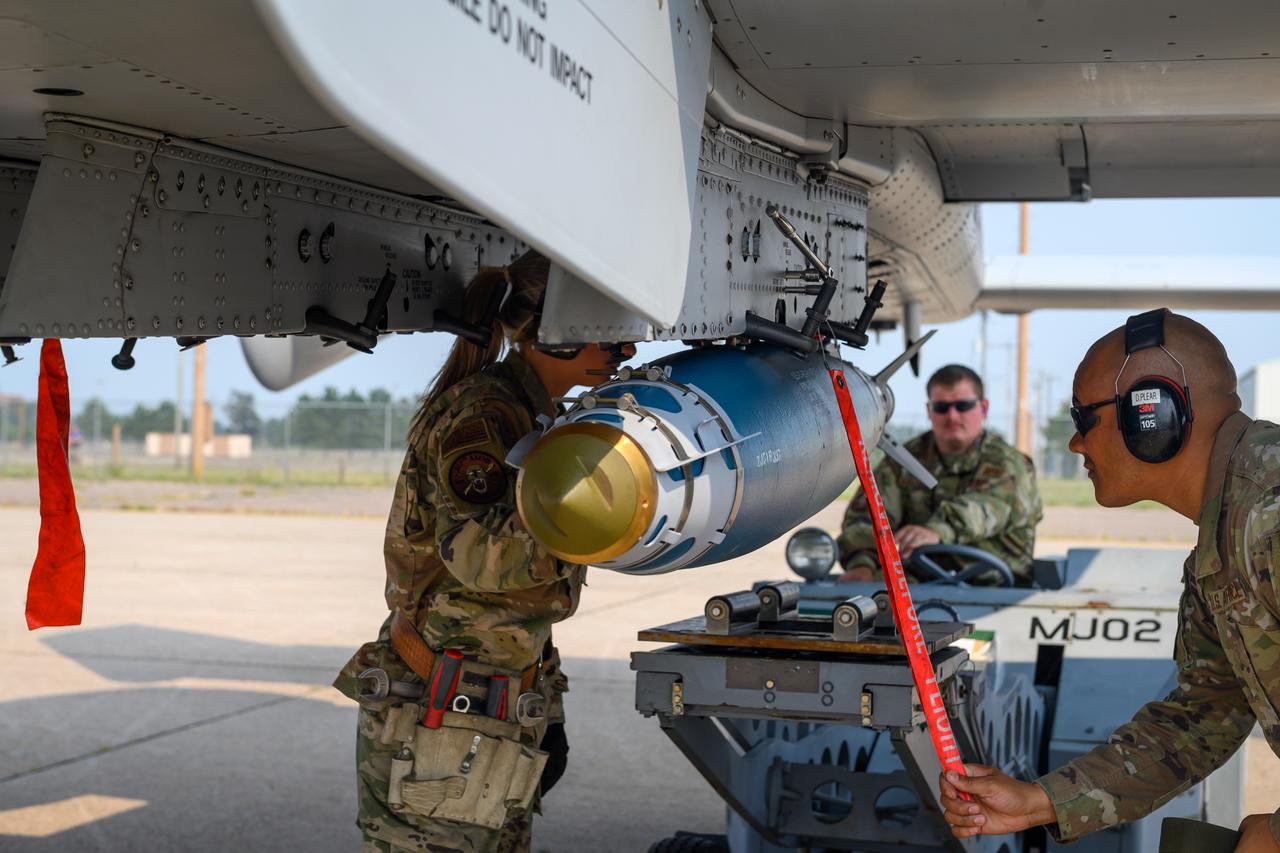
"Right now, we're doing a pause in order to make sure we have the munitions we need for Epic Fury, which we have plenty," Cao told the committee, referring to the U.S. military operation against Iran.
"We're just making sure we have everything, but then the foreign military sales will continue when the administration deems necessary," he added.
Cao stated that the eventual approval of the arms sale would be up to Defense Secretary Pete Hegseth and Secretary of State Marco Rubio.

Trump has offered a different framing earlier.
Asked about the sale, he told Fox News: "I haven't approved it yet. We're going to see what happens. I may do it. I may not do it."
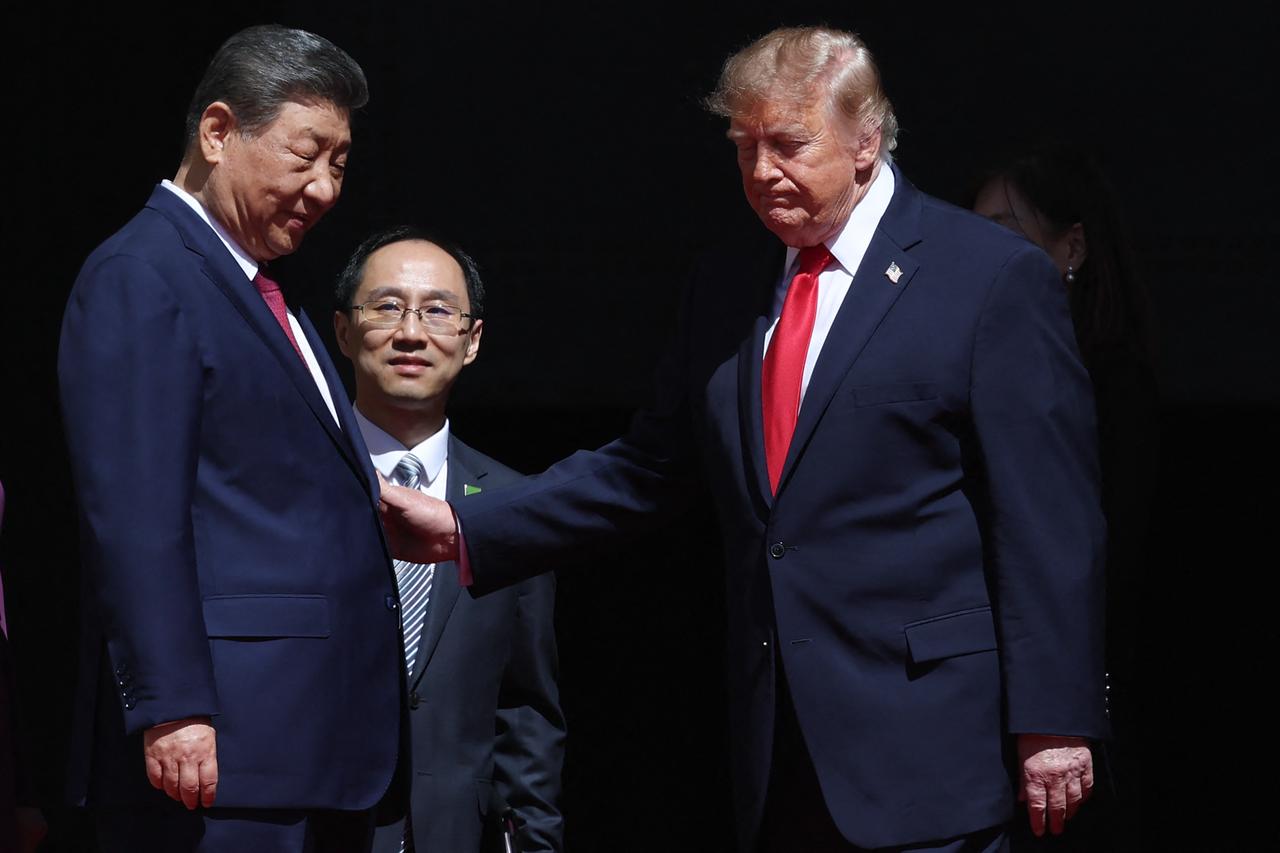
After returning from his state visit to China, Trump told reporters at Andrews Air Force Base that he plans to speak with Taiwanese President Lai Ching-te about the stalled package.
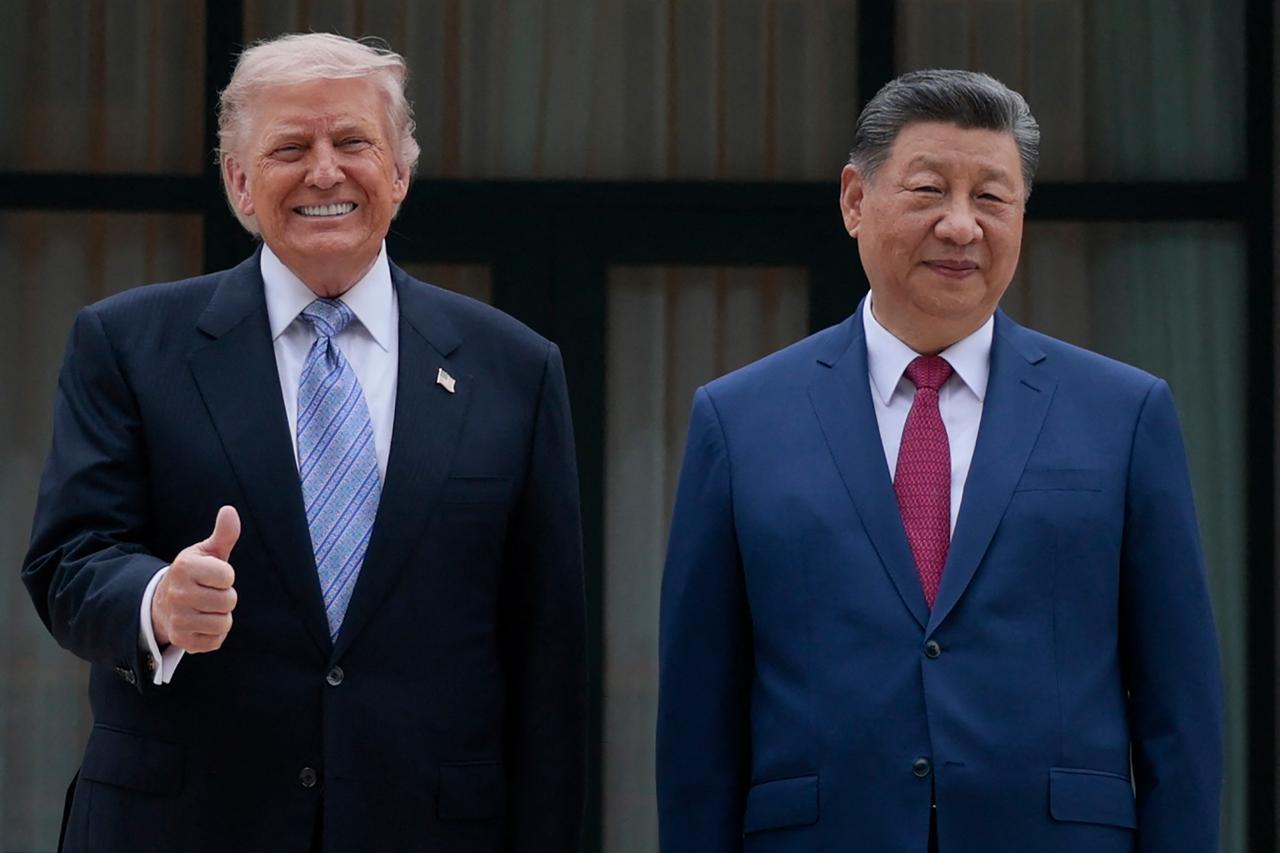
"I'll speak to him. I speak to everybody. We have that situation very well in hand. We had a great meeting with President Xi," Trump said, adding: "We'll work on that, the Taiwan problem."
Trump acknowledged he discussed the Taiwan arms deal "in great detail" with Xi during the summit, while stressing that his priority was to avoid further conflict.
"I'll be making decisions, but I think the last thing we need right now is a war that's 9,500 miles away," Trump said, adding that he made no commitments to Xi regarding Taiwan.
The U.S. has for decades observed the Six Assurances, a set of foreign policy principles implemented in 1982 under President Ronald Reagan, the second of which stipulates that Washington will not consult China on arms sales to Taiwan.
Trump's decision to discuss the sale with Xi in Beijing represents a departure from that longstanding policy.
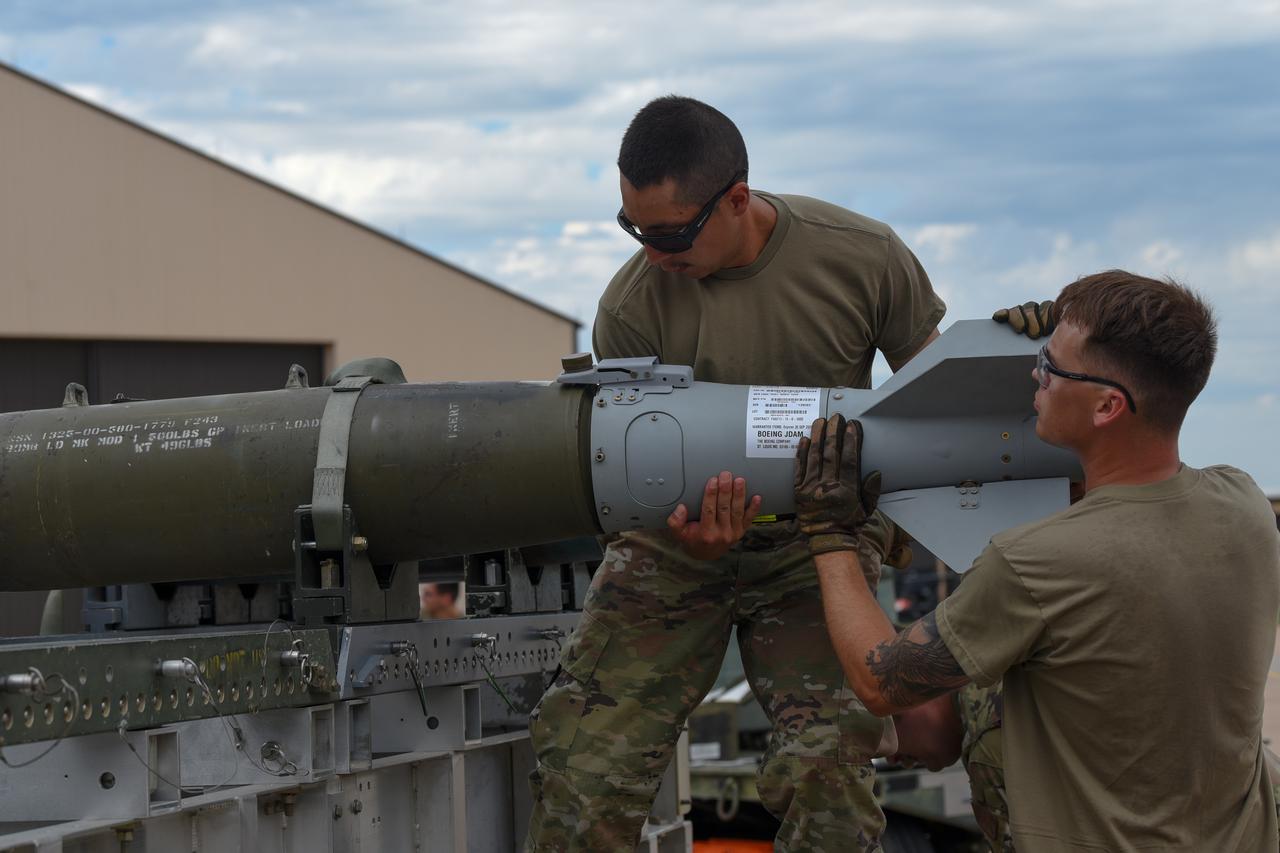
Reports indicate the U.S. military has burned through thousands of missiles since the Iran war began on Feb. 28, using nearly half of the long-range stealth cruise missiles in the Pentagon's stockpile and depleting reserves of Tomahawk cruise missiles, Patriot interceptor missiles, Precision Strike missiles, and ATACMS ground-based missiles.
The White House is planning to ask Congress for between $80 billion and $100 billion in supplemental funding for the Iran war, with a significant portion intended to backfill exhausted weapons systems.
Hegseth has dismissed concerns over stockpile strain.
"First of all, the munitions issue has been foolishly and unhelpfully overstated. We know exactly what we have. We have plenty of what we need," he told lawmakers last week.
Taiwanese President Lai Ching-te pushed back on the developments in a speech marking the second anniversary of his presidency on Wednesday.
"Taiwan's future cannot be decided by foreign forces, nor can it be held hostage by fear, division, or short-term interests," Lai said.
His government has maintained that U.S. policy on Taiwan has not changed and that Trump made no commitments to China on arms sales during the Beijing summit.
Taipei has described China as the "root cause" of regional instability and framed U.S. arms sales as a legal commitment to the island's defense.
Taiwan's representative to the U.S., Alexander Yui, said: "If we want to prevent a war from happening, I think it's best that Taiwan is strong, able to defend itself, and therefore we should be able to acquire, to buy the arms that we need to have a stronger defense."
Lai also reiterated Taiwan's willingness to engage with China "on the basis of parity and dignity" while rejecting what he called "united front" efforts aimed at undermining democratic processes.
The arms package, which includes missiles and air-defense interceptors, has been stalled at the State Department for months. Under U.S. law, Washington is required to provide Taiwan with weapons for its defense.
China has sworn to take the island and has not ruled out using force.


 Set as preferred source
 Set as preferred source


 4 min read