Newsletters


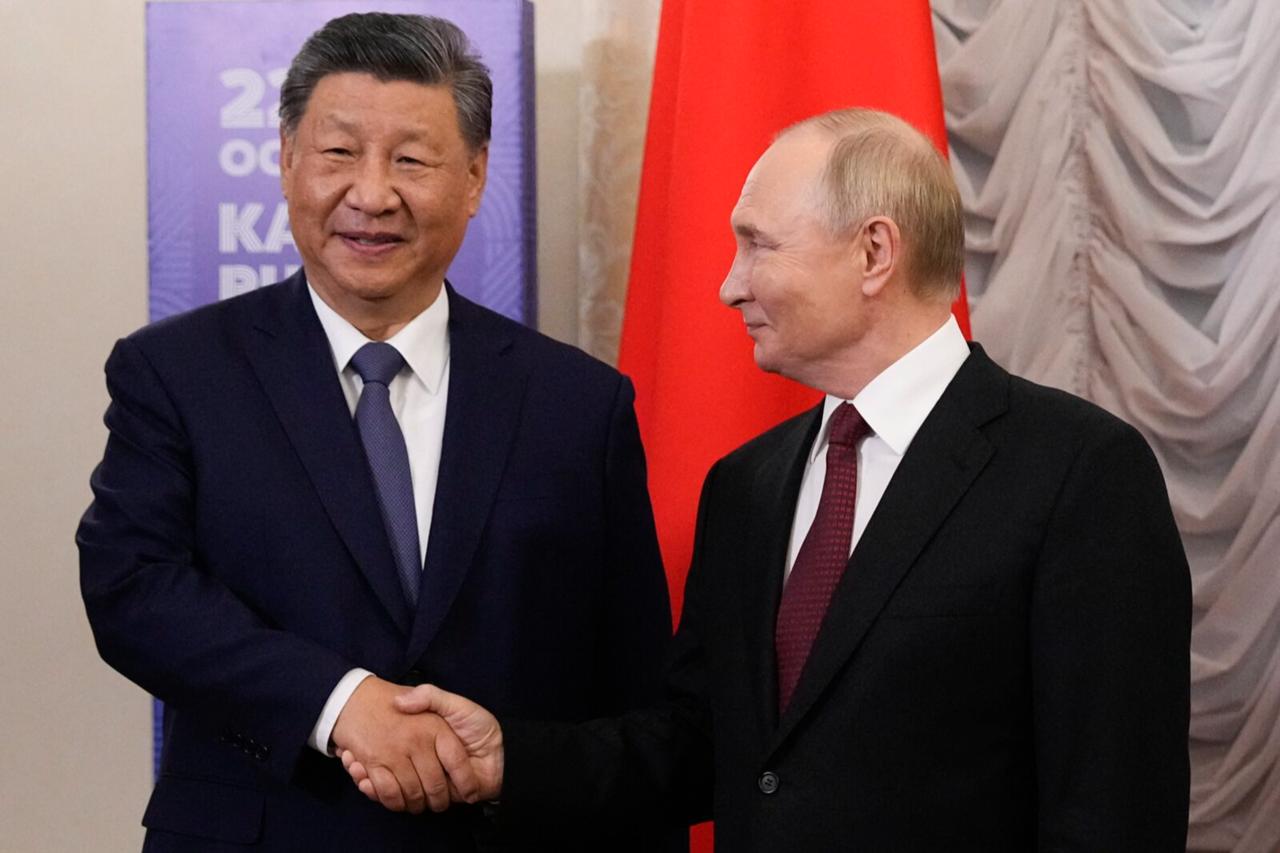


Russian President Vladimir Putin said relations between Moscow and Beijing had reached an “unprecedented level." He stressed that their partnership was “not directed against anyone” ahead of his visit to China, according to remarks published Tuesday by state news agency TASS.
In a video address released before departing for Beijing, Putin said Russia and China were committed to deepening cooperation across politics, the economy, defense and humanitarian exchanges.
“Our friendship is not directed against anyone,” Putin said.
He added that ties between the two countries were based on “mutual understanding and trust” and support for each other’s core interests, including sovereignty and territorial integrity.
Putin said he was traveling to China at the invitation of President Xi Jinping, whom he described as a “long-time good friend.”
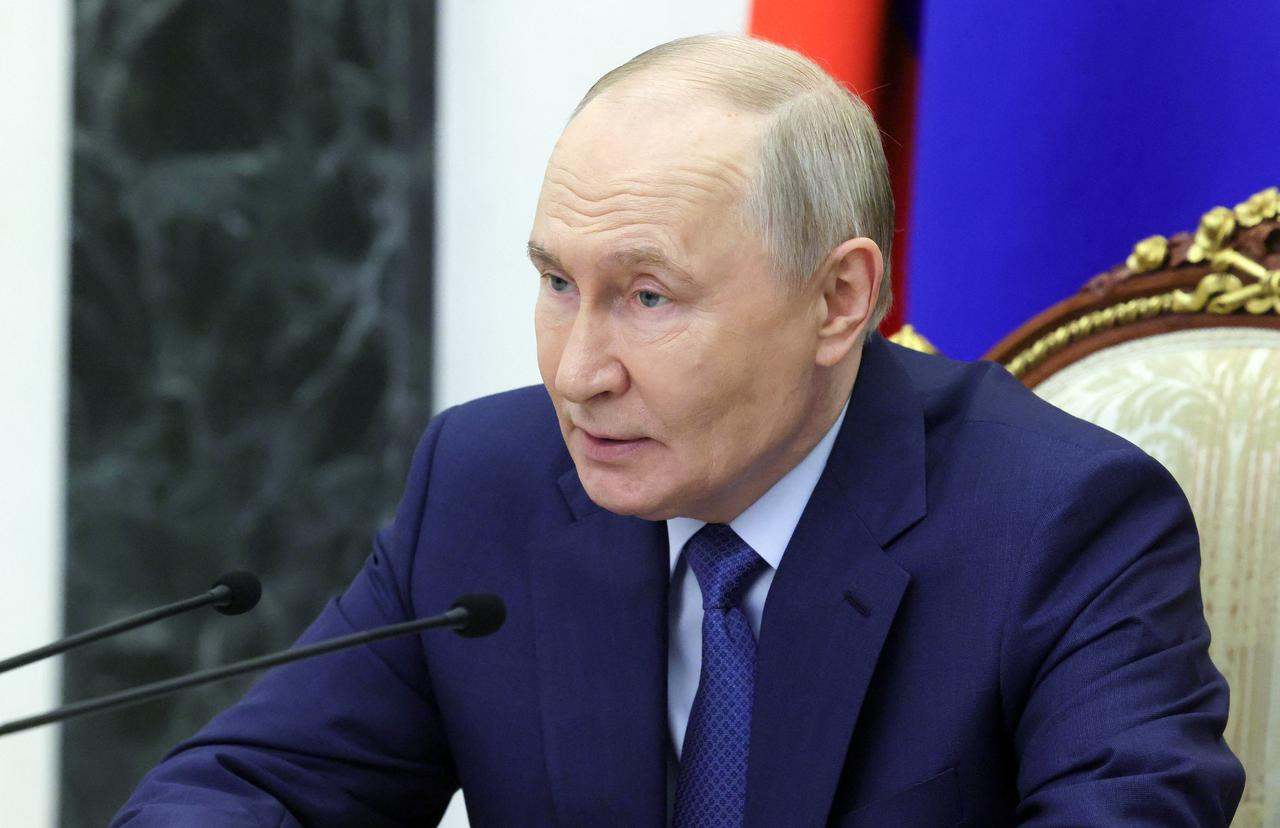

Putin said Moscow and Beijing had built a “genuinely strategic relationship and comprehensive partnership” since signing the Treaty of Good-Neighborliness and Friendly Cooperation 25 years ago.
“Their special nature is reflected in the atmosphere of mutual understanding and trust, a commitment to pursuing win-win and equitable cooperation, conducting respectful dialogue, and supporting each other on matters affecting the core interests of both countries,” he said.
He also highlighted expanding economic ties, noting that bilateral trade had exceeded $200 billion and that transactions were now conducted “almost entirely in rubles and yuan.”
Putin welcomed the introduction of a visa-free regime between the two countries, saying it would encourage tourism, business travel and people-to-people exchanges.
He added that Russia highly values Chinese history and culture and wants to expand humanitarian cooperation.
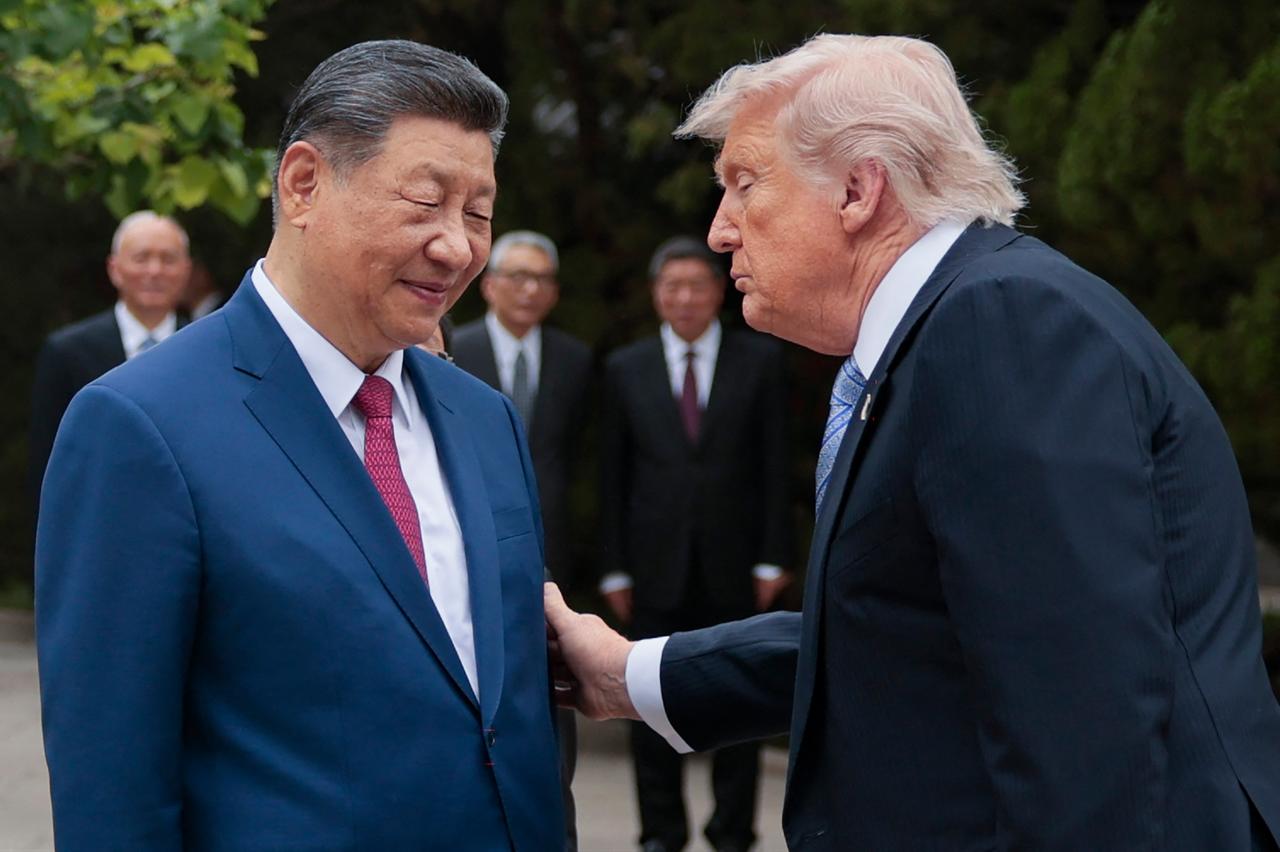
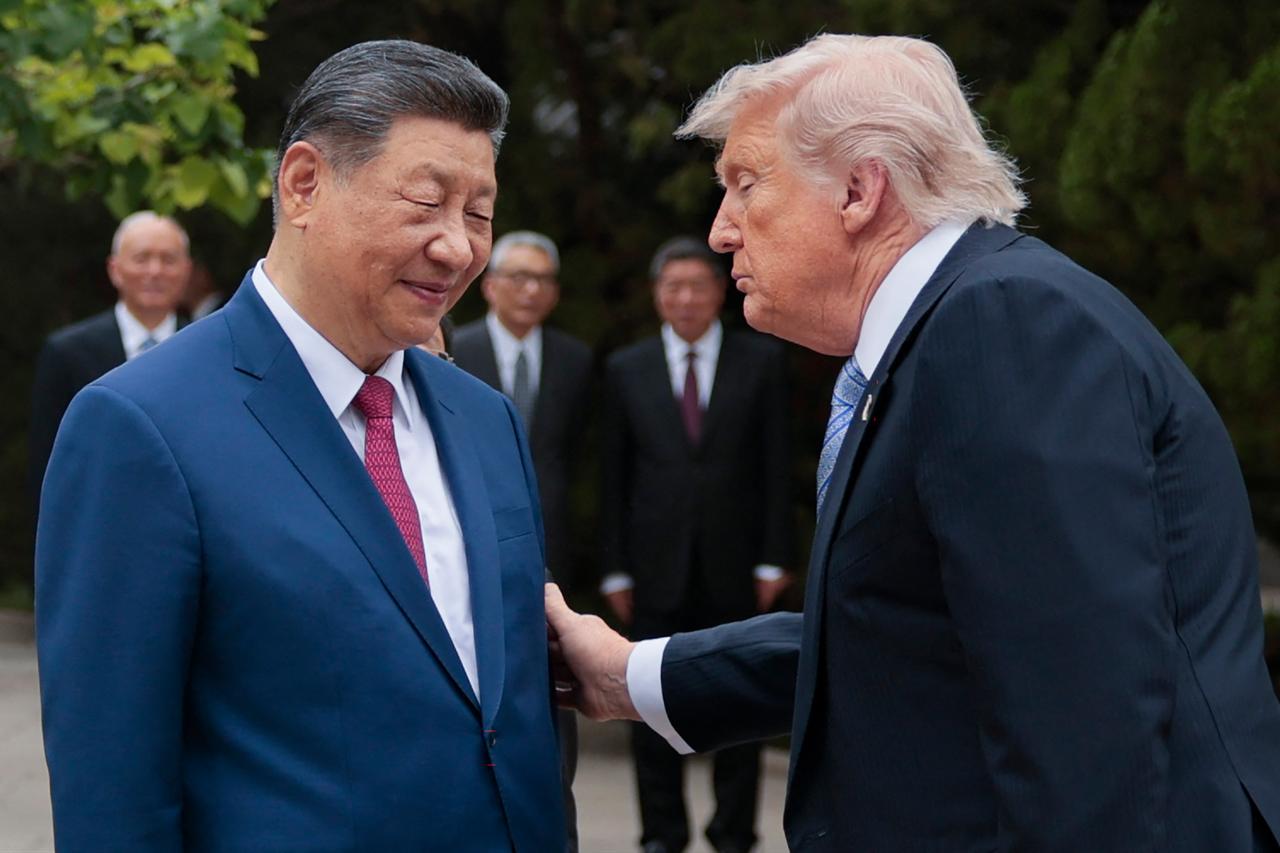
Putin arrived in Beijing on Tuesday for a two-day visit and summit with Xi, coming just days after US President Donald Trump concluded his own trip to China.
The visit is Putin’s 25th trip to China, according to Beijing.
The Russian leader last visited China in September when he attended a large military parade hosted by Xi.
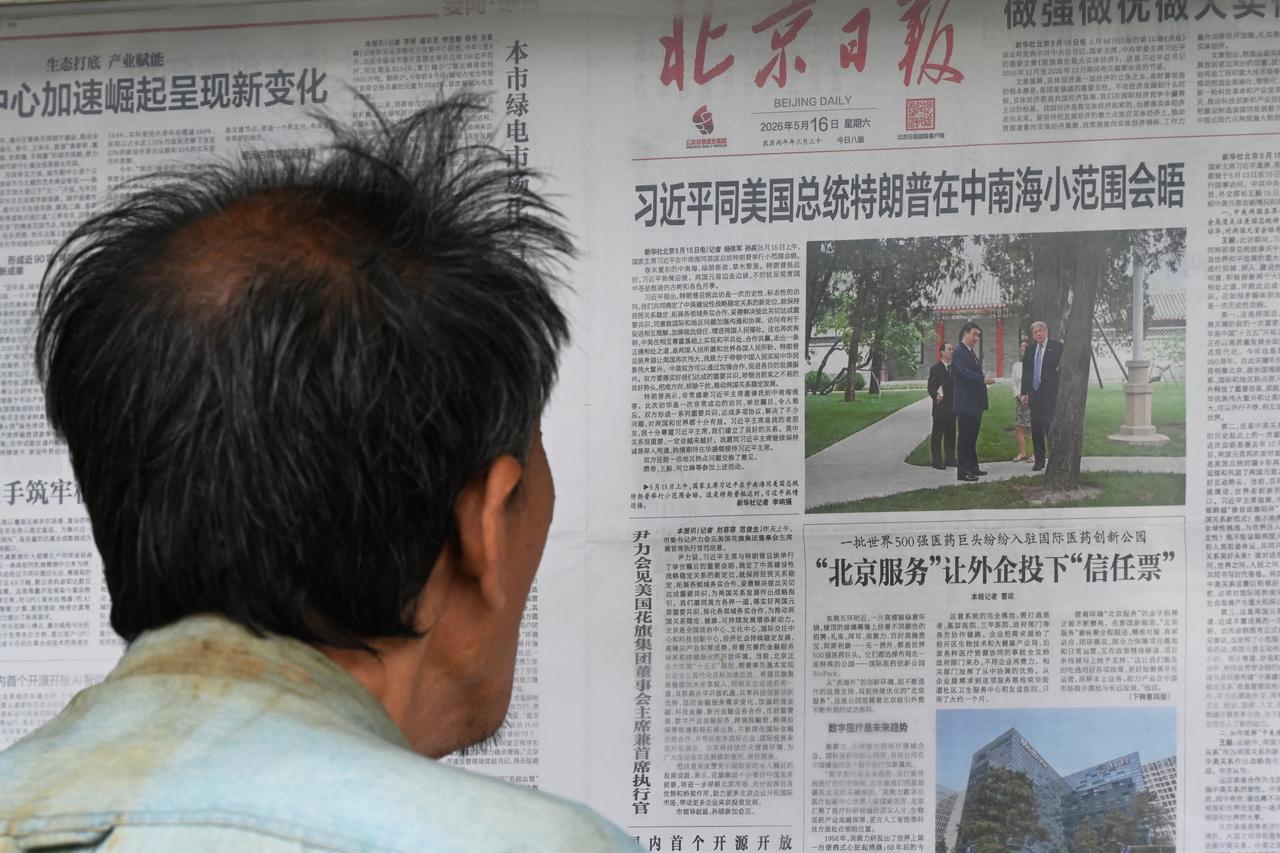
The timing of the back-to-back visits has drawn attention as Beijing navigates relations with both Washington and Moscow amid global tensions over Ukraine, Iran and trade.
Although China presents itself as neutral on the Ukraine war, it has maintained close economic ties with Russia and remains Moscow’s largest energy customer.
Economic cooperation, particularly energy, is expected to feature prominently during the talks.
China remains the world’s largest buyer of Russian fossil fuels, with energy exports becoming increasingly important to Moscow following Western sanctions imposed after the war in Ukraine.
The two sides are also continuing discussions over the proposed Power of Siberia 2 gas pipeline linking Russia and China via Mongolia.
The project has gained additional strategic importance as disruptions in the Strait of Hormuz following the Iran conflict increased concerns over Middle Eastern energy routes.
Despite closer ties, analysts note Beijing continues to prioritize diversified energy supplies and has avoided becoming overly dependent on Russian exports.


 Set as preferred source
 Set as preferred source


 2 min read
 1 min read