Newsletters


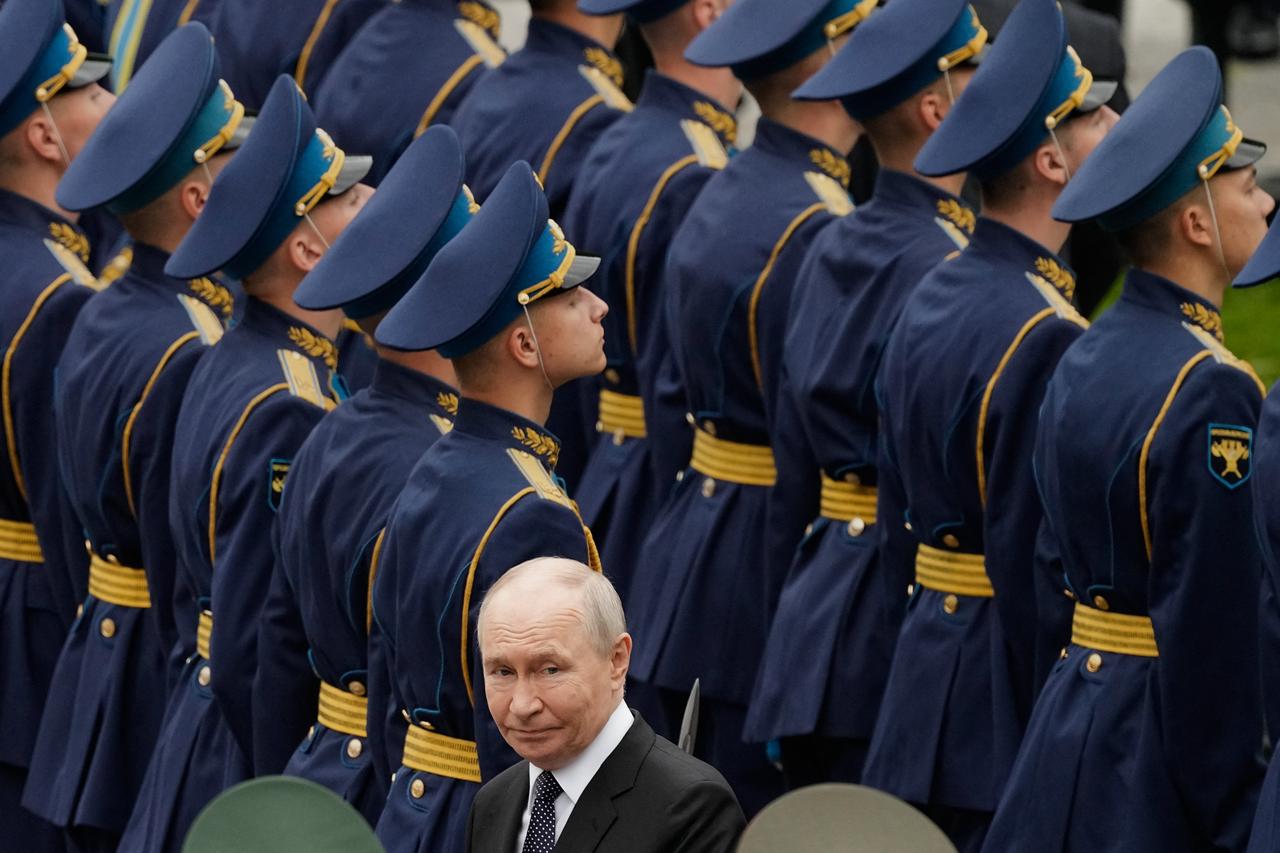


Jens Stoltenberg, NATO's secretary-general from 2014 to 2024 and Norway's current finance minister, said Russian President Vladimir Putin's invasion of Ukraine has been "a strategic failure" that achieved none of his stated goals, in an interview with German media outlet Die Welt.
"Putin's large-scale invasion of Ukraine was a strategic failure," Stoltenberg said.
"He still does not control Donbas, and Ukraine is closer to Europe than ever before. Finland and Sweden joined NATO as a direct consequence of the invasion. So Putin has achieved none of his strategic goals, even though Russia is paying a high price," he added.
Stoltenberg said Ukraine has managed not only to liberate part of its territory and halt further Russian advances but to impose high costs on Russia.
"We must continue to support them in this, because that is the best way to create the conditions for a negotiated solution," he said.
"I don't think we can change Putin's mind. He still wants to control Ukraine. But I believe we can change his calculation. At some point, he will realize he won't win on the battlefield and will have to sit down at the negotiating table," Stoltenberg said.
Asked whether recent optimism following the G7 summit about continued U.S. support for Ukraine was justified, Stoltenberg urged caution.
"I am very careful with speculation, because wars are by nature unpredictable, and no one can say exactly how and when this war will end," he said.
"What we do know is: the more support we give Ukraine, the sooner this war can end, and the more likely it is to end in a way that allows Ukraine to remain an independent, democratic nation in Europe. That is important for Ukraine. It is important for all of us," Stoltenberg added.
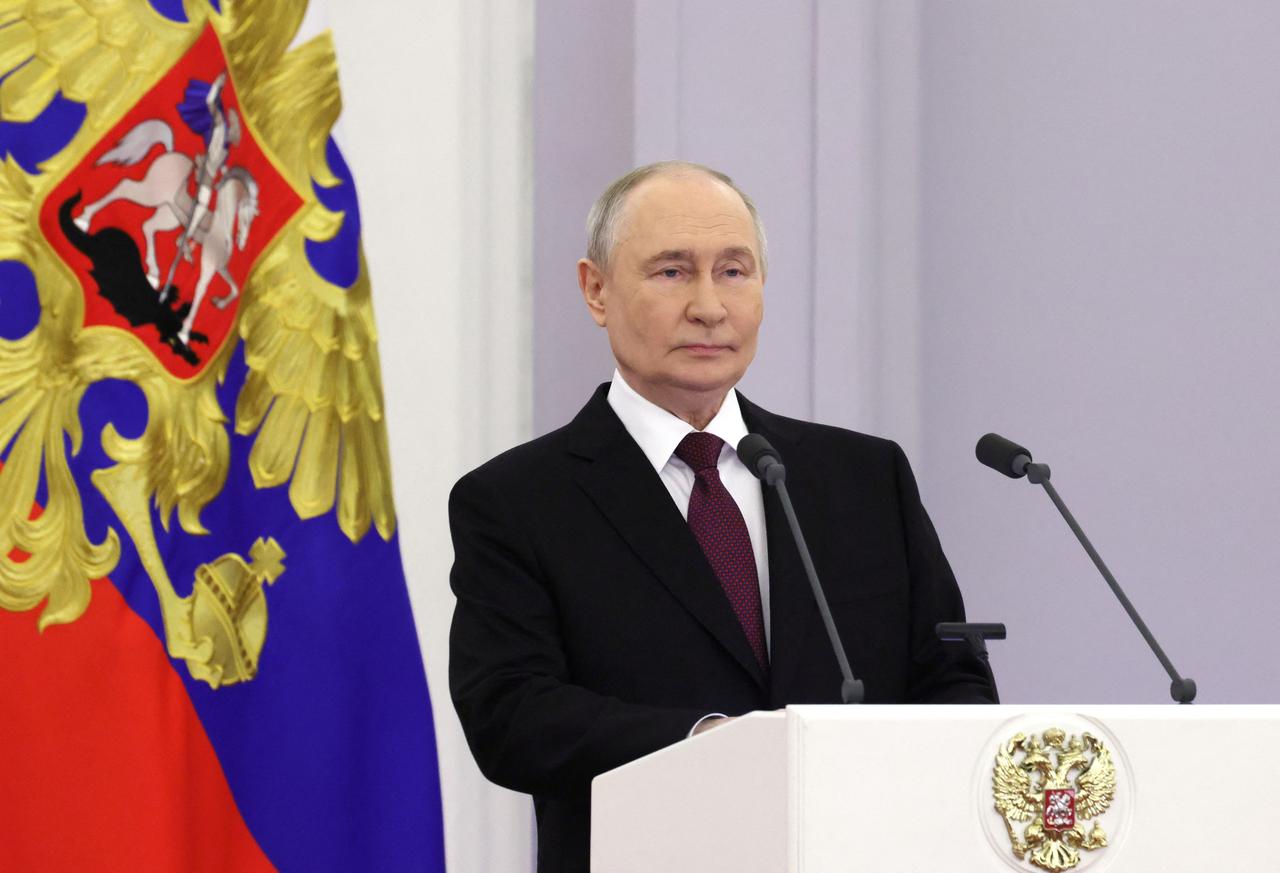

Stoltenberg, who pushed during his tenure to move Ukraine closer to NATO membership, acknowledged that the prospect is currently off the table.
"Membership in the near future is not, as far as I know, on the agenda, since some of the major NATO allies do not support it," he said.
"But Ukraine is closer to the alliance than ever before. NATO countries are equipping Ukraine's army, training it and working with it. NATO now forms the framework for most of the support for Ukraine, including PURL, the NATO-organized program for delivering modern weapons to Ukraine. I welcome that. We should now focus on mobilizing maximum support for Ukraine," Stoltenberg added.
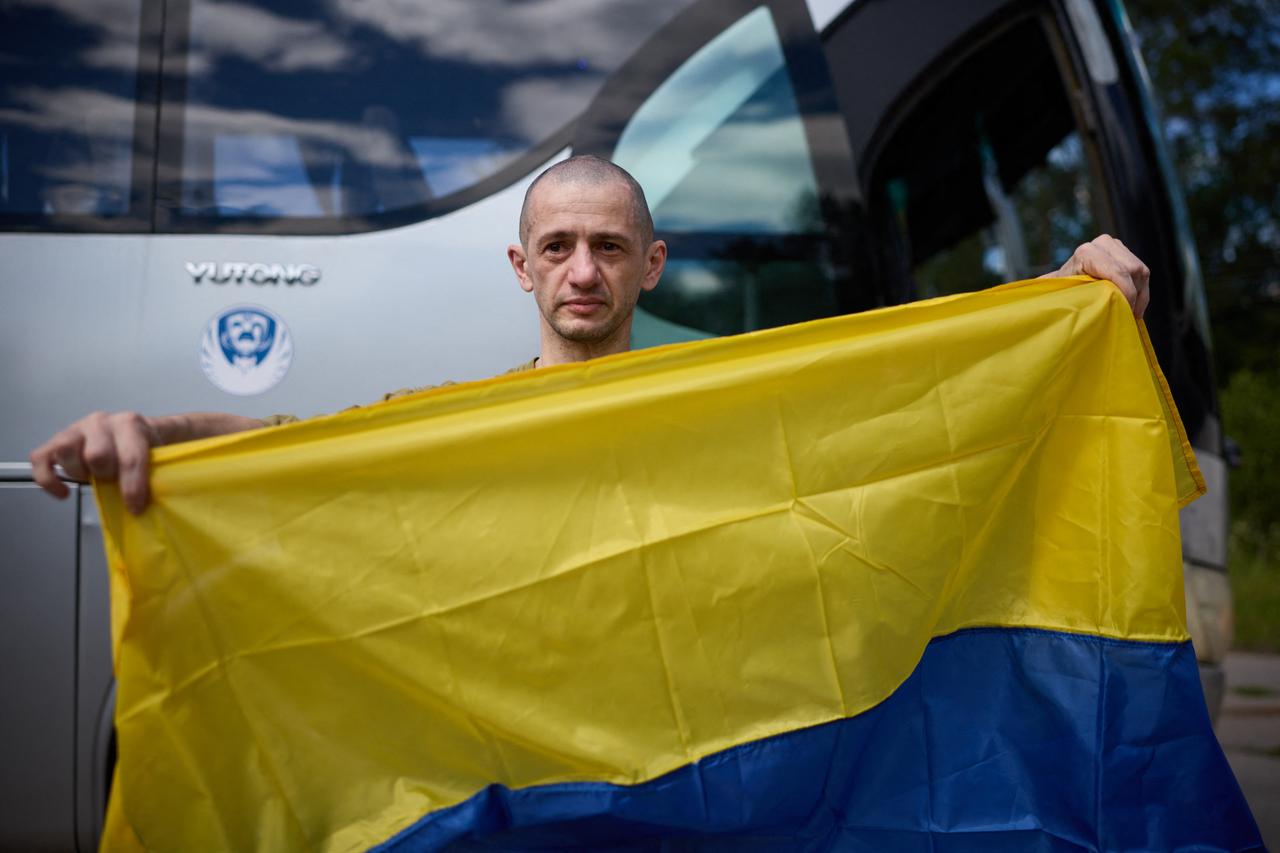
Asked what continued U.S. troop withdrawals from Europe mean for deterrence, and whether Europe needs a "Plan B," Stoltenberg pointed to the surge in European defense investment as the answer.
"I think it shows that what we are currently doing in Europe is of great importance: investing massively in our own defense capabilities," he said.
"For many years, European allies hesitated and did not increase their defense spending. After the full-scale invasion of Ukraine, this changed fundamentally. More and more allies are now reaching NATO's target of spending 3.5% of GDP on core defense tasks. Europe is taking on much more responsibility for its own security, which increases the likelihood that the U.S. will continue to stand by NATO and the transatlantic alliance. But should that not be the case in the future, it is all the more important that we have invested in European defense capabilities," he added.
Asked whether unprecedented disputes within NATO had caused irreparable damage to the alliance, Stoltenberg said the disagreements were real but not fatal.
"It is, of course, a challenge for the alliance that we currently have more open disagreements than was the case for many years," he said.
"But I remain convinced that NATO can stay a strong transatlantic alliance, because I believe interests play a role. And it is in the national security interest of the United States to have a strong NATO. Canada and Europe together make up 50% of global GDP and 50% of military power. And this isn't just about resources, it's also about geography," Stoltenberg said.
Asked to elaborate, given Russia's proximity, Stoltenberg pointed to Norway's role.
"Norway has a land border with Russia. And directly across that border, on the Kola Peninsula, is one of the largest arsenals of nuclear weapons in the world. These weapons are not aimed at Oslo, they are aimed at Washington and New York. But Norway helps track Russian submarines when they leave their bases. We help with early warning of missiles and aircraft launches. And the situation is similar in Finland and many other European countries. This is critical to the security of the United States. The defense of the U.S. begins at the European-Russian border," Stoltenberg noted.
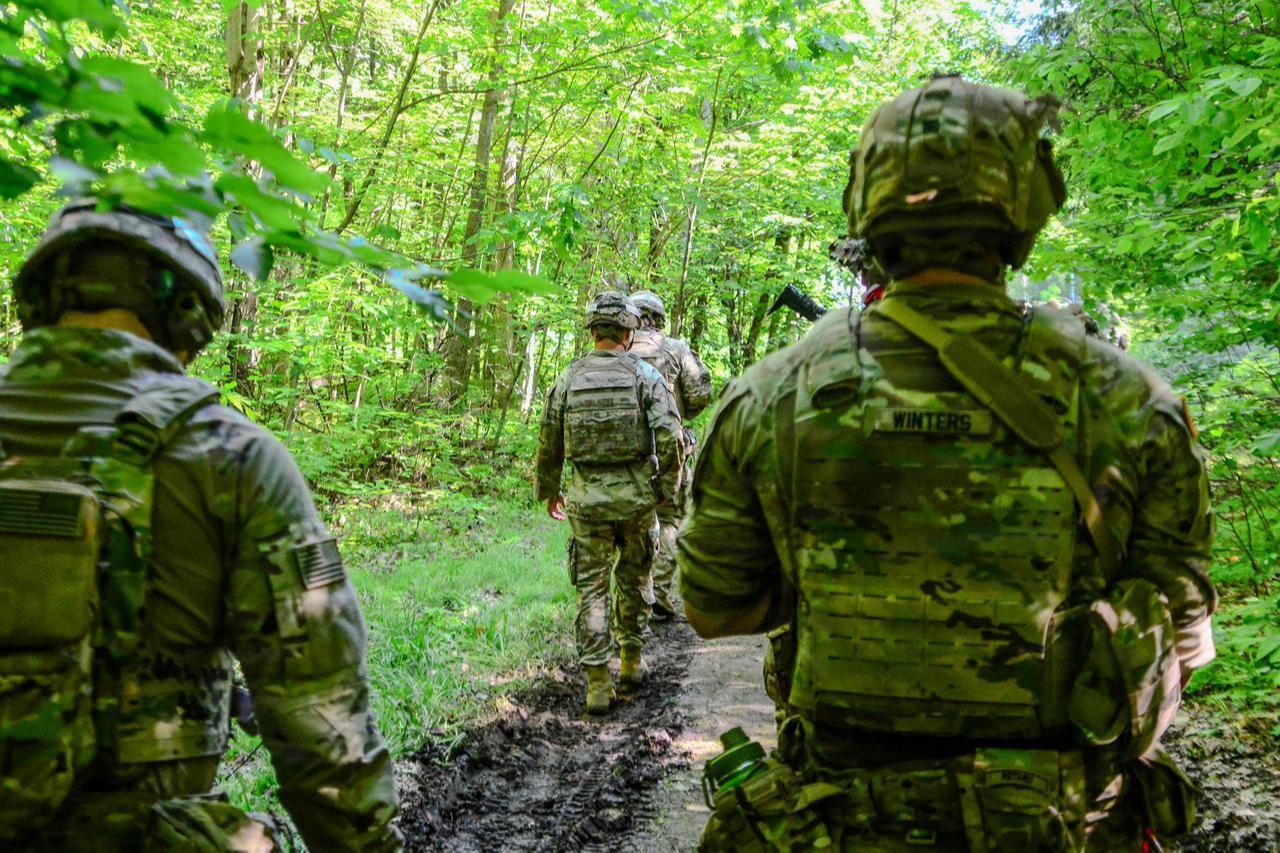
Drawing on his experience of dealing with Trump as secretary-general, Stoltenberg said increased European defense spending, not appeasement, is what keeps the U.S. engaged.
"Of course, there are serious disagreements between the U.S. and Europe in trade, climate and also security matters. I don't underestimate these challenges," he said.
"But I think the most important thing Europe can do to maintain the transatlantic alliance and secure U.S. engagement even under President Trump is to invest more. And that is exactly what we are doing. Germany is now on track to become the largest European defense investor," he added.
Pressed on the fact that Trump's criticism is often directed specifically at Germany, Stoltenberg agreed but defended the broader message.
"That's true. I'm not saying this solves all problems, but it addresses a real one," he said.
"Regardless of what one thinks of President Trump and his positions on many issues, the message from the U.S., formulated by several U.S. presidents, that Europe needs to spend more money and that there needs to be fair burden-sharing within the alliance, is justified. That was also my core message when I was secretary-general. President Trump's criticism is not primarily directed at NATO. It is directed at the allies who are not investing enough in NATO. That is changing right now. And that is one way to reduce the risk of a U.S. withdrawal while also preparing for a future in which we may see reduced U.S. commitment to European security," Stoltenberg noted.
Asked about a warning from former German chancellor Angela Merkel, cited in his book, "On My Watch," never to simply let the U.S. always get its way within NATO, and whether Europe is currently too focused on pleasing Trump, Stoltenberg said NATO's structure as a 32-nation alliance matters.
"NATO is an alliance of 32 nations, and I think it's important that a single ally doesn't always decide what the others must agree to," he said.
"Of course, the largest ally has more influence than smaller members. That's simply a fact. But it's better to have institutions like NATO at all, where everyone sits at the same table and has access to the same information. Otherwise, the great powers would decide even more on their own," Stoltenberg stated.
He pointed to Greenland as a recent example of European allies pushing back, saying, "Some NATO states have recently made their message quite clear in disagreements with the U.S., for example, regarding Greenland. The European allies have made clear that threatening another ally is unacceptable."
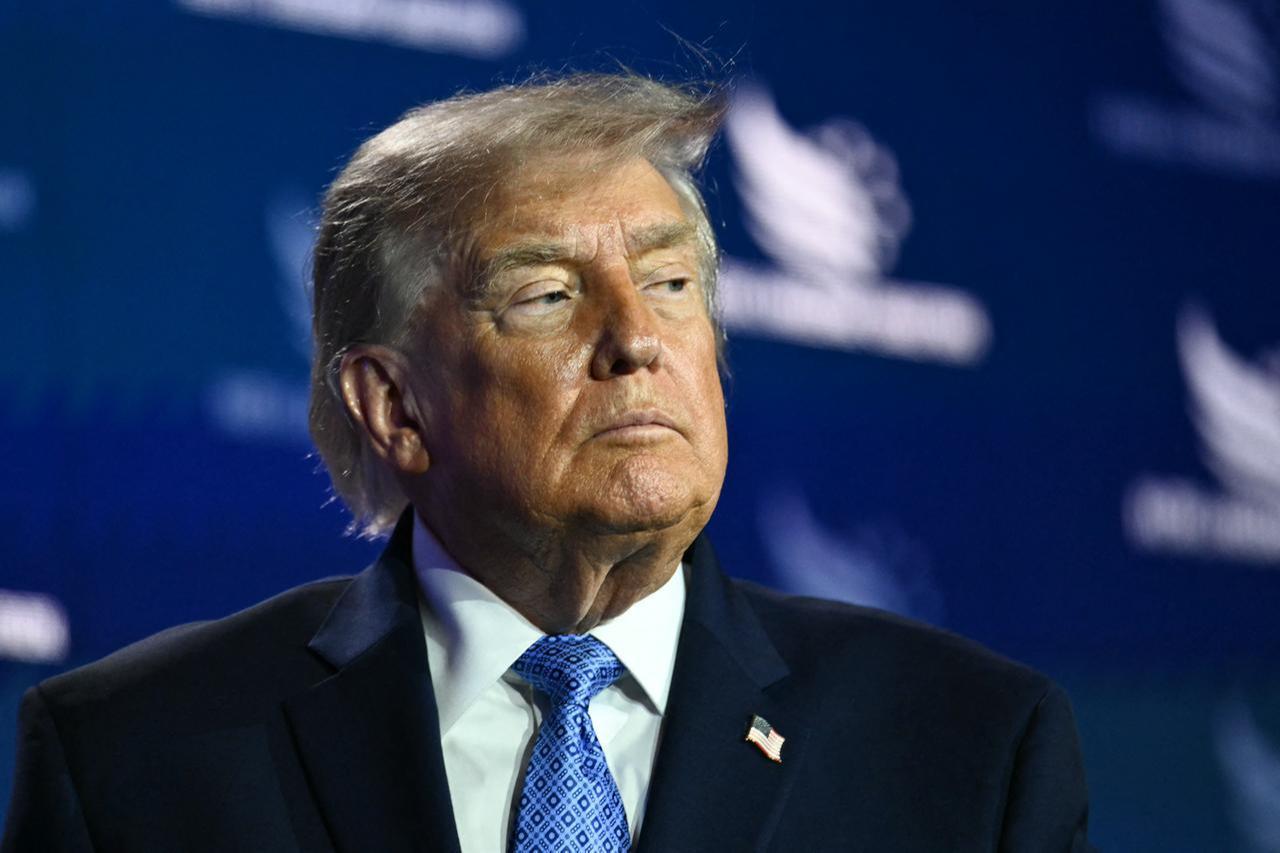
Asked whether he feared the alliance's internal disputes would resurface publicly at the Ankara summit, Stoltenberg said he hoped for unity.
"I hope the summit will be a strong sign of unity in NATO. That despite the differences and disagreements, we are able to act together against the most important threats and challenges we face. And that we send a signal of support to Ukraine," he said.
"I'm not privy to the details of the preparations, but I am confident that Secretary-General Mark Rutte and many governments across Europe and North America are working hard to achieve this goal. I hope they will succeed," Stoltenberg concluded.


 Set as preferred source
 Set as preferred source


 2 min read