Newsletters


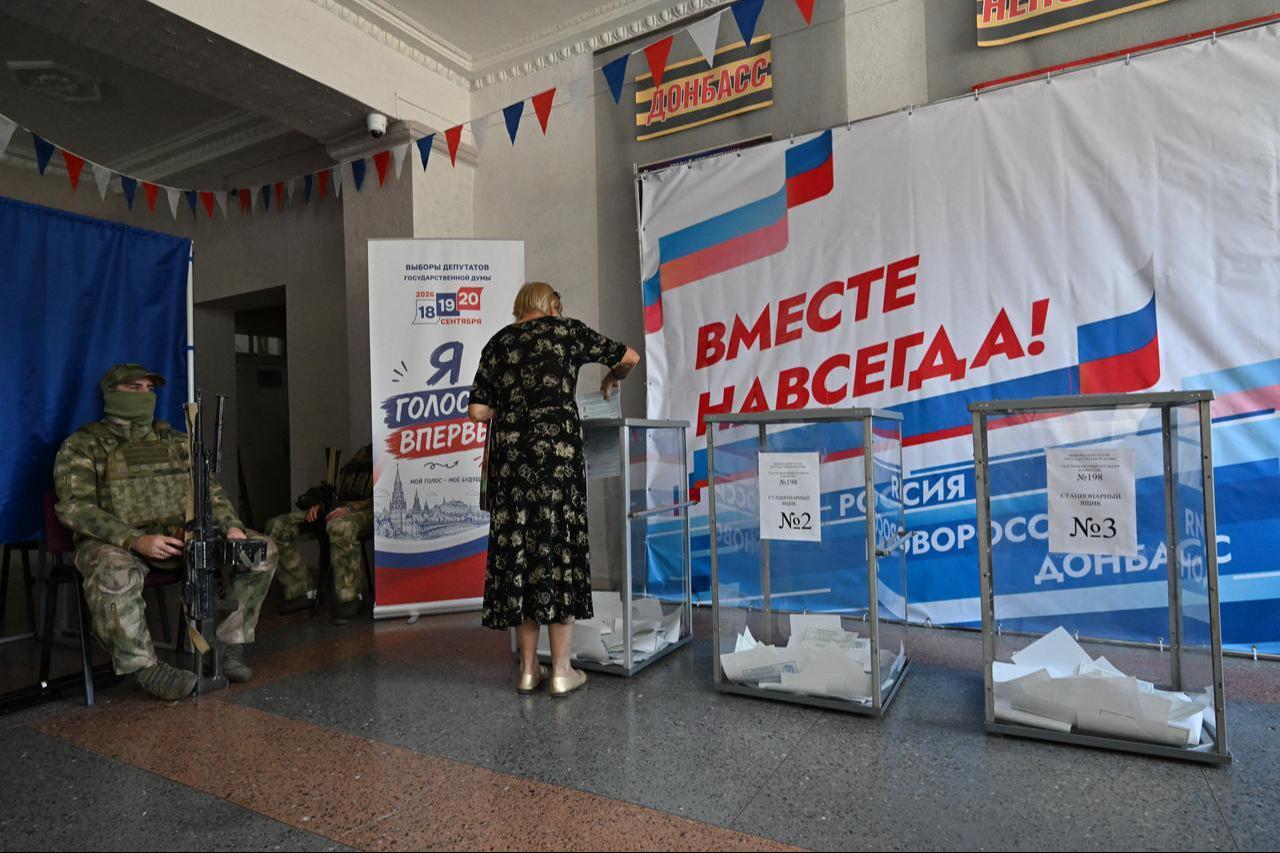
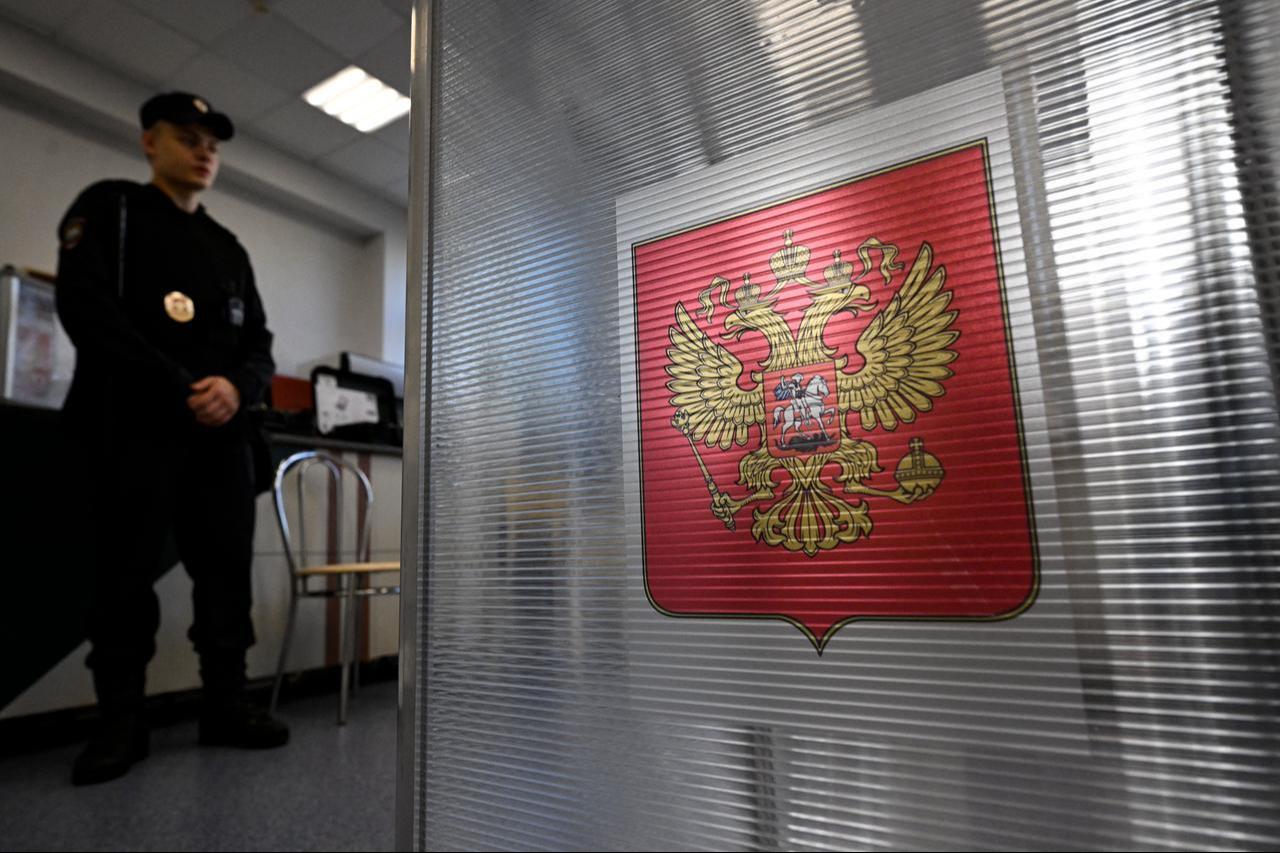
Russian President Vladimir Putin's United Russia party is set to win a record 355 of 450 seats in the State Duma, according to preliminary results released by Central Election Commission chief Ella Pamfilova on Monday, marking the largest majority in the party's history of parliamentary elections.
With more than 95% of ballots counted following the three-day vote, held with no parties critical of Putin participating, United Russia secured 57.83% of the party-list vote, up sharply from 49.82% in the 2021 election, the last time the State Duma was elected.
Pamfilova said United Russia candidates were also leading in 208 of the 225 single-member constituencies.
The results would give the party 147 seats from the party list and 208 from single-member districts, for a total of 355, surpassing its previous record of 343 seats won in the 2016-2021 Duma, and comfortably exceeding the roughly 300 seats needed for a constitutional supermajority.
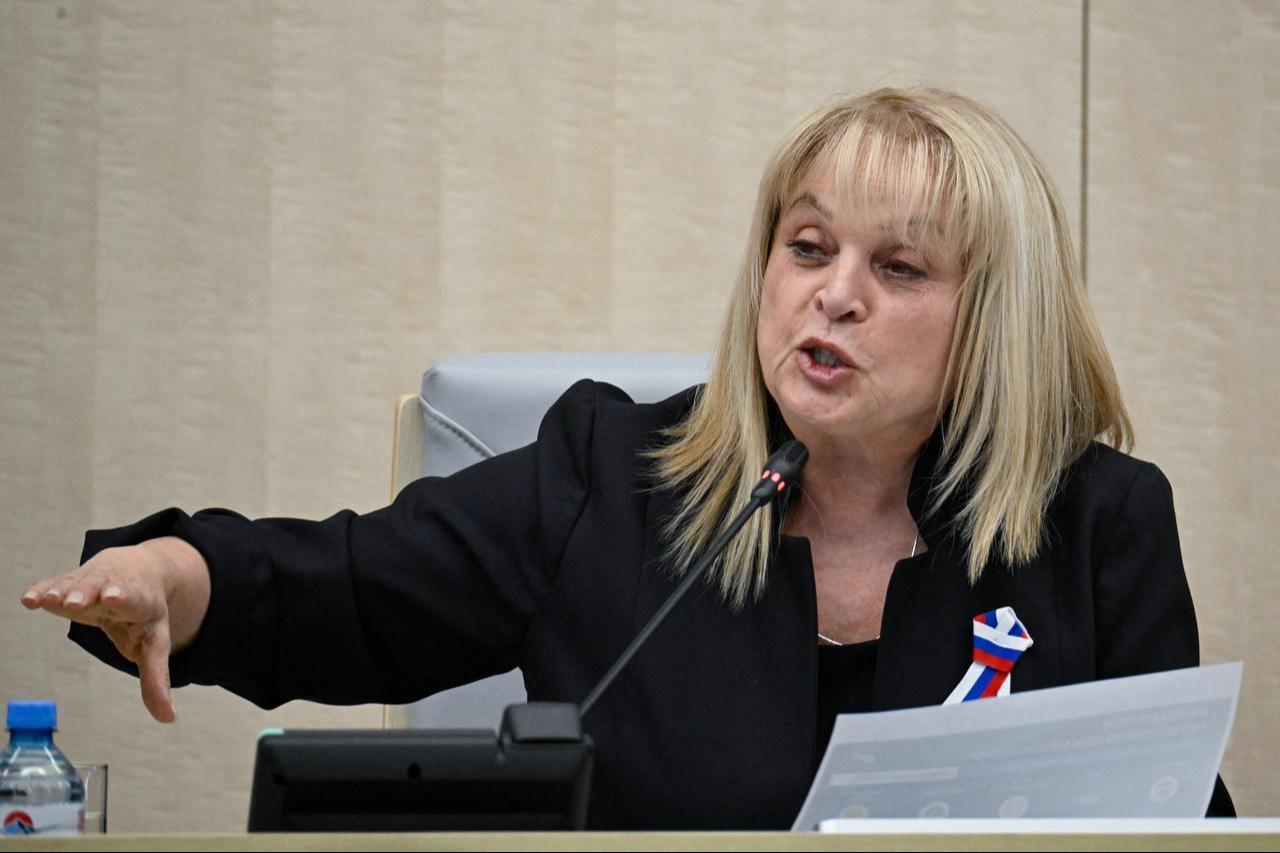

The Communist Party placed second with 13.81% of the vote and five single-member districts, for a projected 40 seats.
The Liberal Democratic Party (LDPR) took 8.98% and two districts, for roughly 25 seats, while the New People Party won 7.96%, projected at 20 seats.
A Just Russia stood at 4.96%, just below the 5% threshold required to enter the Duma through the party list, though the party won four single-member constituencies.
Pamfilova said A Just Russia still had "a good chance" of clearing the threshold as final counting continued.
Ten parties competed in the federal party-list vote, including the five parties with existing Duma representation, alongside Rodina, the Communists of Russia, the Greens, the Pensioners' Party and the Party of Direct Democracy.
No party opposed to the war was permitted to run on the federal ballot after Russia's Supreme Court removed the anti-war Yabloko party from the party-list vote weeks before the election, though Yabloko candidates remained on the ballot in some single-member constituencies.
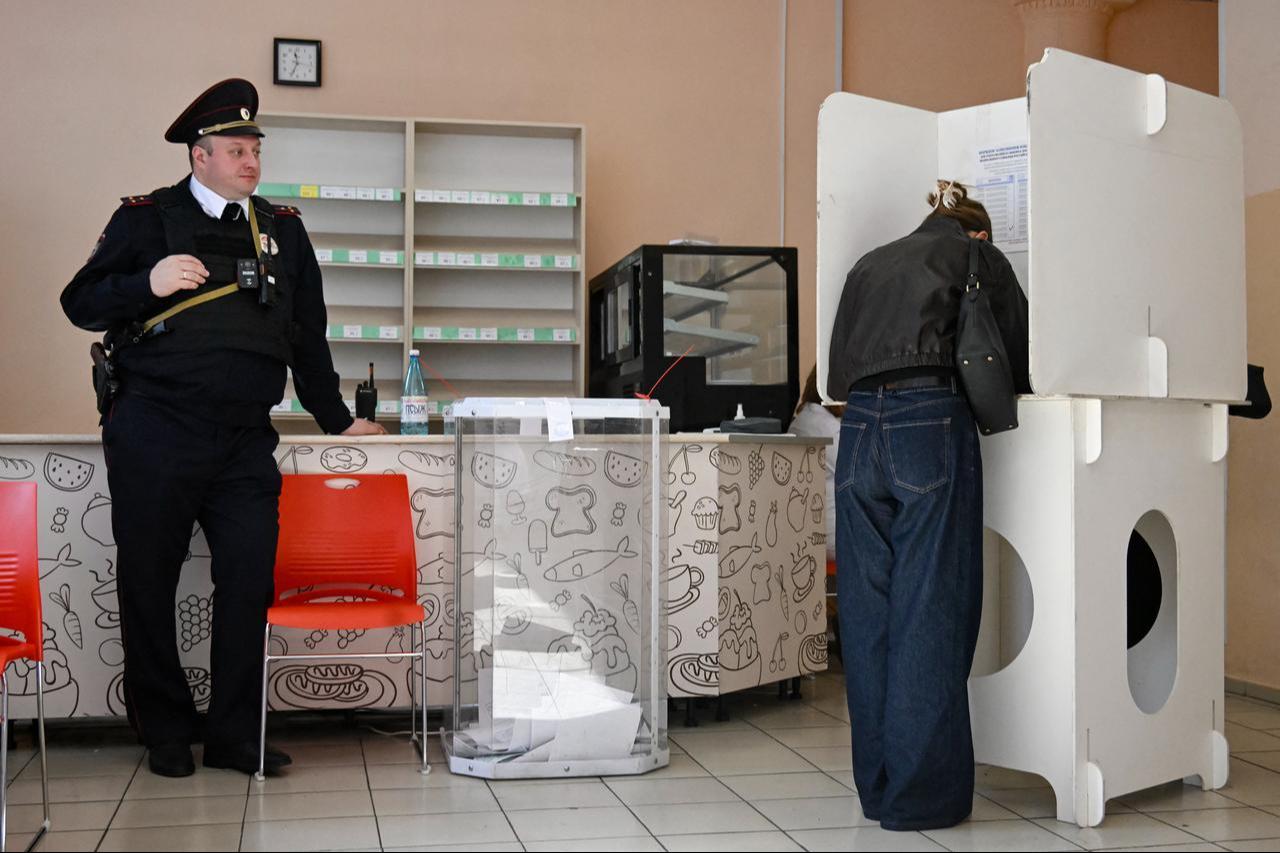
Turnout across the three-day vote reached 59.32%, up from 51.72% in 2021, according to the commission.
More than 111 million voters were eligible to cast ballots at polling stations and through remote electronic voting. In the remote electronic vote specifically, United Russia won 49.06%, followed by New People at 15.42%, the Communist Party at 12.26% and the LDPR at 10.79%. Final results are due to be announced Sept. 25.
Governorship races were also decided in several regions, with incumbents or ruling-party-aligned candidates winning by wide margins, including Ramzan Kadyrov in Chechnya with 99.85% of the vote, Artem Zdunov in Mordovia with 77.99%, and Alexei Russkikh in Ulyanovsk region with 76.66%.
Voting also took place in Russian-annexed areas of Ukraine, a move Kyiv has called illegal and without legal consequence, and which some Western governments have condemned.
It was Russia's first parliamentary election since the full-scale invasion of Ukraine began in 2022.
Putin had urged Russians to participate, framing the vote as a show of support for Russian troops and an "answer to those who want to weaken Russia."
Chinese Foreign Ministry spokesman Guo Jiakun said the results "represent will of the Russian people."
"China congratulates Russia on the smooth conclusion of the Russian State Duma elections," Guo told reporters in Beijing, adding, "China firmly supports their independent choice and stands ready to work with Russia to advance bilateral ties."
Russia's most prominent opposition figures have been driven into exile, while Putin's main domestic rival, Alexei Navalny, died in an Arctic prison in 2024.
Navalny's widow, Yulia Navalnaya, had called on anti-war Russians to cast ballots together at noon on the final day of voting, a tactic that previously drew crowds during the 2024 presidential election.
Agence France-Presse (AFP) reporters saw dozens of opposition supporters gather outside Russian embassy buildings in Berlin and London in protest of the vote.
European Union's top diplomat Kaja Kallas on Monday dismissed Russia's parliamentary elections as a "veneer" of democracy, and said she is proposing sanctions on those who helped hold them in occupied Ukraine.
"The so-called Duma elections marked another major setback for Russian democracy. Their outcome was never in doubt," Kallas wrote on X.
"The Kremlin silenced dissent, barred the only registered party that opposed its war in Ukraine, and shut out international election monitors. The veneer of democracy is all that remains in Russia," she added.
Kallas said she had "proposed measures against those facilitating these sham elections in occupied Ukrainian territories."


 Set as preferred source
 Set as preferred source


 6 min read