Newsletters



Quebec separatists claimed victory in Monday's provincial election, pledging a referendum on leaving Canada once U.S. President Donald Trump exits office. The result challenges Prime Minister Mark Carney's call for national unity. Yet the Parti Quebecois (PQ) failed to secure a majority, handing federalists some comfort.
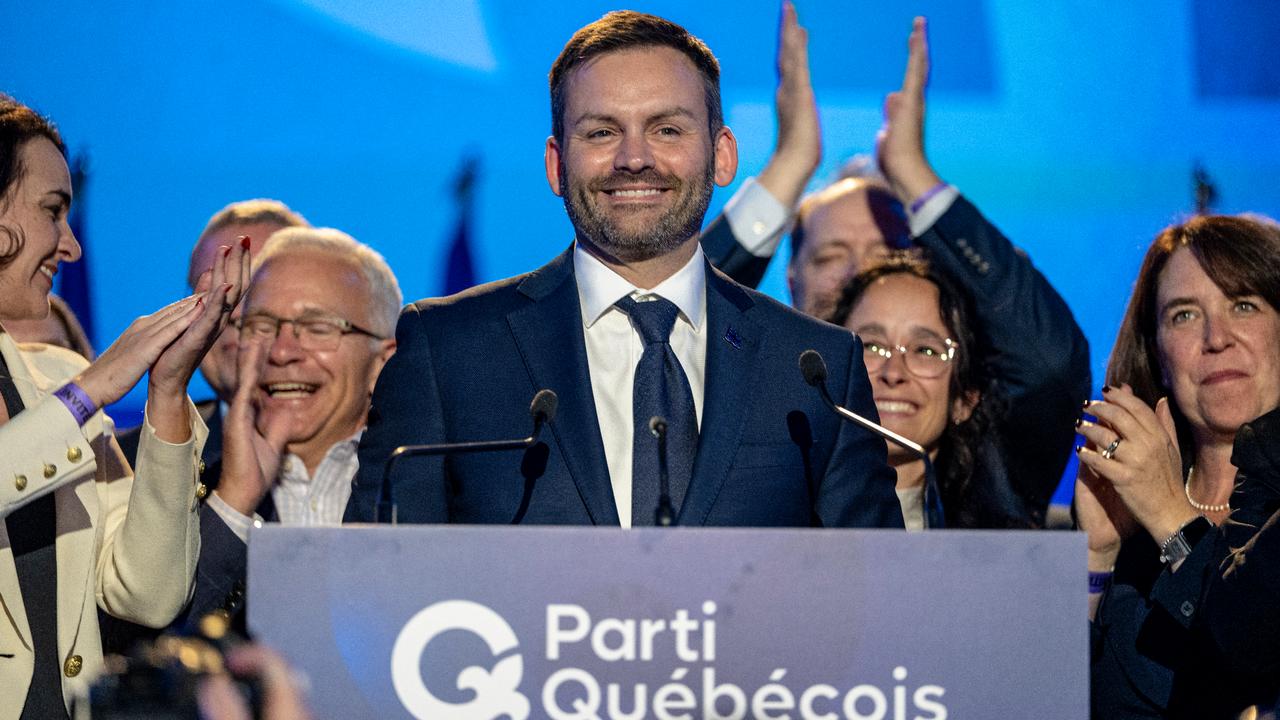
Even so, the PQ win reshapes the national political landscape as Canada faces a trade war and annexation threats from the United States. Alberta, an oil-producing economic powerhouse, will vote 2 weeks later on whether to begin the process of exiting the country.

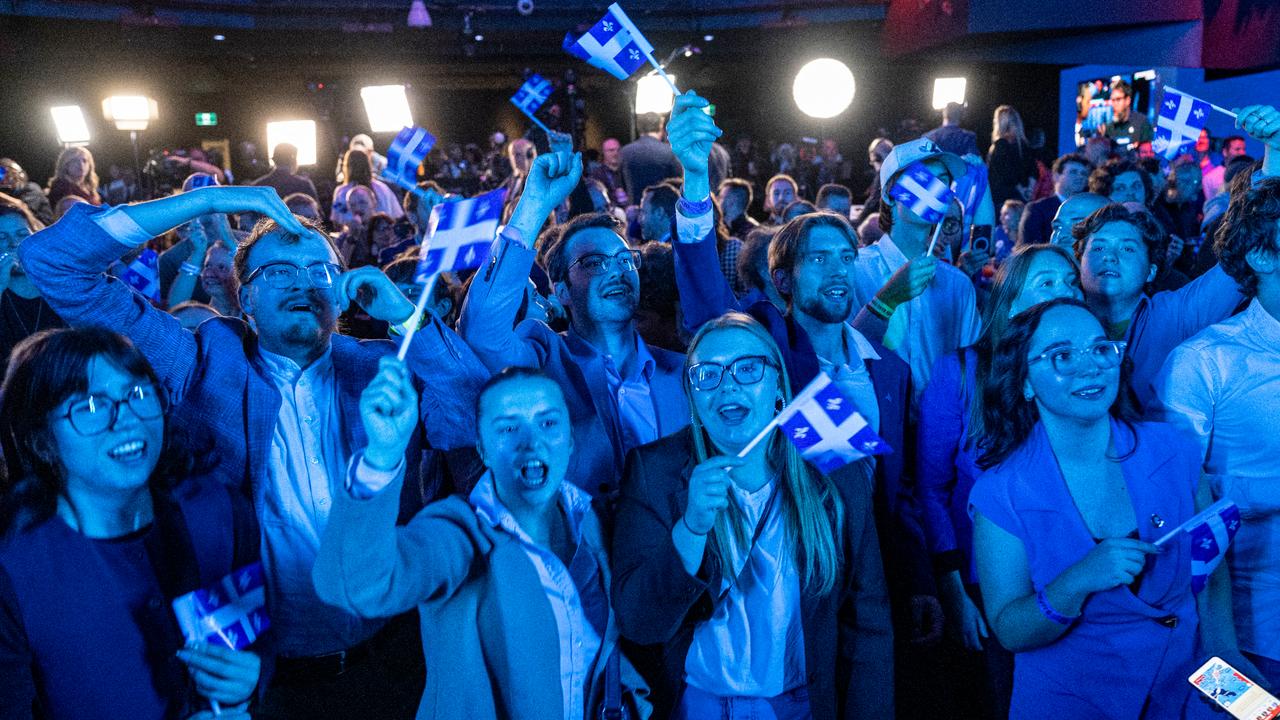
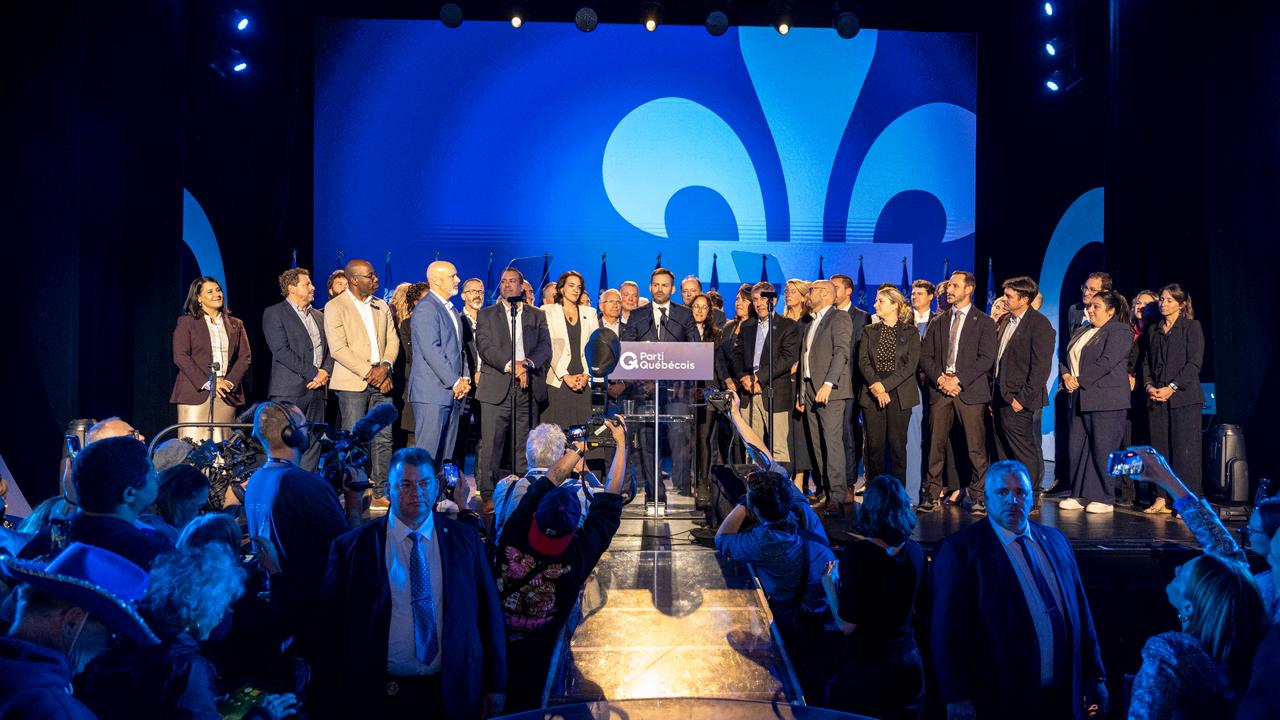
PQ leader Paul St-Pierre Plamondon, a 49-year-old lawyer known as PSPP, will become Quebec's next premier. Speaking at a jubilant victory party in Montreal, he cited "the courageous struggle" that French speakers have endured as English increasingly dominates the world.
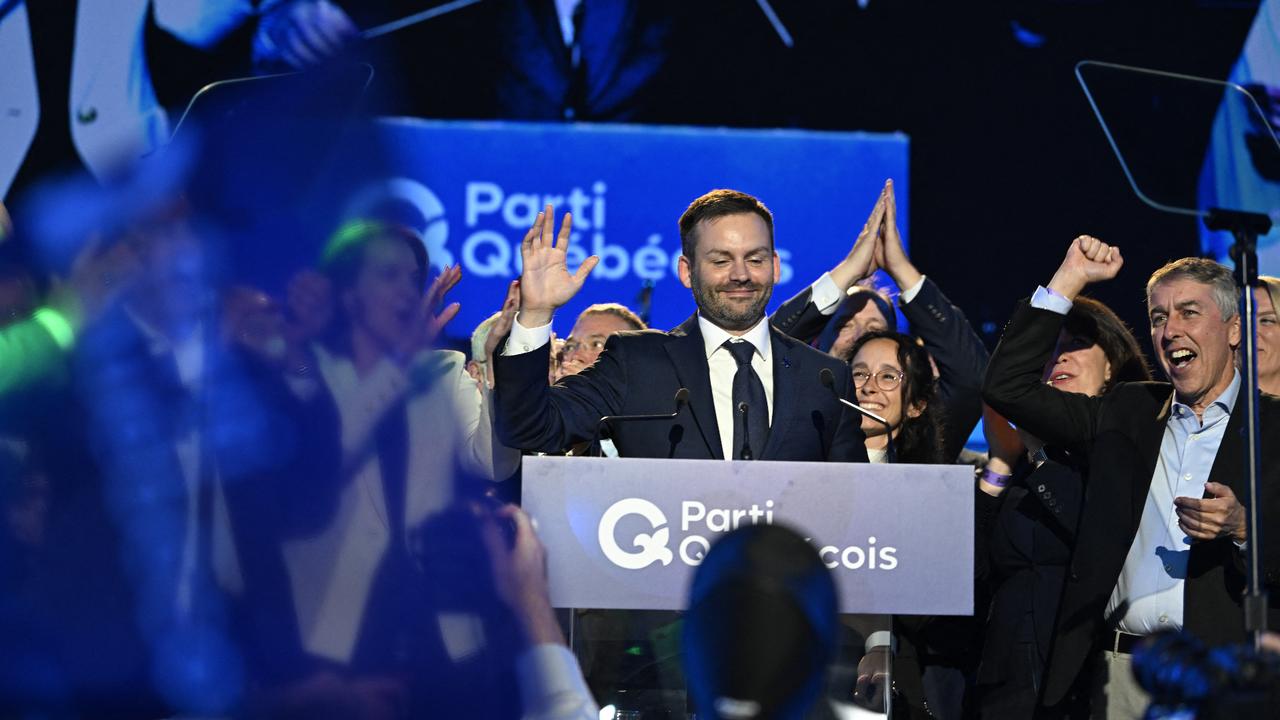
He said the fight "will find meaning when (Francophones) obtain their own country," and added, "We deserve it," calling a referendum a chance "to decide what our national future will be."

Frustration over affordability and a lasting urge to safeguard French in a mostly anglophone nation drove the PQ's comeback after more than a decade in opposition. Polls indicate roughly 30% of Quebecers favor independence, yet PSPP insists he will call a referendum on leaving Canada, just not while Trump holds office.

First-time voter Alexia Gomez, 19, invoked tensions with the United States when she told Agence France-Presse (AFP) she opposed an independence referendum. "If Quebec becomes independent it would make us politically, economically and militarily vulnerable," she said.

Student Lydie Periard, 22, said the PQ's win leaves her "very worried" and condemning what she termed the party's "populist" stance on immigration. The PQ has backed immigration cuts, particularly for non-French speakers.
Liberals and Conservatives, now the 2 largest opposition parties, both declared they would never back a referendum on independence.

PSPP lacks majority support for independence, but his plans against the British monarchy look far more popular. Canada belongs to the British Commonwealth. The governor general in Ottawa represents King Charles III, the head of state, while lieutenant governors do so in provinces such as Quebec.
Leger polling in 2025 found 87% of Quebecers feel no bond with the crown, and only 31% view King Charles favorably. PSPP has said his government could stop funding the lieutenant governor, a post he calls a "masquerade that wastes money."


 Set as preferred source


 2 min read