Newsletters


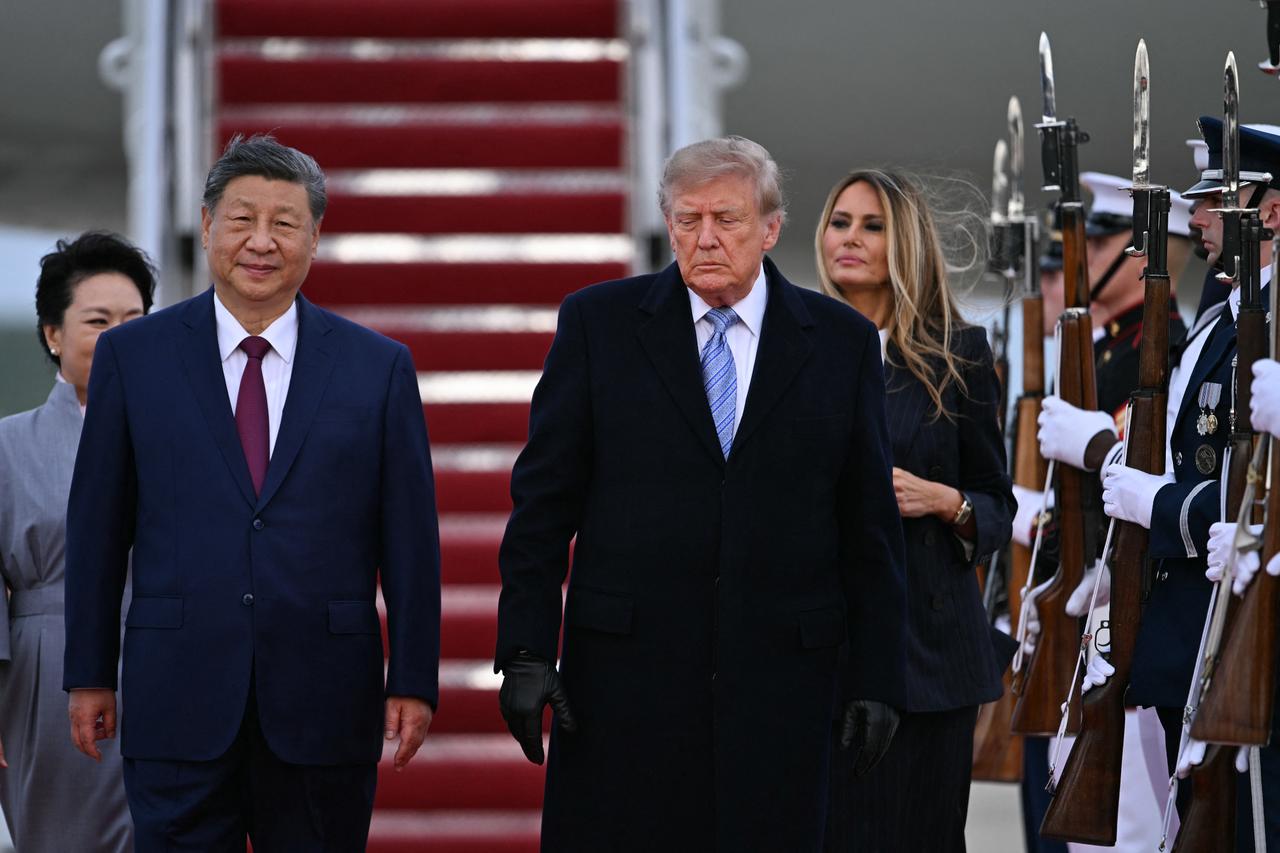


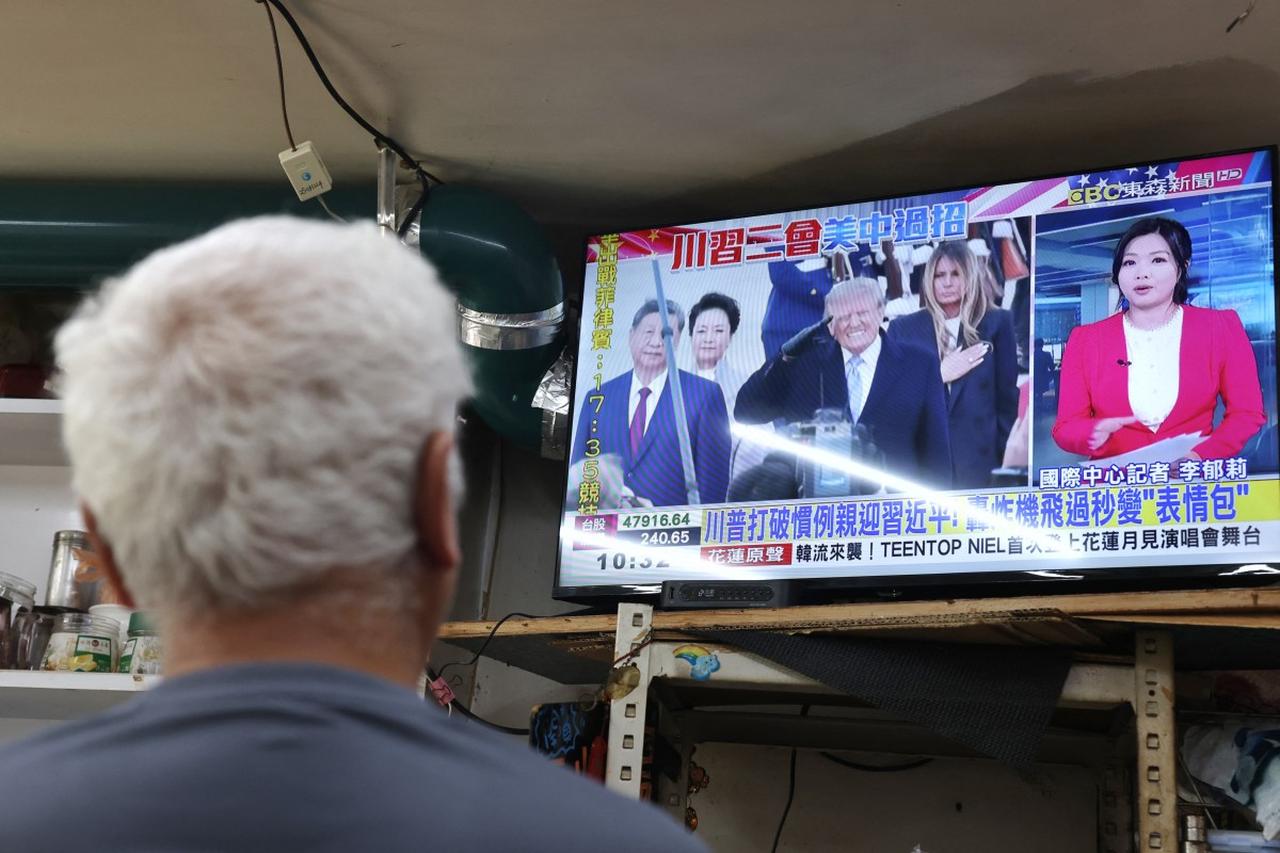
Donald Trump walked out onto the tarmac at Joint Base Andrews on Wednesday and shook Xi Jinping's hand at the bottom of the plane's staircase. No U.S. president has greeted a foreign head of state that way in Washington since John F. Kennedy met British Prime Minister Harold Macmillan in 1962—popes excepted.
Protocol sends lower-ranking officials to meet visiting leaders at the airfield and saves the president for the White House. Skipping that step is a decision, and in diplomacy every gesture is one.
A tarmac greeting honors the guest and sets the tone before negotiations begin, and President Trump has spoken respectfully of Xi throughout the war with Iran.
That welcome raised eyebrows on both sides of the aisle. Sen. Roger Wicker, a Mississippi Republican and defense hawk from the party's traditional wing, said that, had the White House asked, he would have suggested Trump not invite Xi to Washington "for such a lavish welcome," given "all of the troubling issues we have with President Xi." The Democrats won't like it one bit, but they sent one of their biggest squeaky wheels.
Yet 11 years after his last White House visit, Xi got the red carpet. Beneath it, the concrete was cold.

Six days before Xi landed, Sen. Elissa Slotkin, a Michigan Democrat on the Armed Services Committee, wrote to Trump asking him to make Iran's use of Chinese satellite imagery "a centerpiece" of the talks.
The Wall Street Journal had reported, citing U.S. officials, that Tehran acquired high-resolution images of a U.S. base in Jordan from Chinese companies before and after a July attack. The administration sanctioned three such firms in May: Meentropy Technology, The Earth Eye and Chang Guang Satellite Technology.
The strike hit housing at Muwaffaq Salti Air Base. It killed Pvt. Isabella Gonzales, 19, 1st Lt. Tyler James Feehan, 25, and Sgt. Angel S. Rampersad, 28. Four others were wounded.
Trump answered reporters aboard Air Force One. "I think he's behaved reasonably well," he said, adding that China spies on America and "we spy on them, too." "They basically do what we do." Slotkin noted that his "insistence on rolling out the red carpet for our adversaries" was "beyond me."
Trump arrives with a war nearly seven months old at his back; Hormuz still closed, bond yields at their highest since 2007. That leaves Washington little appetite for a second front with China, and it pulls the summit back to its real subject: trade.
Xi has described trade as the "ballast" of the relationship, and the ballast has shifted.
U.S.-China trade fell about 30% in 2025, yet it still topped $400 billion, and China remains America's third-largest trading partner.
Yan Liang, chair professor of economics at Willamette University, said in an interview that American manufacturers source machinery and intermediate goods from China at a scale and price they find nowhere else.
Jake Werner, who directs the Quincy Institute's East Asia program, described how close the two came to severing it. Tariffs on China reached 145% last year. Beijing answered by cutting rare earth exports; American car factories began shutting down, and Trump was back at the table in short order.
The state dinner seats the people who want the tariff truce extended. Tech and finance executives are attending, Sam Altman of OpenAI among them. The truce dates to last year's Busan summit, and its length is the open question. Liang said U.S.-side discussion has centered on three to six months, while Beijing wants one to two years.
The Board of Trade and Board of Investment announced after the May summit in Beijing have no published details. Trump has said Chinese firms may invest in the United States if they hire American workers, Werner noted. On the boards themselves, Werner's assessment was blunt: "they don't really exist."
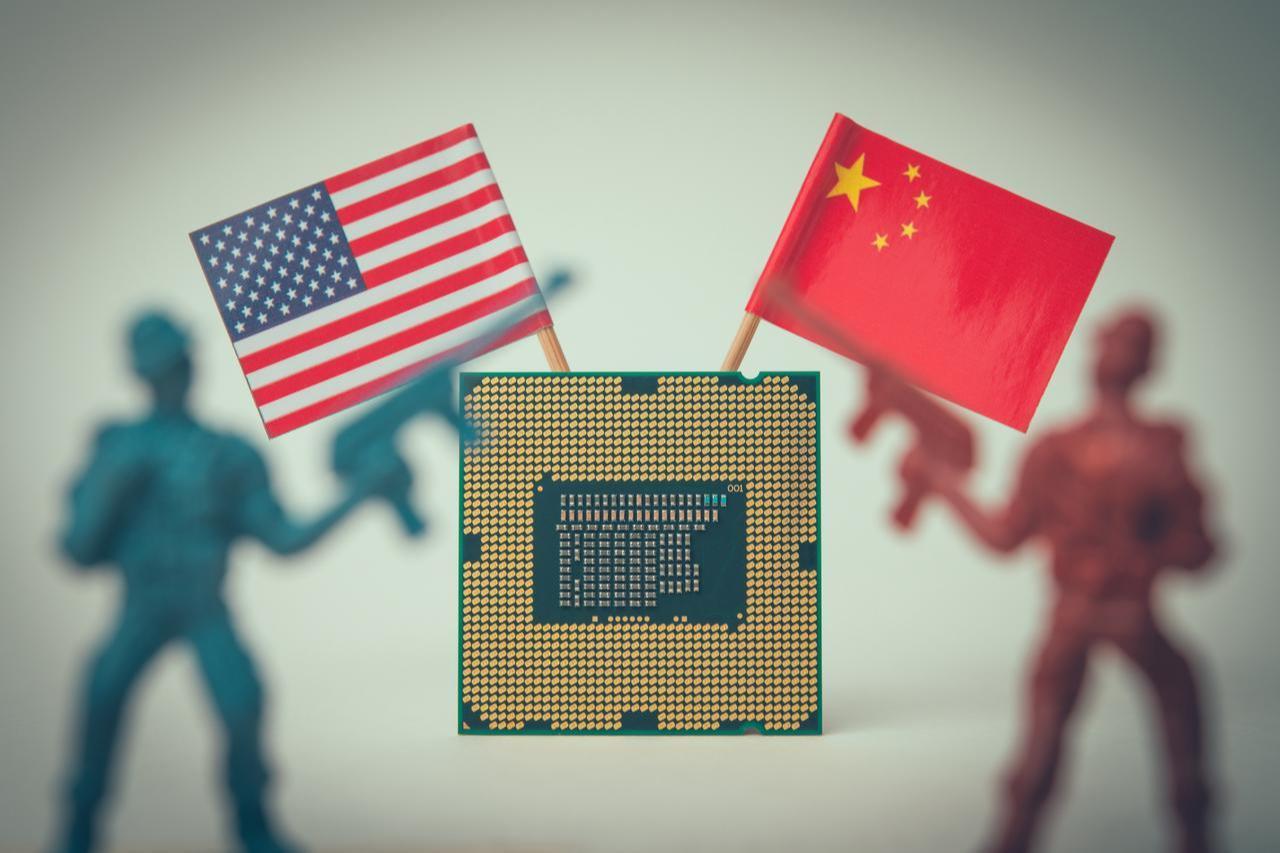
Xi's priority is Taiwan. A $14 billion arms package for the island has been delayed, and Xi is expected to press Trump to stop it, invoking the 1982 Third Communique, which Beijing says Washington has violated for decades.
Paul Heer, a senior fellow at the Chicago Council on Global Affairs and a former U.S. intelligence analyst, doubts Trump will decide before the year ends. Beijing hosts APEC in Shenzhen in November, and Trump hosts the G20 in Miami the month after.
Trump frames artificial intelligence as a contest the United States means to win. "Whoever wins superintelligence wins," he has said, and "we're leading now over China by a lot."
The quieter news came from a weekend meeting between Treasury Secretary Scott Bessent's team and Chinese officials, about half of it on AI. They agreed to an incident hotline for national security matters, a digital red phone, and to talk again at APEC in November. Alvin Wang Graylin of the Asia Society Policy Institute called those two agreements already a successful outcome, noting that the 2024 AI talks produced no follow-up.
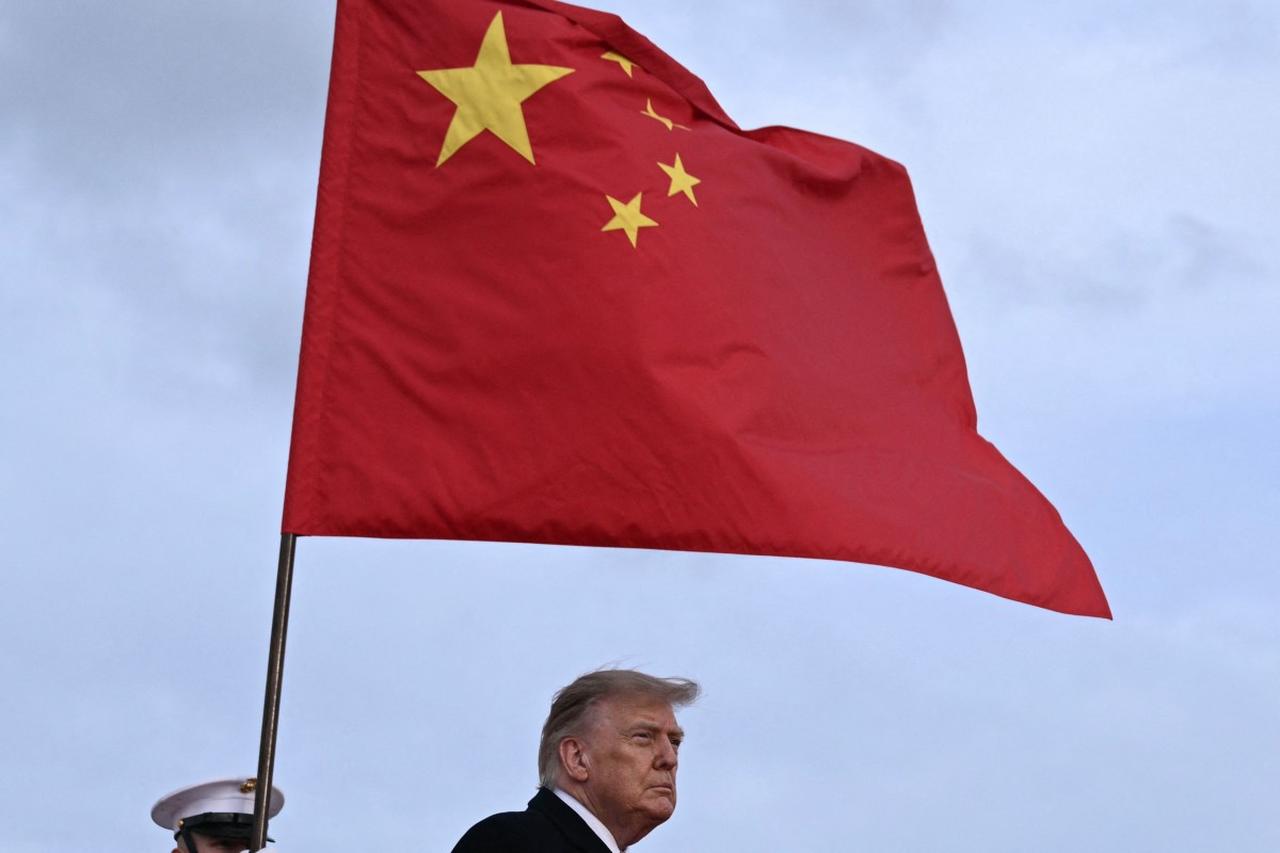
In Beijing in May, the two leaders agreed to pursue "constructive strategic stability." Little has followed, the former analyst said, because each side believes it holds the stronger hand and is maneuvering to avoid concessions.
Werner framed the choice at the summit level: either the meetings give the truce a solid foundation, or both governments are biding their time for a later confrontation. He added that top-level meetings at least hold in check the hostile moves each side's agencies keep making below the leaders.
The greeting is over and the dinner will end. The first hard test is the $14 billion arms package, which makes it the first hard test of the truce through Shenzhen and Miami. That puts the next real decision on Taiwan after the year ends.


 Set as preferred source
 Set as preferred source


 13 min read