Newsletters


Ukraine hopes its campaign to destroy Russian oil refineries will end the war this fall. But the country is also preparing for another winter of Russian attacks on its energy grid, Ukrainian Energy Minister Denys Shmyhal told Politico.
Ukraine and Russia are locked in a battle to destroy each other's energy systems.
Shmyhal described the fight in an interview from his office in Kyiv.
He said the outcome of that battle will shape any future peace talks.
"Putin wants to finish off our energy system and derail our economy and weapons production," Shmyhal told Politico, adding that Russian President Vladimir Putin is also counting on something else. Putin hopes Ukrainian society will break down from exhaustion this winter. That, Shmyhal said, could pressure Kyiv's leadership to accept a surrender.
Shmyhal compared the fight to a boxing match nearing its end.
"It's like the 12th round and each boxer hopes their rival will fall first," he said.
Shmyhal said Russia's aim has shifted this year toward Ukraine's water supply. Last winter, Russian strikes targeted electricity and heating, he said, but people could still get by on gas and water during power outages. He said surviving more than three days without water and sewage service is difficult.
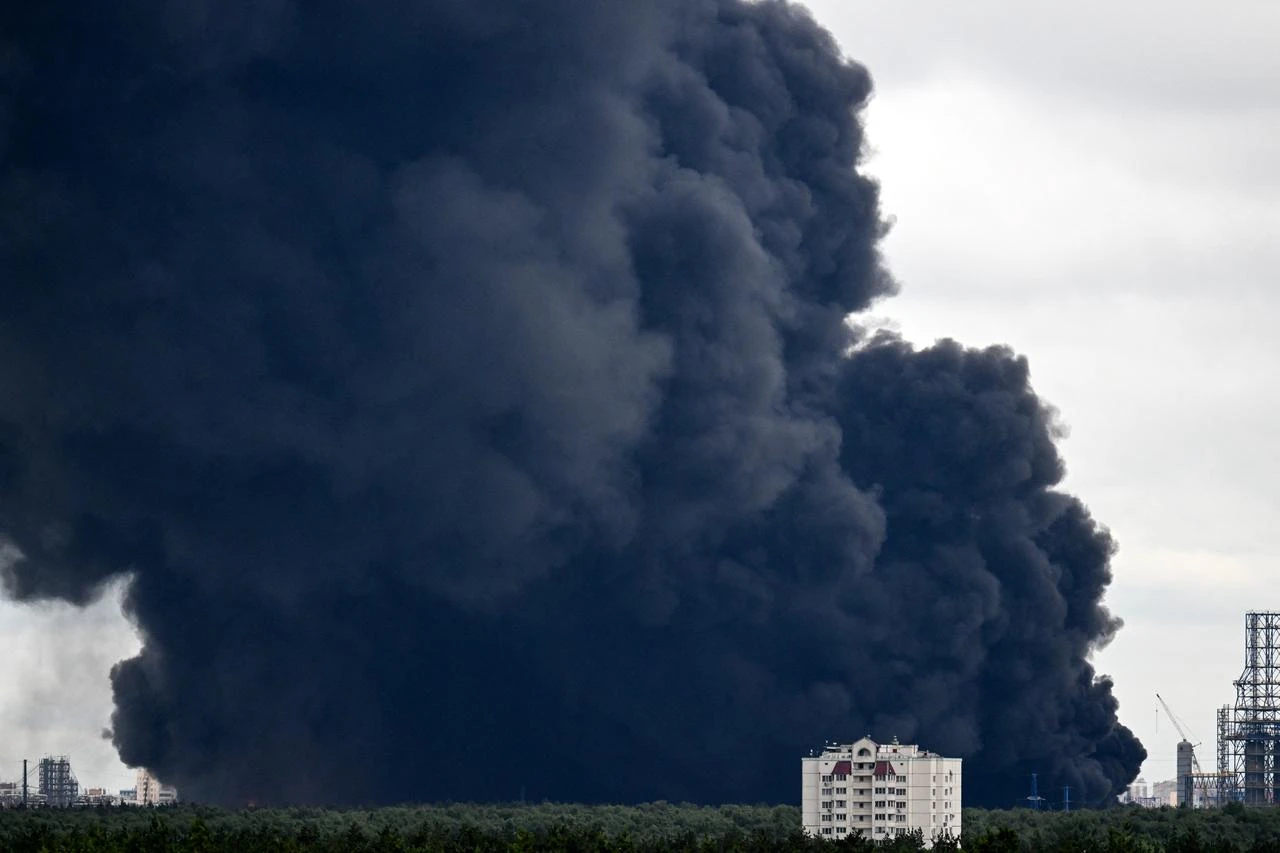
Ukraine has responded with a long-range drone campaign against Russian refineries. That campaign has knocked out about 40% of Russia's primary refining capacity, according to the outlet, and created growing fuel shortages across Russia.
Shmyhal said Kyiv hopes those strikes, combined with sanctions from allies, will pressure Putin to end the war this fall. If that does not happen, he said Ukraine expects another winter of Russian strikes on its energy infrastructure, similar to last year's campaign.
Ukraine's power generation has fallen sharply since Russia's invasion, Shmyhal said. The country produced 54.5 gigawatts of electricity before Russia occupied Crimea in 2014. The full-scale invasion cut that to 32 gigawatts, partly because Russian forces disabled the Zaporizhzhia nuclear plant, Europe's largest. After this year's winter attacks, production fell to about 12 gigawatts, leaving a 6-gigawatt shortfall that has forced rotating blackouts, he said.
"Russians have destroyed or damaged more than 80% of Ukraine's power generation," Shmyhal said.

To get through the winter, Ukraine needs PAC-3 interceptor missiles for its Patriot air defense batteries, Shmyhal said. President Volodymyr Zelenskyy has set a target of 300 interceptors, according to Politico. U.S. stockpiles are low because of the war with Iran, the outlet reported. As a result, Kyiv and its allies are pressing countries such as Spain and Greece to donate their own PAC-3 stocks.
Ukraine is also building protective covers for electricity, water and gas facilities, Shmyhal said. The country is distributing smaller, more dispersed generators and modular boilers, too. Those are harder for Russia to knock out, he said.
Some 40 countries and organizations have donated €2.1 billion ($2.41 billion) to the Ukraine Energy Support Fund. The European Energy Community Secretariat manages the fund. The secretariat issued a statement on the totals Monday.
The fund signed 367 purchase agreements last year. It delivered €447 million in support. Three-quarters of that went toward electricity generation, distribution and transmission, the statement said.
Shmyhal said Ukraine needs an additional €500 million before winter to replace destroyed equipment. He said Kyiv also needs about €400 million to help state gas company Naftogaz recover from Russian strikes. Ukraine is seeking Canadian support for that funding, he said.
"He will bleed, but he will drag us into the winter," Shmyhal said of Putin.
He added that he remains confident Ukraine will get through the season.
Separately, Zelenskyy addressed a meeting of Ukraine's ambassadors Monday.
He said Ukraine is central to Putin's efforts to restore Russian influence over former Soviet states.
"Ukraine is the key piece in this puzzle," Zelenskyy said.
He said Putin wants to weaken Ukraine because doing so would make it easier for Moscow to exert pressure on other former Soviet states.
Zelenskyy also pointed to Ukraine's outreach to Azerbaijan and a visit to Armenia this year. He said stronger regional ties support other countries' independence.


 Set as preferred source
 Set as preferred source


 3 min read