Newsletters


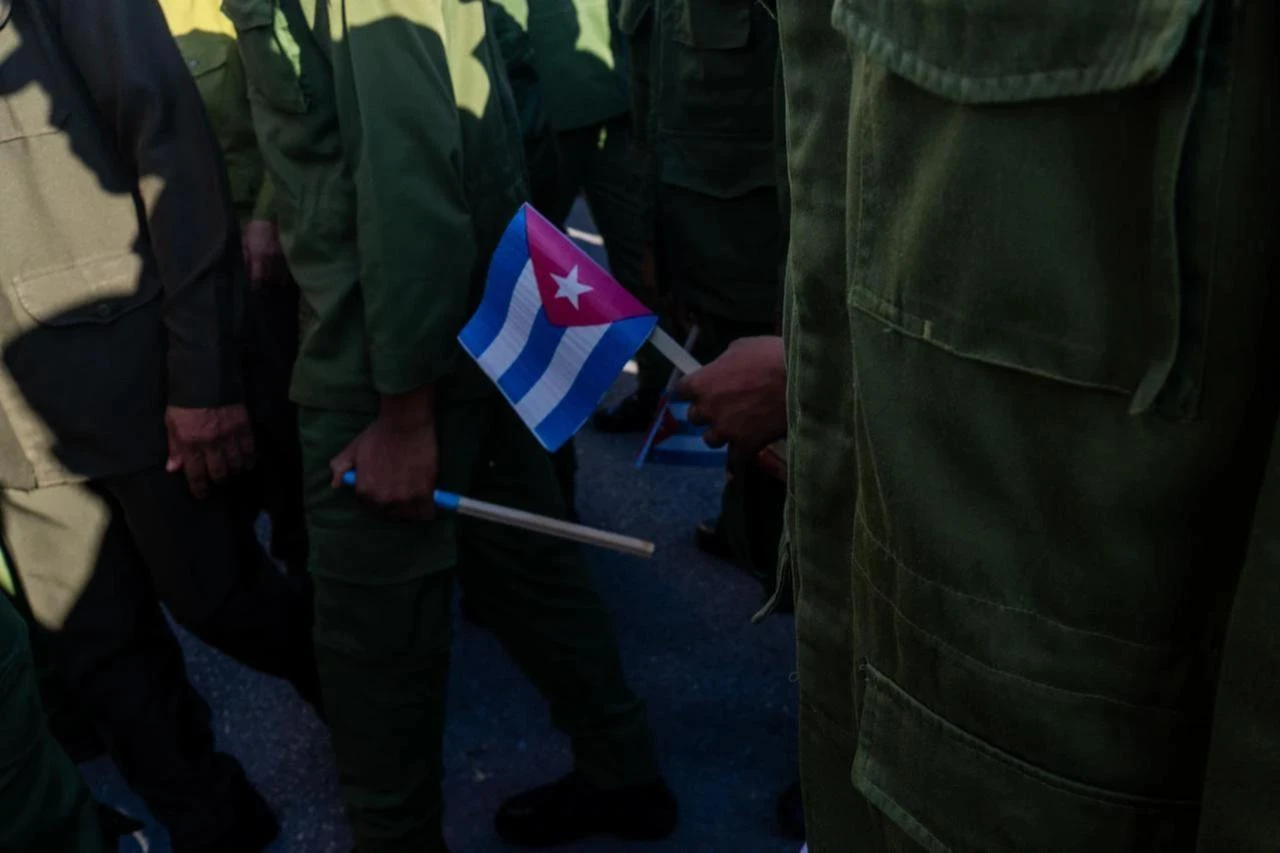


U.S. Secretary of State Marco Rubio is intensifying economic pressure on Cuba, seeking to close off ways for Havana to evade sanctions as the Trump administration prepares additional measures.
Axios reported that Washington has taken about two dozen actions against Cuba since last year, including sanctions on 40 entities and restrictions targeting at least 38 individuals through economic penalties, visa limits and residency revocations.
“What we’re trying to teach them is there are no escape valves,” Rubio told Axios.
President Donald Trump has also not ruled out military action.
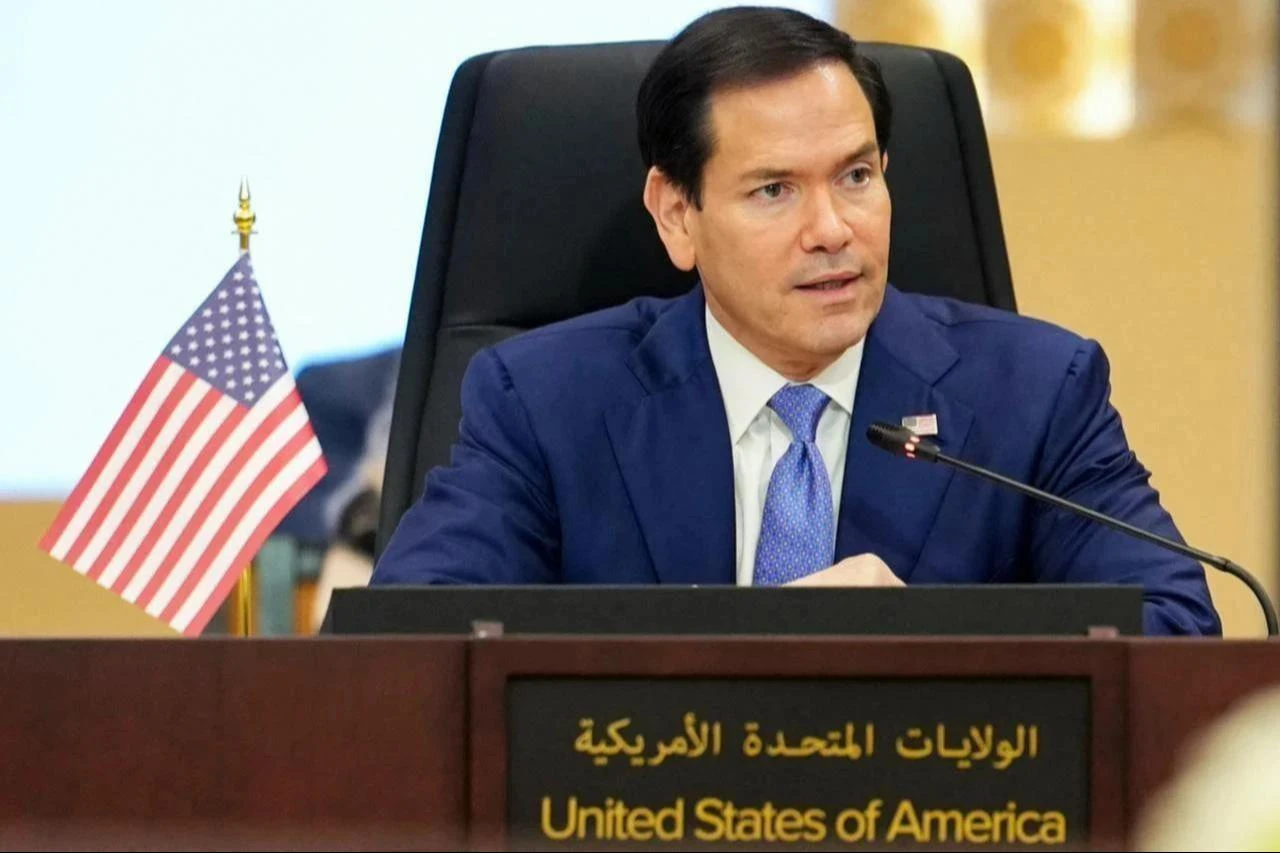

The U.S. has targeted Cuban fuel, banking and mining entities, as well as foreign companies operating on the island. Washington has also pressured other governments to stop supporting Cuba’s overseas doctor program, which the State Department describes as “human trafficking.”
The administration has separately criticized Cuba over human rights, counterterrorism cooperation and what it describes as Havana’s support for anti-capitalist and anti-U.S. political activity.
Rubio said Cuba was trying to buy time through reforms while searching for ways around sanctions.
“Every time they create a new mechanism in which they try to get out of the noose, we just close it off,” he said. “They certainly can’t wait us out.”
Cuba’s prime minister announced Tuesday that the government would permit more private-sector activity than at any time since the 1959 revolution, according to the Miami Herald.
Foreign companies have been pulling back amid sanctions risks, while U.S. fuel exports to Cuba reached $96 million in the first six months of the year, more than half of it in June, according to the U.S.-Cuba Trade and Economic Council.
Council President John Kavulich called the Trump-Rubio campaign the most effective sanctions program against a target country he had seen since the organization was founded in 1994.
Axios reported that Cuba’s difficulties worsened after Trump’s Jan. 3 decision to seize Venezuelan leader Nicolas Maduro.
Venezuela had supplied Cuba with as much as 100,000 barrels of oil a day, while Havana also earned revenue by selling part of those supplies on global markets.
“For the first time in Cuba’s history, Cuba lacks two things they’ve always relied on: an outside sponsor and the U.S.’s lack of attention on it as a top priority,” Rubio said.
Legal pressure has also increased following a U.S. Supreme Court ruling tied to the LIBERTAD Act, which allows U.S. nationals to sue companies accused of trafficking in property confiscated during the Cuban Revolution.
The law also codifies the U.S. embargo, which can be lifted only after Cuba frees political prisoners, guarantees civil rights and holds free elections.
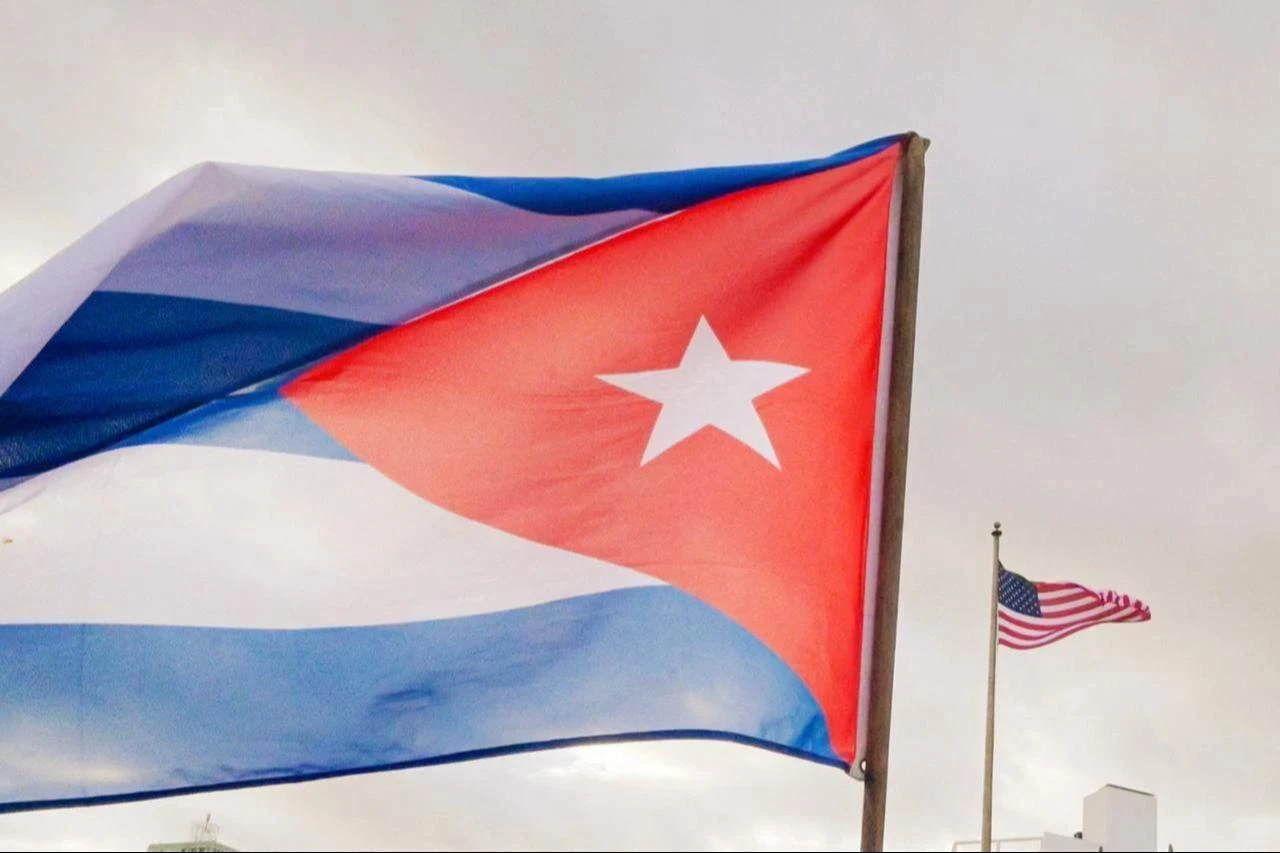
Rubio has held discussions about possible political change in Cuba with Raulito Castro, the grandson of Raul Castro, Axios reported, although it remains unclear whether he could lead a transition government.
The U.S. is also seeking contacts with other Cuban officials and considering how a broader coalition for reform could be formed.
A senior administration official also said reports of a “secret CIA task force” in Cuba reflected “nothing new about this beyond letting the regime know we’re watching.”
The administration imposed additional sanctions Thursday, and Rubio said more measures were coming.
“My level of confidence is that when this administration is over, at a minimum, Cuba will be on an irreversible glide path toward a different future,” he said.


 Set as preferred source
 Set as preferred source


 1 min read
 1 min read