Newsletters


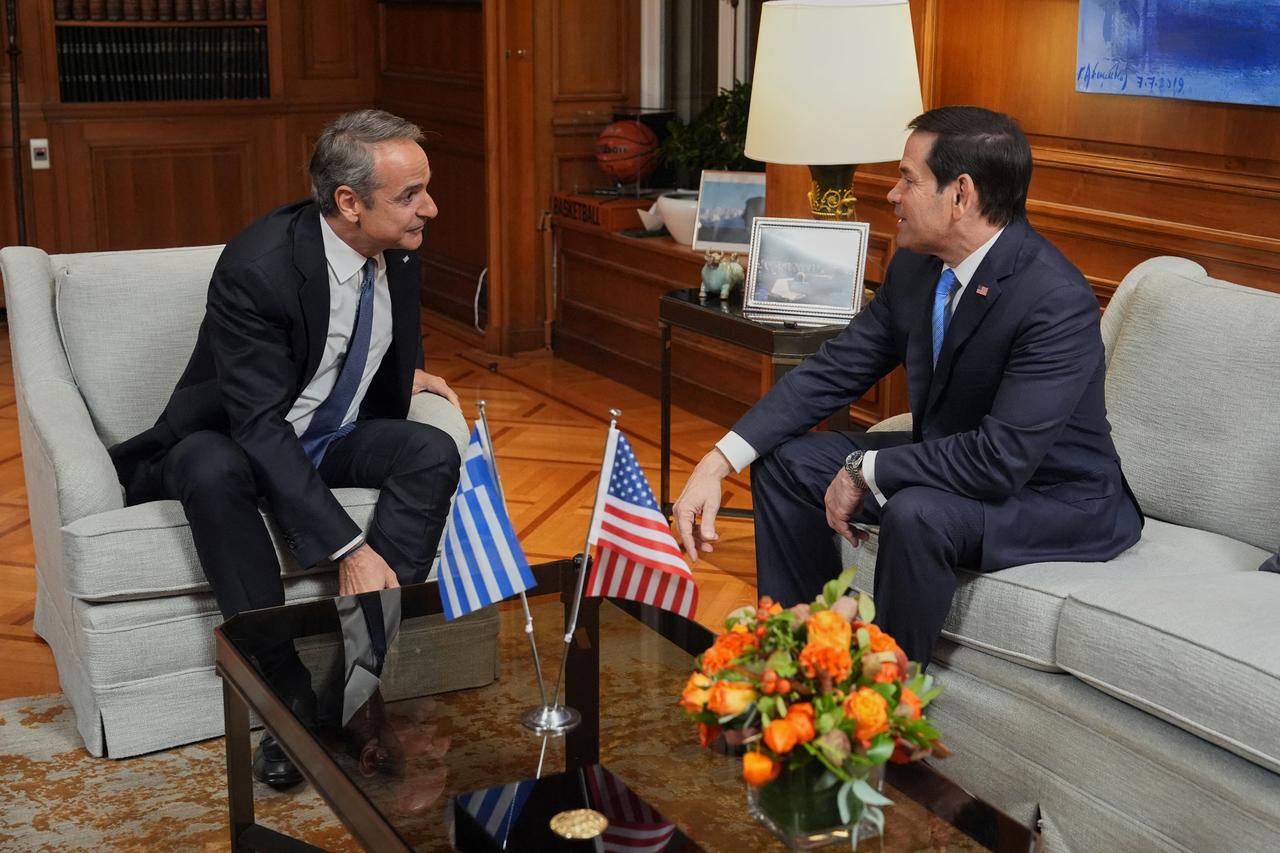


US Secretary of State Marco Rubio delivered a sweeping defense of American "national power" in a speech beneath the Acropolis on Wednesday, telling an audience in Athens that Europe must "awaken from its long slumber" as the West confronts what he described as a historic turning point.
"We are at an inflection point, not only in the history of my nation but an inflection point in the whole of our civilisation," Rubio said. "Either we choose to act now, or lose the choice to act at all."
The remarks came during a European tour that brought Rubio to Greece after a stop in Iceland, with stops planned afterward in Lisbon.
Rubio said the administration of President Donald Trump had already made its choice in the face of renewed global competition.
"We choose the unapologetic pursuit of national power: to take back control of our critical supply chains, to reindustrialise our economy, to rebuild our defence, to fight for dominance of the technologies and industries of the future," he said.
He described a world marked by resurgent threats. "There is new competition between great powers again.
There is vulnerability, aggression, terrorism, a whole universe of new threats and attacks again," Rubio said, adding that allies "must rebuild our institutions and our alliances to face these threats together."
He pointed to what he called encouraging developments across Europe, including "skyrocketing defence spending, a flurry of new partnerships and programmes, expanded manufacturing and production," and expressed hope the continent was entering what Washington wants to be "a generational shift."
Invoking ancient Greek history, he said he believed "Europe can awaken from its long slumber and rekindle the fire that was lit here millennia ago."
The speech followed remarks Rubio made in February, in which he argued Europe was threatened by mass immigration and urged it to defend Christian civilization.
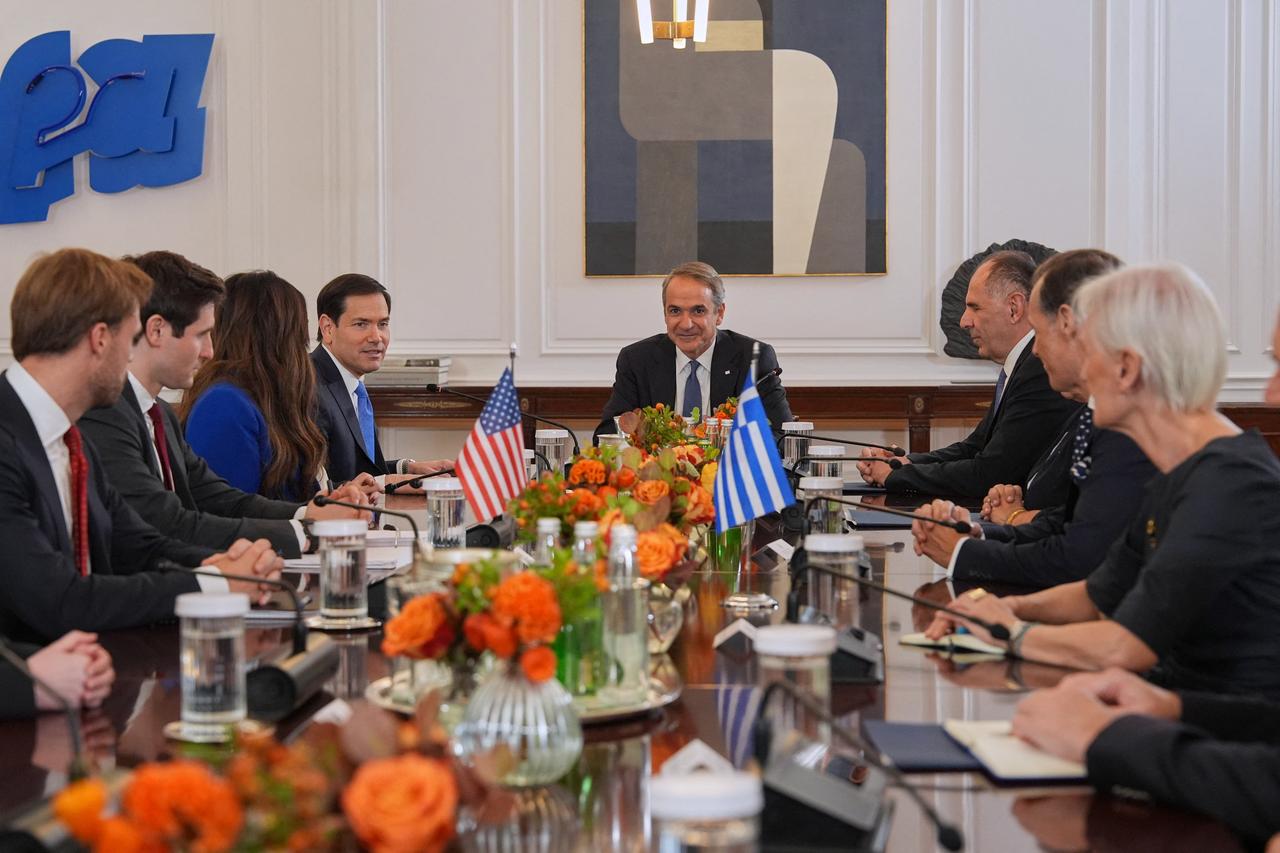

Earlier in the day, Rubio described the US-Greece alliance as "critical," pointing to cooperation in the energy sector and announcing a new joint agreement on information-sharing related to drug trafficking and terrorism.
"As you see a world that faces destabilising events, you recognise how important this alliance with Greece is to the United States," he said, citing the war in Ukraine and conflict in the Middle East.
On the Middle East, Rubio said Iran had "lost complete control" of the Strait of Hormuz, a strategic waterway for global oil shipments, as Washington continues to navigate the aftermath of the conflict with Iran weeks ahead of US midterm elections.
The comments came as Rubio took part in a "strategic dialogue" with Greek officials on regional and energy security, a day expected to culminate in an evening meeting with conservative Greek Prime Minister Kyriakos Mitsotakis before Rubio's departure for Lisbon on Thursday.
The wars in Ukraine and the Middle East have underscored the vulnerability of global energy supply routes, and Greece has sought to position itself as an energy hub for southeastern Europe. Newly opened gas pipelines and port infrastructure have allowed the country to feed into an energy corridor running through eastern Europe toward Ukraine.
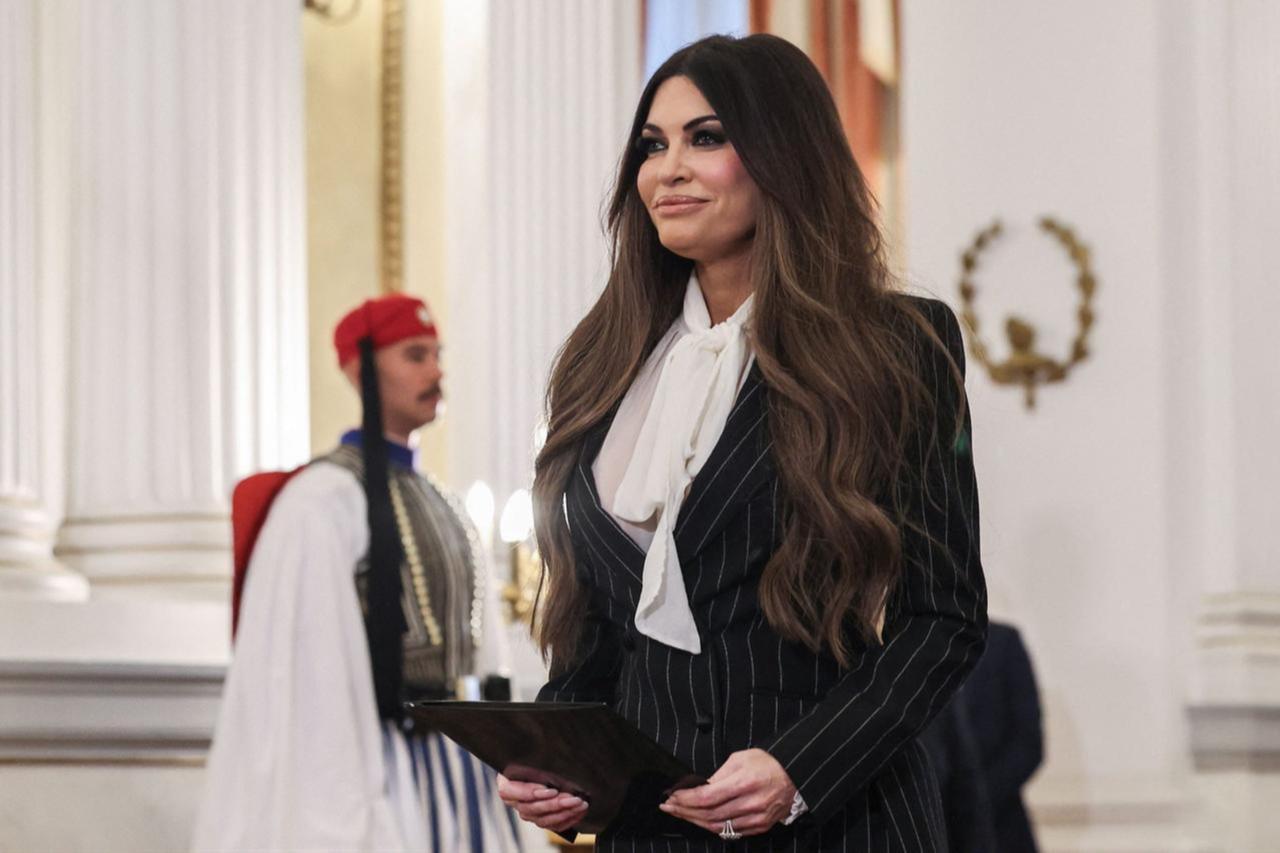
Rubio's visit unfolded against a backdrop of controversy surrounding Kimberly Guilfoyle, the US ambassador to Greece and a former fiancee of Donald Trump Jr.
US media reports in recent days have examined possible conflicts of interest involving Guilfoyle, with several Democrats accusing her of promoting the commercial interests of a Greek construction and energy company during official diplomatic engagements.
She has also faced accusations of repeatedly allowing a registered lobbyist for that company to take part in meetings with senior US officials.
Asked about the allegations, Rubio declined to answer directly but reaffirmed his support for Guilfoyle, a former Fox News host.


 Set as preferred source
 Set as preferred source


 1 min read
 1 min read