Newsletters





Ukraine has cut its 2026/27 grain export forecast by up to 12% after Russian attacks disrupted Black Sea ports, raising concerns over global food security.
Ukraine now expects to export 38 million to 40 million tons of grain in the July-June season, down from a previous forecast of 43 million tons, Agriculture Policy and Food Minister Taras Vysotskyi told Reuters on Monday.
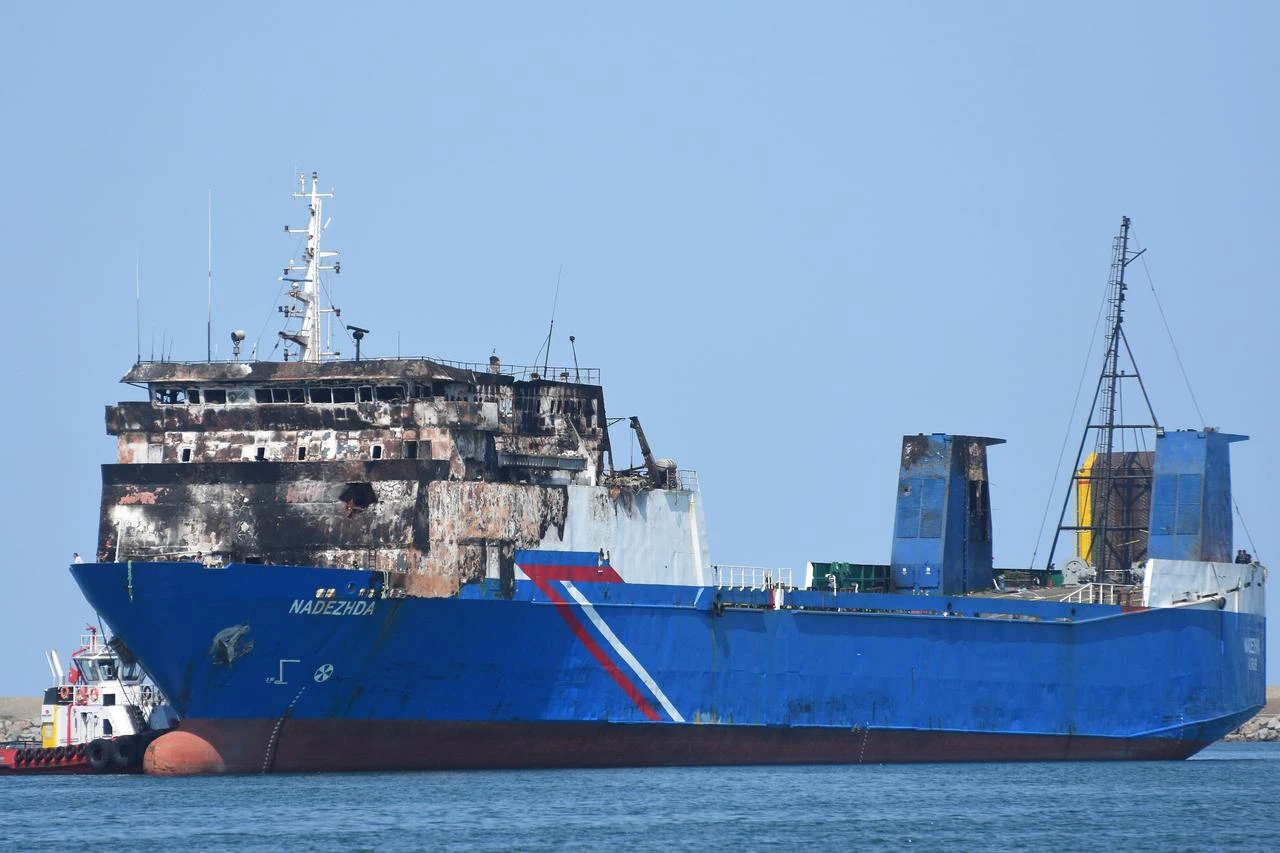
The revised forecast comes after Russian attacks on Ukraine's southern Odesa port hub effectively halted shipments from the country's key Black Sea ports in late July.
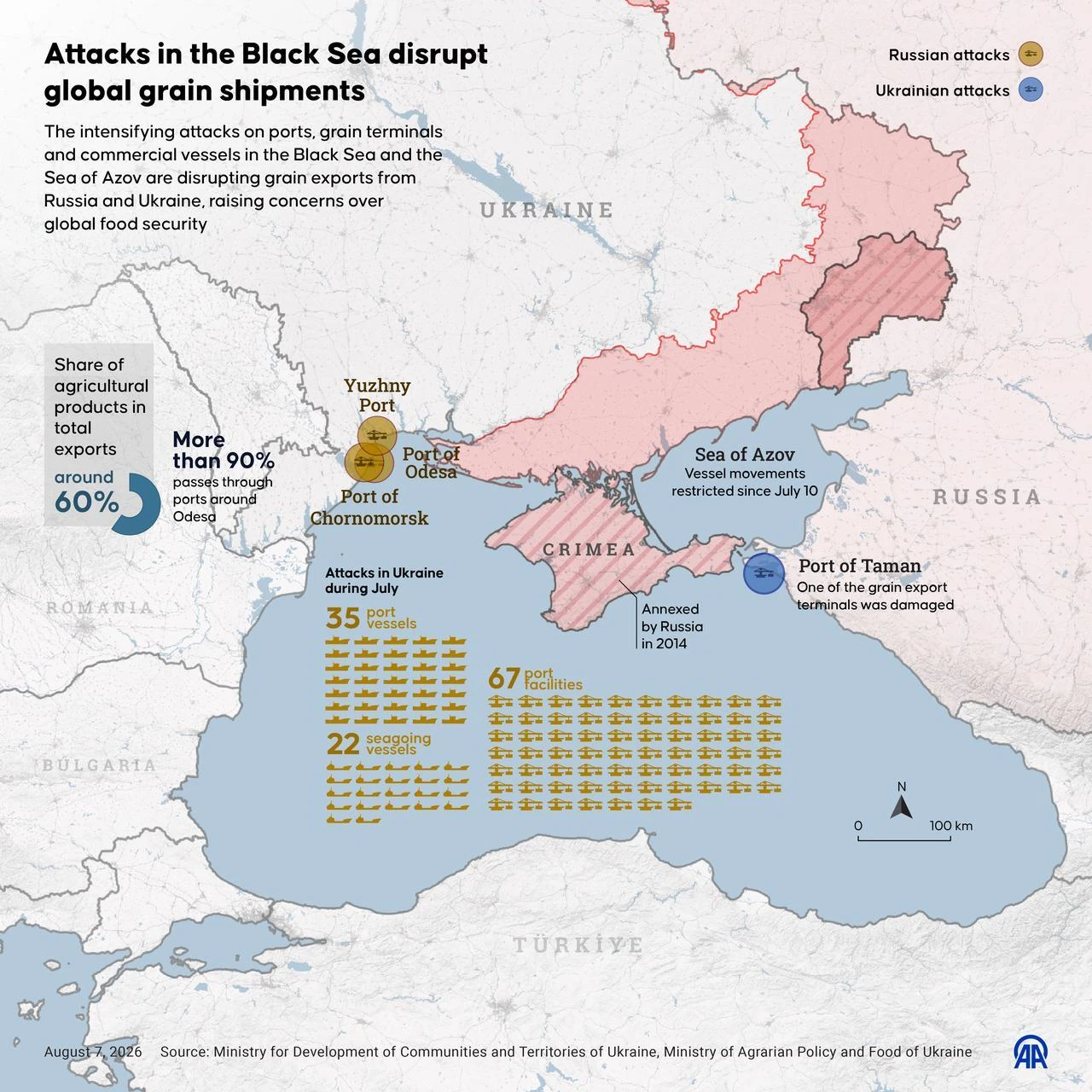

Russia has attacked Ukrainian Black Sea ports, export terminals, and vessels entering and leaving the ports almost daily in recent weeks.
More than 90% of Ukraine's grain exports normally move through seaports, with Odesa and surrounding ports serving as the country's main agricultural export route.
Commercial traffic at the ports of Odesa, Chornomorsk, and Yuzhny has largely halted since the second half of July as security risks increased.
Vysotskyi said shipowners temporarily stopped sending vessels to Ukrainian Black Sea ports to load agricultural products from July 22.
He said alternative export routes would not reach full capacity until the end of August.
Even at full capacity, land and river routes would handle less than half the volume normally shipped through Ukraine's Black Sea ports, Vysotskyi said.
The disruption could create an 11 million-ton grain storage shortfall, Ukraine's agriculture ministry said Monday.
Earlier this month, Vysotskyi said losses to Ukraine's agricultural sector from the port blockade could reach $3 billion.
The ministry's revised forecast broadly matches an estimate from APK-Inform, which cut its own grain export forecast by 8.6% to 39.4 million tons because of export disruptions.
The consultancy lowered its forecasts for wheat, corn, and barley exports to 13.5 million tons, 24 million tons, and 1.5 million tons, respectively.
Ukraine's grain and oilseed production is expected to rise from 80 million metric tons last year to 81 million this year. Agricultural products account for around 60% of the country's total exports.
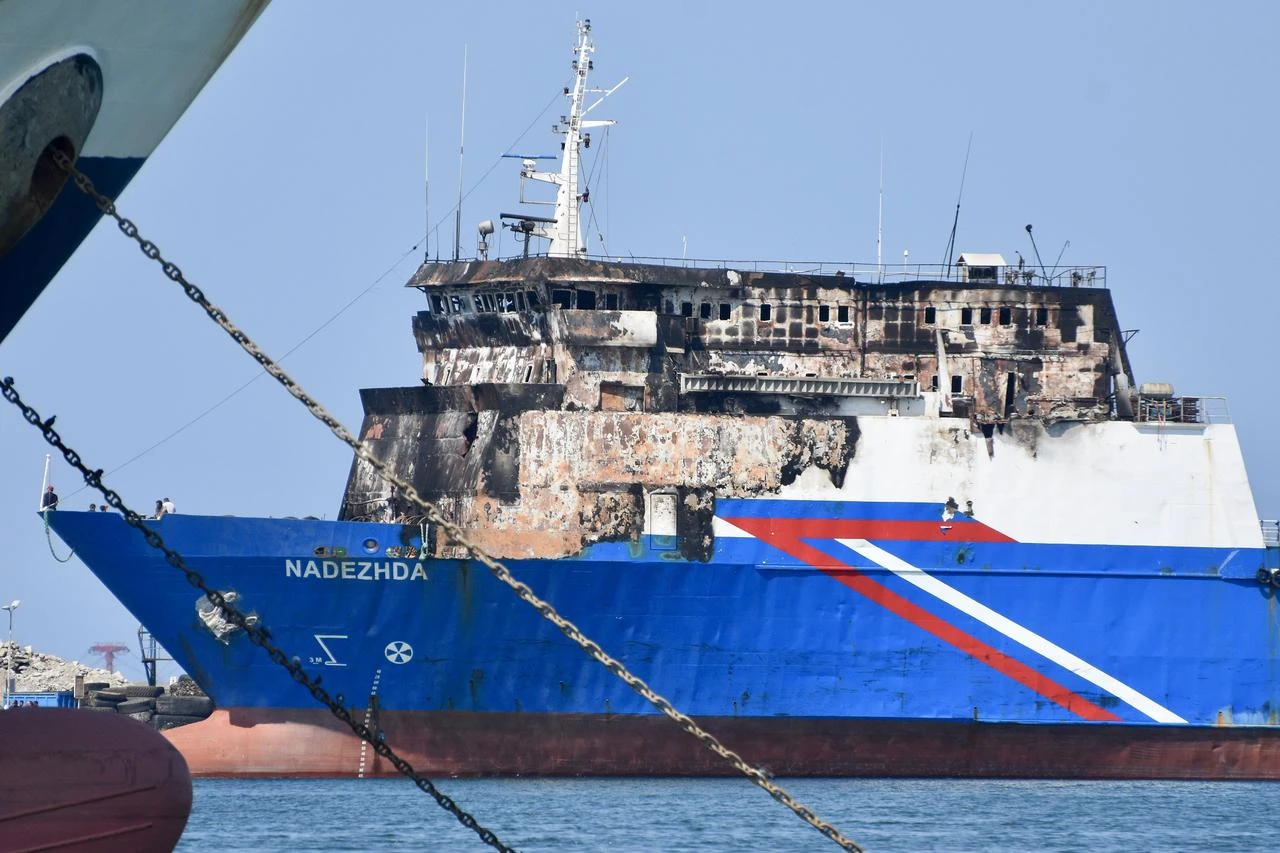
Ukraine's Infrastructure Ministry reported that 35 attacks targeted ships in ports, 22 targeted ships at sea, and 67 targeted port facilities in July. Ships in Ukrainian ports were targeted 14 times throughout 2025.
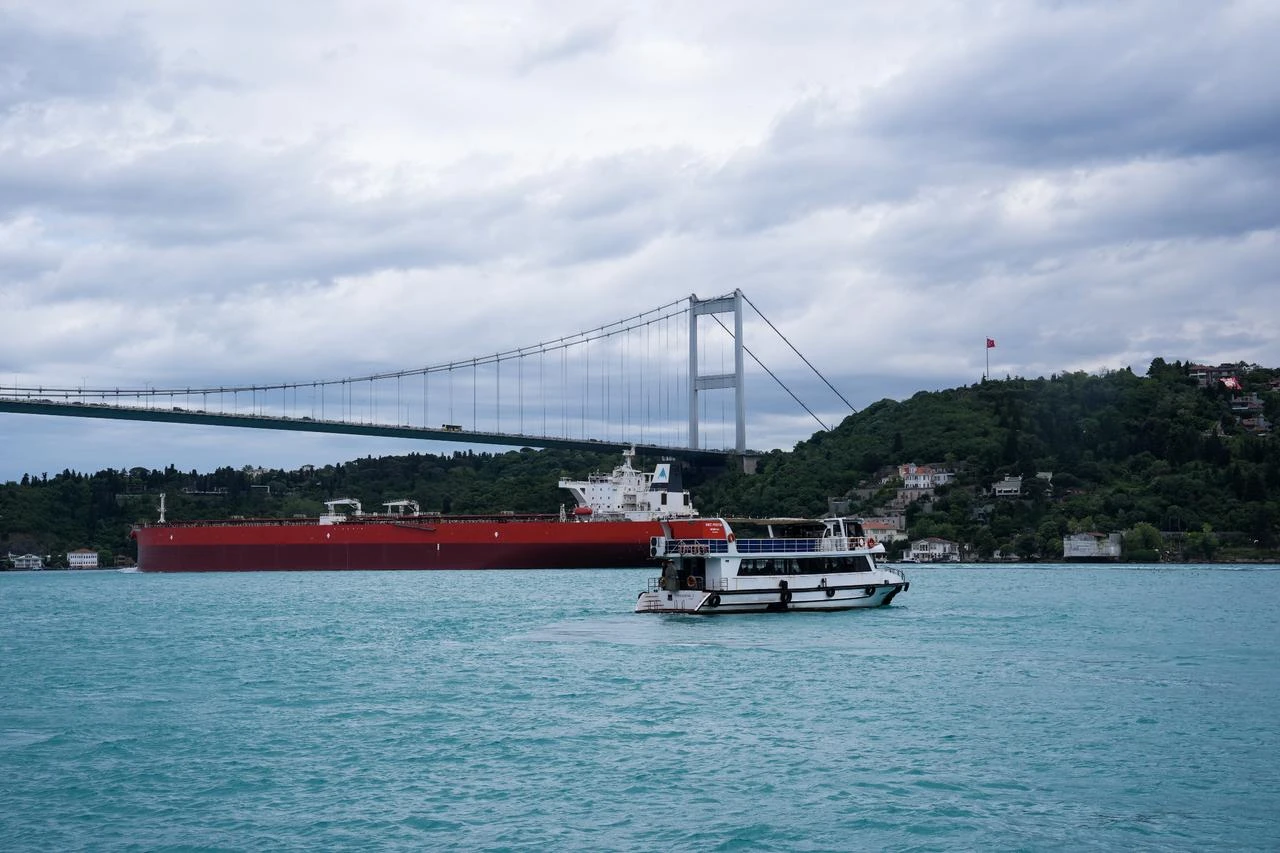
Danish shipping company Maersk temporarily suspended its feeder service via Chornomorsk because of security risks. It has rerouted cargo from the port to Romania's Constanta, while existing export bookings may be canceled or the loading port may be changed to Constanta.
Russia's Defense Ministry says targets struck in attacks on Ukrainian ports and ships were used for military purposes.
Kyiv says a significant portion of the targeted facilities and vessels were used for civilian trade and agricultural exports.
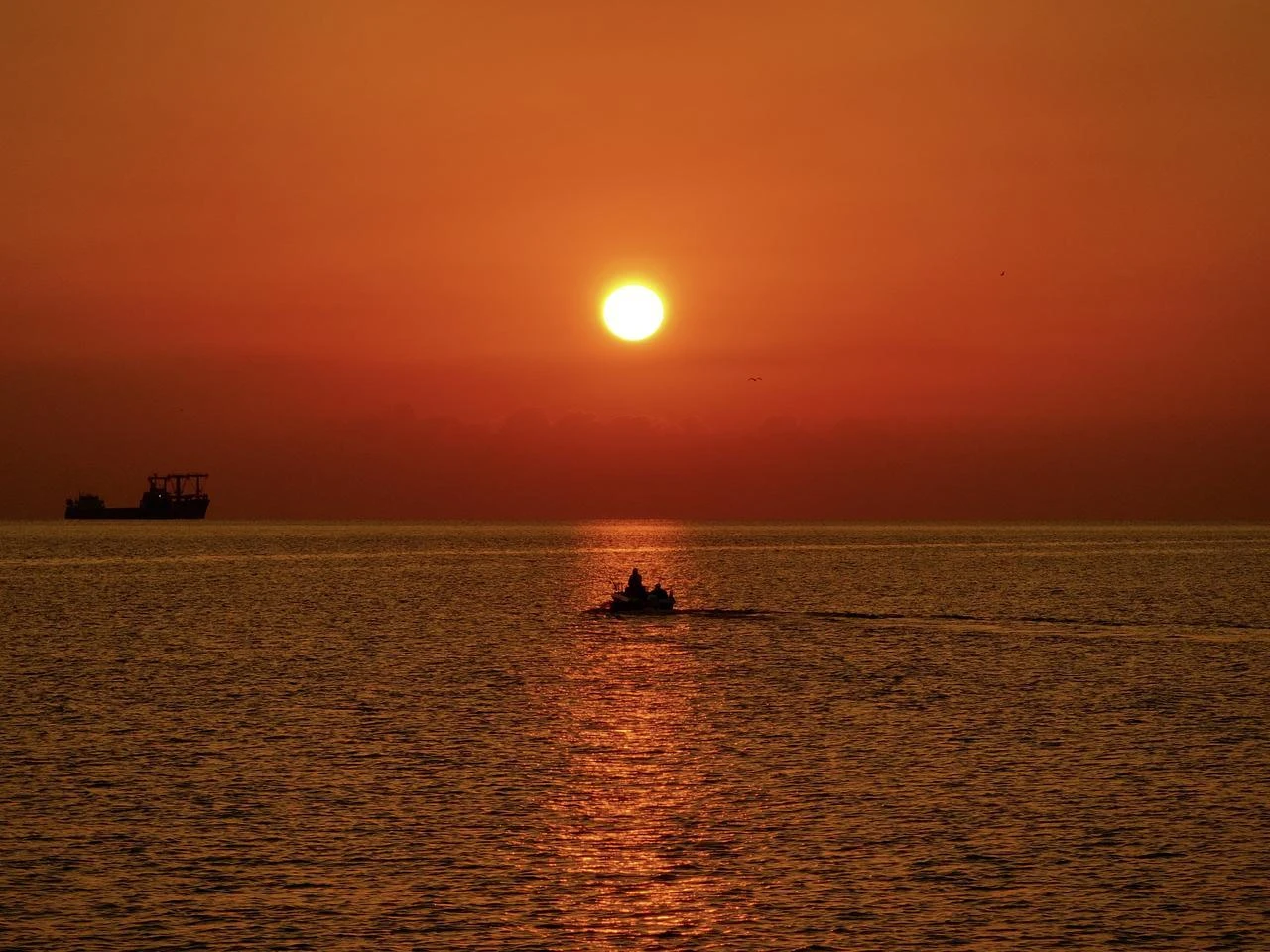
Ukraine has also increased drone attacks on Russian ports, grain terminals, and commercial vessels along the Black Sea and Sea of Azov coasts.
Russia's major grain export terminals at the Taman port were reportedly attacked, while some terminals along the Black Sea coast have limited grain intake by land transport because of security risks.
Restrictions on ship movements in the Sea of Azov imposed from July 10 have also affected operations at Taman. Grain shipments continue from Novorossiysk and Tuapse, although loading speeds have slowed because of security measures and operational restrictions.
The Rusgrain Union warned that attacks on commercial vessels and port infrastructure threaten Black Sea shipping and that export corridors could close if the conditions persist.
Both Moscow and Kyiv deny accusations of targeting civilian ships and port infrastructure and say they are attacking targets linked to military activities.
If tensions in the Black Sea and Sea of Azov continue, disruptions to grain shipments could increase price and supply pressures, particularly in African and Middle Eastern countries that rely on imports from the region.


 Set as preferred source
 Set as preferred source


 1 min read
 1 min read