Newsletters


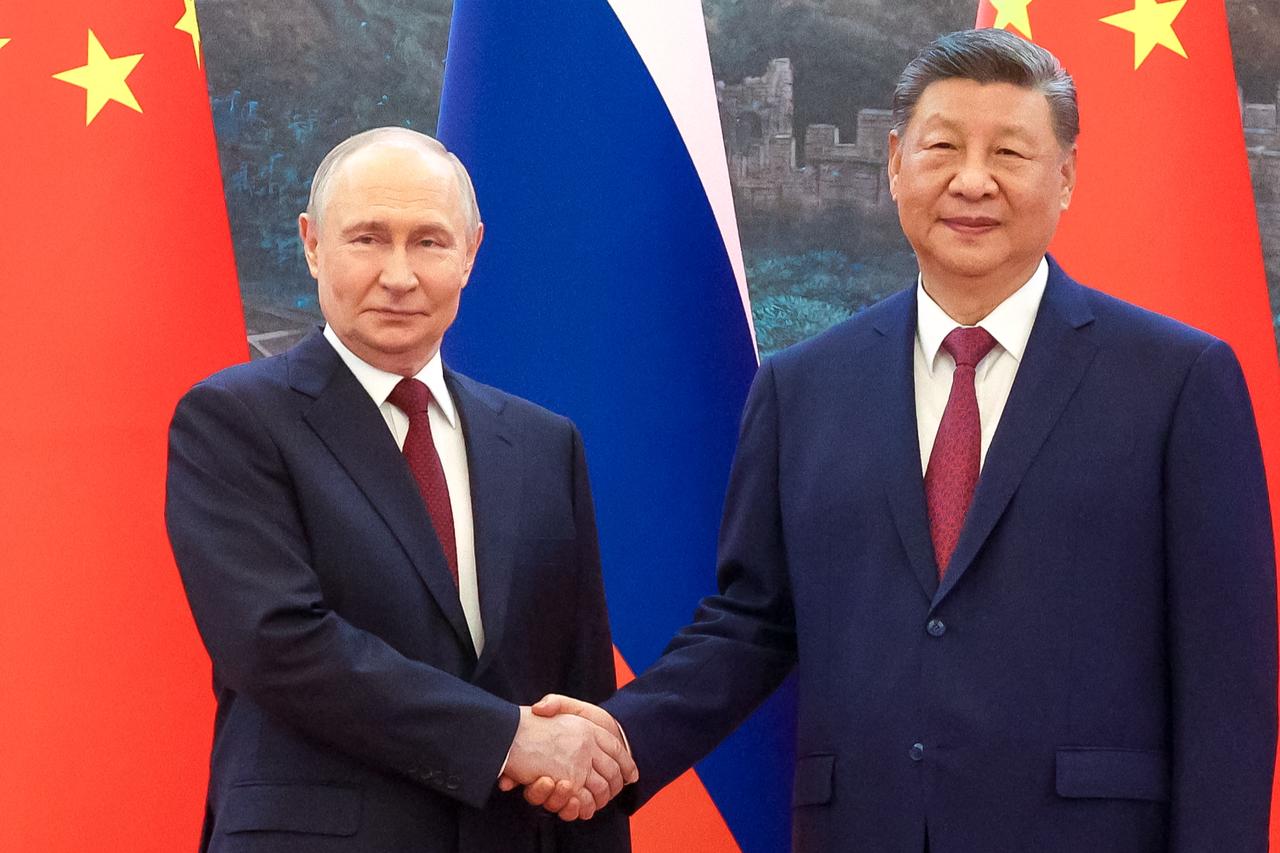


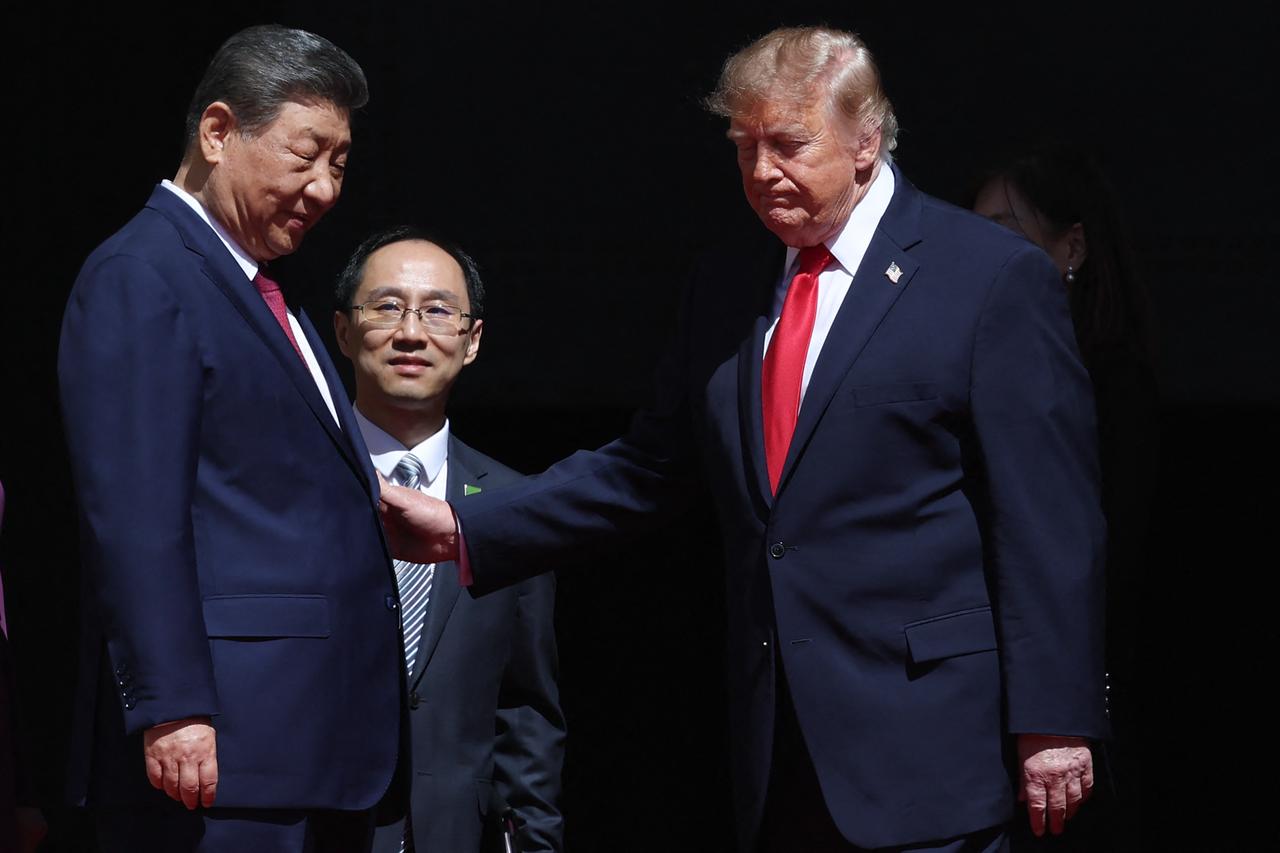
Chinese President Xi Jinping and Russian President Vladimir Putin stepped up strategic coordination in Beijing on Wednesday, with Xi calling for a “more just” global order during talks held days after U.S. President Donald Trump visited China amid the ongoing U.S.-Iran war.
Putin was welcomed at the Great Hall of the People before the two leaders sat down for meetings expected to cover trade, energy cooperation, the Ukraine war and rising tensions in the Middle East.
The Russian president arrived with a large delegation that included deputy prime ministers, ministers and business executives, while both sides prepared to sign a joint statement and several cooperation agreements.
In the opening remarks, Xi described the global situation as "fluid and turbulent" and warned against the return of "unilateralism and hegemonism," according to China’s state-run Xinhua news agency. The Chinese leader called for stronger long-term coordination with Russia to help shape a "more just and reasonable" system of global governance.
Xi also stressed that a complete halt in hostilities in the Middle East was of "utmost urgency," warning that continued fighting could further disrupt energy markets and global supply chains.
Putin called relations with China "at an unprecedentedly high level" and referred to Xi as a "dear friend." He added that Russia-China ties had become a model of strategic partnership and pointed to sharp growth in bilateral trade over the past 25 years.
Despite geopolitical pressure and external challenges, economic cooperation between the two countries continued to show "robust dynamics," Putin remarked. The Russian leader also highlighted expanding cooperation in agriculture, transportation, technology and education, while praising visa-free travel arrangements between the two countries.
Putin added that Moscow and Beijing would continue coordinating closely through forums including BRICS, the G20 and the Shanghai Cooperation Organization.
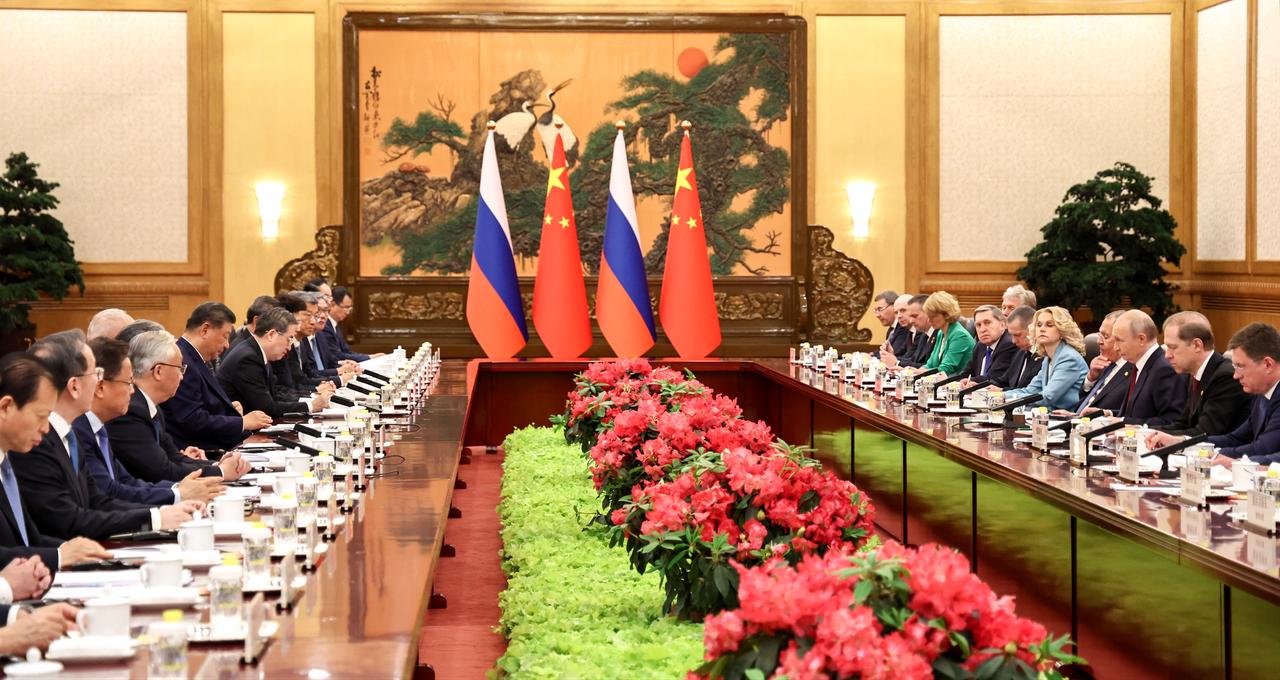

The visit coincided with the 25th anniversary of the Treaty of Good-Neighborliness and Friendly Cooperation signed by Putin and former Chinese President Jiang Zemin in 2001, a pact both sides agreed to extend during Wednesday’s talks as Beijing and Moscow pushed to institutionalize their long-running strategic partnership further.
One of the key issues on the agenda was the proposed Power of Siberia 2 natural gas pipeline through Mongolia, which Russia hopes will unlock additional gas exports to China and deepen energy cooperation at a time when Moscow continues redirecting trade flows toward Asia following Western sanctions tied to the Ukraine war.
The two sides also signed 20 cooperation agreements spanning energy, trade, transportation, technology and international coordination, according to Chinese officials speaking at the signing ceremony. Russian officials noted that details surrounding the pipeline remain under negotiation and that no clear timeline has been finalized for the project.
Trade between Russia and China has surged since the start of the Ukraine conflict, reaching more than $240 billion in 2023 and remaining above the $200 billion mark for several consecutive years. Putin noted that bilateral trade had expanded more than thirtyfold over the past 25 years despite what he called “adverse external factors.”
Energy remains the backbone of the relationship, with Putin stressing that Russia continues to act as a reliable supplier while China remains a stable consumer even during Middle East crises that threaten global markets.
China now absorbs roughly half of Russia’s crude oil exports, according to 2024-2025 estimates, while both countries continue to expand cooperation in industry, transportation, agriculture, and high technology.


 Set as preferred source
 Set as preferred source


 1 min read
 1 min read