Newsletters


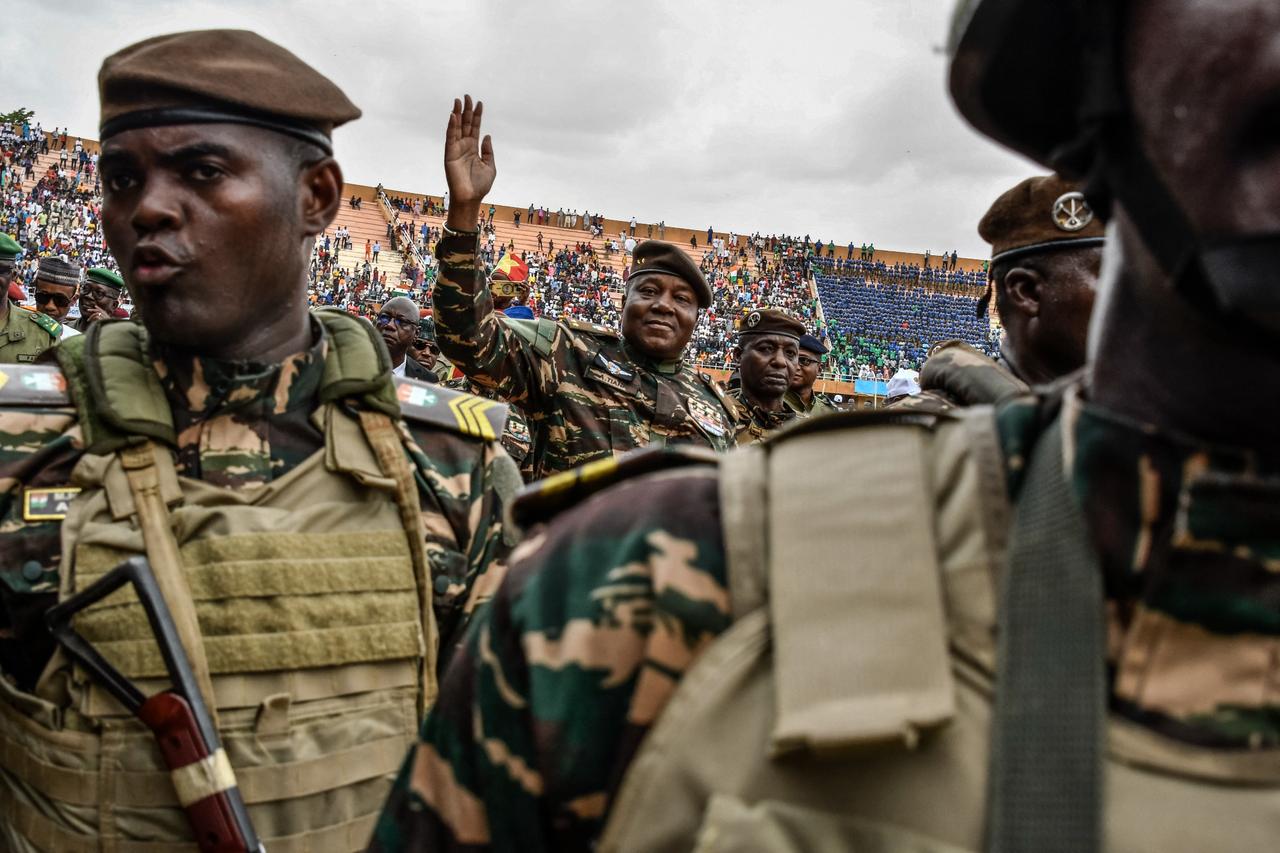


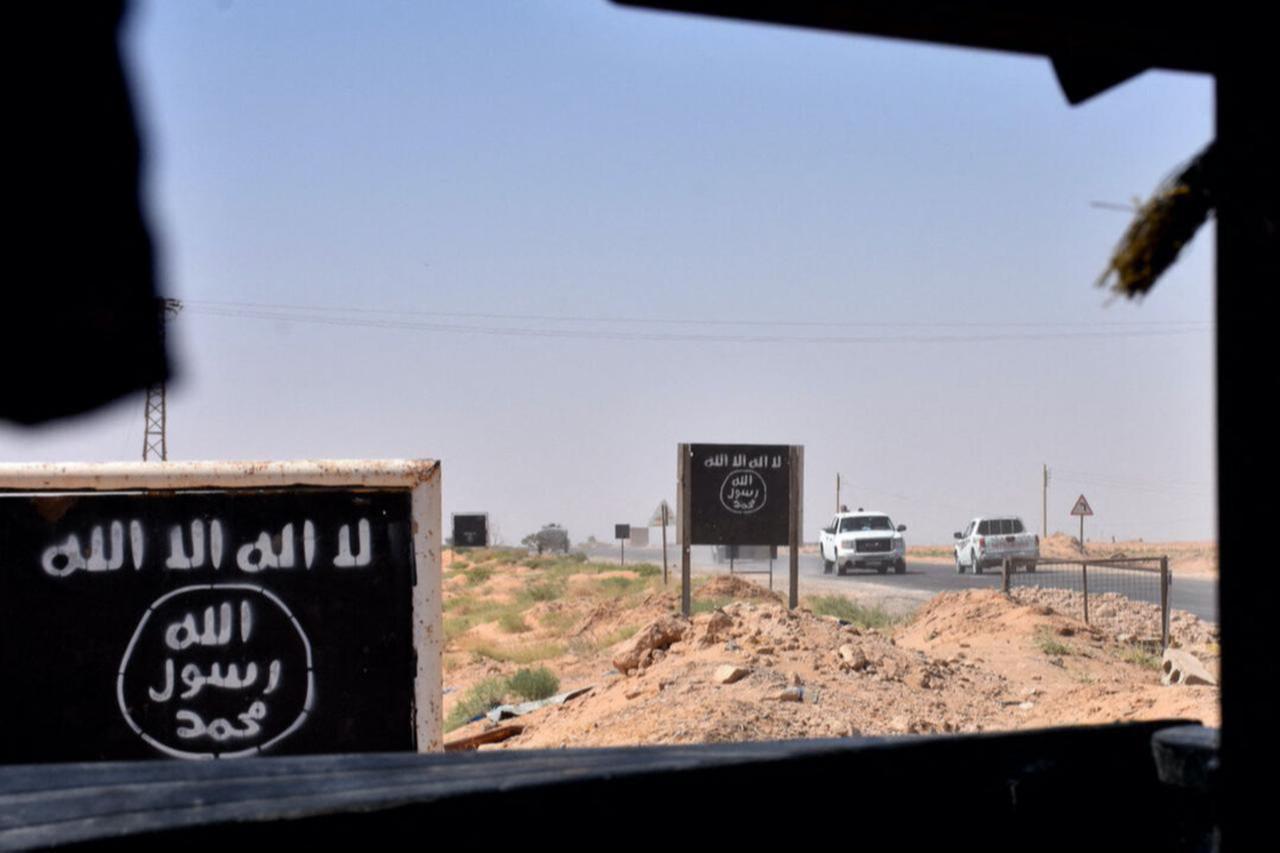
Russian military personnel helped Nigerien forces defend the capital's main airport against an assault claimed by the Daesh last week, Moscow confirmed Monday, marking a rare public acknowledgment of Russian combat operations in Africa's Sahel region.
The attack on Niamey's airport, which also houses a military base, left 20 attackers dead and four Nigerien soldiers wounded, according to Niger's ruling junta. The African Corps, a Russian Defense Ministry unit, fought alongside Nigerien forces to repel the assault, the Russian Foreign Ministry said in a statement.
"Moscow strongly condemns this latest extremist attack," the ministry added.

Following the attack, Niger's military leader Abdourahamane Tiani visited the Russian military base in the country to personally thank the forces for what the ministry described as "a high level of professionalism."
Niger's junta made additional claims about the attack's sponsors, accusing Benin, France and Ivory Coast of backing the assault, though it provided no evidence for these allegations.
The public confirmation represents an unusual disclosure from Russia, which rarely comments on its military activities in the Sahel region. Moscow has steadily increased its influence across the area following a series of anti-Western military coups in recent years.
Beyond Niger, Russian troops or military instructors have been reported in Burkina Faso, Equatorial Guinea, the Central African Republic and Libya. The African Corps has replaced the Wagner paramilitary group as Moscow's primary military instrument on the continent.
According to Moscow, the corps contributes to "fighting terrorists" and "strengthening regional stability" in the Sahel, a vast semi-arid region south of the Sahara that has become a focal point of extremist insurgencies.
Nigerien authorities have been fighting two major extremist organizations for approximately a decade: the Al-Qaeda-linked Group for the Support of Islam and Muslims and the Daesh in the Sahel. These groups operate primarily in Niger's western and southeastern regions.
Russia's growing engagement in Africa comes as Moscow faces diplomatic and economic isolation from Western nations following its invasion of Ukraine. The Kremlin has sought to build new partnerships across the African continent, expanding its political, economic and military footprint in multiple countries.


 Set as preferred source
 Set as preferred source


 4 min read