Newsletters


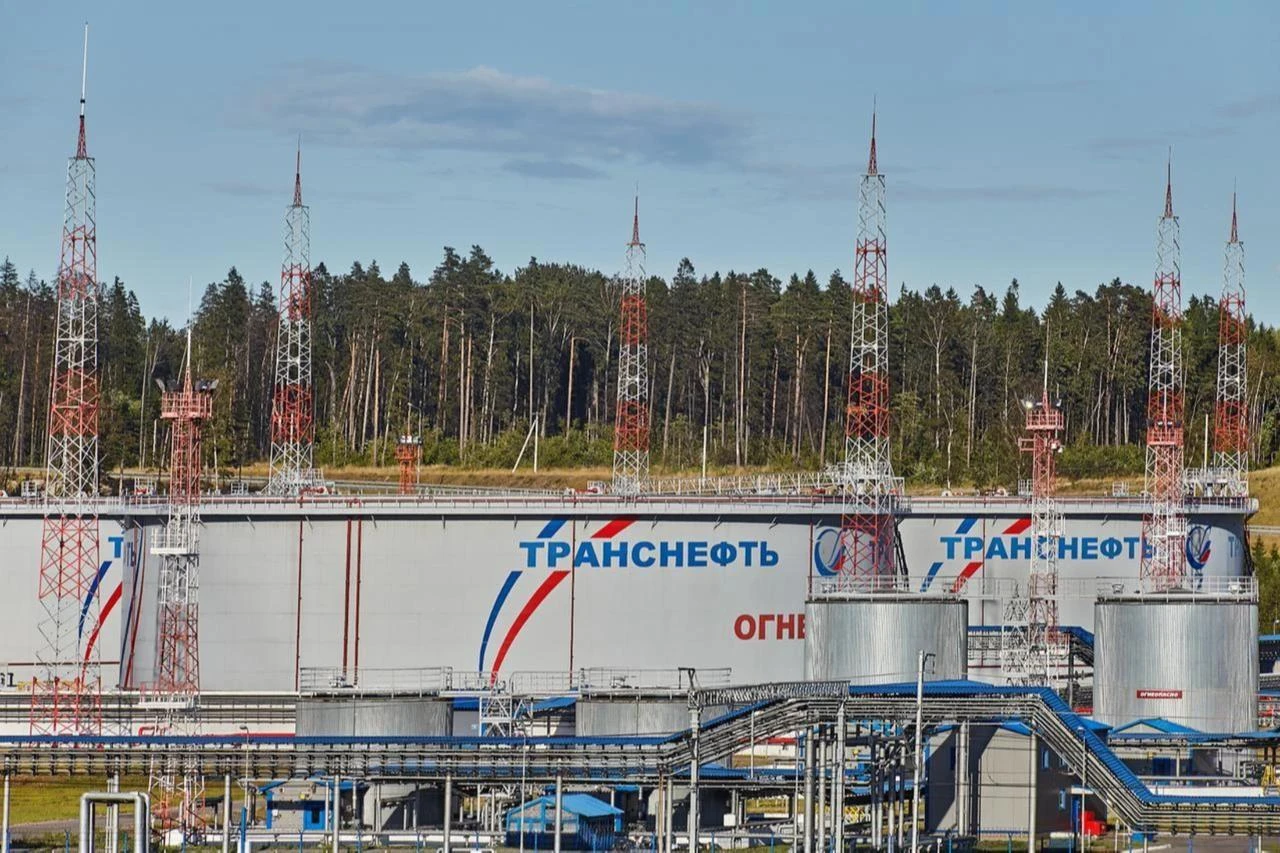


Russia's government said Thursday it was extending a sweeping ban on fuel exports, including gasoline, diesel, marine fuel and gasoil, through January 31, 2027, citing the need to protect supplies for domestic consumers as the country grapples with a deepening energy crisis fueled in part by Ukrainian strikes on its refining infrastructure.
The new restrictions take effect August 1, replacing the existing export ban, which had been set to expire later this year.
"The decision was made to maintain a stable situation in the domestic fuel market," the government said in a statement published on its official website.
The announcement formalized what Deputy Prime Minister Alexander Novak had telegraphed earlier this month, when he indicated that Russia intended to extend the gasoline export ban through the end of 2026.
The government's formal decree pushed the deadline a month further, to the end of January 2027, broadening the timeline of restrictions that have been progressively tightened since the spring.
Russia first imposed a full ban on gasoline exports on April 1, 2026.
A ban on diesel exports by non-producers, such as fuel traders, followed in early July, before authorities extended the prohibition to producers as well, covering the entire market.
Jet fuel exports had already been restricted separately. The cumulative effect has been to shut Russian fuel off from foreign buyers across the board.
The export controls have been driven in large part by damage to Russia's refining network.
Ukrainian drone attacks on oil refineries have taken significant processing capacity offline across central Russia and other regions, forcing shortages at filling stations and prompting authorities to introduce emergency measures, including temporarily relaxing fuel quality standards to allow the sale of lower-grade petrol and diesel.
Novak acknowledged that fuel supply disruptions stemmed partly from changes in logistics, with the situation described as gradually stabilizing while difficulties persisted in certain regions.
Russia also moved to prioritize fuel deliveries to Moscow following shortages and queues reported at stations across the country.
While the gasoline restrictions have been locked in through January, the government signaled more flexibility on diesel.
Novak indicated that the diesel export ban would be lifted as the domestic market recovers, to prevent refineries from struggling with oversupply and reduced processing volumes once local demand is met.
He noted that ensuring diesel exports would ultimately be important for keeping Russia's refining plants operating at full capacity, though he did not specify a timeline for any easing.


 Set as preferred source
 Set as preferred source


 2 min read

 1 min read