Newsletters


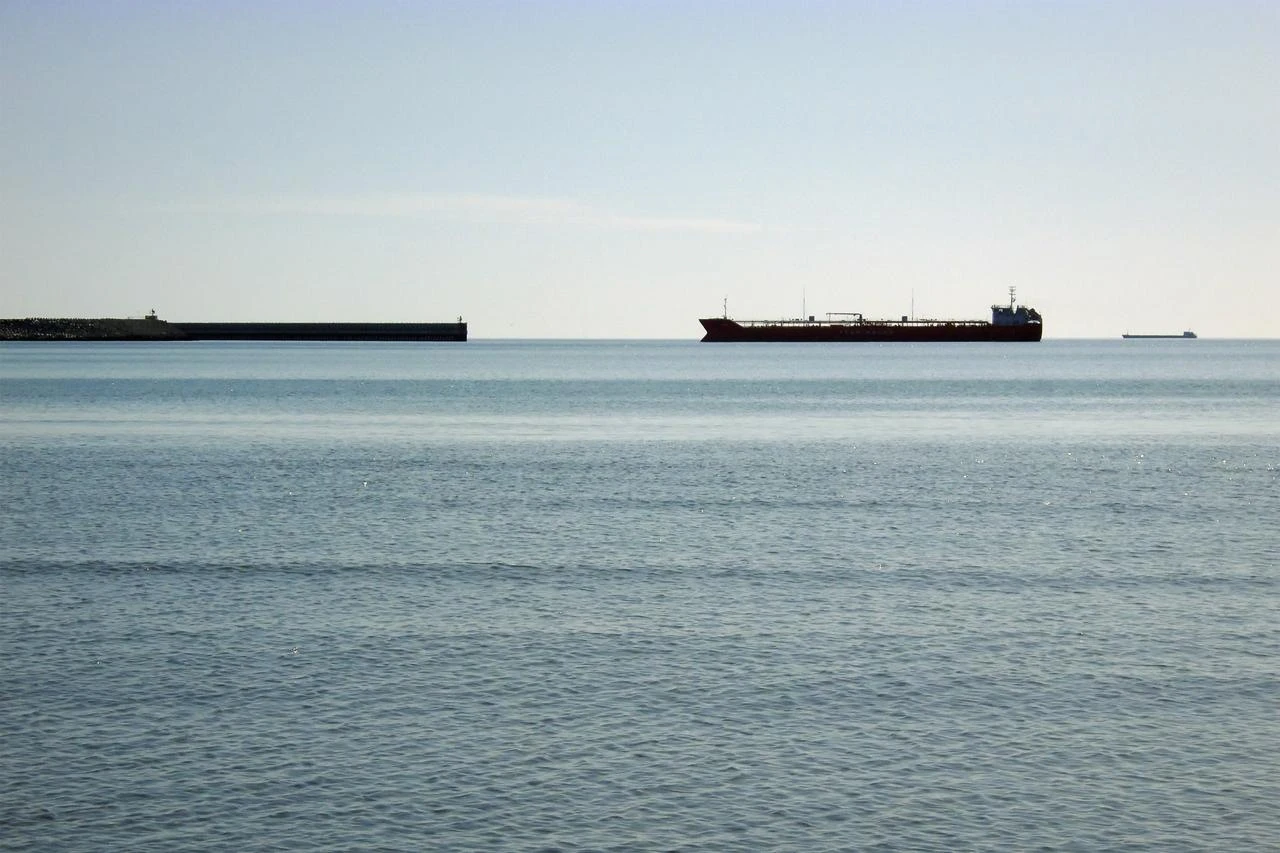


Iran shelved plans to strike Ukraine after a phone call between Foreign Ministers Abbas Araghchi and Andrii Sybiha helped defuse tensions following Kyiv's deadly attack on an Iranian cargo ship in the Caspian Sea, according to the report.
Araghchi wrote on X on Tuesday that his Ukrainian counterpart had assured him the attack was unintentional and that Kyiv was seeking to avoid further escalation. "Iran does not seek escalation either, but made clear any attack on our citizens or interests is unacceptable. There must be restitution for losses," he added.
Citing officials familiar with intelligence assessments, The New York Times reported that, before the call, Iran had been preparing a limited ballistic missile strike intended to send a symbolic message while avoiding significant damage, with one of Ukraine's Black Sea ports considered the likely target.
Tensions sharply escalated between both sides after Ukraine struck an Iranian commercial cargo ship in the Caspian Sea on Saturday.
The attack killed one sailor and injured another, prompting Tehran to summon Ukraine's chargé d'affaires and denounce the incident as a "hostile and criminal" act.
Ukraine's President Volodymyr Zelenskyy confirmed that Ukrainian forces had carried out long-range strikes against vessels involved in military cargo shipments linked to Iran, as well as a Russian warship operating in the Caspian Sea.
In response, Araghchi accused Kyiv of violating the U.N. Charter and warned that the attack "cannot go unanswered."
Sybiha rejected Tehran's accusations, calling them "unjustified and groundless" and accusing Iran of being "a direct accomplice" to Russia's invasion by supplying weapons that have been used against Ukraine since 2022.
The report said any missile fired from Iran into Ukraine would have marked a dramatic escalation and risked widening the conflict, given growing tensions over Tehran's alliance with Moscow.
While Iranian officials reportedly hoped any retaliatory action would end the confrontation, Western officials cautioned that Kyiv's response would be difficult to predict, it noted.
Relations between Ukraine and Iran have steadily deteriorated since Russia's full-scale invasion in February 2022.
Kyiv and its Western allies have repeatedly accused Tehran of supplying Shahed loitering munitions, Mohajer drones and other military equipment that Russia has used extensively against Ukrainian cities and critical infrastructure.
The dispute has intensified further this year as Ukrainian officials accused Russia of expanding military support for Iran beyond arms cooperation.
Zelenskyy has alleged Moscow provided Tehran with satellite imagery, signals intelligence, cyber assistance and other military support to help plan attacks against U.S. and allied targets in the Middle East.
Last week, U.S. President Donald Trump also said Chinese President Xi Jinping and Putin had assured him their countries would not supply weapons to Iran, warning that any direct military assistance to Tehran "would be very bad for them" and "certainly not in their best interests."


 Set as preferred source
 Set as preferred source


 2 min read
 1 min read