Newsletters


Russia launched a massive combined strike against Ukraine overnight Sunday using 600 drones and 90 missiles of various types, including the Oreshnik nuclear-capable intermediate-range ballistic missile, Ukraine's General Staff confirmed.
Ukrainian air defenses shot down or suppressed 604 of 690 aerial targets, but 16 missiles and 51 drones struck 54 locations across the country.
"It was a heavy attack, 90 missiles of various types, many of them ballistic, 36 in total. There were 600 drones. Unfortunately, not all of the ballistic missiles were intercepted," Ukrainian President Volodymyr Zelenskyy said on Telegram.
"The largest number of hits was in Kyiv. Kyiv was the primary target of this Russian attack," he added.
According to Ukraine's General Staff, the strike comprised one Oreshnik intermediate-range ballistic missile launched from the Kapustin Yar site in Russia's Astrakhan region.
Ukrainian air defenses intercepted 11 Iskander ballistic missiles, 44 cruise missiles, and 549 drones.
Nineteen additional missiles are believed not to have reached their targets.
Strikes were confirmed at 54 locations, and drone debris fell at a further 23 sites.
Russia's Defense Ministry confirmed the strike, saying it had hit "military command facilities, airbases and defense-industrial enterprises" and that "all designated targets were destroyed." Moscow described the attack as retaliation for "terrorist attacks on civilian objects in Russian territory."
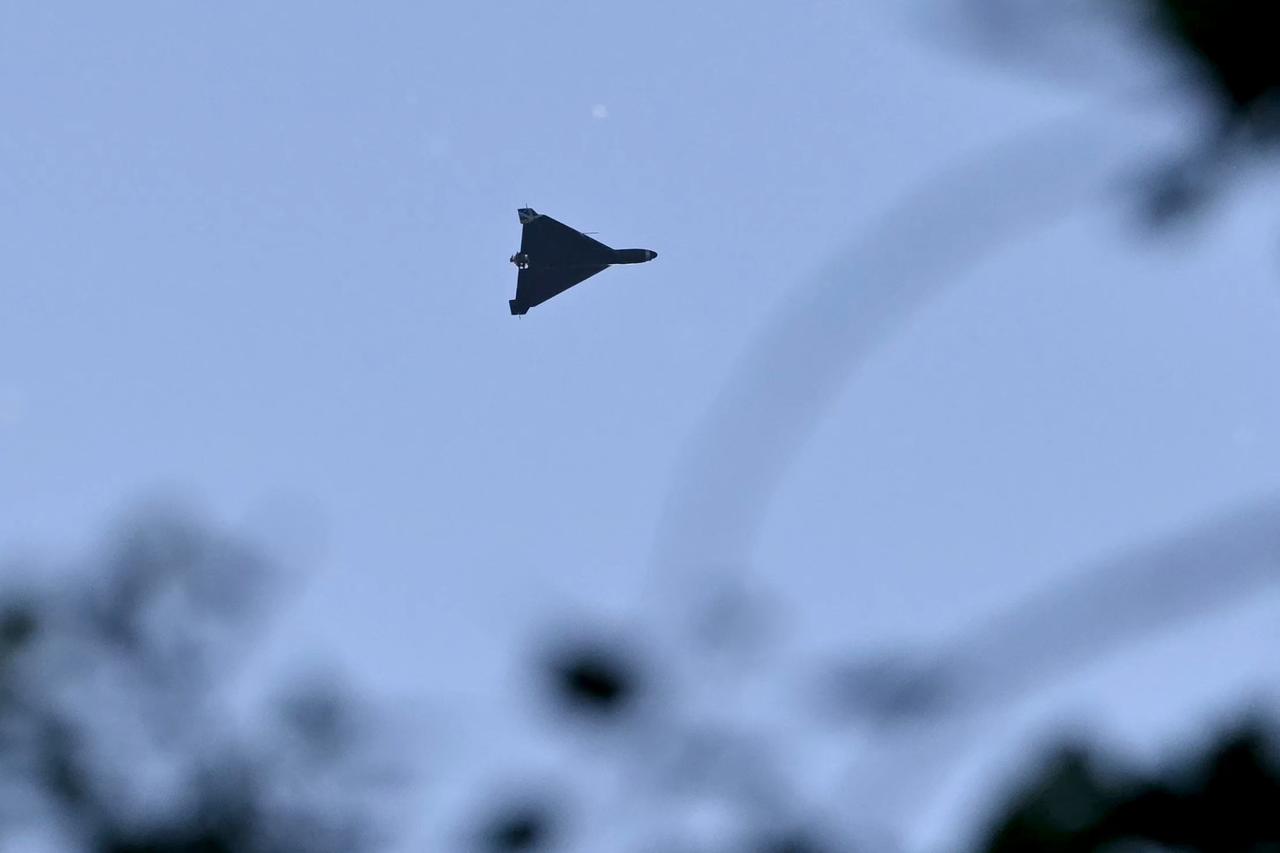

Zelenskyy confirmed the Oreshnik struck Bila Tserkva, a city in central Ukraine south of Kyiv.
"Three Russian missiles against a water supply facility, a market burnt down, dozens of residential buildings damaged, several ordinary schools, and he launched his 'Oreshnik' against Bila Tserkva. They are genuinely deranged," Zelenskyy said.
The Oreshnik is a road-mobile intermediate-range ballistic missile likely modified from the discontinued RS-26 Rubezh, with an estimated range of 3,500 to 5,470 kilometers and multiple independently targetable reentry vehicle (MIRV) capability. Its demonstrated payload is six MIRV warheads, each capable of deploying six submunitions.
The Oreshnik's 2024 use against Dnipro was likely the first time a MIRV had been used in combat. Russia has now used the Oreshnik in combat three times: against Dnipro in November 2024, against Lviv in January 2026, and now against Bila Tserkva.
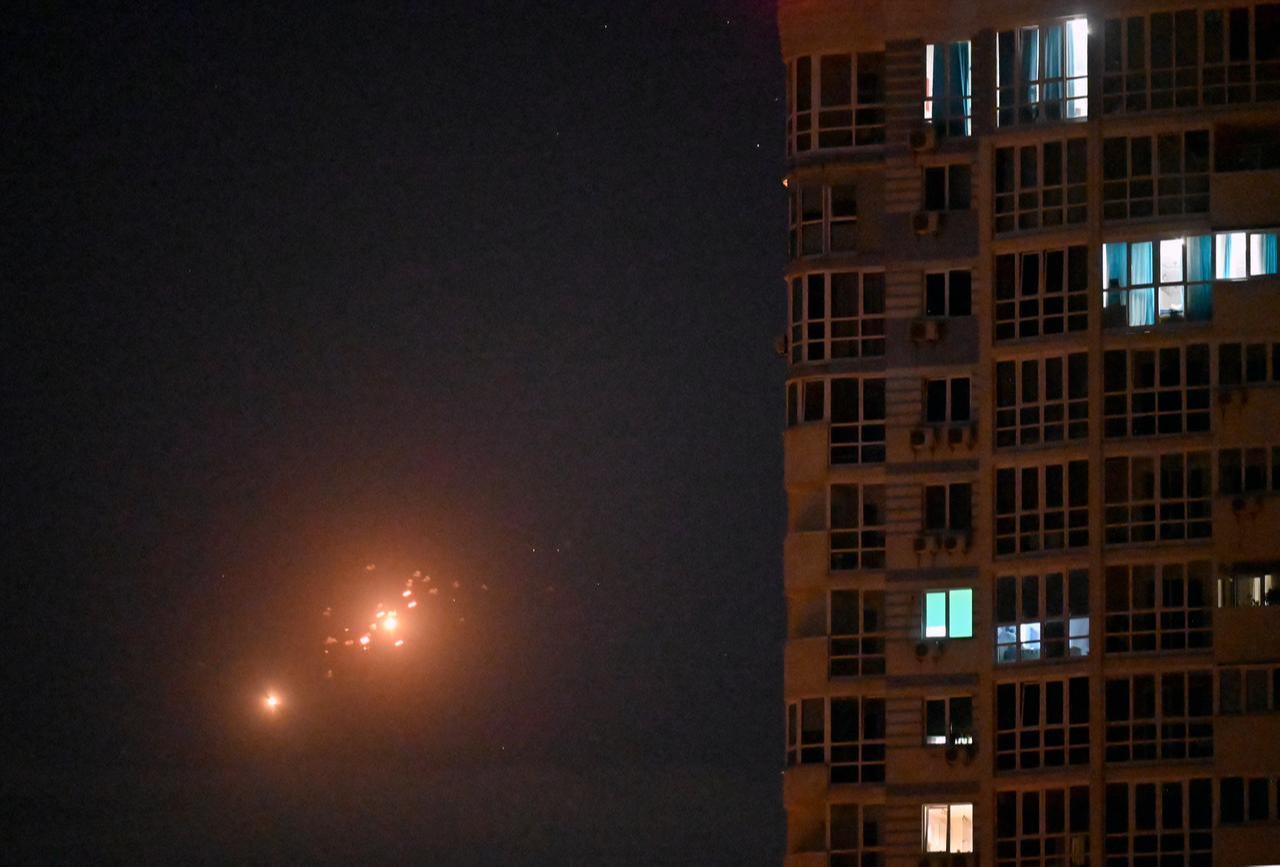
Kyiv Mayor Vitali Klitschko confirmed that one person was killed in the Shevchenko district when a nine-story residential building was directly hit and that at least 21 people were wounded in the capital.
In the broader Kyiv region, officials reported a total of at least four killed and more than 83 wounded as of Sunday morning. Damage was recorded in every district of Kyiv, including residential buildings, a student dormitory, a car service center, a shopping mall, and a school.
Zelenskyy called for urgent international action, stating, "It is critically important to continue working to secure air defense for Ukraine, especially anti-ballistic capabilities. Ukraine mustn't be alone. Decisions are needed from the United States, from Europe and others."
He added that it was important that this attack "does not pass without consequences for Russia."


 Set as preferred source
 Set as preferred source



 4 min read