Newsletters


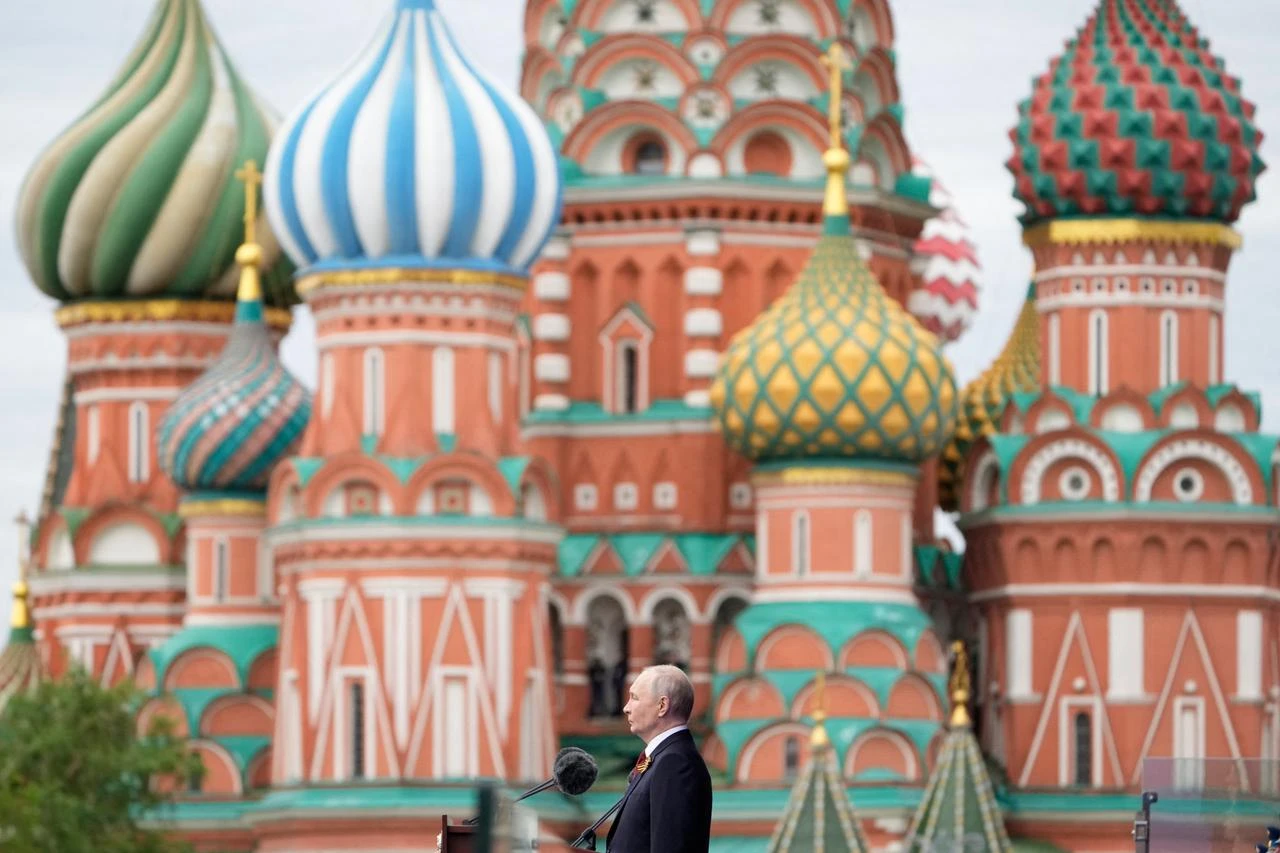


Russia is ready to hear constructive new proposals from the United States on resolving the Ukraine conflict, but no new meeting with U.S. negotiators has been officially requested, Russian Foreign Ministry spokesperson Maria Zakharova said.
"We are closely monitoring Washington’s position on the issue of the Ukrainian settlement. We have not yet received specific proposals regarding new meetings with American negotiators; they are obviously busy with the situation in the Middle East at the moment," Zakharova said in an interview with Izvestia.
She said media reports had periodically mentioned a planned visit to Moscow by U.S. presidential envoy Steve Witkoff and Jared Kushner, adding that Russia was ready to organize such a meeting quickly but had received no official requests.
Zakharova said U.S. Secretary of State Marco Rubio had recently stated that new ideas were needed in negotiations on resolving the Ukraine conflict.
"For our part, we are ready to hear constructive initiatives from Washington," she said.
She added that any options for ending the crisis around Ukraine must take Russia’s national interests into account.
"There is no point in discussing maximalist demands from Kyiv and its European sponsors that do not reflect the realities 'on the ground,'" Zakharova said.
Zakharova also accused Kyiv of demonstrating a complete unwillingness to negotiate and of intensifying what she described as terrorist attacks against civilians and civilian infrastructure.
"As long as this is the case, the Russian armed forces will respond proportionately to emerging threats and continue the special military operation with the aim of achieving the tasks set by President Vladimir Putin," she said.
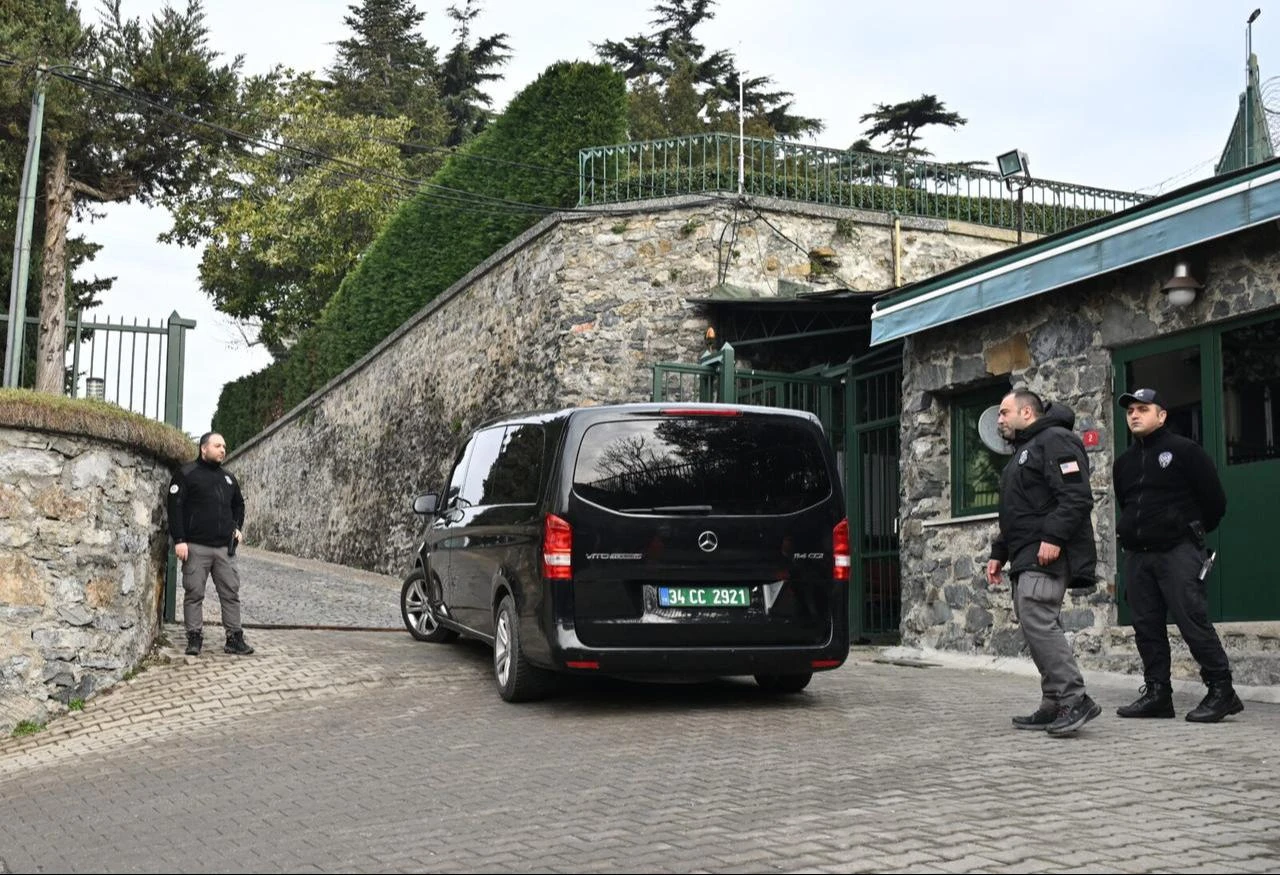

Zakharova said Russia and the United States continue to hold bilateral meetings through their foreign ministries to address what Moscow calls "irritants" in bilateral relations.
She said the dialogue began in February 2025 on the instructions of the Russian and U.S. presidents and that the two sides regularly discuss accumulated problems in their relations.
According to Zakharova, Moscow continues to push for progress beyond technical issues involving diplomatic missions, including the return of confiscated Russian diplomatic property and the resumption of direct air links.
"Despite the progress achieved in restoring the full-fledged operation of diplomatic missions, it is still not possible to fully resume the work of our embassy and general consulates because of the inertia of the negotiating process and differences in approaches," she said.
Zakharova added that work was also needed to restore lost trust.
Zakharova said Moscow was ready to continue working with U.S. counterparts following the July 23 talks between Russian Foreign Minister Sergey Lavrov and Rubio in Manila.
"For our part, as agreed during the negotiations on July 23 between Russian Foreign Minister Sergey Lavrov and U.S. Secretary of State Marco Rubio in Manila, we are ready to continue working with our American partners, seeking to move toward a substantive discussion of the priorities important to us," she said.
She said the timing of the next contact is currently being worked out.
Zakharova said Russia and the United States had agreed not to publicly announce meetings concerning the bilateral "irritants," saying Moscow considered it important to conduct the dialogue quietly.
Zakharova also discussed difficulties faced by Russia in organizing voting for Russian citizens in countries it considers unfriendly.
She said three dozen Russian consular institutions had been closed in the United States and European Union countries in recent years because of what she described as unfriendly actions.
She said almost all EU countries, with rare exceptions, had told Russian embassies during the 2024 election campaign that they would not allow voting outside diplomatic missions.
Zakharova said Russia planned to send over 200 employees from the Foreign Ministry’s central apparatus to assist election commissions being established at Russian diplomatic missions abroad, but fewer than 10 were expected to be sent to European countries.
She said there was no certainty that those employees would receive the necessary visas.
Zakharova also said financial restrictions imposed by the U.S. and EU on Russian diplomatic missions had complicated the financing of elections abroad, including the production of information materials, purchase of equipment, rental costs, and security.
Zakharova said Russia had observed what she described as attempts in the United Kingdom, the Netherlands, Finland, and France to create another wave of "Russophobic hysteria" in the media ahead of the upcoming elections.
She said such campaigns were aimed at delegitimizing the results of the vote and could further complicate the situation around polling stations.
Zakharova also accused some Baltic states of attempting to pressure Russians living in those countries to prevent them from voting.
She cited Latvia, where checks of identification documents for all visitors to the Russian Embassy had been introduced.
Zakharova referred to what she described as a similar experience in 2024, when some Russian citizens faced problems after police checks while visiting the embassy’s polling station, including deportation on the grounds that their residence permits had expired.


 Set as preferred source
 Set as preferred source


 1 min read
 1 min read