Newsletters


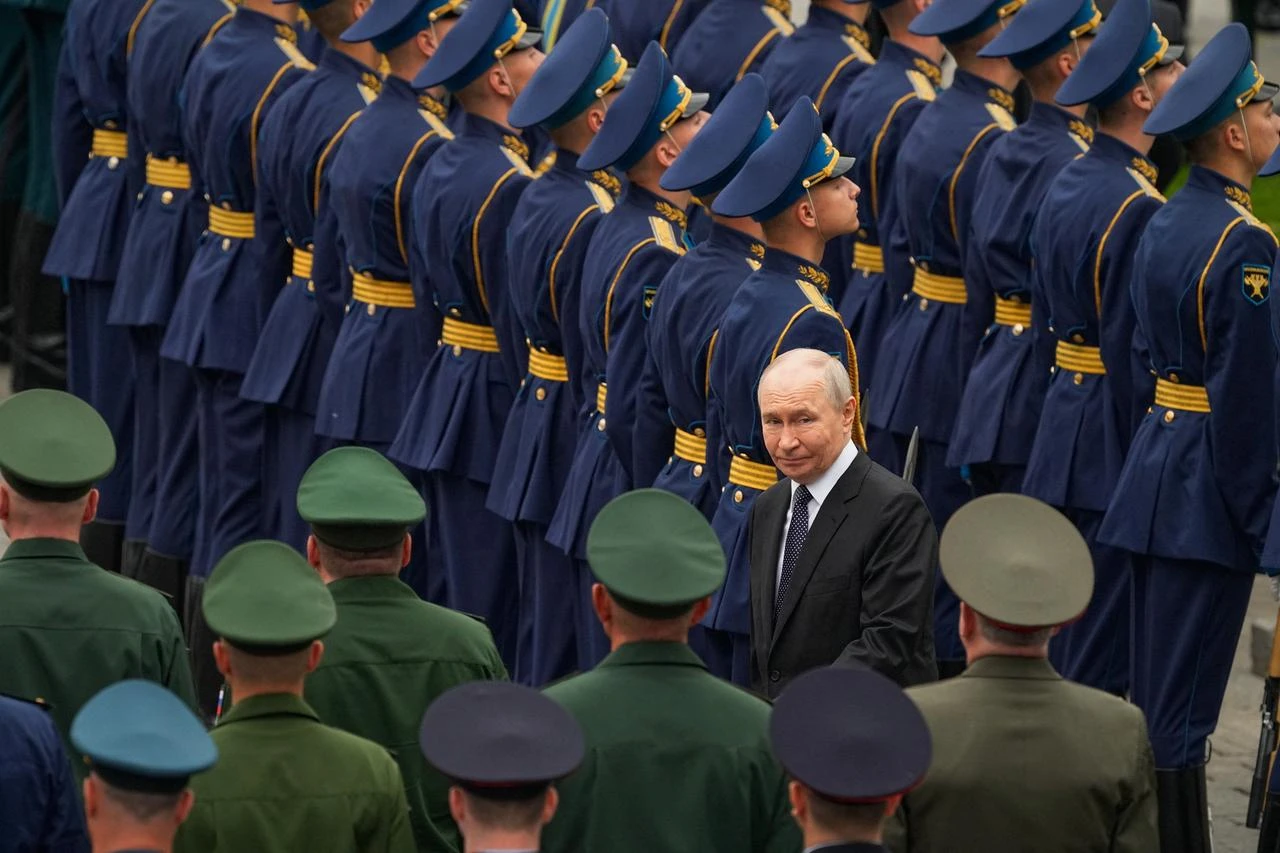


Russia said Friday it has received no formal proposal from Türkiye for a moratorium on military operations in the Black Sea, dismissing the idea of any pause with Ukraine there as a "half-measure" that would only give Kyiv "temporary breathing space."
The response came as Russian Foreign Minister Sergey Lavrov separately said in a television interview that Türkiye had not publicly condemned Ukrainian strikes on Black Sea shipping.
Asked whether Russia had received a Turkish proposal to introduce a moratorium on military action in the Black Sea and whether it was prepared to consider such an option, Maria Zakharova, the official spokesperson for Russia's Ministry of Foreign Affairs, said in an official response dated Aug. 14 that Russia "traditionally treats attentively" all peace initiatives from foreign partners, "especially from Türkiye, which is an important regional player and our neighbor on the Black Sea."
"Turkish Foreign Minister Hakan Fidan recently stated in a media interview that Turkish proposals on introducing a moratorium on military action in the Black Sea had been conveyed to the Russian and Ukrainian sides," Zakharova said, according to the Russian Foreign Ministry's official statement.
"The Russian side has not received, through official channels, a formalized Turkish appeal that would specify the terms of this initiative," she noted.
If the reference is to a unilateral scheme modeled on the 2022–2023 arrangement known as the "Black Sea Initiative," under which Moscow suspended what it described as its response measures to protect Russian port infrastructure and energy facilities, Zakharova said returning to that format would be "inexpedient."
She said the condition for that earlier arrangement was equivalent reciprocal steps from the other side, which did not follow.
"At the time, if you recall, we agreed to a moratorium in exchange for access of Russian agricultural products to world markets," Zakharova said.
"However, the West demonstrated bad faith: the humanitarian corridor we provided came to be widely used to carry out terrorist attacks against Russian civilian and military facilities, while Russian agricultural products remained under sanctions. This ultimately led to the collapse of the 'Black Sea Initiative,'" she added.
Zakharova said Russia currently faces "unbridled acts of terrorism" carried out by Ukrainian armed forces' drones in the Black Sea against civilian vessels of coastal states several times a month.
"We view these attacks as a deliberate policy to destabilize civilian shipping in the Black Sea region to further escalate the situation and prolong the conflict, with the overt connivance of the region's neighbors," she said.
"At the same time, we do not see any preconditions for improvement in the situation, and therefore no grounds for half-measures that would only give the Kyiv regime a temporary respite," the Russian official noted.
Zakharova said Russia has observed an increase in recent international calls for a ceasefire and settlement of the Ukraine situation along familiar "palliative" schemes, adding that Russia's position on these calls and the problem as a whole "has not changed."
She stated that a sustainable, long-term settlement of the Ukraine crisis is possible only if its "root causes" are eliminated, primarily the security threats from NATO's eastward expansion and attempts to draw Kyiv into the alliance. She added that it is equally important to secure guarantees for restoring and respecting the rights of the Russian and Russian-speaking population in territories remaining under Kyiv's control.
The statements came as Türkiye, a NATO member and regional power with ties to both Russia and Ukraine, proposed creating a mechanism to prevent attacks on commercial shipping in the Black Sea.
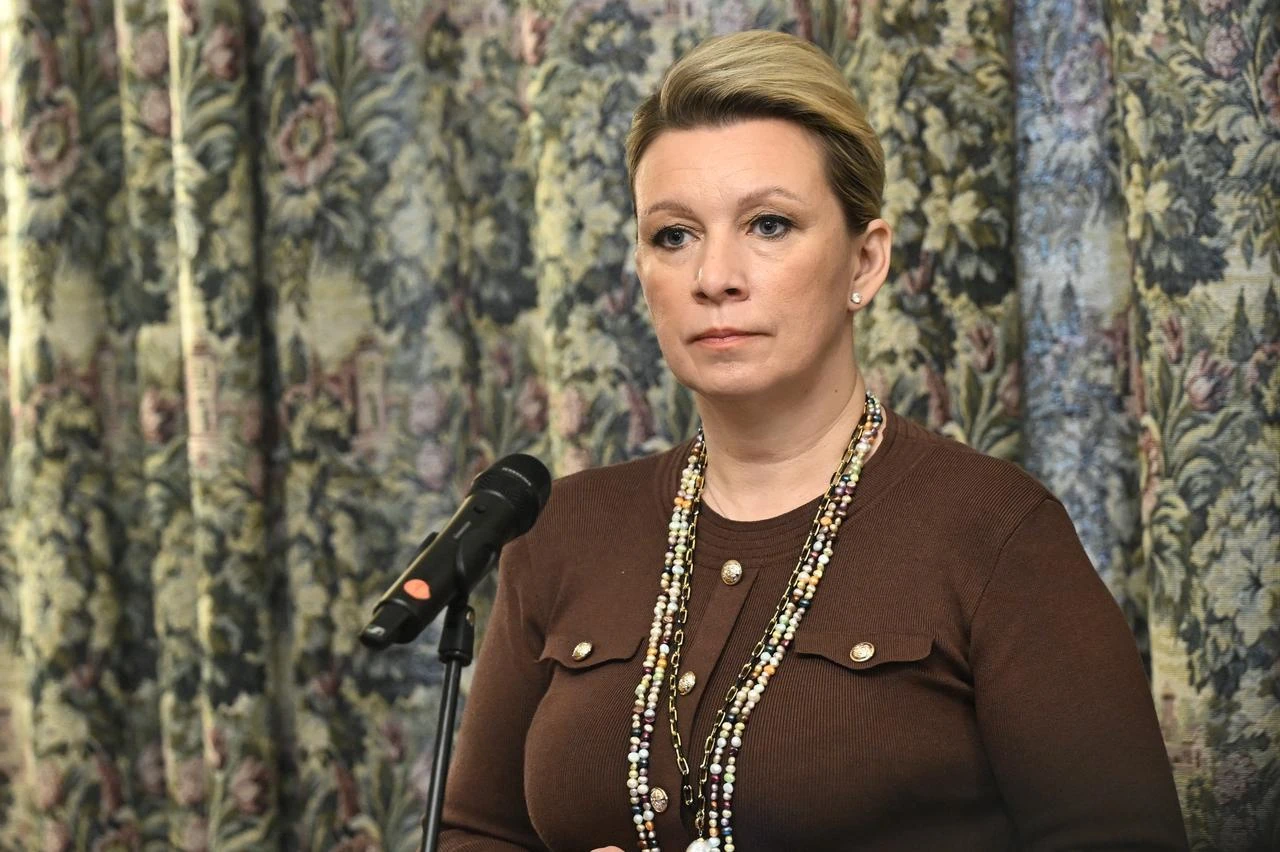

In the same Vesti interview, Lavrov said Türkiye is again calling for an agreement to prevent shipping from being targeted in the Black Sea, "but we did not start this."
"When a drone belonging to the Armed Forces of Ukraine strikes a Turkish dry cargo ship, tanker or civilian vessel, when these same drones repeatedly attack the infrastructure of the Caspian Pipeline Consortium in the Caspian Sea, directly hitting vessels connected to the American companies Chevron and ExxonMobil, in response to this neither Türkiye nor the United States publicly states that these actions by Ukrainian terrorists are unacceptable," Lavrov said.
Elsewhere in the interview, however, Lavrov struck a more conciliatory tone toward Ankara specifically, saying Türkiye is "sincerely interested" in the Black Sea being stable.
"In Türkiye, they are sincerely interested in the Black Sea being stable," Lavrov said.
He said Ankara wants good relations with Moscow because Türkiye and Russia have many joint economic projects, as well as much shared history, the Caucasus and the Black Sea.
Asked about the specifics of Russia's contacts with Türkiye, Lavrov said they cannot be considered without accounting for Türkiye's NATO membership and its relationship with the European Union.
"I think that the 'trails' that remain due to [Türkiye's] membership in NATO, and due to certain relations with the European Union, are inevitable," Lavrov said.
Lavrov also said Türkiye, despite wanting relations with the EU, understands deep down that it will never be accepted into the bloc.
"Türkiye wants to be both a member of NATO, as the bloc's largest army, and to have relations with the European Union, although deep down it understands that it will never be accepted into the EU," Lavrov said.
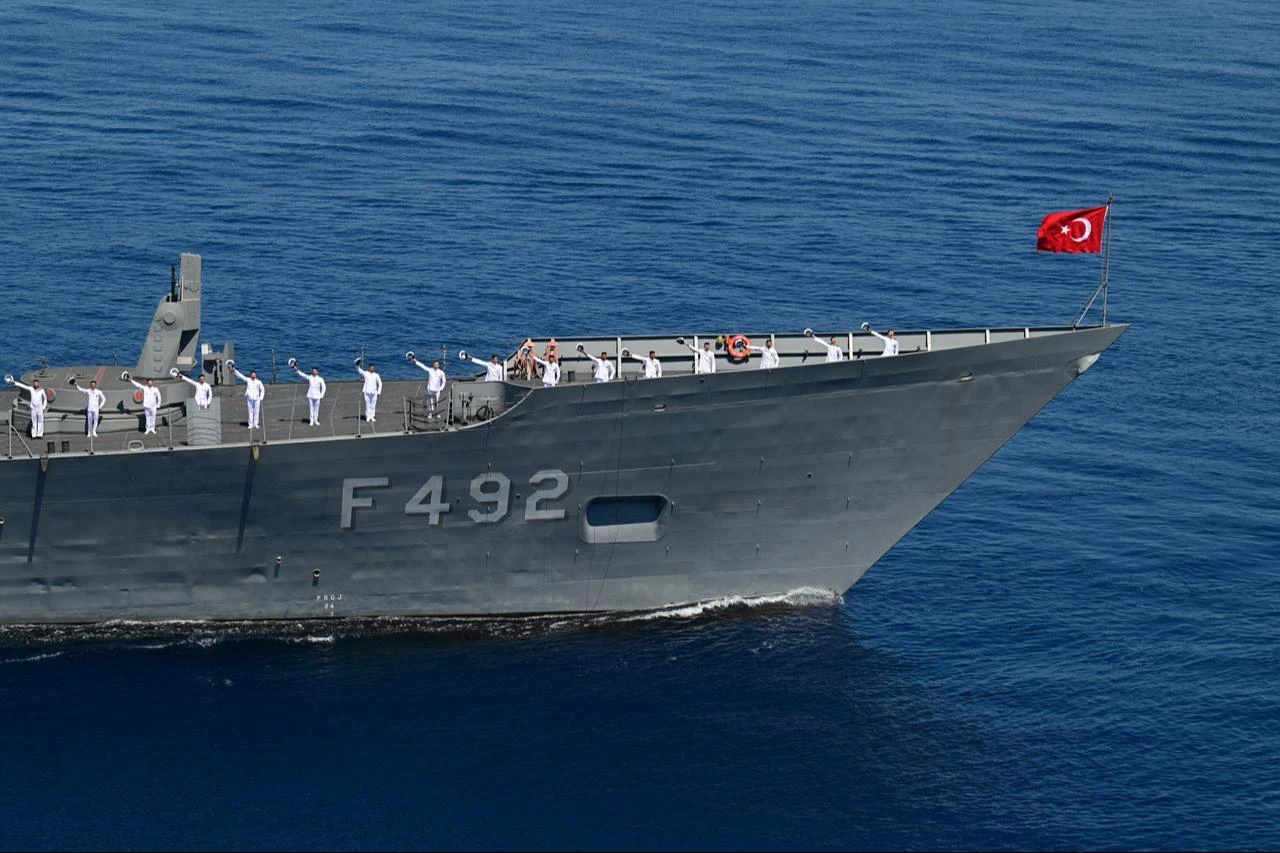
Lavrov said Russian President Vladimir Putin is ready to meet U.S. envoys if they travel to Moscow.
Asked whether U.S. Special Envoy Steve Witkoff or the U.S. president's son-in-law Jared Kushner could influence Trump, Lavrov said he assumed that if the envoys had been entrusted with such a role, "they have influence over the U.S. president, and he trusts them."
"We are not refusing to talk to them, and if they come, they know that President Putin is ready to receive them again," Lavrov said, adding, "The question is, what will they bring?"
His remarks came amid reports that Witkoff and Kushner could visit Moscow and Kyiv in the coming days.
Russian state news agency TASS reported, citing sources, that a visit could take place within a week to 10 days in an effort to revive Ukraine peace talks, which Moscow and Kyiv have said stalled as Washington shifted its focus to the Iran war.
Russian Deputy Foreign Minister Sergey Ryabkov said Thursday that Moscow was ready to receive both envoys "once it becomes clearer what their actual plans are."
Witkoff and Kushner last visited Moscow to meet Putin in late January.
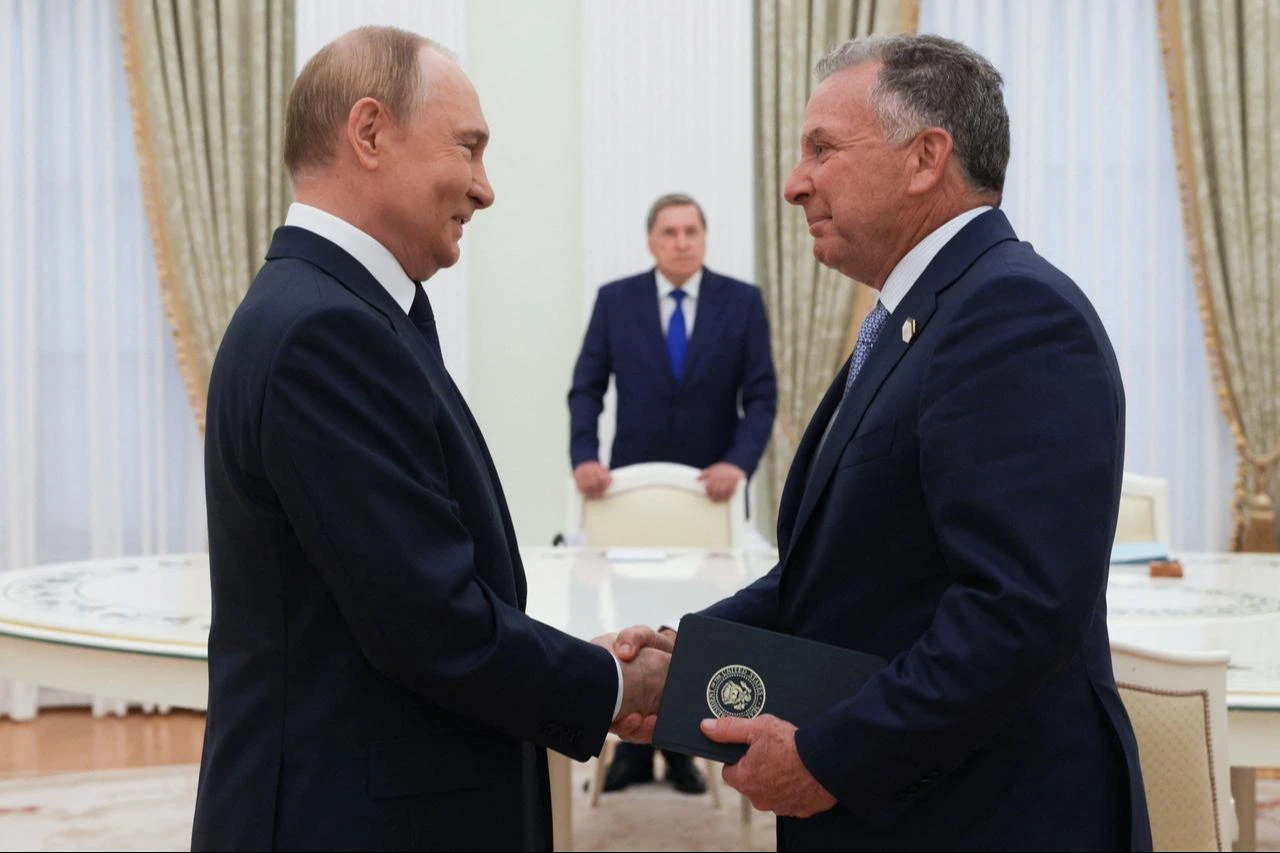
Russia's Defense Ministry posted a warning to Ukraine stating, "You will get a freeze this winter," accompanied by imagery of Shaheds with the caption "like snow on your head."
Lavrov said Russia would not adopt what he characterized as Kyiv's "terrorist methods" but would make its approach "more severe" for destroying infrastructure supporting Ukraine's military from the West.
"We are already doing this, and they are already starting to groan," Lavrov said, adding, "And it is not by chance that more and more voices from different points of our shared space are calling for an immediate halt. That is not going to happen."
He added that numerous international calls for a ceasefire and settlement of the Ukrainian situation were following "known palliative schemes" that Russia had rejected, and that a "sustainable, long-term resolution of the Ukrainian crisis" was only possible by addressing its "root causes", principally NATO expansion eastward and attempts to draw Kyiv into the Atlantic alliance.
Zakharova reiterated that Russia did not see "any prerequisites for improvement of the situation" and therefore had "no basis for half-measures" that would grant the regime in Kyiv only "temporary respite."
Lavrov said it would be unacceptable for Russia to halt fighting along the current line of contact, saying this would "cross out the feat of our grandfathers and great-grandfathers who defeated Nazism."


 Set as preferred source
 Set as preferred source


 1 min read