Newsletters


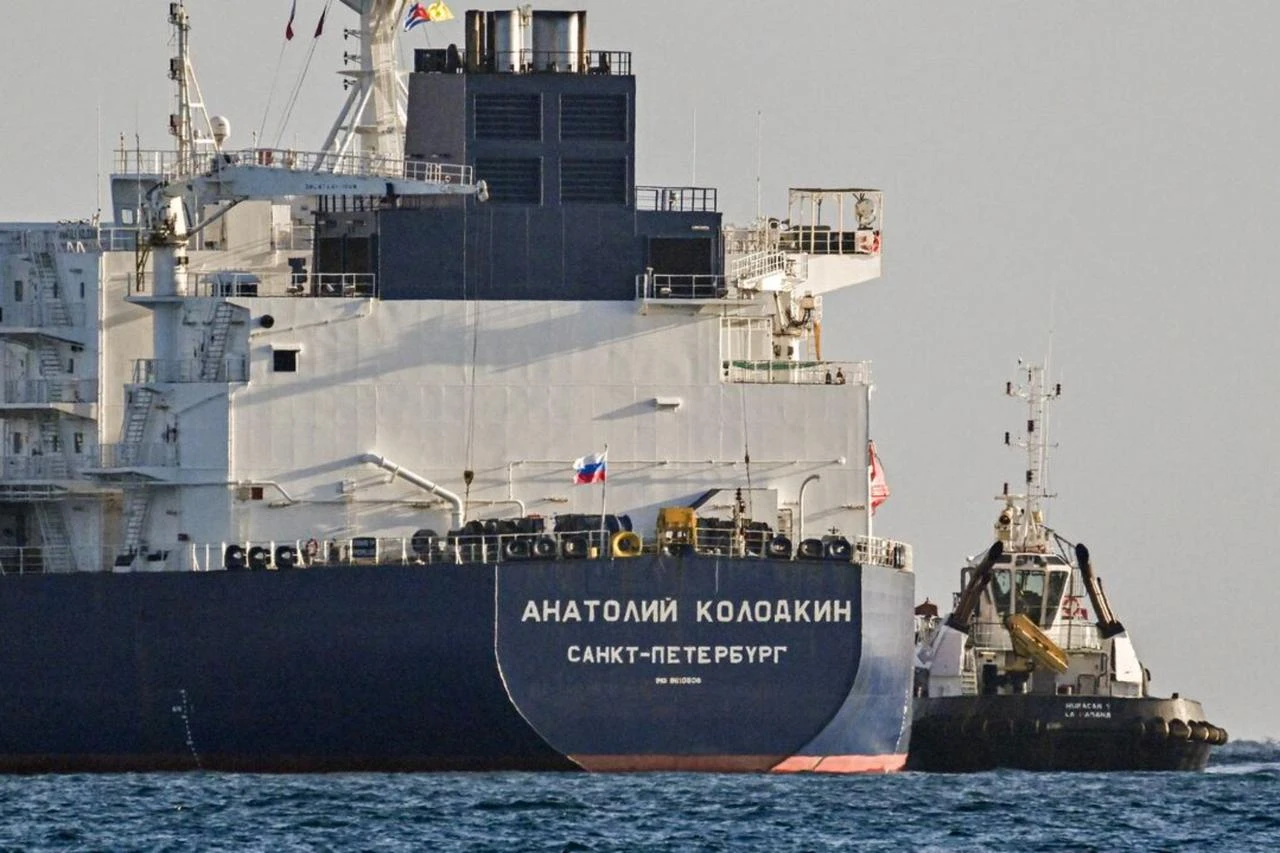


Russia is expanding a shadow fleet of liquefied natural gas carriers through second-hand purchases and domestically built tankers ahead of an EU ban on Russian liquefied natural gas (LNG) imports in 2027, the Financial Times reported.
At least eight second-hand LNG tankers have been sold and later used to carry Russian cargoes over the past six months, according to maritime data company Windward. The additions increased the fleet to 25 ships, including two vessels built at Russia’s Zvezda shipyard.
The fleet could help Moscow continue exporting LNG as sanctions tighten, mirroring its use of over 1,000 shadow oil tankers operating outside Western insurance and documentation systems.
EU countries, which bought almost all the output from Russia’s Yamal LNG plant in the first half of this year, will be prohibited from importing Russian LNG from 2027.
Some facilities already face separate sanctions, including Novatek’s Arctic LNG 2 project.
The EU said last week that sales of LNG tankers to Russian citizens must be reported to Brussels but stopped short of banning EU vessels from carrying Russian LNG to third countries after lobbying by Greece.
Irina Mironova of the New Energy Advancement Hub described Russia’s LNG shadow fleet as a unique development because no previously sanctioned country had reached a similar level of technological advancement in gas production.
Four recently acquired ships have transported cargoes from hubs handling sanctioned Russian LNG, according to Kpler data analyzed by the Financial Times.
The vessels now operate under the Russian flag with the names Kosmos, Orion, Merkuriy and Luch.
Russia has also built its first two LNG carriers at the Zvezda shipyard. Aleksey Kosygin has carried cargoes from Arctic LNG 2 since its delivery to state shipping company Sovcomflot in December, while Konstantin Posiet was named this month.
Novatek’s Yamal and Arctic LNG 2 facilities produce more than 65% of Russia’s LNG, while Gazprom’s Sakhalin-2 project accounts for another 30%, according to official Russian data.
Cargoes from nonsanctioned plants are largely transported by vessels chartered from international companies including Greece’s Dynagas, Japan’s Mitsui OSK and Seapeak.
Russia-linked shell companies in Dubai, Hong Kong, and Singapore largely control the shadow LNG fleet, often using flags of convenience.
The vessels also jam tracking signals and conduct ship-to-ship transfers to conceal cargo origins.
Septimus Knox of corporate intelligence company S-RM said the tactics resemble those used by Russia’s oil fleet but are harder to execute because LNG transport requires fewer, more sophisticated vessels and specialized infrastructure.
LNG carriers cost about $300 million to build and require complex systems to keep gas liquid at minus 162 degrees Celsius.
Russia’s Arctic production sites create another challenge because reinforced ice-class vessels are needed for much of the year to reach floating storage facilities.
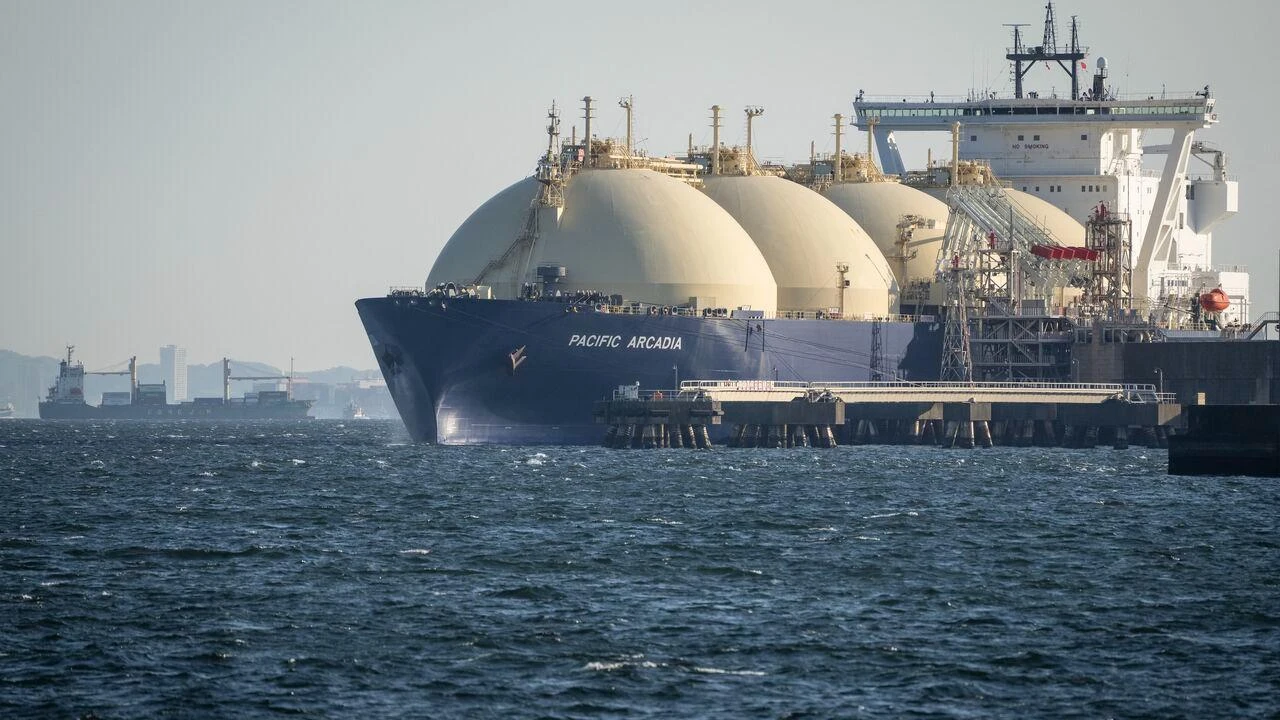

China is the only buyer of LNG from the sanctioned Arctic LNG 2 project.
Eleven vessels with an average age of 10 years are carrying its output, according to Financial Times estimates based on Kpler data. The cargoes are transferred at floating hubs to conventional tankers bound for China.
All 11 vessels are under U.S. sanctions, and Novatek has become the owner or charterer of all but one over the past two years.
Four more LNG carriers are being built at Zvezda, while six ice-class ships remain blocked from delivery at South Korea’s Hanwha shipyard because of sanctions.
Navin Kumar of consultancy Drewry said Russia could struggle to build additional LNG carriers because French company GTT holds a near monopoly over specialized containment systems.
GTT suspended Russian contracts in January 2023 because of EU sanctions.
Any Russian-designed alternative would require approval from the International Maritime Organization and classification societies, a process Kumar said could take years and push Moscow toward more second-hand purchases.
Exmar Chief Executive Carl-Antoine Saverys said Russian buyers were already competing for older LNG carriers and that some vessels entering the market would likely join Russia’s fleet.


 Set as preferred source
 Set as preferred source


 1 min read
 1 min read