Newsletters


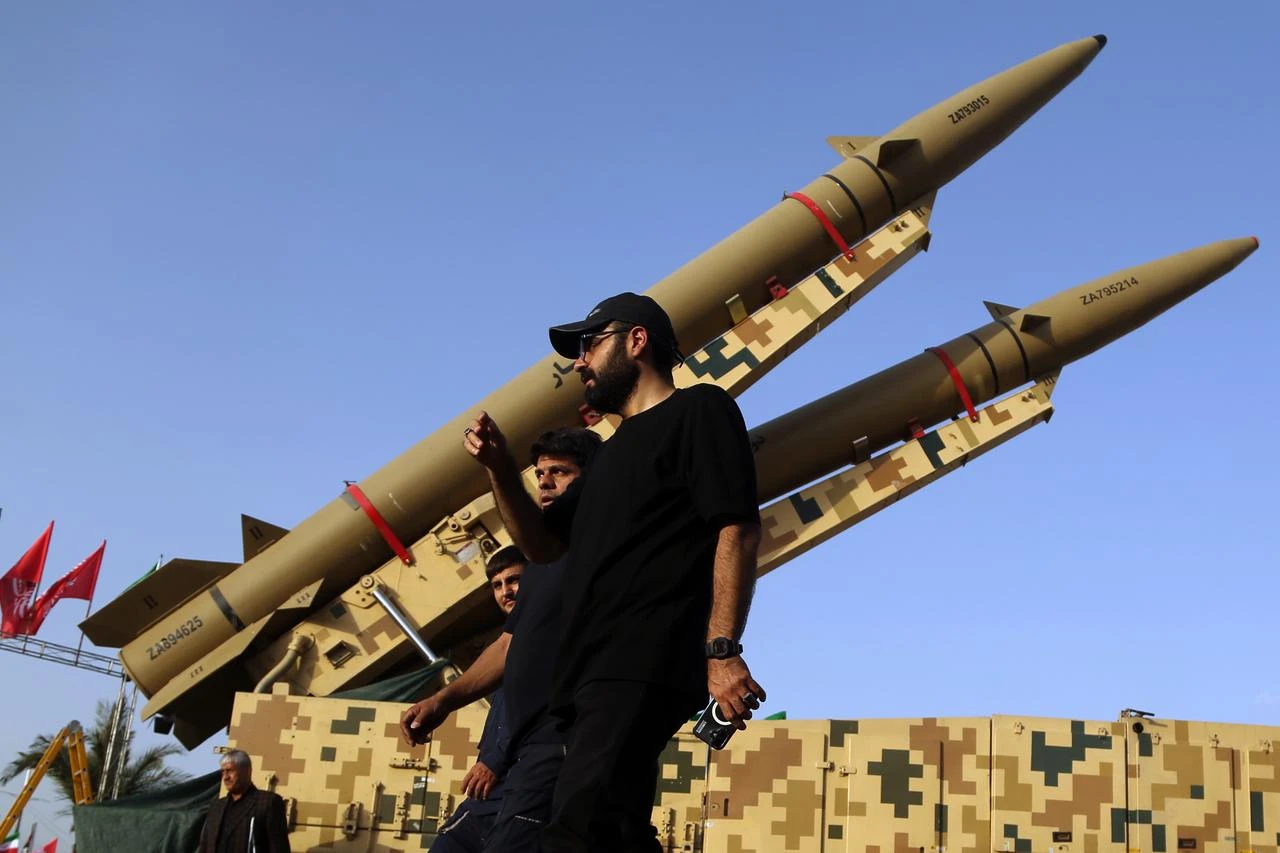


Russia is providing Iran with electronic intelligence, likely helping it pinpoint American forces for attack or jam U.S.-made weapons systems, according to a U.S. official and a European official cited by NBC News, as the six-month war between Iran and the U.S. continues.
The officials described the assistance as "signals intelligence," information gathered from electronic signals emitted by communications networks, radar, and various military weapons systems.
NBC News and other outlets had previously reported that Russia shares satellite imagery with Iran that could help target U.S. forces.
The combination of Russian satellite surveillance, signals intelligence, and technical insights about U.S. weapons systems is likely allowing Iran to better defend against U.S. airstrikes and refine its own aerial assaults, including against ships, planes, and other moving targets, according to experts and Western officials cited by NBC News.
The intelligence-sharing may partly explain why Iran has proven more resilient six months into the war than U.S. officials initially anticipated.
Officials told NBC News that Russian eavesdropping and electronic intelligence would allow Iran to improve its database of targets and operations, gain insights from post-strike damage assessments, and better detect and defend against attacks on its own soil.
Jim Lamson, a former CIA analyst now a senior research associate at the James Martin Center for Nonproliferation Studies at the Middlebury Institute of International Studies, told NBC News there are growing indications Iran is likely "incorporating technical and operational insights and assistance from Russia in its long-range strike operations."
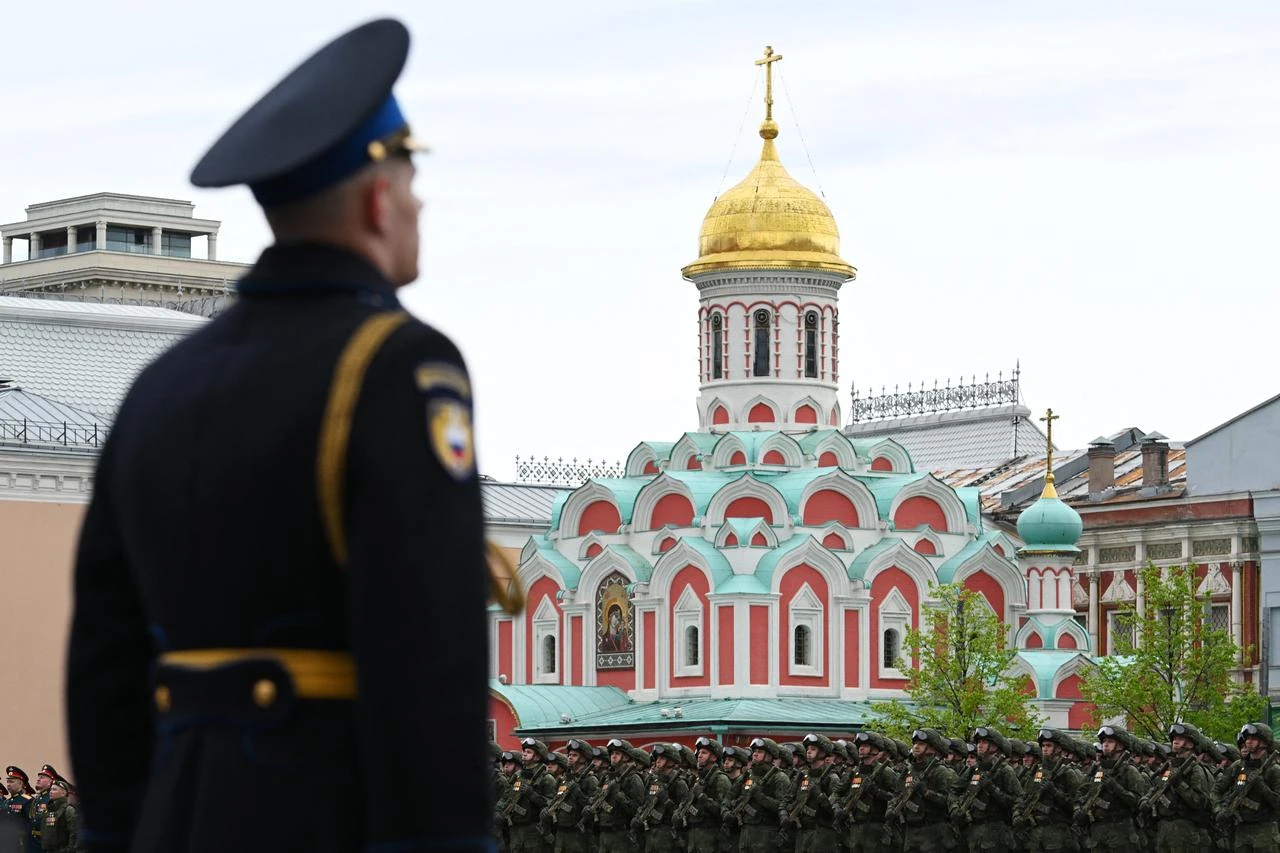

Iran has fired thousands of missiles and drones at American bases and forces in the region, Gulf state infrastructure, and commercial ships near the Strait of Hormuz since the U.S. and Israel launched the war in February.
Despite intense U.S. airstrikes, Iran has managed to retain a portion of its missile and drone arsenal, and while U.S. radar and air defenses have intercepted the bulk of Iranian aerial attacks, Tehran's ballistic missiles, cruise missiles, and drones have caused significant damage and casualties across the region over six months.
At least 18 U.S. service members have been killed in the conflict, and Iranian airstrikes have caused an estimated $10 billion to $30 billion in damage to U.S. military bases and equipment.
The Trump administration has said little publicly about the scale and effect of Russian assistance to Iran.
Trump wrote on Truth Social on July 24 that he takes Russian President Vladimir Putin at his word that Moscow is not selling arms to Iran and that Russia is "not participating" in the conflict.
Asked about a statement from Ukrainian President Volodymyr Zelenskyy that Russia was providing Iran satellite imagery of U.S. bases, Trump told reporters, "I don't think they've been doing it, certainly not at a high level. And if they have, it has been very unimpactful."
Defense Secretary Pete Hegseth told lawmakers last week that there are "ways in which both of those countries," China and Russia, have been "enabling some of the things Iran is doing, yes," without elaborating further.
A White House official told NBC News: "As the president stated, nothing that any outside actor is doing to help Iran is in any way increasing their ability to target Americans."
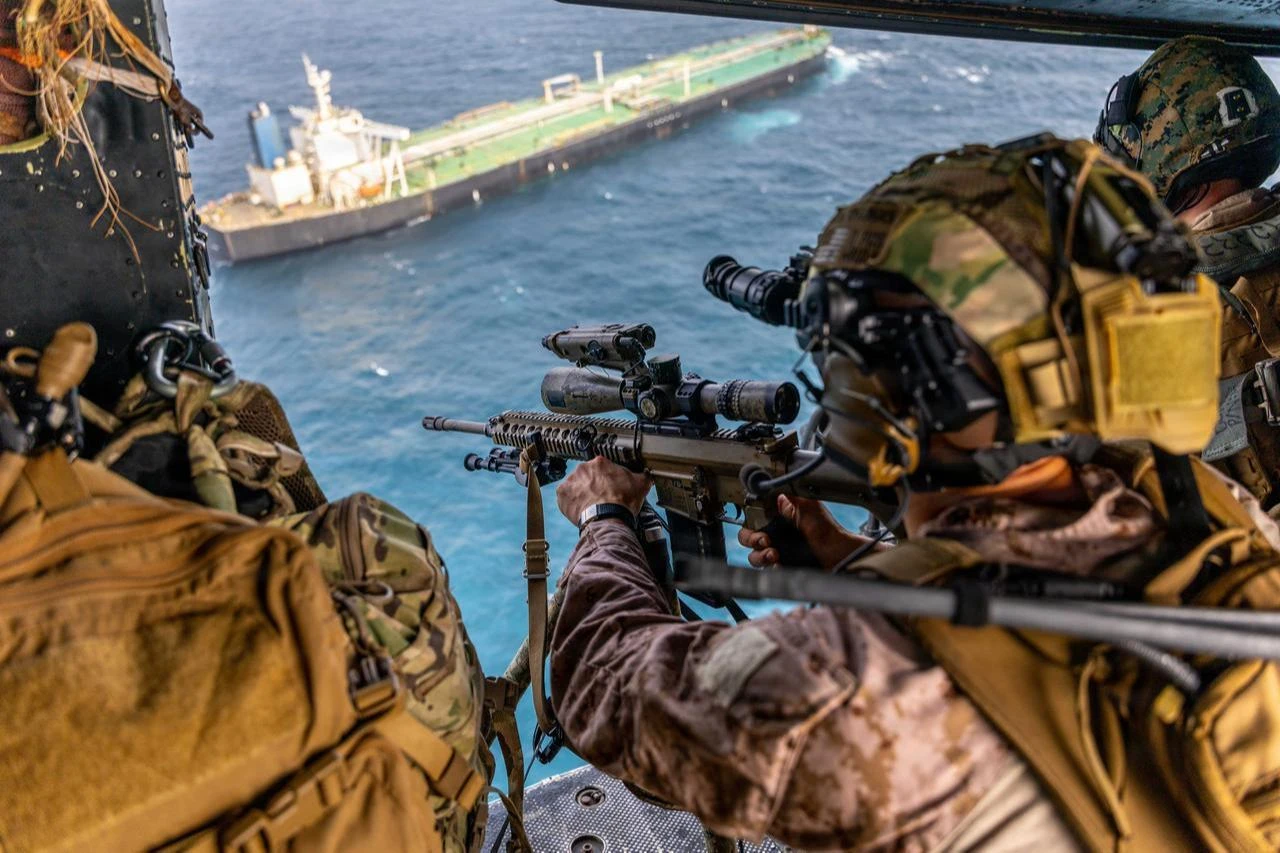
According to the reports, China has also assisted in Iran's war effort, though on a smaller scale than Russia's.
NBC News reported Beijing has allowed Iran access to a surveillance satellite and that China had, in recent months, planned to send shoulder-launched missiles to Iran.
NBC News has previously reported that a U.S. F-15 fighter jet was likely shot down by a Chinese-made shoulder-launched missile, though it remains unclear whether that specific weapon was delivered to Iran recently.
China has denied assisting Iran.
NBC News described Russia's relationship with Iran as dating back decades, rooted in a shared goal of countering U.S. economic and military power in the Middle East.
Russia helped build Iran's Bushehr civilian nuclear plant starting in the early 2000s and has continued nuclear cooperation with Tehran. Both countries had backed Syrian leader Bashar al-Assad's government until it collapsed in 2021 and Assad fled to Russia.
Russian military and intelligence cooperation with Iran has expanded steadily in recent years, with Iran providing Shahed drones and their blueprints to Russia shortly after Moscow's full-scale invasion of Ukraine.


 Set as preferred source
 Set as preferred source



 3 min read