Newsletters


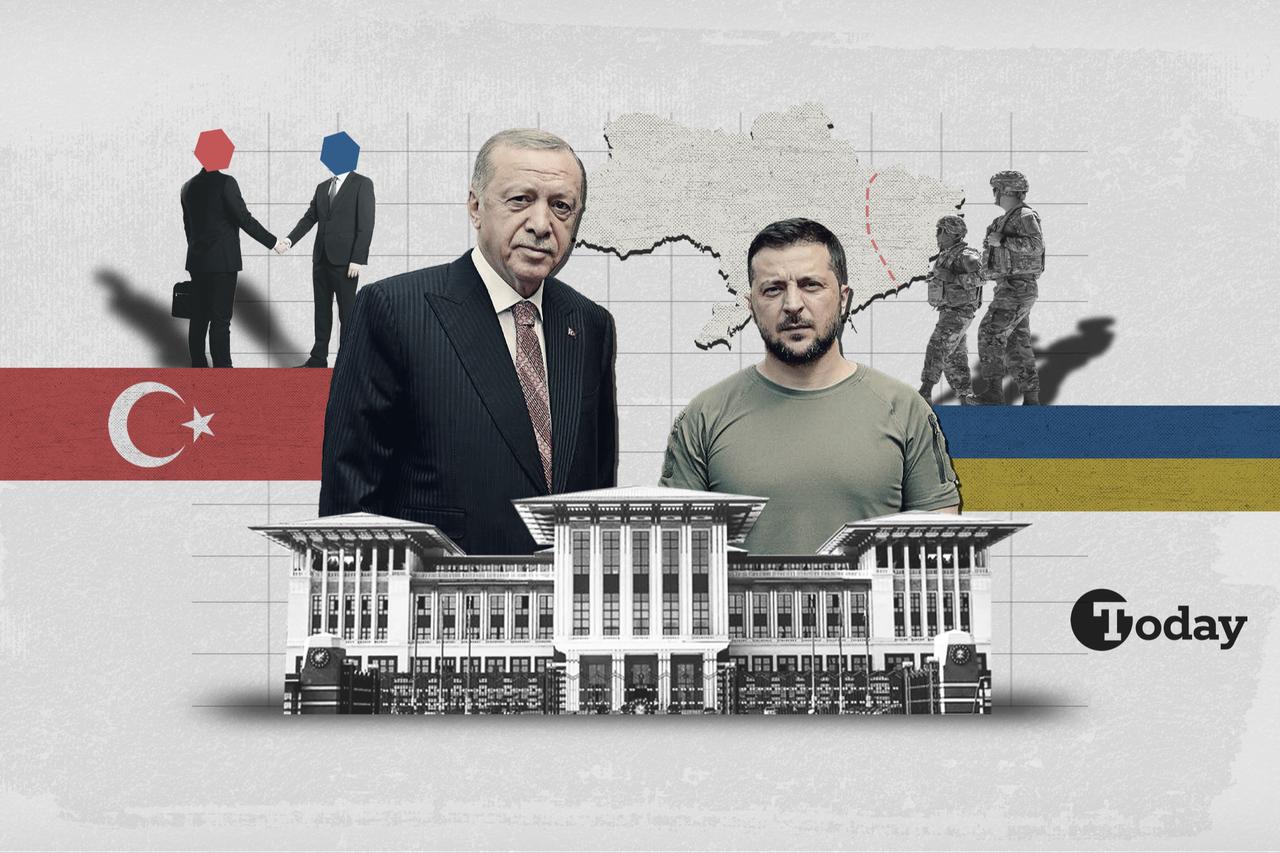


The growing convergence between Ukraine and Türkiye is multidimensional and strategic. It is driven not only by shared historical ties but also by a complex set of political, economic, regional and geopolitical factors. As both countries seek to assert greater autonomy and resilience in a changing international system, their cooperation increasingly reflects a long-term alignment of interests—from defense and energy to infrastructure and regional security.
Ukraine possesses strategic capabilities to contribute to the diversification of Türkiye’s energy supply. Its extensive pipeline infrastructure, logistics hubs, and storage facilities offer Türkiye opportunities to optimize energy flows, increase flexibility, and establish additional backup routes for transportation.
At the same time, Ukraine has emerged as a key security provider in the Black Sea region, limiting Russia’s ability to exert control over critical maritime routes. Ukraine’s experience in countering Russian aggression and its successful defense of sea lanes has demonstrated its capacity to safeguard the uninterrupted movement of energy cargoes. This factor is particularly important for Türkiye, which seeks to reduce Russian leverage over regional energy corridors.
In recent months, Russia has escalated its military pressure not only on Ukraine, but also on Türkiye-linked commercial assets in the Black Sea region—a clear signal of its growing frustration with Ankara’s deepening cooperation with Kyiv. In November 2025, a Turkish-flagged tanker, the MT Orinda, was struck by a Russian drone while offloading liquefied petroleum gas at Ukraine’s Izmail port. The attack occurred just one day after President Volodymyr Zelenskyy signed an agreement to import U.S. liquefied natural gas via Ukrainian ports—a move that strengthened Ukraine’s energy ties with NATO members, including Türkiye. Although no casualties were reported, the incident highlighted the growing risks for Turkish maritime interests operating in Ukrainian waters.
In a separate incident, a Turkish-owned ferry—the CENK T—was hit by a Russian Iskander missile while docked at Odesa port. The ferry, owned by Türkiye-based company Cenk Ro-Ro and operating under the Panama flag, regularly transports both passengers and cargo between Türkiye and Ukraine. The strike caused significant concern in Ankara and was widely seen as part of a broader Russian strategy to intimidate Turkish commercial activity supporting Ukraine. These deliberate attacks on vessels with direct ties to Türkiye underscore Moscow’s intent to disrupt and deter the increasingly strategic Ukraine–Türkiye alignment.
Beyond targeting Türkiye-linked vessels, Russia has systematically escalated its campaign to dismantle Ukraine’s maritime trade infrastructure in the Odesa region—a strategic zone for both Ukrainian exports and regional cooperation with Türkiye. Recent missile and drone strikes have damaged multiple Black Sea ports, including Pivdennyi and Chornomorsk, hit oil storage tanks, and disabled civilian ships such as a Panama-flagged grain vessel. Ukrainian officials have labeled these attacks as a deliberate attempt to cripple Ukraine’s logistical backbone and sever its access to maritime trade routes—a vital component of Ukraine–Türkiye regional and economic cooperation.
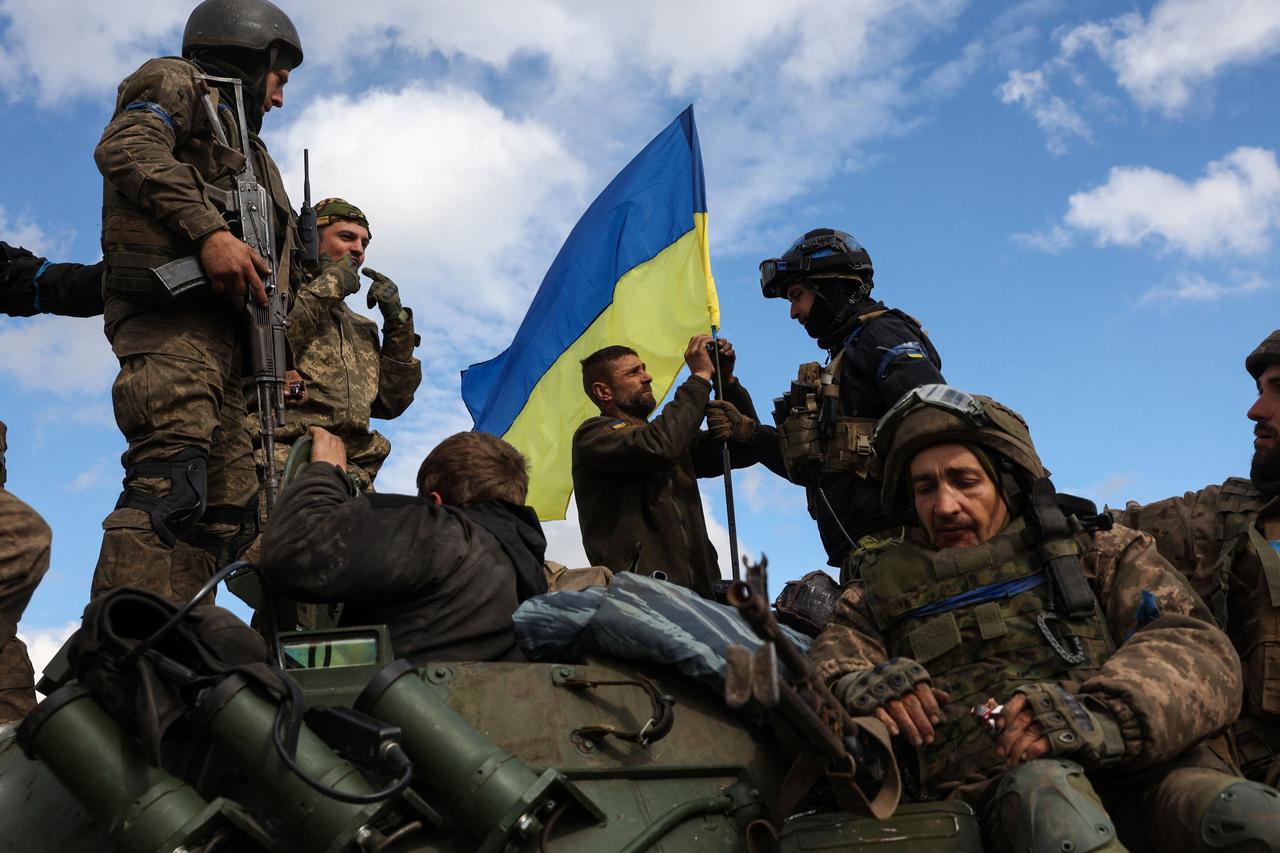

Despite Russia’s continued strikes on Ukraine’s Black Sea infrastructure, the convergence between Ukraine and Türkiye not only endures—it has become an essential pillar of European security. As the EU seeks to reduce its energy dependence on Moscow, the strategic partnership between Kyiv and Ankara offers a rare opportunity to reshape the continent’s energy architecture through resilient, non-Russian transit routes.
The Black Sea corridor, in coordination with the Caspian energy hub, provides the European Union with access to critical oil and gas supplies from Central Asia and the Middle East—without relying on Russian transit networks. In this framework, Ukraine’s transport infrastructure and Türkiye’s geopolitical position serve as twin anchors in a new energy map for Europe, one that prioritizes security, diversification, and long-term resilience
Moreover, Ukraine’s logistical capabilities—including pipelines, storage, and export terminals—are well-positioned to support expanded throughput as part of the EU’s Southern Gas Corridor. This would not only strengthen Türkiye’s role as a regional energy leader but also increase Europe’s strategic autonomy in the face of Russian pressure. In a time of mounting instability, the Ukraine–Türkiye axis in the Black Sea offers a stabilizing force and a practical blueprint for energy independence—one that directly challenges Moscow’s energy leverage over Europe.
Another foundational pillar driving the Ukraine–Türkiye rapprochement is the emerging strategic relevance of the Trans-Caspian corridor—a route that connects Central Asia to Europe via the Caspian Sea, the South Caucasus, the Black Sea, and onward through Ukraine and Türkiye. As the European Union looks eastward to diversify its energy sources, this corridor gains importance as a geopolitical alternative to traditional Russian-controlled supply lines.
Ukraine serves as a vital component of the Black Sea energy corridor, enabling the transport of Caspian oil and petroleum products from Azerbaijan and Kazakhstan to European markets. Ukraine’s geographic position ensures optimal logistics, connecting Caspian producers with EU consumers through Turkish and Ukrainian infrastructure. Its active participation enhances the overall stability of the route and reduces reliance on Russian maritime and pipeline networks.
In addition, Ukraine provides an extra layer of security for Caspian energy transportation. The ports of Odesa, Pivdennyi, and Chornomorsk form a resilient logistical chain capable of maintaining steady flows even during regional crises. These facilities offer Türkiye—and Europe—essential redundancy, mitigating the geopolitical risks associated with overdependence on any single transit state.
The deepening partnership between Ukraine and Türkiye is creating a new strategic axis in Europe’s long-term pushback against Russian energy coercion. Türkiye’s role as a rising energy hub, combined with Ukraine’s logistical capacity and Black Sea access, enhances regional resilience and significantly reduces the EU’s political and economic dependence on Moscow.
For Ankara, this alignment offers a strategic partner equally committed to reducing Russian influence. Both Ukraine and Türkiye share the objective of fostering energy autonomy, enabling transparent and secure transport routes, and eliminating corruption-driven dependencies. Their cooperation supports a new infrastructure logic rooted in sovereignty, efficiency, and mutual trust.
In this evolving configuration, Ukraine emerges as a central player in the future of the Black Sea corridor for Caspian energy flows. The Ukraine–Türkiye partnership not only strengthens regional security, but also enhances European stability—while further diminishing Russia’s strategic leverage over Europe’s energy landscape.
DISCLAIMER: The views and opinions expressed in this article are those of the author and may not necessarily reflect the editorial policy of Türkiye Today.


 Set as preferred source
 Set as preferred source



 4 min read