Newsletters


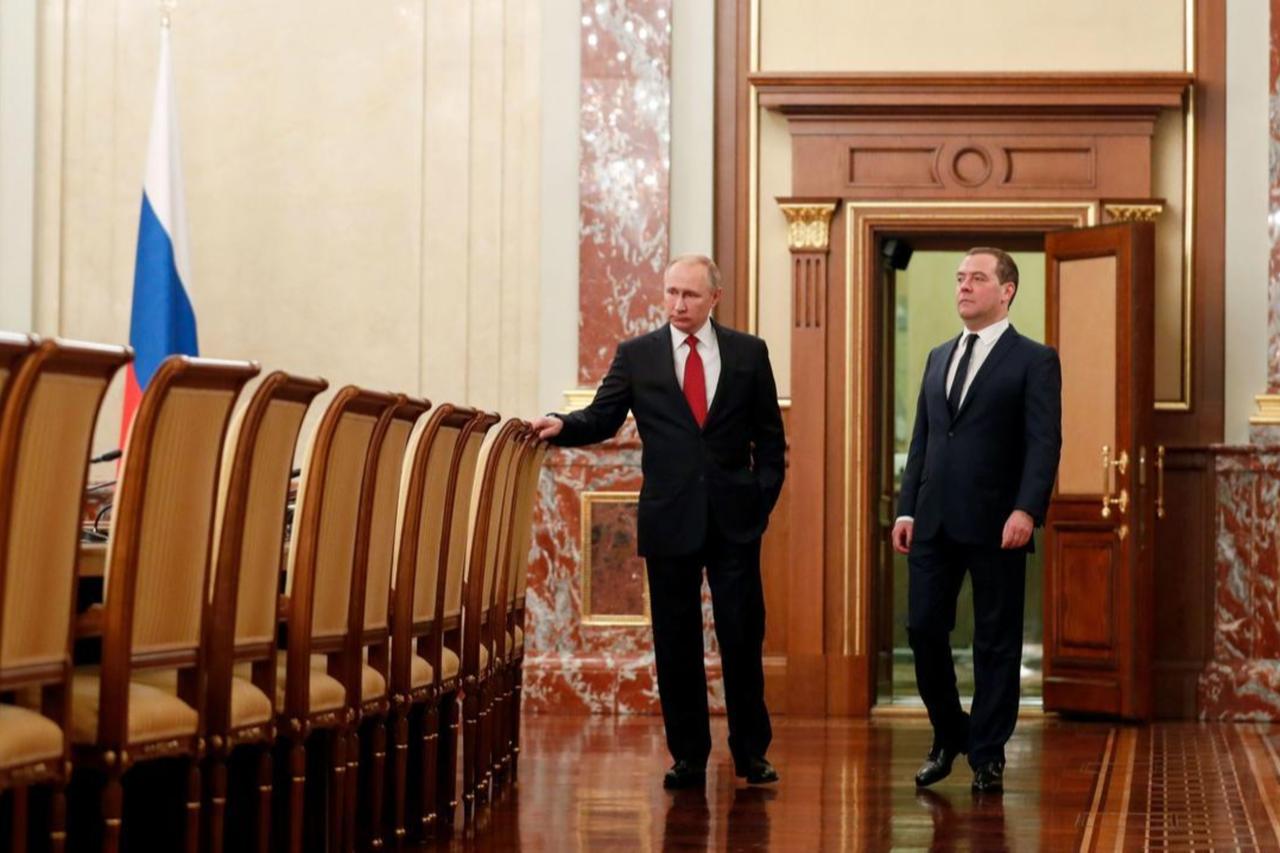


Russia will not tolerate the presence of European or NATO forces in Ukraine and warned of severe consequences if Western nations proceed with such plans, a senior Kremlin official said Saturday.
Dmitry Medvedev, deputy chairman of Russia's Security Council, issued a sharp rebuke of recent discussions among European leaders regarding potential troop deployments to Ukraine, targeting French President Emmanuel Macron in particular for his role in advancing the proposal.
"The ruling European dimwits want a war in Europe after all," Medvedev wrote on X, formerly known as Twitter. "Russia won't accept any European or NATO troops in Ukraine, but no, Micron keeps peddling this pathetic bullshit," he added, using a derogatory nickname for the French president.
Medvedev accompanied his statement with footage of a strike on western Ukraine using the Oreshnik missile system, suggesting Moscow's willingness to use force against any foreign military presence.
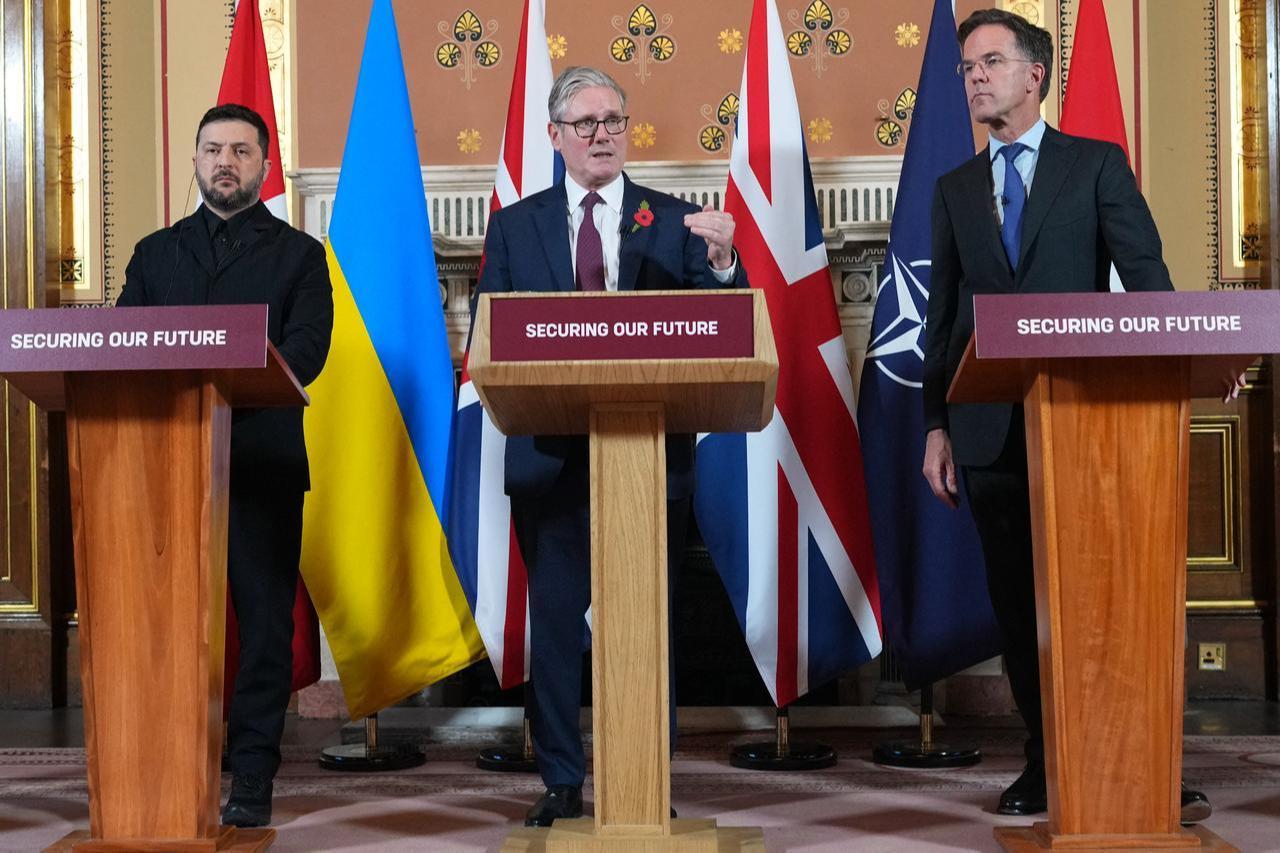

The Russian official's comments follow recent discussions among European leaders about forming a "Coalition of the Willing" to potentially deploy troops for peacekeeping operations or to provide security guarantees in the event of a future ceasefire in Ukraine.
France and the United Kingdom signed a declaration of intent earlier this week outlining plans to deploy forces to Ukraine should a peace agreement be reached. European officials have argued that such a presence would be necessary to ensure stability and enforce any ceasefire terms.
The Kremlin has consistently stated that any foreign military deployment to Ukraine would be viewed as a direct threat to Russian security. Moscow has warned that such forces would constitute legitimate military targets, regardless of their stated peacekeeping or stabilization mission.
The Security Council, where Medvedev serves as deputy chairman, is Russia's principal body for addressing national security issues. While the council's role is primarily advisory, statements from its leadership often reflect official Kremlin policy positions.
The war in Ukraine began in Feb. 2022 when Russia launched what it termed a "special military operation" against its neighbor. The conflict has resulted in hundreds of thousands of casualties and displaced millions of Ukrainians, while also triggering the most severe confrontation between Russia and Western nations since the Cold War.
NATO member states have provided extensive military aid to Ukraine but have avoided direct troop deployments, seeking to support Kyiv's defense while preventing a broader war with nuclear-armed Russia.


 Set as preferred source
 Set as preferred source


 1 min read
 1 min read