Newsletters


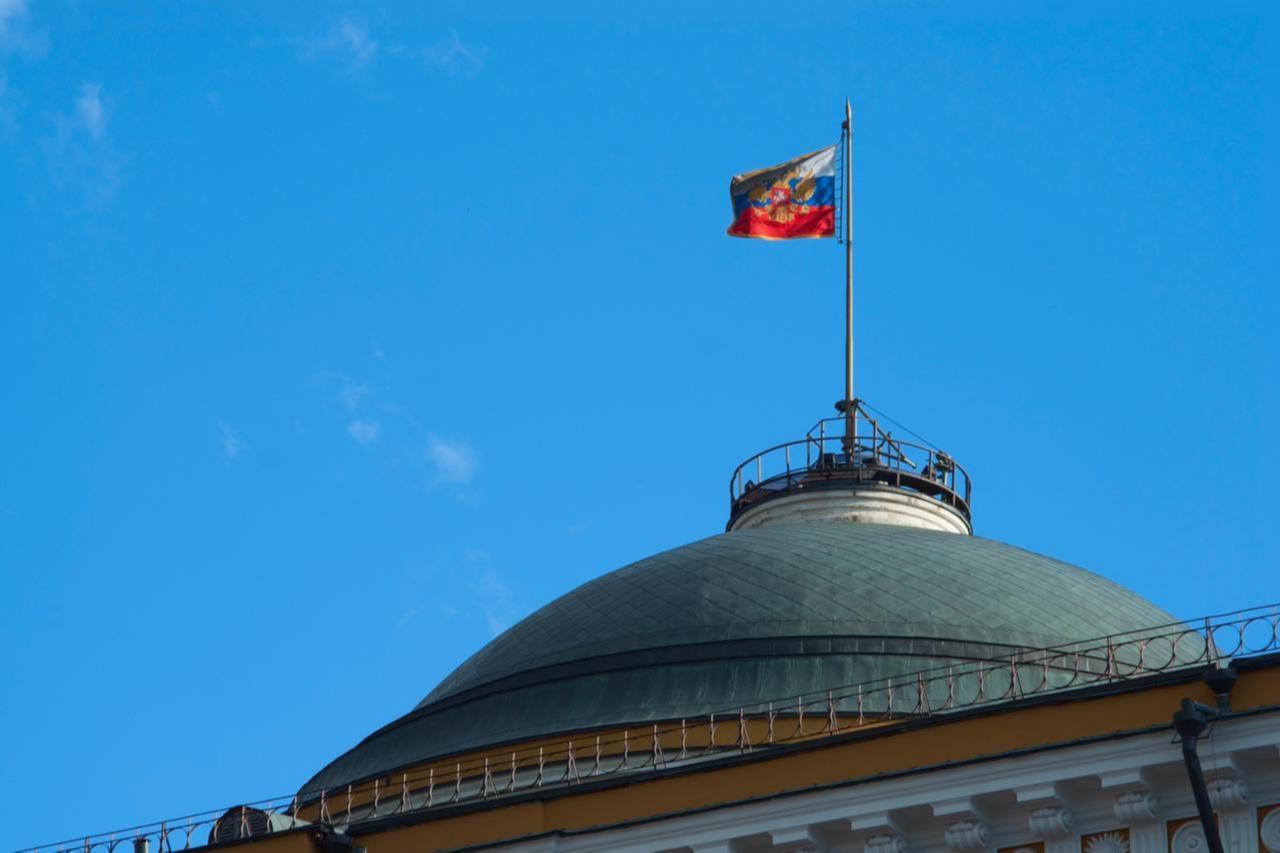


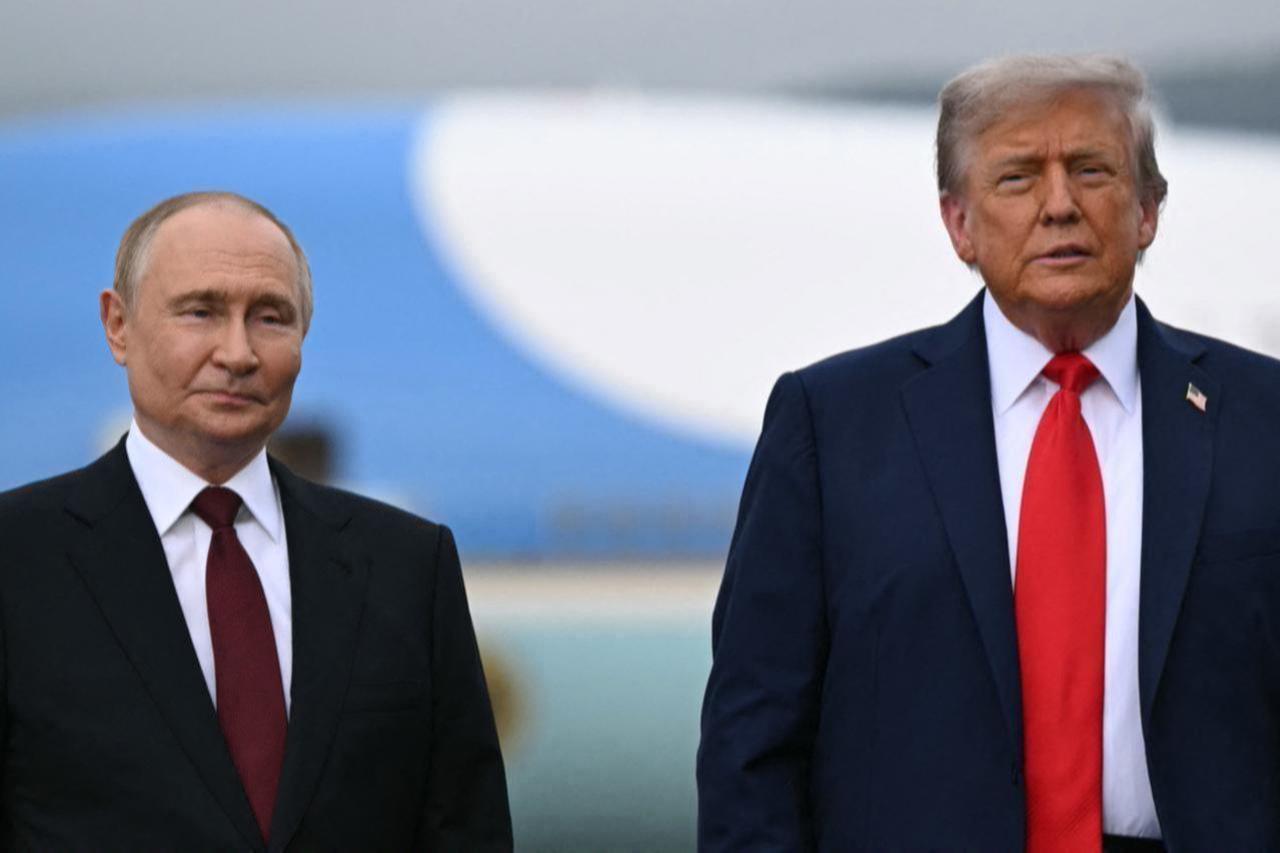
Kremlin spokesperson Dmitry Peskov on Sunday praised recent changes to the United States’ National Security Strategy, stating that Moscow sees the shift as broadly aligned with its own geopolitical vision.
The new U.S. doctrine, unveiled Friday, reflects a departure from Washington’s previous interventionist posture and arrives amid renewed peace discussions over the ongoing war in Ukraine.
Speaking on state television, Peskov said the revised approach “is largely consistent with our vision,” attributing the shift to President Donald Trump’s domestic political strength and noting that his current position allows him to adapt the security framework to reflect his personal worldview.
The updated National Security Strategy redefines U.S. priorities, stating that while Washington will seek to prevent other powers from dominating on a global scale, it will not "waste blood and treasure" attempting to curb the influence of every major or mid-sized power. The document also included criticism of U.S. allies in Europe, describing the continent as "over-regulated," lacking in "self-confidence," and undergoing "civilizational erasure" due to immigration.
The strategy suggests that the United States may pursue a more selective approach to global engagement, with a reduced appetite for military interventions.
The publication of the new strategy coincided with three days of negotiations in Florida between Ukrainian officials and U.S. envoys, focusing on a U.S.-drafted proposal to end the nearly four-year war in Ukraine. However, the talks concluded without producing a concrete breakthrough.

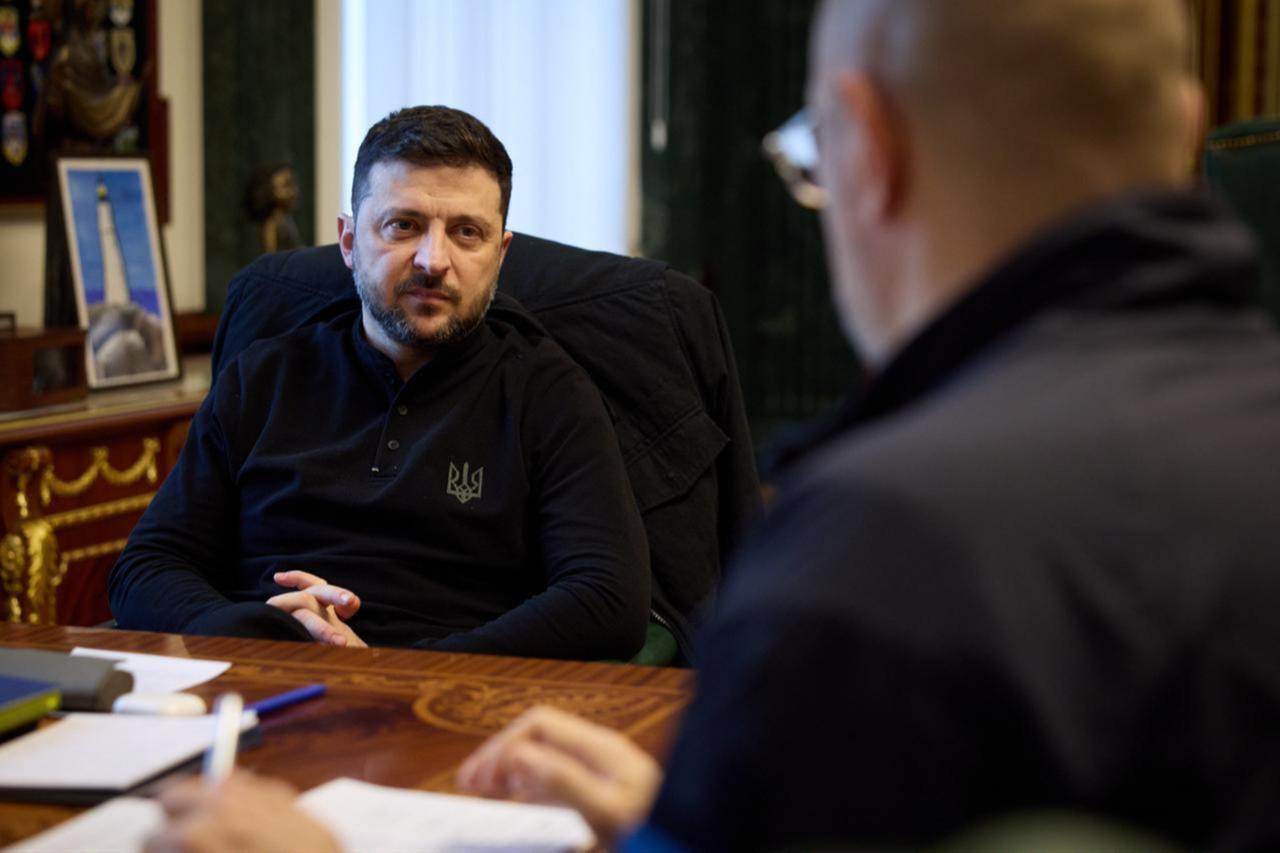
Despite the lack of progress, Ukrainian President Volodymyr Zelenskyy affirmed his government’s commitment to "further negotiations toward real peace." His statement came as Russia launched another wave of drone and missile attacks against Ukrainian targets in the early hours of Saturday.
President Zelenskyy is scheduled to meet with European heads of state in London on Monday to review the status of the peace efforts. The talks will include French President Emmanuel Macron, British Prime Minister Keir Starmer, and German Chancellor Friedrich Merz.
The trilateral engagement with Europe is expected to serve as a critical check-in on the diplomatic process amid continuing hostilities.


 Set as preferred source
 Set as preferred source


 1 min read
 1 min read