Newsletters


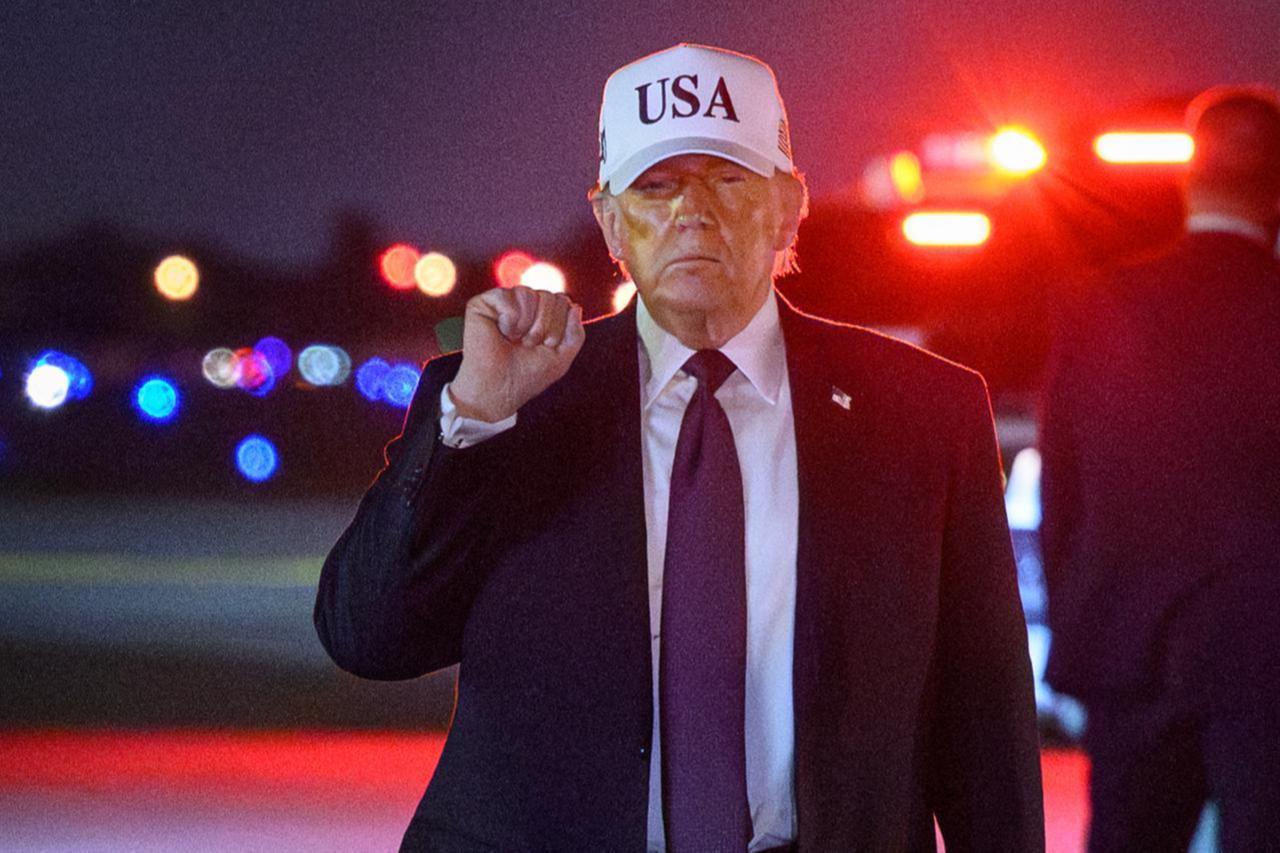


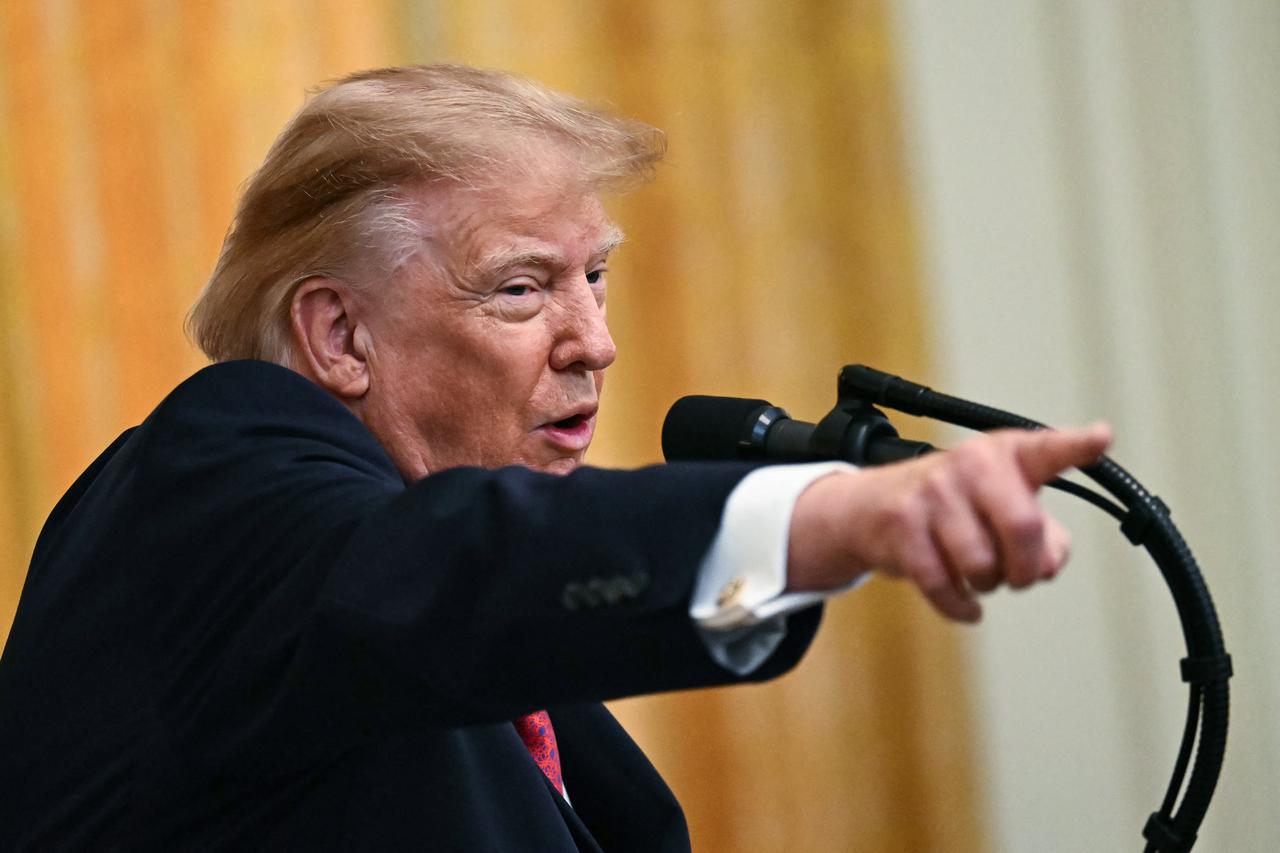
President Donald Trump is weighing support for armed opposition factions inside Iran that could serve as ground forces against the regime, a significant escalation in Washington's posture toward Tehran that goes well beyond rhetorical calls for regime change, according to U.S. officials.
The president spoke on Sunday with Kurdish leaders, officials said, as part of a broader effort to engage local power brokers who might exploit Tehran's vulnerabilities. The Kurds maintain a substantial military presence along the Iraq-Iran border, and recent Israeli airstrikes on positions in western Iran have fueled speculation that a path may be opening for a Kurdish advance into Iranian territory.

White House press secretary Karoline Leavitt acknowledged the outreach in a statement, saying that "President Trump has spoken with many regional partners," though she declined to explicitly confirm Trump's objectives. The president's call with Kurdish leaders was first reported by Axios.
Officials cautioned that Trump has not reached a final decision, including on the critical question of whether the United States would provide arms, training, or intelligence support to antiregime groups. But the deliberations alone mark a notable shift, moving the conversation from aspirational rhetoric toward potential operational backing of insurgent forces with their own distinct agendas.
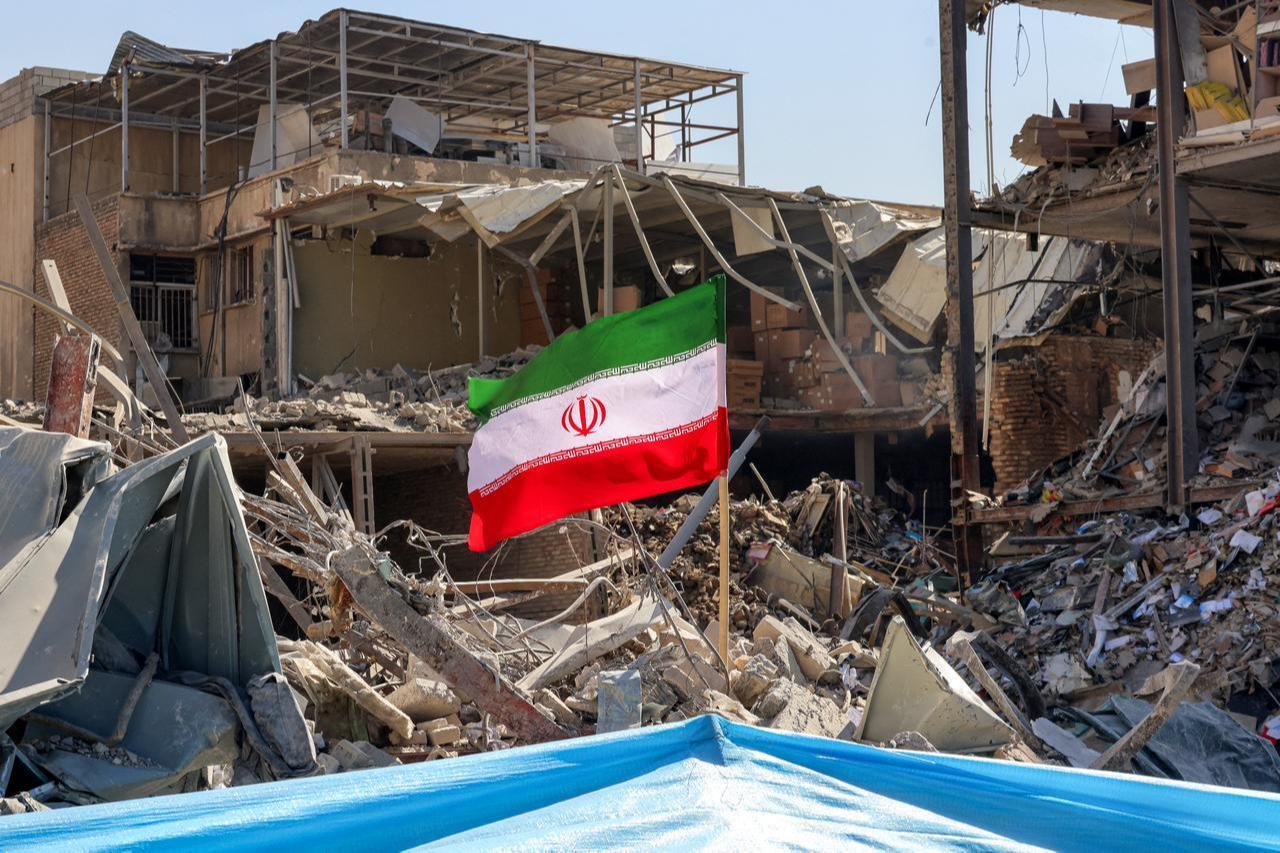
When announcing the launch of U.S. and Israeli strikes on Iran, Trump directly addressed the Iranian public, urging them to "rise up" and "take over your government," pledging that "America is backing you with overwhelming strength and devastating force." The move to explore conditional support for specific armed resistance groups, however, represents a step beyond broad calls for a popular uprising, each faction carrying its own set of goals and territorial interests.
On Tuesday, the president twice shared on social media a Washington Post opinion column that articulated what the author described as a "Trump doctrine." Columnist Marc Thiessen argued in the piece that a U.S. invasion force was unnecessary, writing that "the Iranian people are the boots on the ground." Trump's amplification of the column suggests the administration views an Iranian-led ground effort, rather than direct American military deployment, as central to its strategy.
The emerging approach would, at least rhetorically, align Washington with a patchwork of Iranian opposition factions willing to take up arms against the regime. Yet the contours of any such partnership remain undefined, and officials stressed that the scope of potential U.S. involvement, from intelligence sharing to direct military aid, is still under active deliberation.


 Set as preferred source
 Set as preferred source


 1 min read
 1 min read