Newsletters


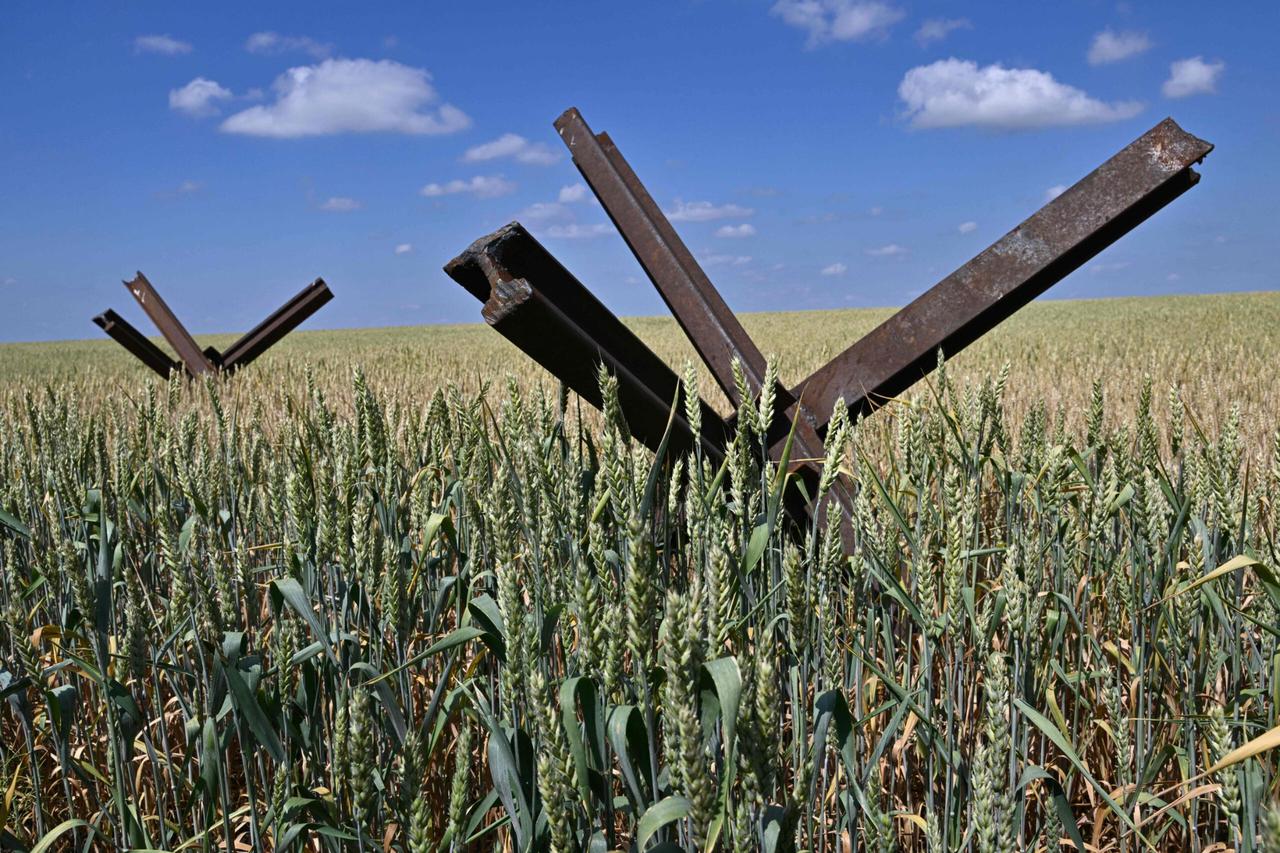


Russia will not return to the Black Sea grain deal, Russian Foreign Ministry spokeswoman Maria Zakharova said, arguing the initiative had allowed Western countries to profit and enrich their own corporations under the guise of helping countries in need.
"Hiding behind lofty slogans, under the U.N. flag, Westerners worked exclusively in the interests of their own corporations. They cheaply bought up agricultural products from Kyiv, supplying raw materials to their processing industries, and then resold them at higher prices, including to the same needy Africans they claimed to care so much about. In reality, they were simply profiting," Zakharova said at a briefing.
Zakharova said Russia fulfilled all its commitments under the grain deal in good faith, but that Moscow no longer intends to show goodwill only to receive new sanctions in response.
Russian Foreign Minister Sergey Lavrov separately said attempts to revive the Black Sea grain initiative through a Russian-Ukrainian moratorium on Black Sea attacks are "completely unacceptable and unrealistic."
"They (Ukraine) proposed: they persuaded the Turks, let's introduce a Russian-Ukrainian moratorium in the Black Sea on strikes against ships carrying civilian goods. This is impossible to monitor. This already happened three years ago, when there was the Black Sea initiative that U.N. Secretary-General (Antonio) Guterres proposed adopting, and we adopted it," Lavrov said in an interview with the online project "Sama Menshova."
Lavrov said Ukraine had repeatedly abused the terms of the Black Sea grain initiative, periodically transporting weapons aboard civilian vessels.
He said Europe had blocked what Russia had been promised under the initiative, unimpeded access to global markets for Russian fertilizer and grain, which is why Moscow "abandoned that arrangement."
"And now they are trying to revive it again. This is completely unacceptable and completely unrealistic," Lavrov said.
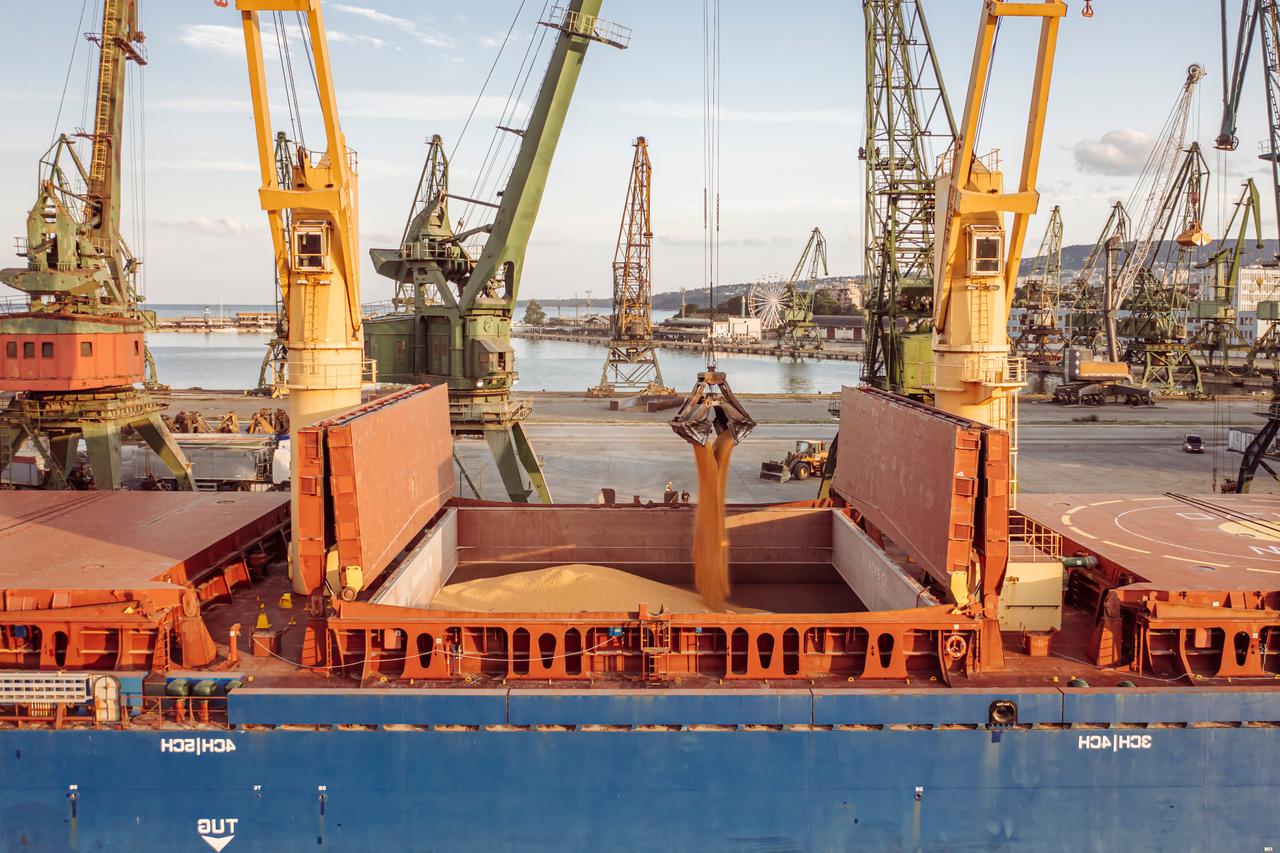
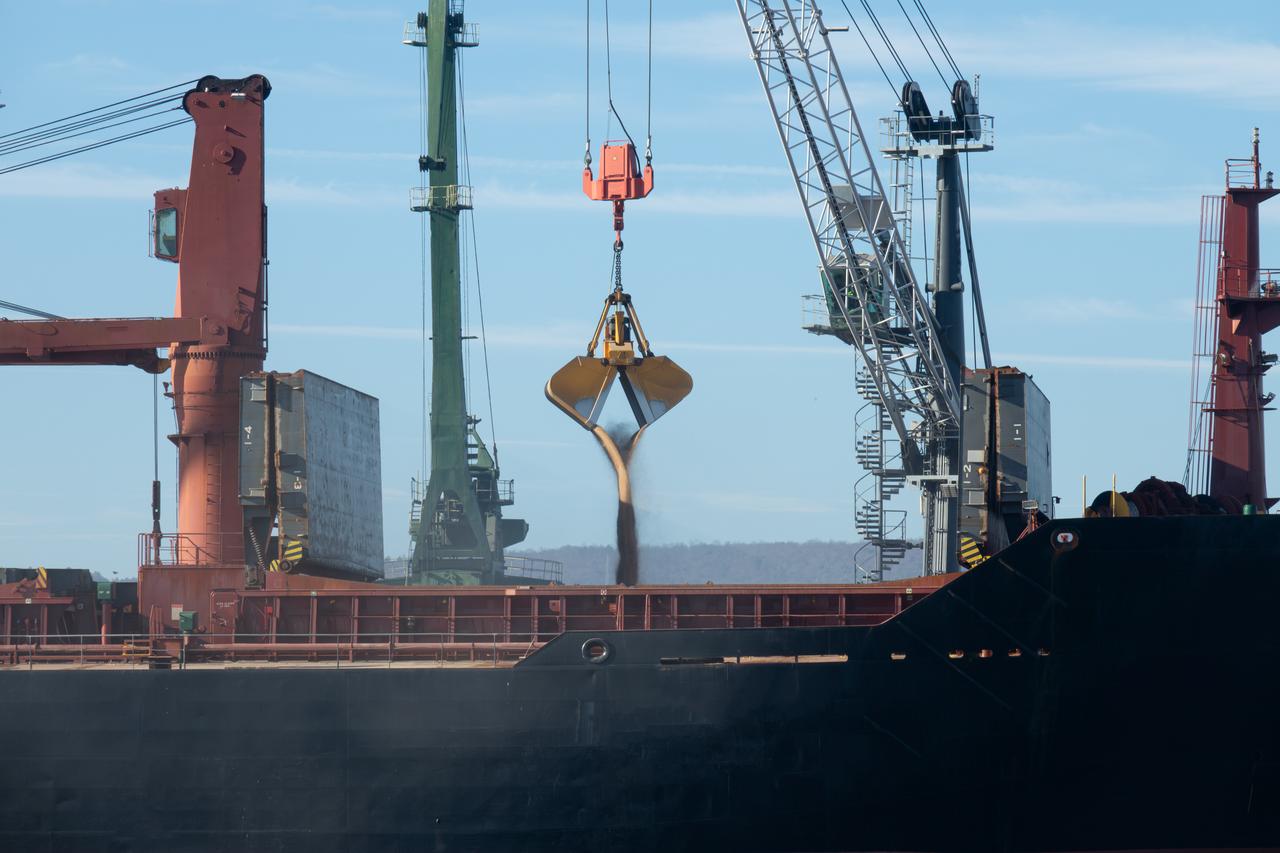
The Black Sea Grain Initiative, signed July 22, 2022, by representatives of Russia, Türkiye, Ukraine and the United Nations, provided for the export of Ukrainian grain, food products and fertilizer through the Black Sea from three ports, including Odesa.
The deal ended on July 18, 2023.
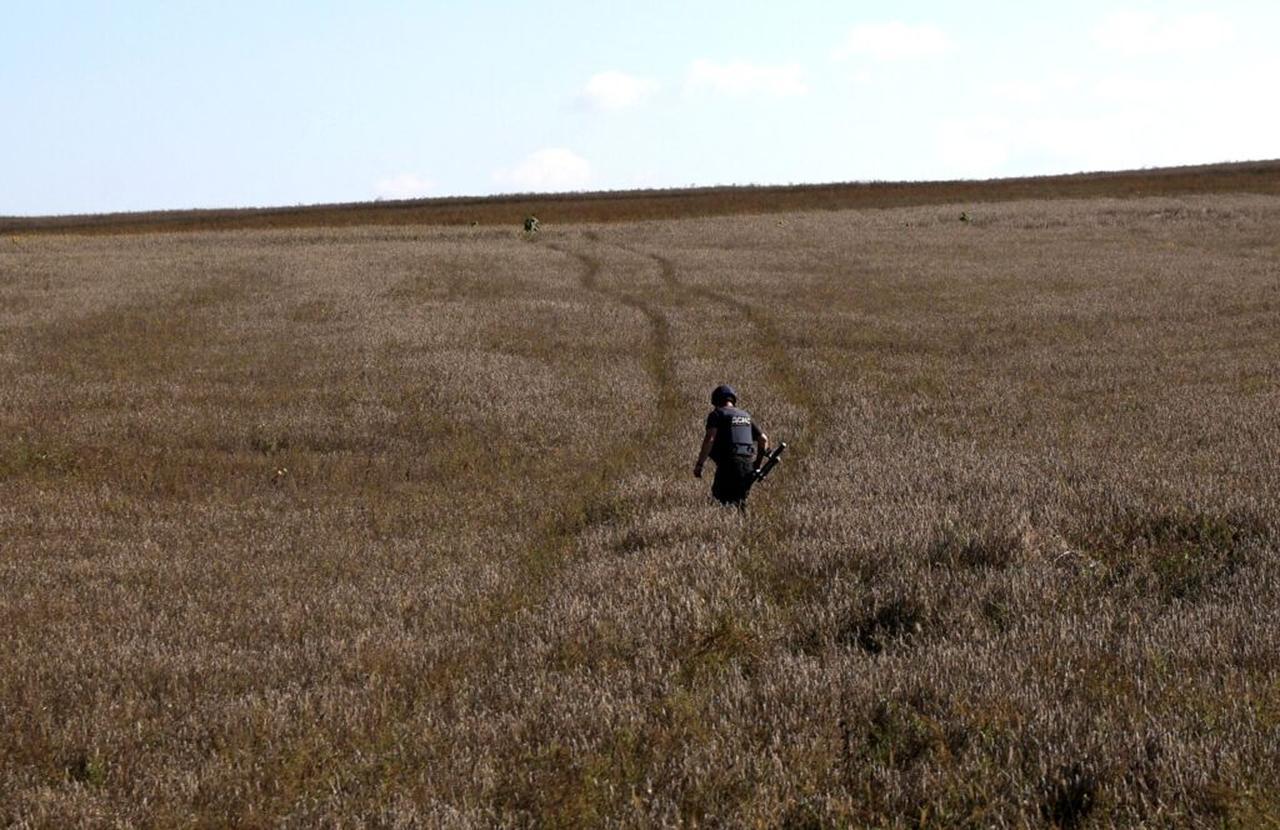

The renewed rejection of the grain deal comes as global food prices have risen to their highest level since late 2022, driven by disruptions linked to the war and its effect on Black Sea exports, according to UN data and the Polish Economic Institute (PIE).
The U.N. Food and Agriculture Organization's Food Price Index rose to 133.3 points in August from 130.8 in July, with prices increasing across all five major food categories, though the index remains about 17% below its March 2022 peak.
PIE said attacks on port infrastructure and shipping in July and August halted much of the grain trade from Russia and Ukraine, which together account for roughly a third of global wheat exports.
Russian strikes on Ukrainian ports in Odesa and along the Danube reduced Ukrainian wheat exports to 1.6 million metric tons between Aug. 1 and 28, about 60% below the level a year earlier and only around 20% of the country's potential export capacity, according to PIE, citing Ukrainian authorities.
Ukrainian drone strikes on Russia's Novorossiysk port contributed to a 56% year-on-year fall in Russian wheat exports, according to estimates by agricultural consultancy SovEcon cited by PIE.
Russian wheat shipments totaled 1.6 million metric tons in the first month of the season, their lowest level for that period since 2017-18.


 Set as preferred source
 Set as preferred source


 1 min read
 1 min read