Newsletters


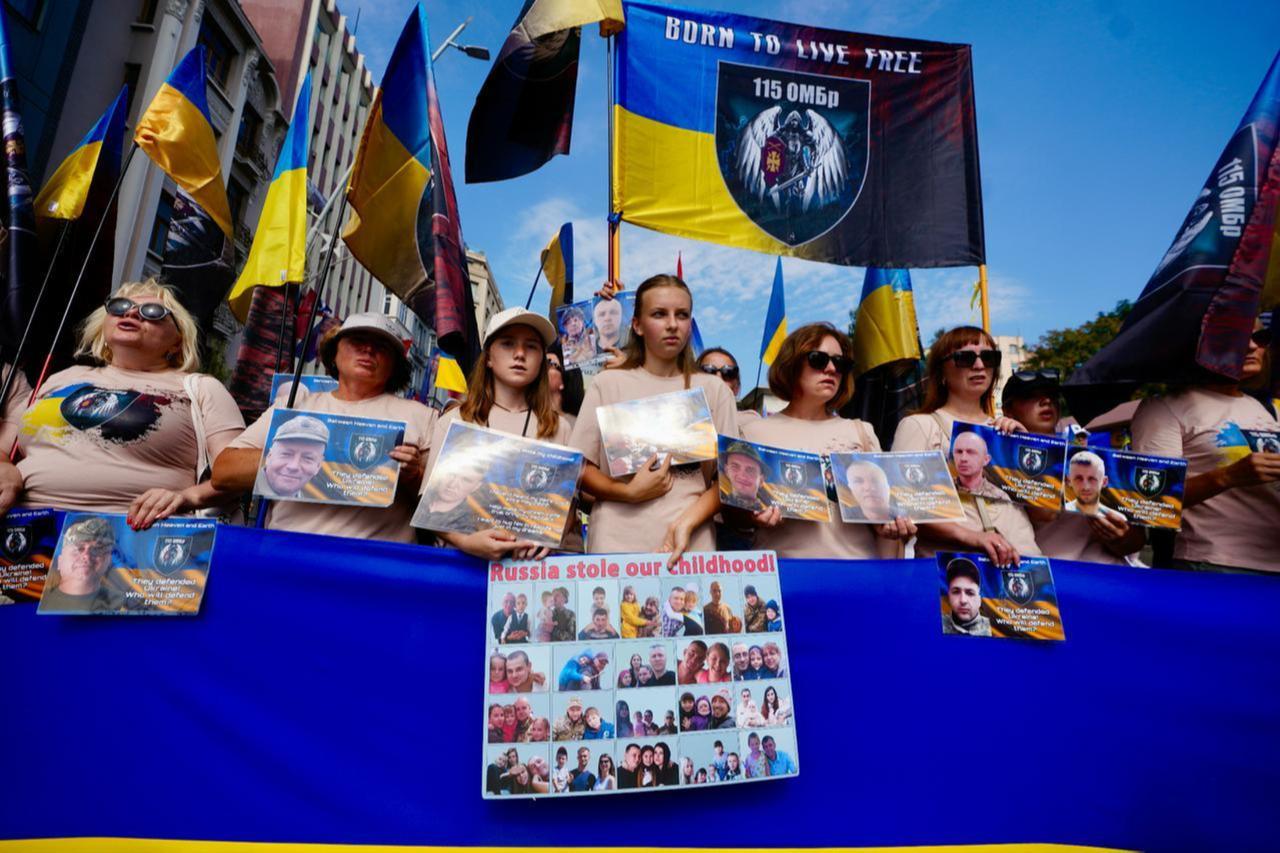


A decorated Ukrainian military commander says Russian forces are systematically executing prisoners of war, with intercepted communications revealing direct orders from military leadership to kill surrendering troops.
Major Oleh Shyriaiev, who commands the Ukrainian 225th Separate Assault Battalion and holds the country's highest military honor of Hero of Ukraine, told The Times that he routinely intercepts radio transmissions containing execution orders. The commander described the practice as systematic, particularly over the past year and a half.
"In the wiretaps and radio communication that we intercept, we routinely hear their military leadership giving orders to execute our servicemen who are trying to surrender," Shyriaiev said, adding that the violations occur across all sections of the front line.
Multiple video recordings allegedly show Russian forces executing Ukrainian soldiers after surrender. Footage from a drone on November 19 near Pokrovsk appears to show a soldier firing a machine gun at four unarmed men lying face down, then shooting another man trying to flee. The videos were reportedly filmed either by Russian soldiers themselves or Ukrainian reconnaissance drones.
Ukrainian prosecutors are also investigating claimed beheadings and an alleged incident involving a Ukrainian soldier with bound hands being killed with a sword.
Ukraine's prosecution service has recorded at least 147 executions of Ukrainian prisoners of war since the conflict began in 2022, with 127 occurring this year alone. The figures reflect what combat observers describe as growing evidence of alleged war crimes in recent months.
Yuri Belousov, who heads the war crimes department at the Ukrainian Prosecutor-General's Office, confirmed an unmistakable pattern. "The upward trend is very clear, very obvious," he said, noting a particular surge during summer and autumn. He described the incidents as having clear signs of being part of a policy rather than isolated events.
The United Nations human rights monitoring mission in Ukraine has also documented a rise in alleged Russian war crimes since mid-November, according to mission head Danielle Bell.


Under the Third Geneva Convention and international humanitarian law, prisoners of war are afforded specific protections, with execution classified as a war crime. Russian President Vladimir Putin has previously stated that Ukrainian prisoners of war have always been treated strictly according to international legal documents and conventions by Russian forces.
The allegations emerge as diplomatic efforts continue, with U.S. President Donald Trump recently hosting Ukrainian President Volodymyr Zelenskyy at Mar-a-Lago in Florida. While Trump described the talks as "terrific" and said he believed substantial progress had been made on a proposed 20-point peace plan, he acknowledged that thorny issues remained before reaching a resolution.
Shyriaiev framed the executions as a broader statement about Russian military conduct. "They are demonstrating to the whole civilized world that they can do things with impunity," he said. "But also, they are showing that they do not respect the rules of warfare and any international conventions that have been signed by countries."
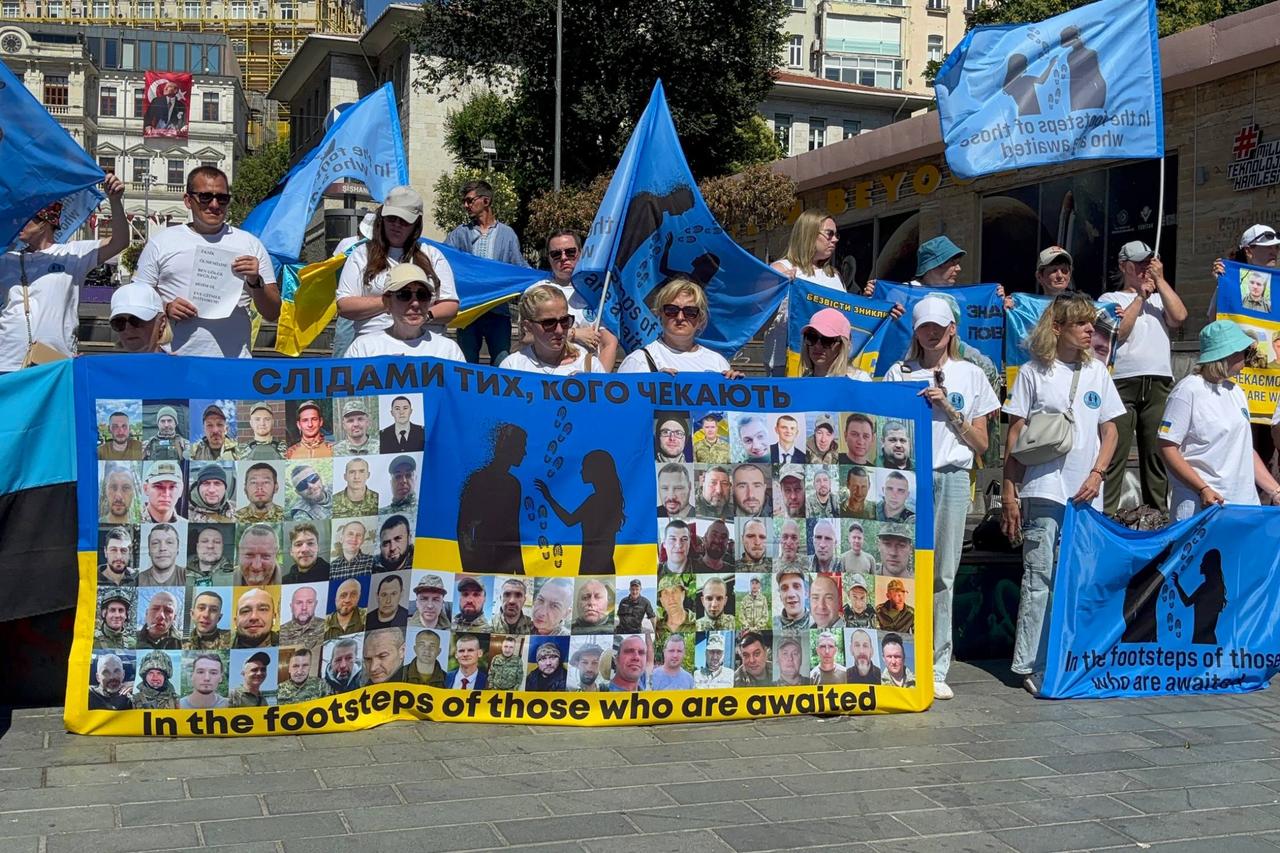
A comprehensive Human Rights Watch investigation has documented systematic torture and abuse of Ukrainian prisoners of war across multiple Russian detention facilities, revealing a pattern of cruelty that extends far beyond battlefield executions.
Between July and Oct. 2025, researchers conducted in-depth interviews with 12 former POWs who described severe beatings, electric shocks, mock executions, sexual violence, and attacks by dogs from the moment of capture throughout their detention.
The abuse followed a brutal ritual known as "priyomka," or admission procedure, which POWs experienced each time they were transferred to a new facility. Former detainees described eight-hour sessions of violence including forced nudity, beatings with rubber batons and wooden mallets, and electric shocks administered using Soviet-era military field telephones.
One sergeant recounted being tied to a chair and shocked for two to three hours while interrogators demanded military information. In four documented cases, medical staff at detention facilities actively participated in torture, with one doctor at Correctional Colony No. 10 in Mordovia routinely using electric shocks as treatment until prisoners stopped reporting illnesses.
 1 min read
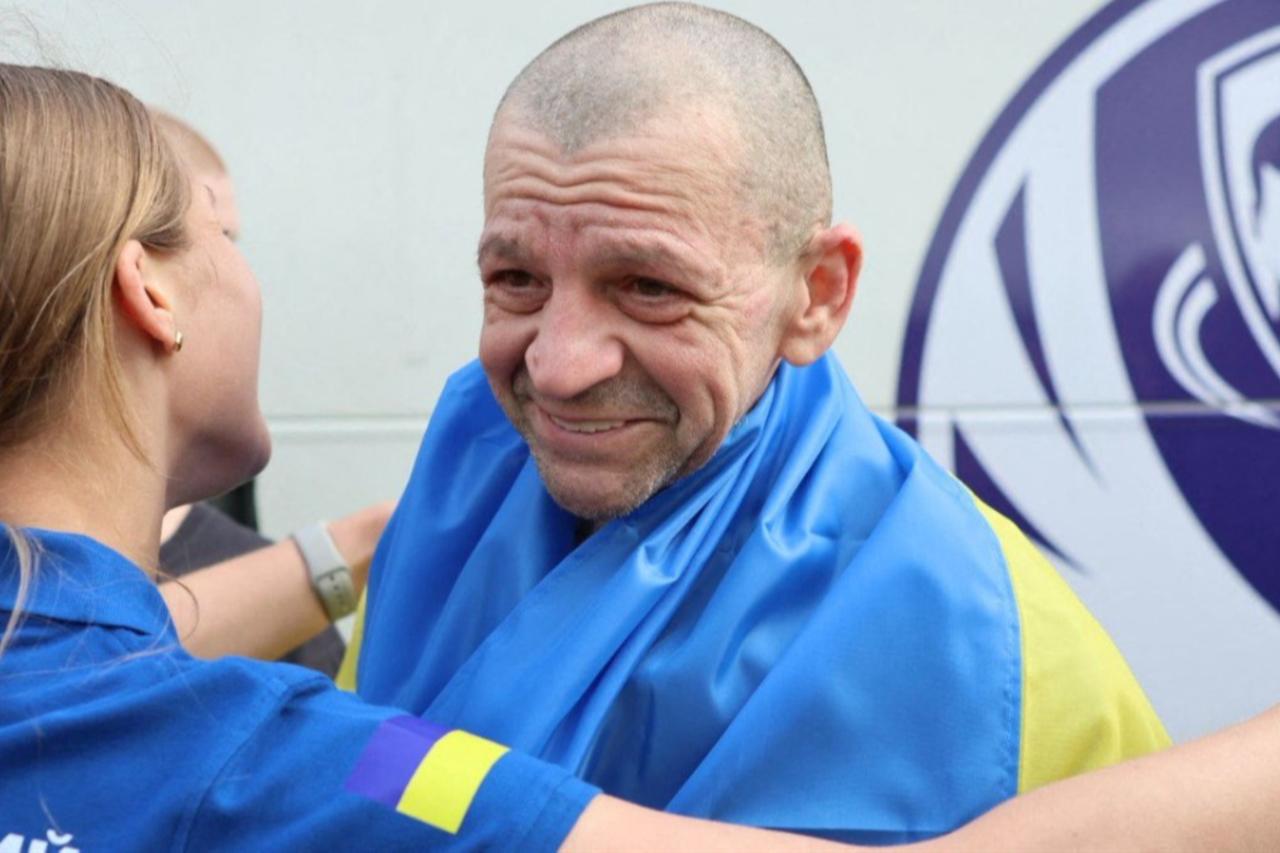
Former POWs described detention conditions as "medieval," with catastrophic food deprivation leading to extreme weight loss. One 45-year-old detainee who weighed nearly 100 kilograms before capture lost close to half his body weight during 38 months in Russian custody.
Another former prisoner, 25 years old and 198 centimeters tall, weighed just 45 kilograms upon release after being held in solitary confinement and regularly deprived of food for up to two weeks at a time. He reported eating cockroaches to survive, while prisoners in nearby cells allegedly caught and ate raw mice.
Russia has systematically refused to grant international monitors access to detention sites, preventing independent scrutiny of conditions. The International Committee of the Red Cross, which has an explicit mandate under the Geneva Conventions to access POWs, has been consistently denied entry.
Russian authorities also severely restricted communication between prisoners and their families, with some POWs held as "missing in action" for over a year before relatives learned of their capture. According to data cited in an OSCE report, Russian authorities have detained at least 13,300 Ukrainian military personnel since February 2022, with an estimated 6,300 remaining in custody and at least 169 killed or died while detained.


 Set as preferred source
 Set as preferred source


 1 min read