Newsletters


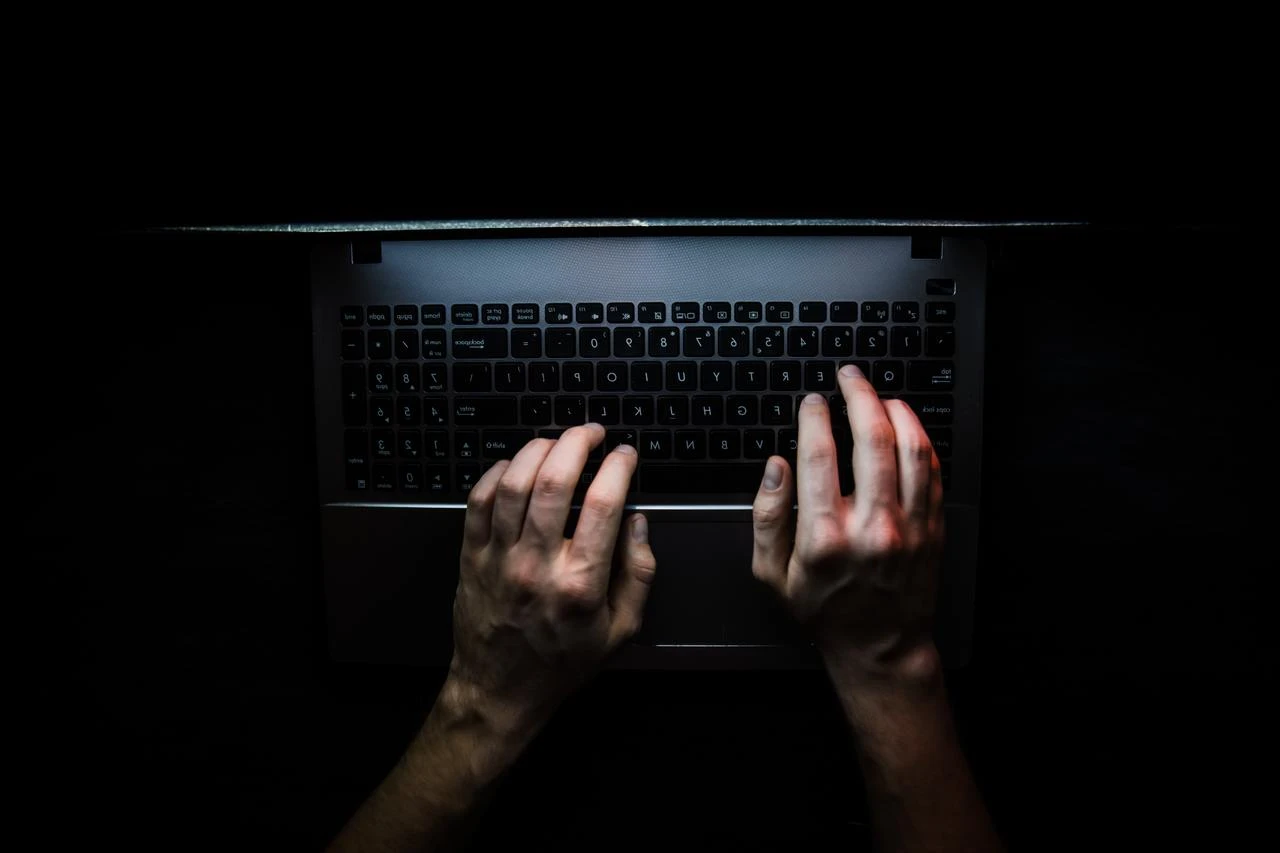


Russian hackers have spent the past year targeting U.S. nuclear scientists, defense contractors and government employees in a cyberespionage campaign aimed at obtaining sensitive research and strategic intelligence, CNN reported.
CNN cited private cybersecurity researchers and a joint warning issued by intelligence and security agencies from the United States and more than a dozen allied countries.
The selection of targets suggested the hackers were seeking information about nuclear fusion technology, as well as intelligence that could support Russia's war in Ukraine, according to the report.
U.S. email security company Proofpoint, which investigated parts of the campaign, found that the hackers had targeted email servers used by nuclear facilities and organizations in the defense industry.
Greg Lesnewich, a researcher at Proofpoint, told CNN that the group appeared particularly interested in organizations and individuals working on nuclear fusion.
He said the hackers were likely attempting to assess the technological progress made by Russia's competitors in the field.
The hackers used an unusual software vulnerability that could compromise an email system without requiring the recipient to click a link or open an attachment, according to the multinational security advisory.
Simply opening the malicious email could activate the exploit on systems that had not been secured against the vulnerability.
The technique could allow attackers to obtain three months of a victim's email communications and copy the email directory of an entire organization, the advisory said.
The warning described the Russian operation as an ongoing espionage campaign and was intended partly to help identify additional victims.
New reports from affected organizations could allow U.S. and allied authorities to determine what information the hackers obtained, CNN reported.
The advisory said the hackers tested their techniques against targets in Ukraine before expanding the campaign to NATO countries.
Federal and local governments, law enforcement agencies and organizations in the defense, education and energy sectors were among those targeted.
The United States and its allies did not identify specific victims.


 Set as preferred source
 Set as preferred source


 1 min read
 1 min read