Newsletters


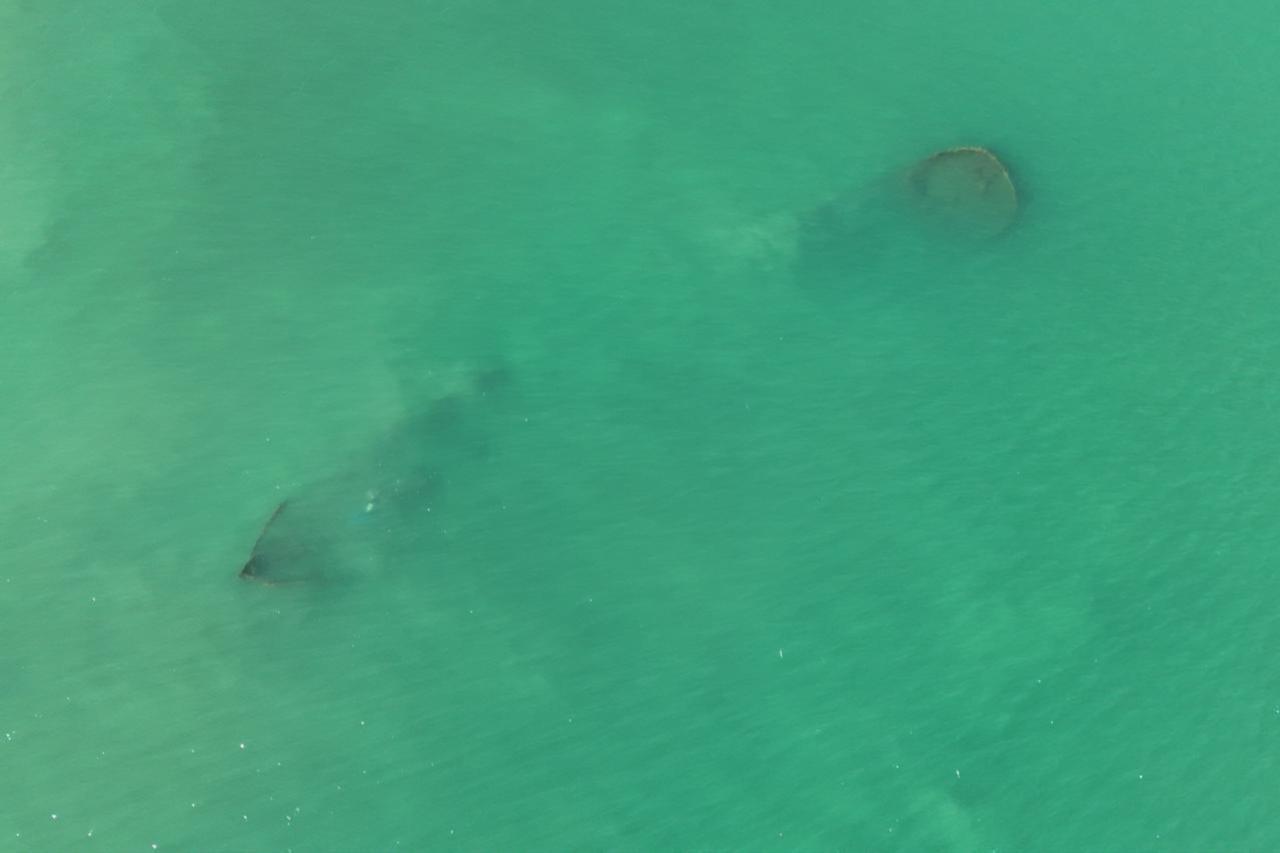


A Russian cargo ship that sank off Spain in December 2024 may have been carrying two submarine nuclear reactors possibly destined for North Korea, CNN reported, citing its investigation.
The Ursa Major suffered explosions and sank about 60 miles off Spain on Dec. 23, 2024. CNN said the circumstances remain unclear, while military activity around the wreck has deepened questions about its cargo and destination.
The Spanish government said in a Feb. 23 statement that the ship’s Russian captain told investigators the Ursa Major was carrying “components for two nuclear reactors similar to those used in submarines,” CNN reported.
The captain said he was unsure whether the components contained nuclear fuel.
The items had been listed on the ship’s manifest as two large “manhole covers,” along with 129 empty containers and two Liebherr cranes. The vessel’s public destination was Vladivostok, in Russia’s Far East.
CNN reported that a source familiar with the Spanish investigation said the captain believed the ship could be diverted to North Korea’s Rason port to deliver the reactors.
The Ursa Major left St. Petersburg on Dec. 11 after docking at Ust-Luga and was escorted by two Russian military ships, the Ivan Gren and Aleksandr Otrakovsky, as it moved through European waters.
On Dec. 22, the ship slowed sharply in Spanish waters. Its crew told Spanish rescuers it was not in distress.
About 24 hours later, the vessel deviated from its course and issued an urgent call for help. The Spanish investigation said three explosions hit the ship’s starboard side, likely near the engine room, killing two crew members and leaving it listing and immobile.
Fourteen surviving crew members evacuated in a lifeboat and were rescued by Spain’s Salvamar Draco.
A Spanish military vessel later arrived, but the Ivan Gren ordered nearby vessels to stay two nautical miles away and asked for the rescued crew to be returned immediately, CNN reported.


A source familiar with the Spanish investigation told CNN the ship initially appeared stable and was not expected to sink quickly.
At 9:50 p.m., the Ivan Gren fired red flares over the scene, and four explosions followed. The Spanish National Seismic Network told CNN it recorded four similar seismic signatures in the area at the same time.
By 11:10 p.m., the Ursa Major was reported sunk.
The surviving crew members were brought to Cartagena, debriefed by Spanish investigators and later returned to Russia.
Oboronlogistics, the state-linked owner of the ship, called the sinking a “targeted terrorist attack” four days later and said there had been three blasts.
The company said a 50-centimeter by 50-centimeter hole was found in the hull, with damaged metal facing inward, and that the deck was covered with shrapnel.
CNN said Russian newspaper Kommersant later reported the ship was carrying port cranes and hatches for nuclear reactors for a new icebreaker in Vladivostok.
A week after the sinking, the Russian vessel Yantar, officially a research ship but accused of espionage and disruption in NATO waters, sat over the wreckage for five days, a source familiar with the investigation told CNN.
Four more explosions were later detected, possibly targeting the remains of the ship on the seabed.
CNN also reported that a U.S. WC-135R nuclear detection aircraft flew over the area twice after the sinking, according to public flight data.
A spokesperson for the 55th Wing base at Offutt, Nebraska, told CNN the aircraft usually “supports nuclear debris collection and analysis" but gave no further details.
CNN said it remains unclear whether the flights detected contamination. Spain has not indicated radiation concerns along its southern coast, and no evidence has emerged to that effect.
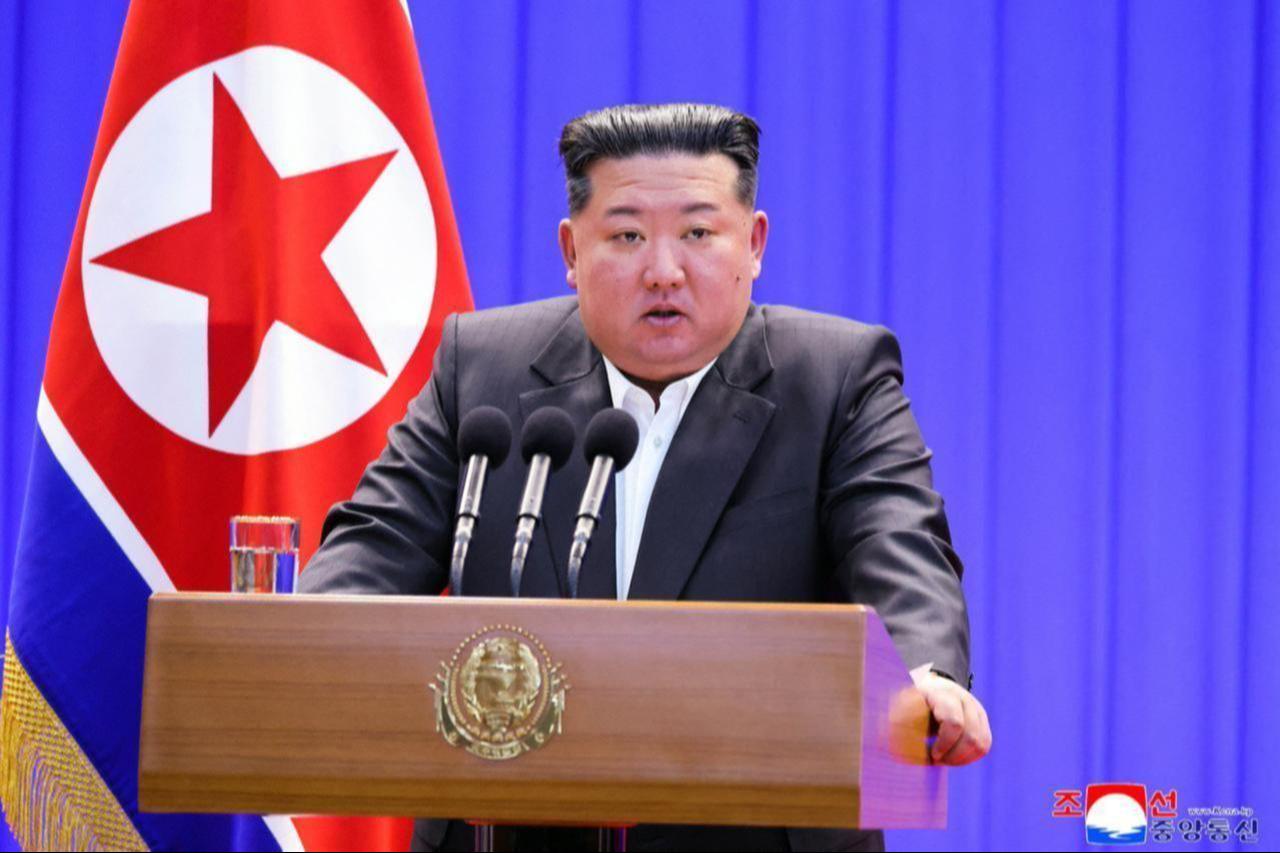
CNN said the possible North Korea link comes after Pyongyang released images in December 2025 of what it described as its first nuclear submarine, though the images did not show evidence of a working reactor.
Mike Plunkett, senior naval platforms analyst for Janes, told CNN it was unlikely new reactors would be shipped with fuel.
If the reactors came from decommissioned submarines, they would be radioactive, “although obviously not as much as if they were fully loaded with fuel,” he said.
Plunkett said any Russian transfer of such technology to North Korea would be a “major move by Moscow” and “very troubling, potentially, particularly if you’re South Korea.”
CNN said the Spanish investigation noted North Korea’s status as a Russian strategic ally and its calls for Moscow to share nuclear technical expertise.
The Spanish investigation proposed that the hull damage may have been caused by a Barracuda supercavitating torpedo, CNN reported, citing a source familiar with the report.
CNN said only the United States, some NATO allies, Russia and Iran are believed to have such high-speed torpedoes.
Plunkett said a limpet mine was a more likely explanation, describing the damage as sounding like “a shaped charge explosive that was placed against the hull by somebody or something.”
CNN said Oboronlogistics and the Russian, Spanish and British militaries did not respond to requests for comment, while the Pentagon declined to comment.
The ship’s cargo and the cause of its sinking remain unresolved, with key evidence lying about 2,500 meters below the Mediterranean Sea.


 Set as preferred source
 Set as preferred source



 4 min read