Newsletters


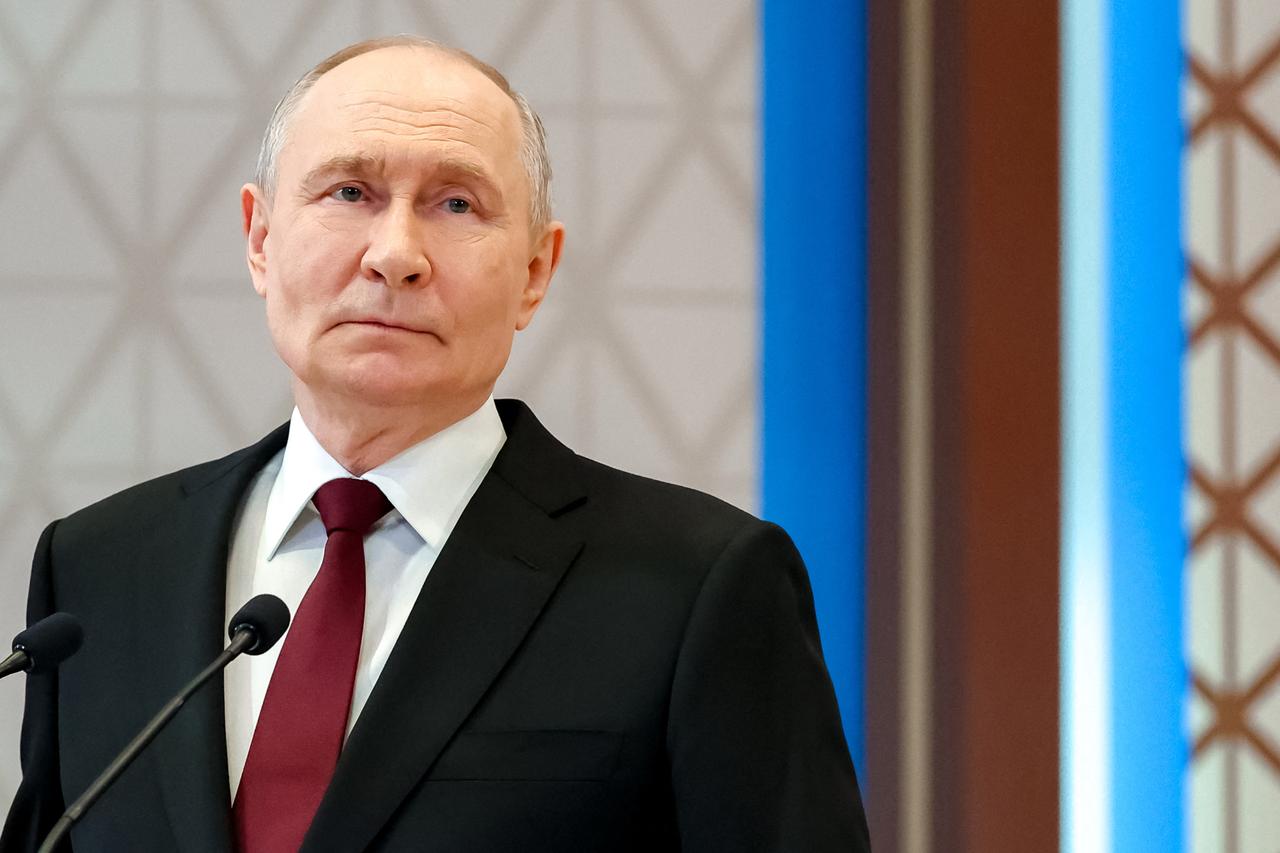


Russia's intelligence agencies have grown more aggressive in stealing Western technology and defense secrets as sanctions squeeze the country's wartime economy, three senior European intelligence officials told The Associated Press (AP).
Polish authorities separately announced the detention of an employee at the country's largest state-owned defense company on suspicion of spying for a foreign intelligence service.
Sanctions have not dulled Russia's technology ambitions; they have sharpened them, according to Christoffer Wedelin, deputy head of operations at Sweden's Security Service, who spoke to the AP.
"Moscow has built an extensive covert procurement network across Europe, using shell companies and recruited intermediaries to route restricted goods back to Russia. The campaign is not the work of one agency," he said, adding, "All of the security and intelligence services in Russia are helping out on the state's efforts to get this."
The targets are specific and strategic.
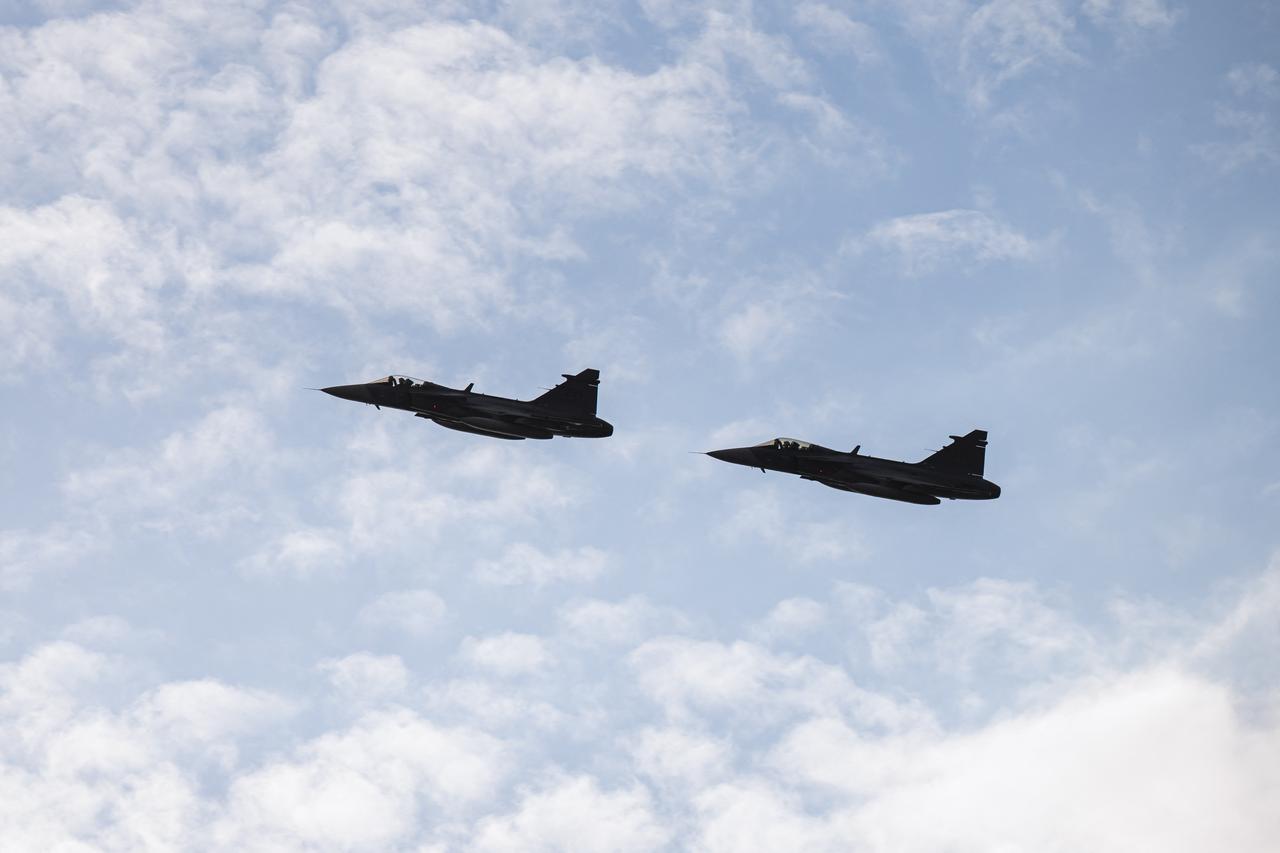
In Sweden, Russian operatives have sought secrets related to the domestically developed Gripen fighter jet and commercially produced optical and laser equipment that could be repurposed for military applications. "They really know what they need," Wedelin said, placing "serious effort" behind advanced manufacturing machinery, research, and dual-use technology.
Finnish intelligence director Juha Martelius said Russia's shopping list extended far beyond near-term military needs.
"We're talking about space technology, quantum ... arctic technology, marine technology," he said, adding Russia needs space capabilities "right now," technology nations use for satellite imaging, communications and navigation. Restricted computer components and software for industrial machine tools were also on the list, he added.
In May, Swedish police arrested two individuals for sanctions violations connected to a firm that had shipped dozens of consignments of precision metalworking equipment to Russia.
British intelligence chief Anne Keast-Butler said Wednesday that Russia was "relentlessly targeting" the UK and its allies, combining technology theft with plots involving sabotage and targeted killings.
"Companies risk becoming unwitting nodes in Russia's military supply chain," Wedelin warned.

Beyond procurement, Russian intelligence has been conducting cyberattacks against European firms and infrastructure, not merely to steal data but to pre-position for future disruption, Wedelin said.
That threat became real last year when Russian-linked operatives targeted a Swedish power plant in what Wedelin described as a deliberate attempt to destroy it. The attack failed only because the plant's systems detected the intrusion in time.
The incident marked a turning point, he said, where Russia once kept a low profile to avoid detection, but it is now prioritizing results over concealment.
"They're no longer caring as much about potential attribution after their activities, so they are taking greater risks to achieve their goals," Wedelin said.
Beneath the surge in espionage lies a deteriorating financial picture. Russia's economy "is not doing well at all," said Kaupo Rosin, head of Estonia's Foreign Intelligence Service, who spoke to the AP.
"Roughly a third of GDP is now consumed by the war in Ukraine," Martelius said.
The Kremlin had budgeted a deficit of 3.7 trillion rubles ($52.1 billion) for 2026 and had already accumulated 3.4 trillion rubles ($47.9 billion) in red ink by the end of February.
The Iran war, which erupted Feb. 28, sent oil prices higher and provided a temporary boost; both the United States and the United Kingdom loosened sanction restrictions to ease global energy costs. But the windfall has limits. "It doesn't save them," Rosin said, adding that if Western pressure holds, a financial crisis could arrive by year's end.
Intelligence reporting seen by his service reflects a sobering shift in mood inside the Russian government. The confident "total victory" framing of earlier years has quietly disappeared from internal communications, replaced by private doubt. Senior officials are questioning what the conflict has actually achieved, Rosin said, "What is this all for?"
Keast-Butler put the toll in blunter terms, saying nearly 500,000 Russian soldiers have been killed since the 2022 invasion.
Martelius said he believed Putin has a reasonably accurate picture of Russia's economic troubles, even if some reports reaching him have been filtered. But he cautioned against reading that awareness as a predictor of reform. Analyzing Russia through a Western political lens, he said, was itself a dangerous error. "It is very dangerous ... to start analyzing Russia as if it is some country like ours. It is not."
The European intelligence warnings coincided with an announcement from Warsaw on Friday that an employee at a factory within Polska Grupa Zbrojeniowa, Poland's state-owned defense conglomerate, had been arrested this week on suspicion of spying for a "foreign government."
Poland's Military Counterintelligence Service led the investigation. Prosecutors in Poznan charged the suspect with sharing information with a foreign intelligence service in a manner harmful to Polish national security.
A court ordered three months of pre-trial detention. Polish law carries a minimum eight-year sentence for espionage and allows for life imprisonment.
Defense Minister Wladyslaw Kosiniak-Kamysz confirmed the arrest. Intelligence coordinator Tomasz Siemoniak was direct in his assessment: "Another espionage suspect in custody; good work by the SKW, ABW, and prosecutors."
Authorities declined to name the foreign intelligence service involved or specify what information may have been passed. PGZ, a conglomerate whose subsidiaries manufacture artillery systems, armored vehicles, ammunition and small arms, has operated at expanded capacity since Russia's 2022 invasion of Ukraine, as Poland pursues one of Europe's most ambitious military build-ups.
Warsaw has repeatedly identified itself as a priority target for hostile intelligence services, largely because of its function as the primary transit corridor for Western military supplies flowing into Ukraine.
Polish security services broke up a spy network in 2023 that was allegedly monitoring the railway routes used to move weapons and aid eastward.


 Set as preferred source
 Set as preferred source


 1 min read
 1 min read