Newsletters


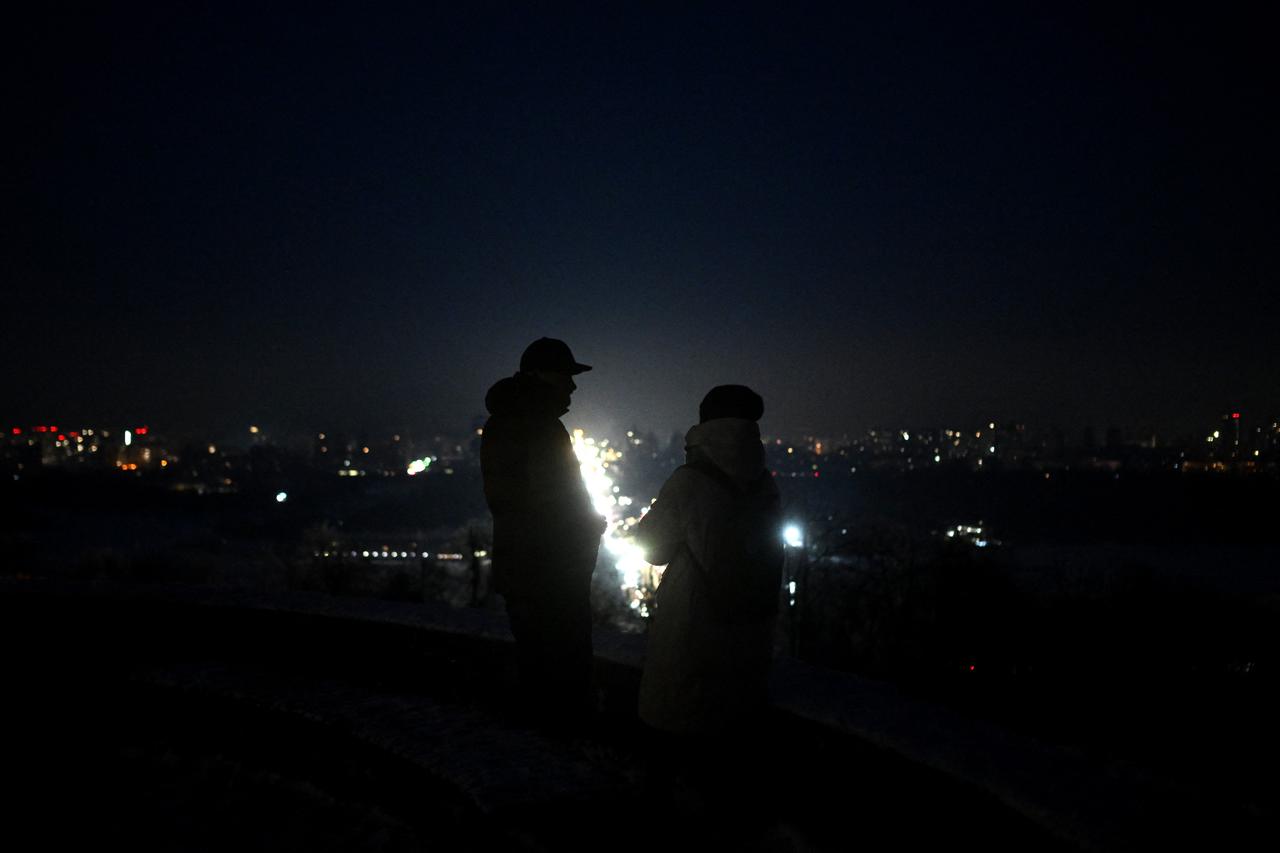


A massive overnight Russian assault on Ukraine's energy infrastructure has left more than half a million residents of Kyiv's housing blocks without heating and water as temperatures plunged to -14 Celsius on Tuesday, compounding a humanitarian crisis that has driven 600,000 people from the capital this month.
The barrage of 339 long-range combat drones and 34 missiles targeted energy facilities across at least seven regions, killing at least one person near Kyiv and three others in the Zaporizhzhia region later in the day, according to Ukrainian authorities. The strikes hit critical infrastructure in Odesa, Poltava and Rivne regions, and temporarily severed power to the defunct Chernobyl nuclear power plant before it was reconnected.
The attack came approximately 10 days after the most devastating strike on Kyiv's energy grid since Russia's invasion began nearly four years ago, which left half the capital without heating and prompted an unprecedented evacuation call from Mayor Vitali Klitschko.
"Not everyone has a chance to leave the city, but right now the population is reduced," Klitschko told AFP, confirming that 600,000 people had departed from the capital of roughly 3.6 million residents.
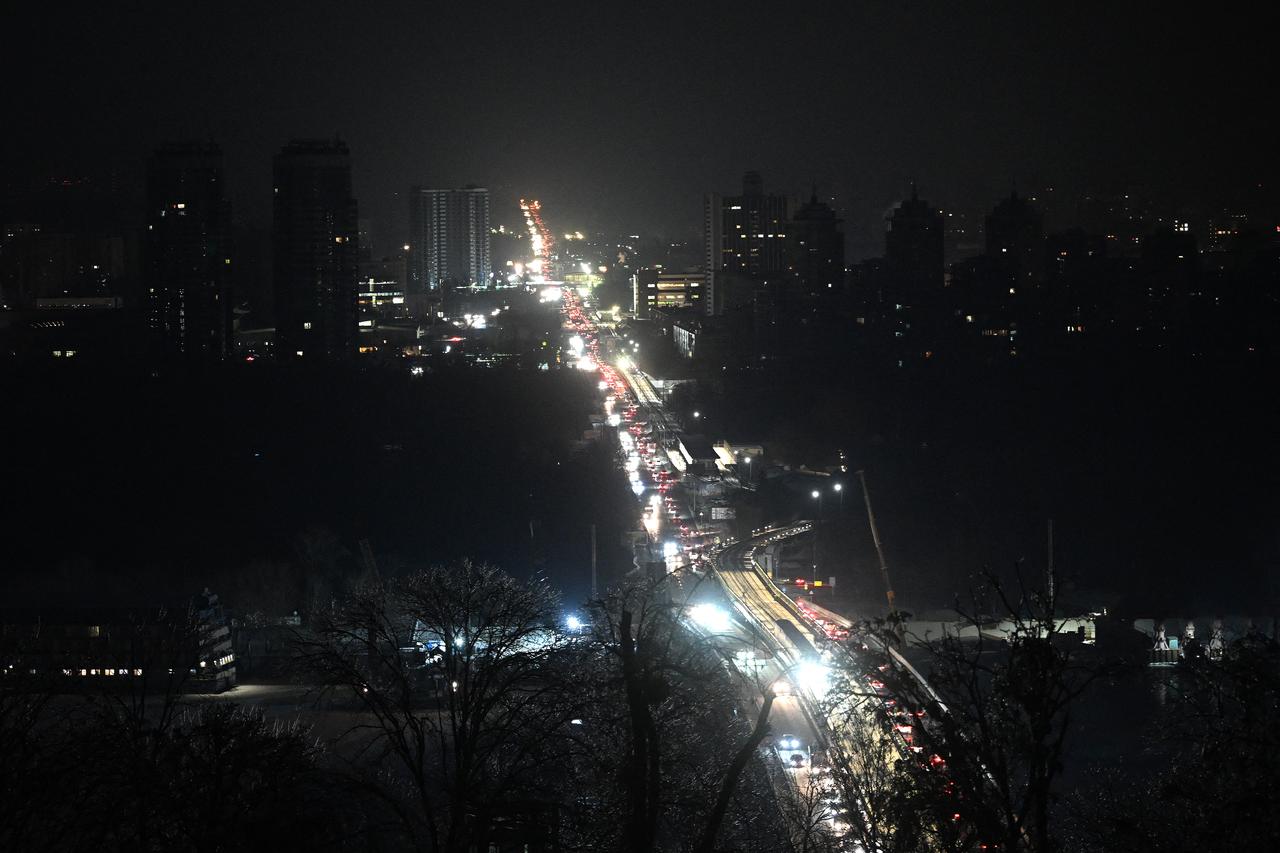

President Volodymyr Zelensky said more than one million people in Kyiv would be without electricity by Tuesday night, with approximately 4,000 housing blocks—about half the capital's total—still lacking heating. The Ukrainian parliament building was also cut off from utilities, according to speaker Ruslan Stefanchuk.
Schools have been shuttered until February and street lights dimmed as authorities scramble to preserve dwindling energy resources. Most buildings affected in Tuesday's bombardment were the same ones damaged in the January 9 attack.
Marina Sergienko, a 51-year-old accountant sheltering in a central Kyiv metro station alongside dozens of residents bundled in winter clothing, described what she saw as Russia's strategic intent. "To wear down the people, push things to some critical point so there's no strength left, to break our resistance," she said.
Foreign Minister Andriy Sybiga condemned Russian President Vladimir Putin, stating that he "continues to wage a genocidal war against women, children and elderly." Sybiga urged Ukraine's allies to strengthen its air defense systems following the widespread targeting of energy infrastructure.
Zelensky criticized what he called unsatisfactory air defense performance against Iranian-designed Shahed drones, though he noted Ukraine had received ammunition for air defense systems just one day before the attack. The president suggested he might skip the World Economic Forum in Switzerland to address the strike's aftermath, though he left open the possibility of attending if agreements with the United States on post-war economic and security support were ready for signing.
In Davos, Russian envoy Kirill Dmitriev met with US President Donald Trump's special envoy Steve Witkoff and Trump's son-in-law Jared Kushner. Dmitriev characterized the discussions as constructive, claiming that "more and more people are realising that Russia's position is right."
Russia has systematically targeted Ukraine's energy sector throughout its invasion, which Kyiv characterizes as an effort to undermine civilian morale and weaken resistance. The Kremlin maintains it strikes only military facilities and blames Ukraine for prolonging the conflict by refusing its peace demands.
The Russian defense ministry said Tuesday it had conducted strikes on facilities supporting Ukraine's military operations. However, the International Criminal Court has issued arrest warrants for two senior Russian military officials over attacks on Ukraine's energy grid, determining such strikes constitute war crimes designed to harm Ukrainian civilians.
Ukrainian authorities do not disclose which specific energy facilities have been damaged or destroyed due to wartime security concerns.


 Set as preferred source
 Set as preferred source


 1 min read
 1 min read