Newsletters


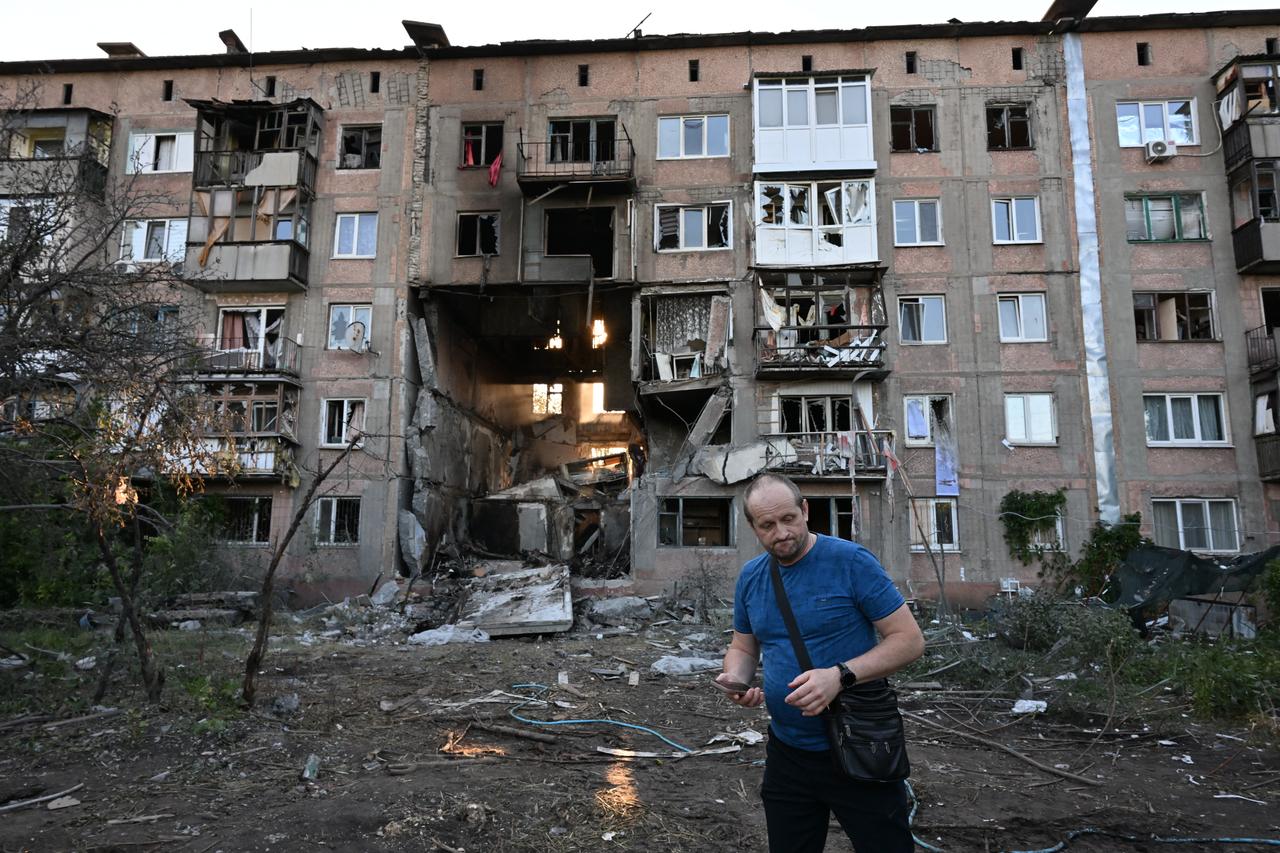


Small businesses in Russia are coming under growing pressure from the country's slowing wartime economy, as tax increases, persistent inflation, weaker consumer demand and tighter regulations weigh on shops and entrepreneurs, according to Agence France-Presse (AFP).
In Mytishchi, a Moscow suburb on the northeastern outskirts of the Russian capital, shut-down shops and "for rent" signs show the strain on local businesses as Russia continues its war in Ukraine.
"My business is on its last legs. I'm thinking about shutting down completely," the owner of a pharmacy in Mytishchi told AFP.
The pharmacy owner, who has been in business for 12 years, spoke anonymously, citing security concerns as she criticized the government's decision to raise taxes and regulations that are squeezing profits.
"As soon as the military action in Ukraine began, we started to feel inflation," she said.
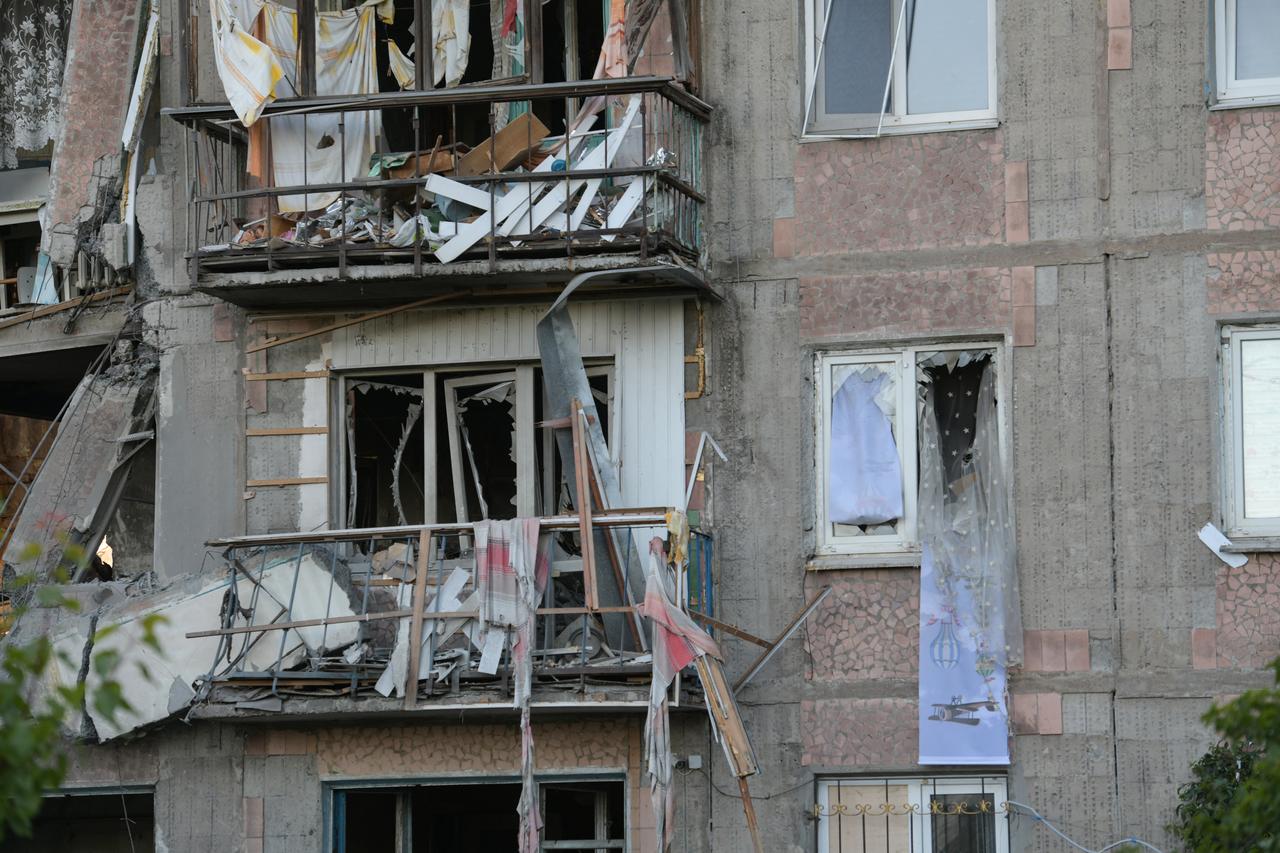

Rising prices and a volatile currency have been among the major domestic economic effects of Moscow's four-year offensive on Ukraine, which has also brought unprecedented Western sanctions.
The billions of dollars spent on the war every month initially helped shield Russia's economy from the negative effects of the campaign.
Military spending has surged to around 8% of GDP, the highest level since the Cold War.
But the civilian economy has been left behind, with Russia posting its first quarterly economic decline in three years at the start of 2026.
"The Russian economy is a two-tier economy—the state dominated defense industry, doing pretty well, and basically everything else," London-based Russian economy expert Alexander Kolyandr told AFP.
Kolyandr said Russian shoppers are generally not feeling as financially comfortable as they were earlier in the war.
"They postponed big-ticket purchases," he said. "They are not so well off as they were in the earlier part of the war."
He said the pressure is hitting professionals and entrepreneurs who are not benefiting from war spending and are "suffering the most."
"Their position is the most precarious," Kolyandr said.
For small businesses in Mytishchi, the broader slowdown has come alongside intense competition from online retailers and tighter rules on alcohol sales, which are the main source of income for small restaurants and neighborhood food stores.
Manicure salon owner Zhanna said she recently had to move into a shared studio because she could no longer afford the rent on her own premises.
"Overall, I can see a decrease in the flow of clients due to the unstable financial situation," she told AFP.
"All types of costs have gone up, and clients are choosing more budget-friendly beauty procedures, or not having them at all."
Zhanna also pointed to tax hikes and changes, including a higher VAT and the removal of a simplified low-rate system for the smallest firms, saying they had made the situation worse.
Facing these pressures, she said she was considering shifting part of her income into the shadows.
"It's not possible to work completely by the book. Therefore, I'm looking for a balance where my services can stay affordable, and I still have something left," she said.
Another local business, a butcher shop owned by Alina and her husband, has also closed.
"Store closed," read the sign next to the shop, which used to sell groceries. The owner is now looking for new tenants.
"In recent years, it's become harder because purchasing power has dropped significantly," said Alina, 49.
She said her clients are tightening their belts and estimated that her tax bill had jumped 15-fold under the new rules introduced this year.
"We've been working since 2015 and we pay our taxes honestly. We pay for all the other new requirements. And now they've decided to finish us off for good," she said.
"What is an honest entrepreneur supposed to do in this situation? Shut down?"


 Set as preferred source
 Set as preferred source


 2 min read
 1 min read