Newsletters




Once Russian soldiers reach certain parts of the front lines in Ukraine, they can expect to survive an average of just 20 to 35 minutes, according to a grim estimate from Russian military bloggers cited by Oxford historian Peter Frankopan in a Foreign Policy report.
CBS News said it has not independently verified the claim, though similar accounts are becoming increasingly common on Russian military channels, suggesting more Russians are becoming aware of the war's toll on their own side.
The war has inflicted staggering losses on Russia's young men.
The director of Britain's GCHQ intelligence agency said last month that Russian war deaths have likely reached nearly 500,000.
Ukraine's defense ministry says it has taken over 1.4 million wounded or killed Russian troops off the battlefield.
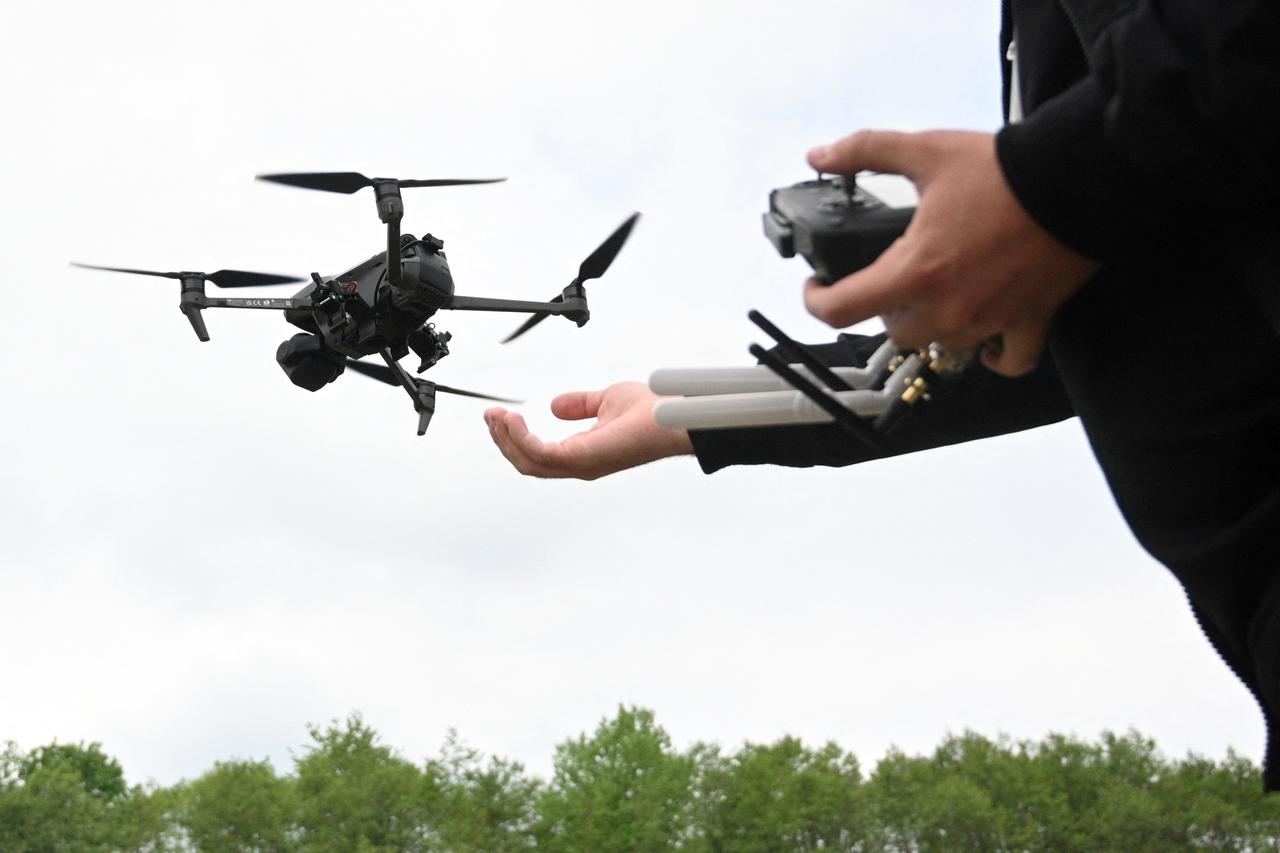
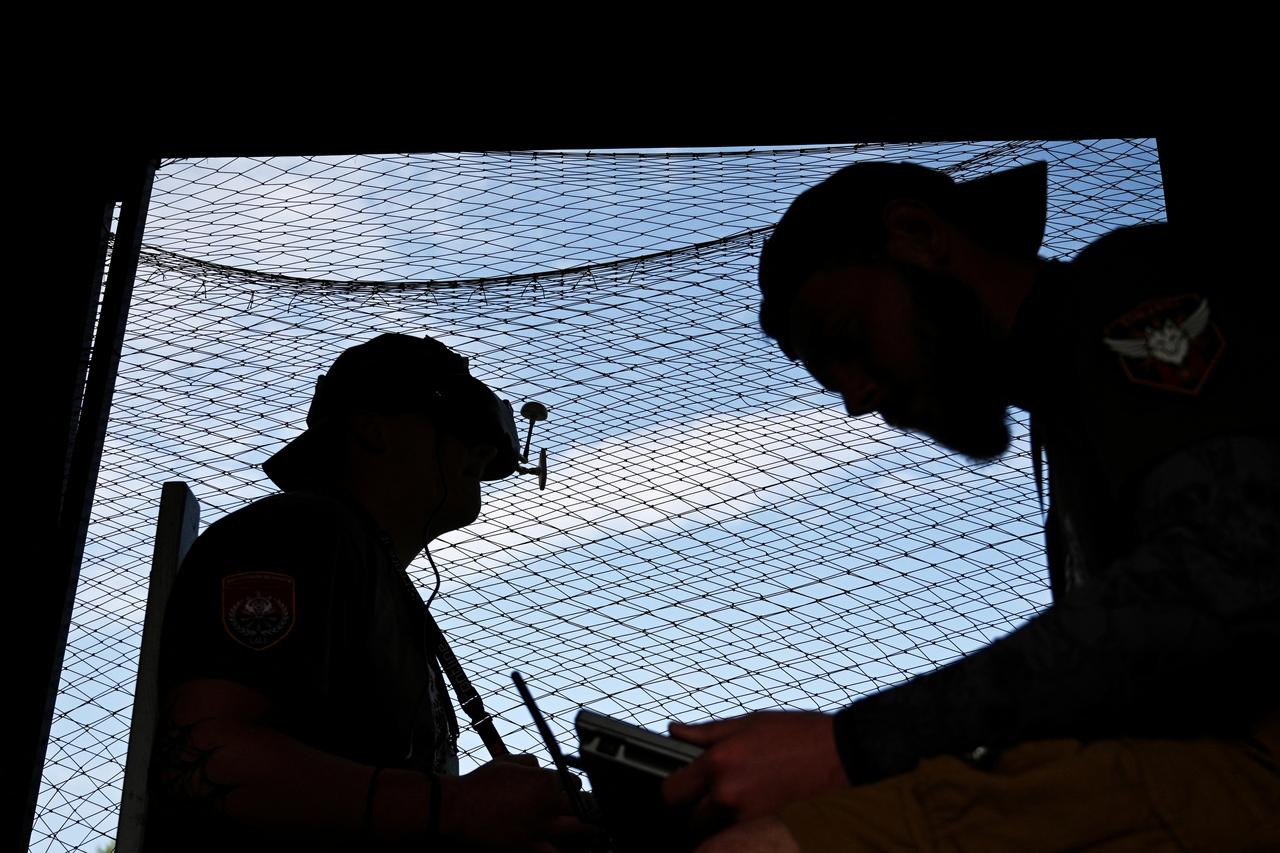
As drones have saturated the front lines, creating what is known as the "kill zone," Russia has been losing men at faster rates.
Unable to rely on heavy artillery, now easily targeted by cheap first-person-view (FPV) drones, Russia's military has turned to infiltration tactics, using small groups of soldiers on foot or motorcycles to probe weaknesses in Ukraine's lines.
This has resulted in bloodier fighting.
Drones now account for over 80% of Russian losses, according to Ukrainian President Volodymyr Zelenskyy.
Estimates suggest there are now more Russians killed in the war than wounded, a first in modern warfare, according to the Foreign Policy report.

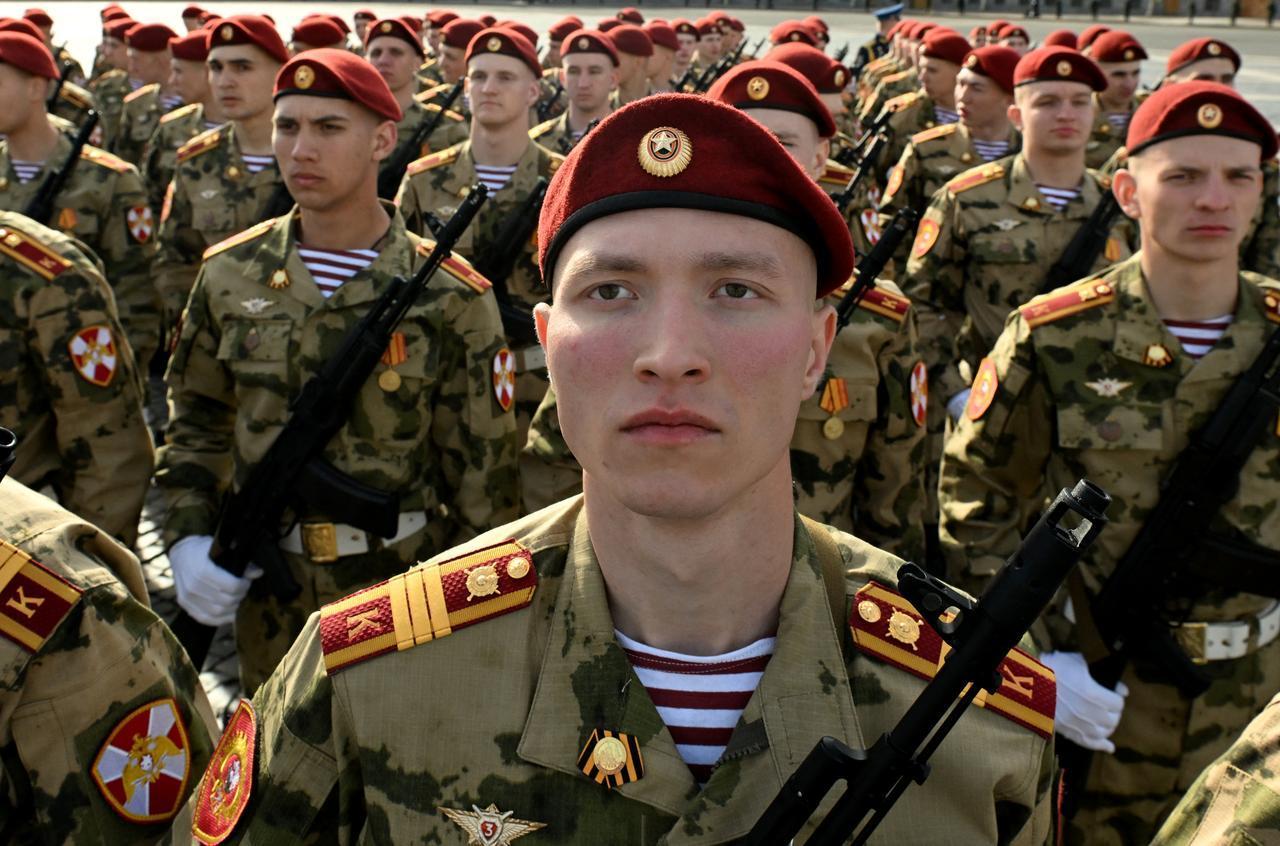
By some estimates cited in the Foreign Policy report, Russia is now incurring eight men killed or seriously wounded for every one lost by Ukraine. With average monthly casualties running above 30,000 this year, the Russian army is struggling to replace losses with fresh recruits.
Moscow is reportedly offering sign-up bonuses as high as $80,000, along with up to $140,000 in debt relief, to encourage enlistment.
According to Russian military bloggers cited in the report, the average life expectancy of a new recruit, from arrival at a training ground to death in a combat zone, lies somewhere between 10 days and three weeks. Once deployed to the battlefield, Russian fighters reportedly survive an average of 20 to 35 minutes.
Russia's relentless waves of men have yielded some battlefield success despite the losses.
While Ukraine's top general said his military had retaken over 230 square miles of territory this year, Russia continues gaining ground in crucial areas in and around Ukraine's Donetsk region.
Ukrainian commanders said last week that Russian soldiers are attempting to infiltrate the outskirts of Kostyantynivka, an industrial city in Donetsk.
The Russian-language Telegram channel Astra, which is labeled as a "foreign agent" by Moscow, reported that pro-war "Z-channels" are anticipating a new wave of mobilization of Russian civilians for the war this fall.
"The situation is such that by autumn, it will be either peace or mobilization. So for men of conscription age, just in case, I would advise packing an emergency bag," the channel "Veteran's Notes" reportedly wrote.
According to Astra, Z-bloggers link the expectation partly to reports that many Russians have received mobilization summonses specifying a time and place to report in the event mobilization is declared.
"This indicates that the corresponding instructions have arrived," the channel "House Among the Laurels" reportedly wrote.
The same source said the war has become entirely "different" over the past year due to the mass use of drones, citing the same 20-to-35-minute average survival figure for soldiers in assault operations and the 10-day-to-three-week figure for the period between arrival at a training ground and deployment to combat.
According to the channel, Russia's irrecoverable losses are increasing every month, with soldiers operating in "survival mode," as many now do not even reach the combat zone before being wounded or killed in the rear.
"In 2022, those same 300,000 from the first wave of mobilized troops carried the burden for the following two to three years; now, given the war's current appetite, even more people are needed for the front," the Z-channel author reportedly wrote, according to Astra.
The channel reportedly described mobilization as "a forced and inevitable measure to maintain the current pulse at the front," arguing Russia has no alternative to pushing back the lines except at the cost of even greater numbers of dead and wounded.
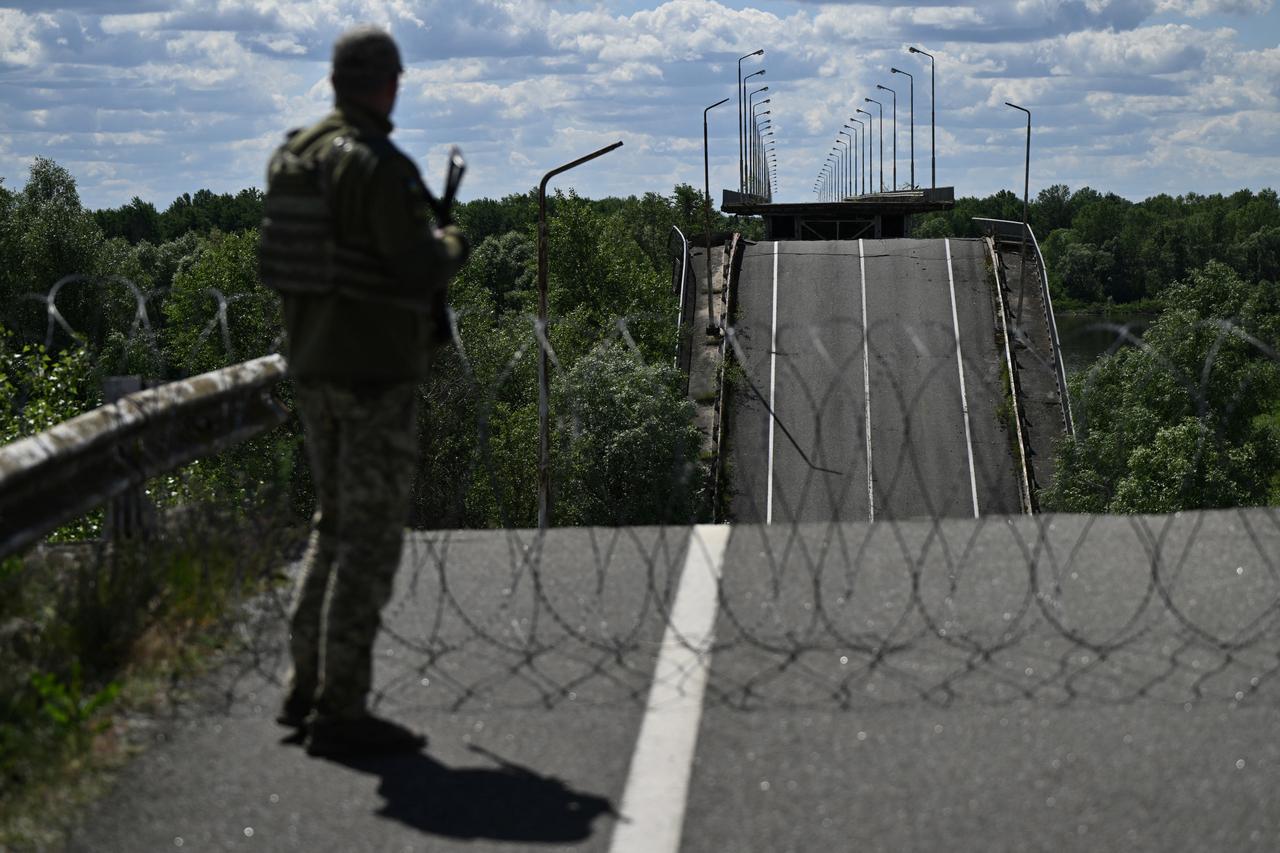
Ukraine faces its own manpower problems and has had to resort to similar infiltration tactics to push back Russian lines. "Manpower's been a problem since the end of the summer of 2023 offensive," Rob Lee, a Ukraine-based military analyst, told CBS News.
"We've had some cases where infantry have spent more than a year in position with no rotation," he added.
However, Ukraine's military has managed to more effectively reduce its soldiers' exposure to danger by using drones to replace some troops in combat, medical evacuation and logistics roles.
"We say there is no need to send a human being where the robot can do the job," Oleksandr Kamyshin, the official overseeing Ukraine's defense industry, told CBS News earlier this spring.
More Russians are beginning to feel the war's toll firsthand.
In a nationwide Russian public opinion survey released Monday by the Institute for Conflict Studies and Analysis of Russia, a Ukrainian think tank, 31% of respondents said one or more family members have been mobilized, a 14% point increase from 2022.
Oleksandr Shulga, the head of the think tank, cautioned against overstating the findings.
"Even after four years, the majority of Russians do not perceive this war as existential," he said. Still, he noted the war's reach has expanded.
"Most Russians know someone killed in action since the beginning of the war: only 29% said that no one among their relatives or acquaintances has died in the fighting," Shulga said.


 Set as preferred source
 Set as preferred source


 2 min read
 1 min read