Newsletters


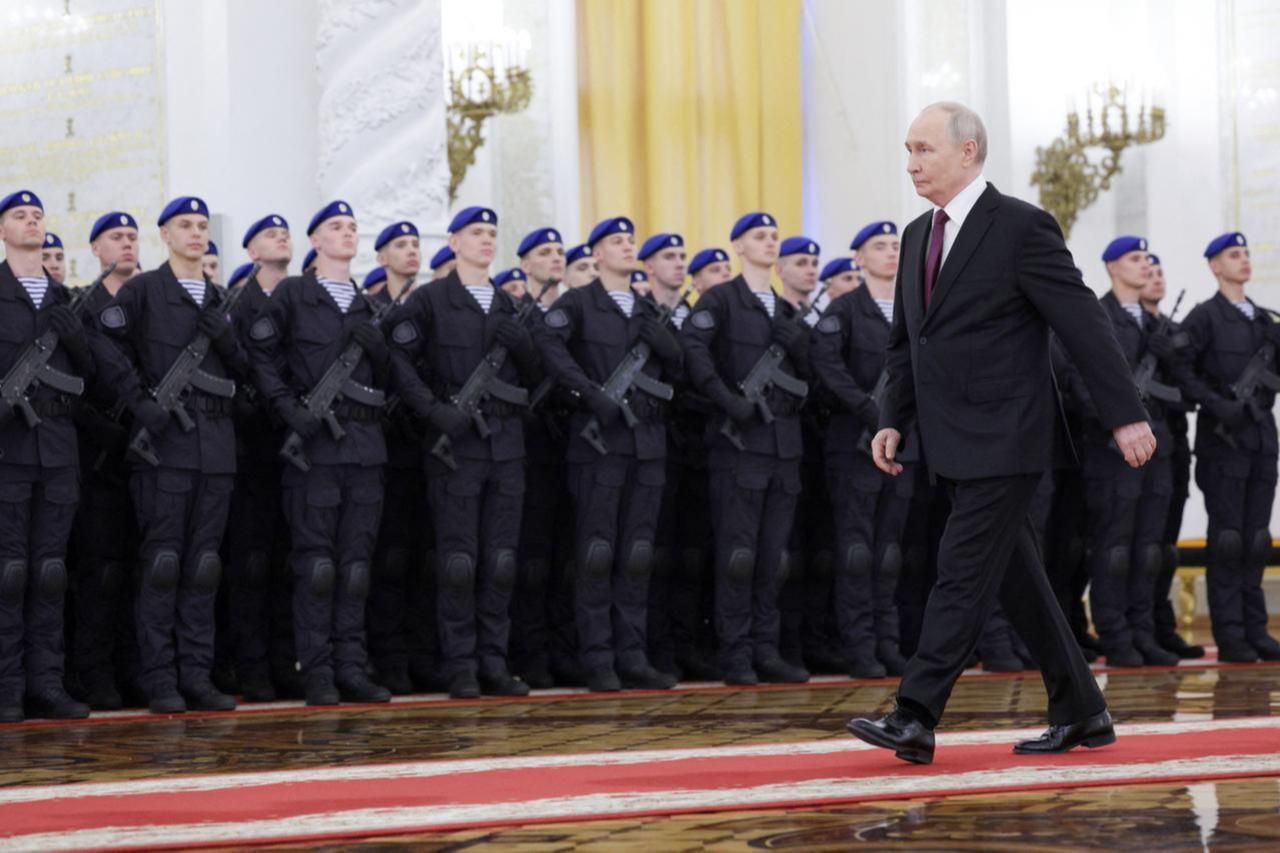


Russia has rejected a Turkish proposal to pause the war in Ukraine and restart diplomatic talks, dealing a fresh blow to Ankara's mediation efforts and dimming prospects for peace negotiations at Ankara NATO summit.
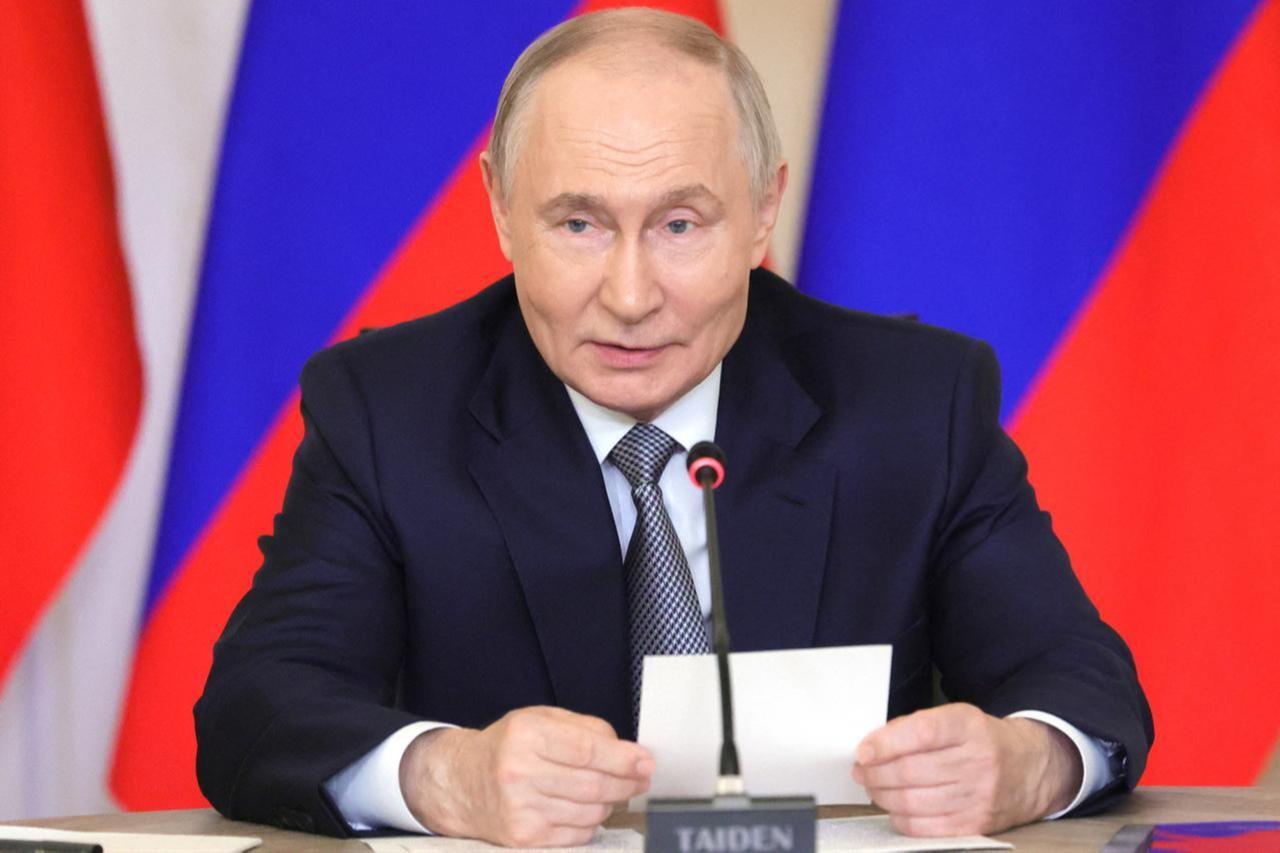
Turkish Foreign Minister Hakan Fidan raised the proposal during a two-day visit to Moscow on June 16-17, meeting senior Russian officials including Foreign Minister Sergey Lavrov and President Vladimir Putin, according to Russian and Ukrainian sources with knowledge of the discussions who spoke to Middle East Eye.
Fidan pushed for "at least some broad idea of how to return to negotiations, and a window for a ceasefire," one Russian source told MEE, adding that "Moscow politely refused to discuss the idea."
The rebuff underscores Russia's hardening stance: Moscow insists that any lasting agreement requires Kyiv to formally recognize its annexation of the Donbas provinces in eastern Ukraine, a condition Ukraine has consistently rejected.
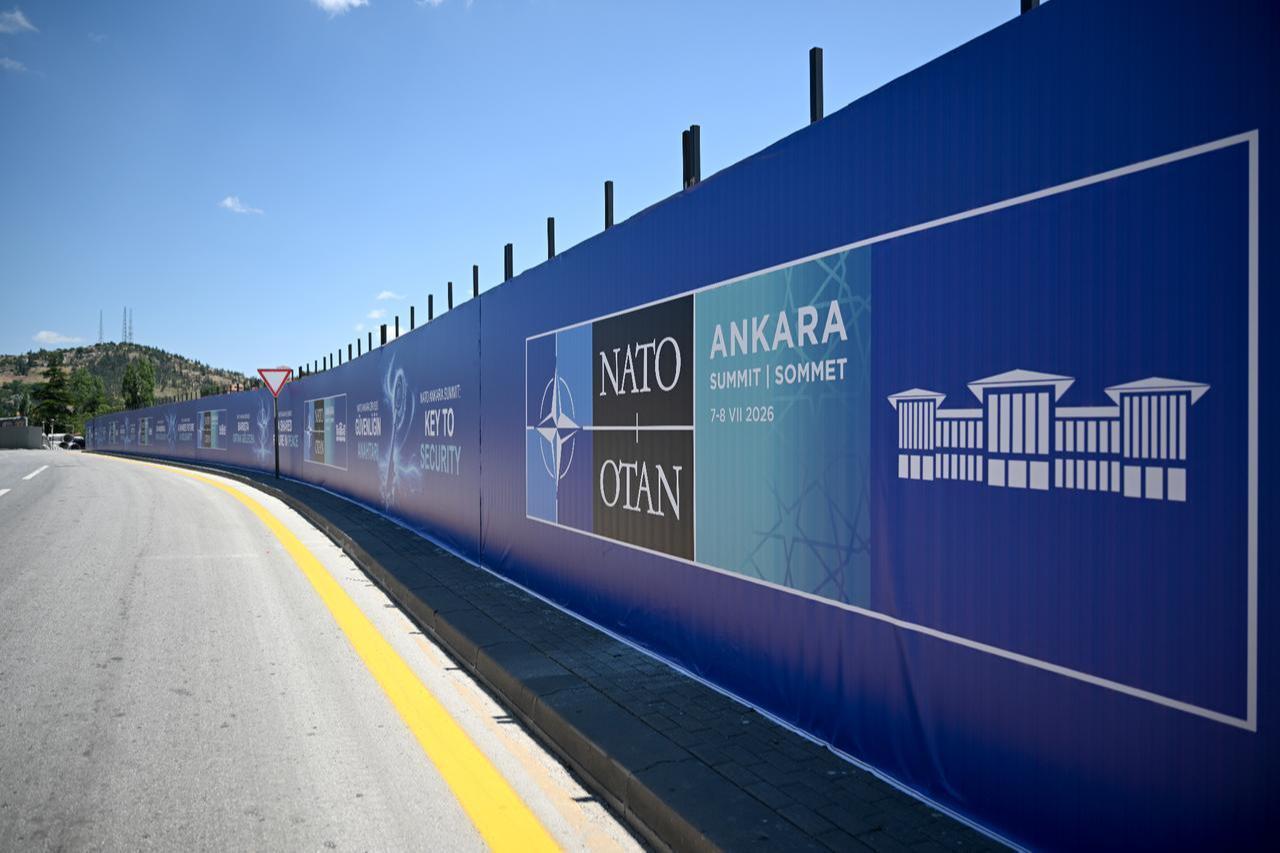

People familiar with Ankara's thinking said a successful overture from Fidan could have brought both sides to Türkiye for the NATO summit in Ankara in July. That prospect now appears unlikely.
Türkiye has positioned itself as a potential mediator throughout the conflict, having previously hosted talks between Russian and Ukrainian delegations in Istanbul in the early weeks of the war in 2022. Those negotiations ultimately collapsed, and subsequent efforts to revive diplomatic contact have repeatedly stalled.
Ukraine has also resisted pressure from the Trump administration to cede control of the Donbas, with Kyiv insisting it will continue fighting for the region even as the military situation on the ground grows increasingly dire.
Russia now controls more than 80 percent of the Donetsk region, the economic heartland of Donbas, and is pressing a campaign to encircle the cities of Kostyantynivka and Lyman. A New York Times report indicated Russian troops have fought their way into Kostyantynivka, while Druzhkivka, another city in Donetsk, has been largely reduced to rubble.
Sloviansk and Kramatorsk now stand as Ukraine's last significant strongholds in the region.
Ukrainian officials have disputed accounts of accelerating Russian advances along the front, though experts warn there may be little left of the Donbas cities to defend by the time any diplomatic resolution is reached.
Ukraine's expanded long-range strike capabilities have allowed it to hit Russian energy infrastructure in Moscow and other major cities, but those strikes have not reversed the momentum on the eastern front.
Even as Russia continues to gain ground militarily, a European analysis reviewed by MEE paints a troubled picture of the country's economic health after more than four years of war and international sanctions.
Russian banks are at particular risk, the analysis found, with balance sheets artificially inflated by growing risk-taking designed to attract investors whose declared incomes may not hold up to scrutiny.
The widespread rollout of state-subsidized mortgages at preferential rates has driven property prices higher, raising the prospect of a real estate bubble and a wave of loan defaults.
Public-private partnership schemes have compounded the exposure. "Support for the regions through public-private partnerships has also transferred regional debt to banks," the analysis noted, meaning lenders must absorb losses from unprofitable projects and from regional governments struggling to service their obligations.
Nearly 3,500 such projects were active in Russia in 2024, with a combined value of 50 billion euros.
The consequences are already visible: more than a dozen Russian banks are expected to fail this year. More than half a million Russians filed for personal bankruptcy in 2025, a 31.5 percent increase over the previous year. The Russian government has also moved to periodically restrict mobile internet access, a measure analysts link to efforts to manage public unrest and control information.


 Set as preferred source
 Set as preferred source


 1 min read
 1 min read