Newsletters


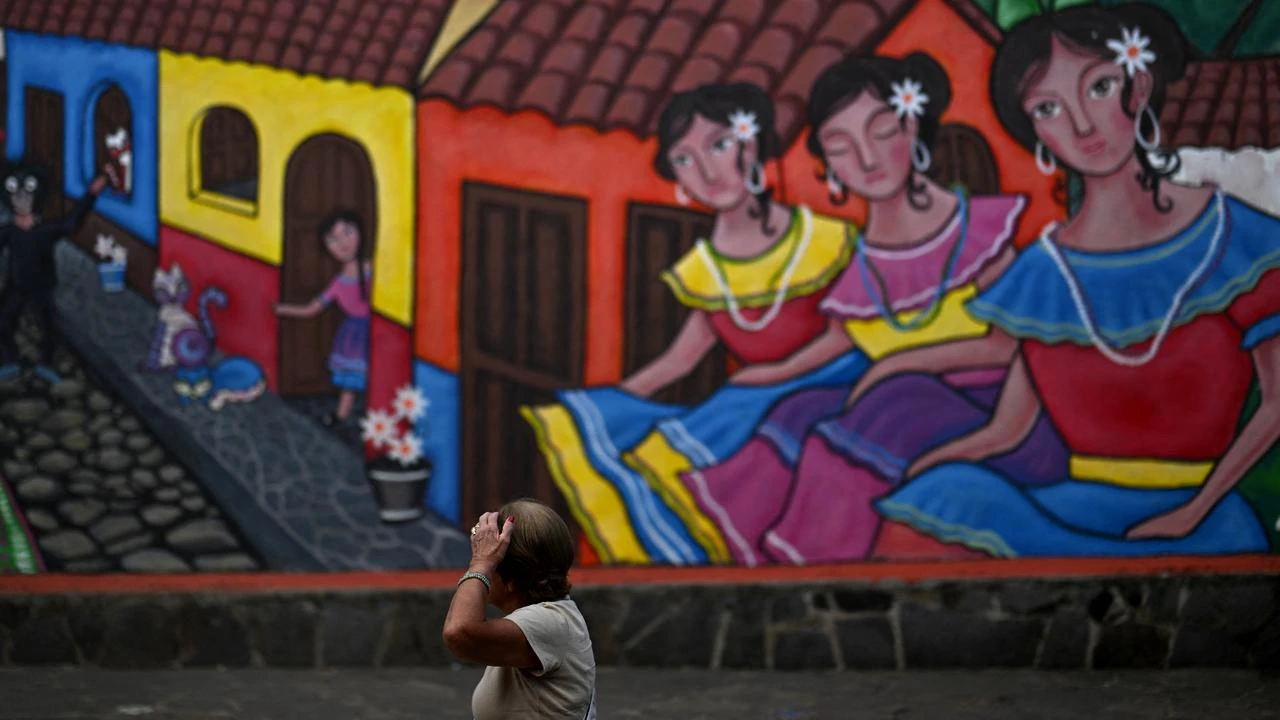
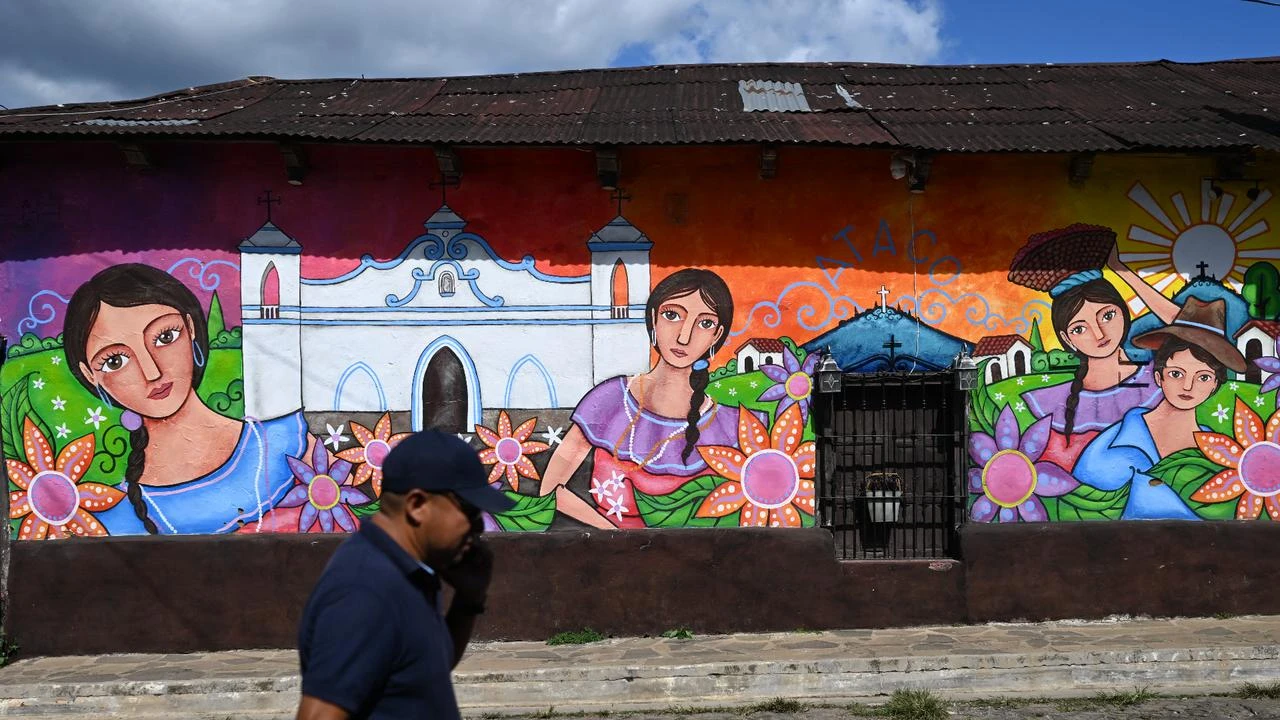
Across El Salvador, a traveling mural festival called Pigmen Trip is transforming walls once used by gangs to mark their territory into large-scale works of public art celebrating the country's culture and wildlife.
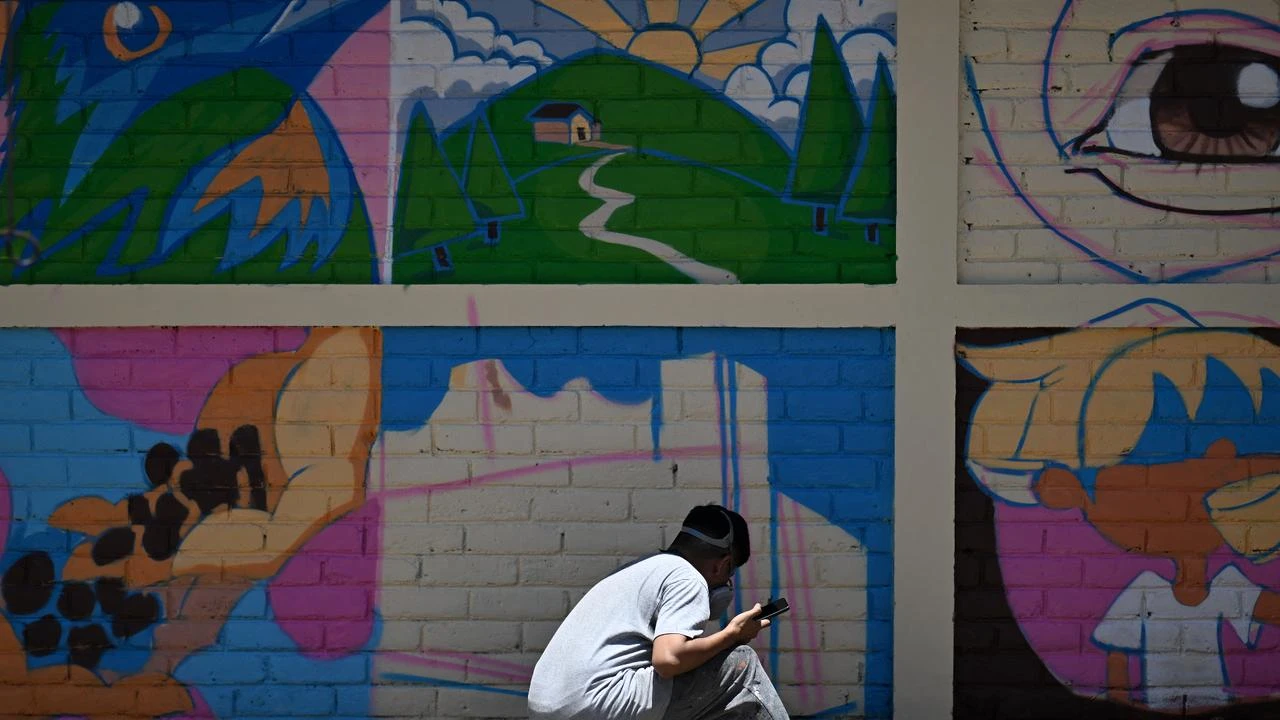
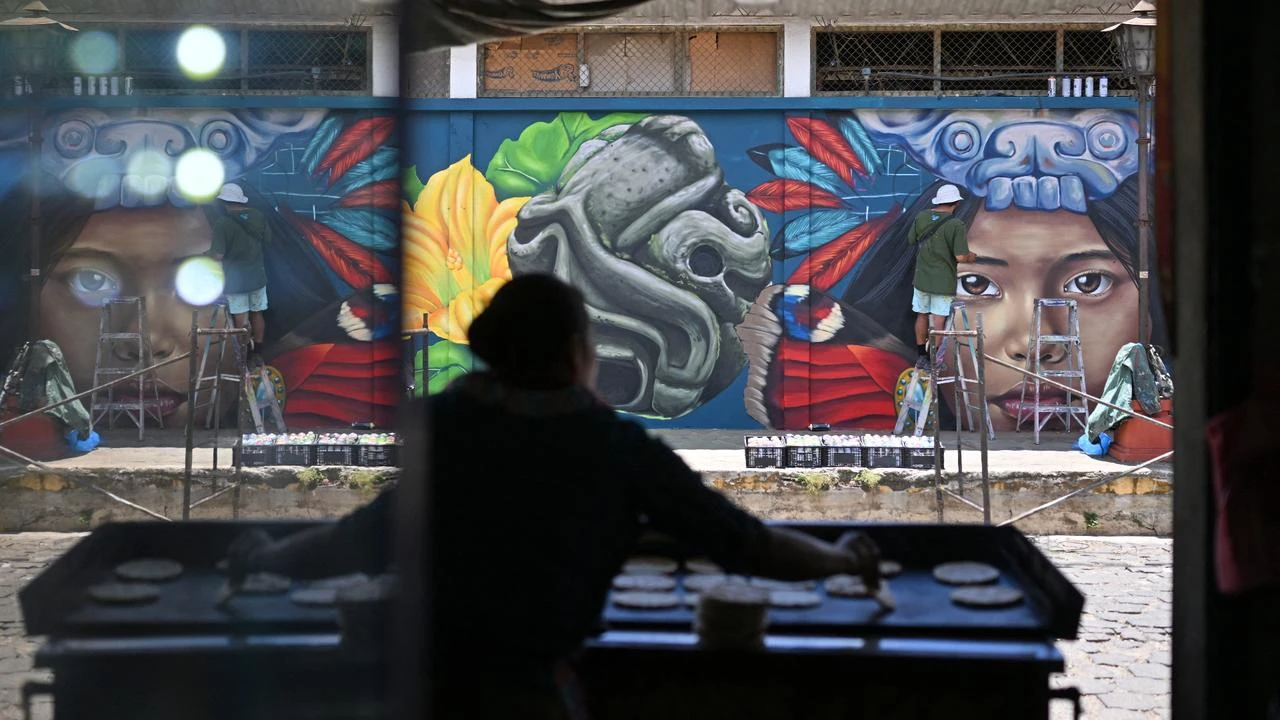
In the mountain town of Concepcion de Ataco, in the Ahuachapan department, roughly 65 kilometers (40 miles) west of San Salvador, a dozen painters are using cans of spray paint to bring jaguars, flowers, birds, and human faces to life on the sides of buildings.
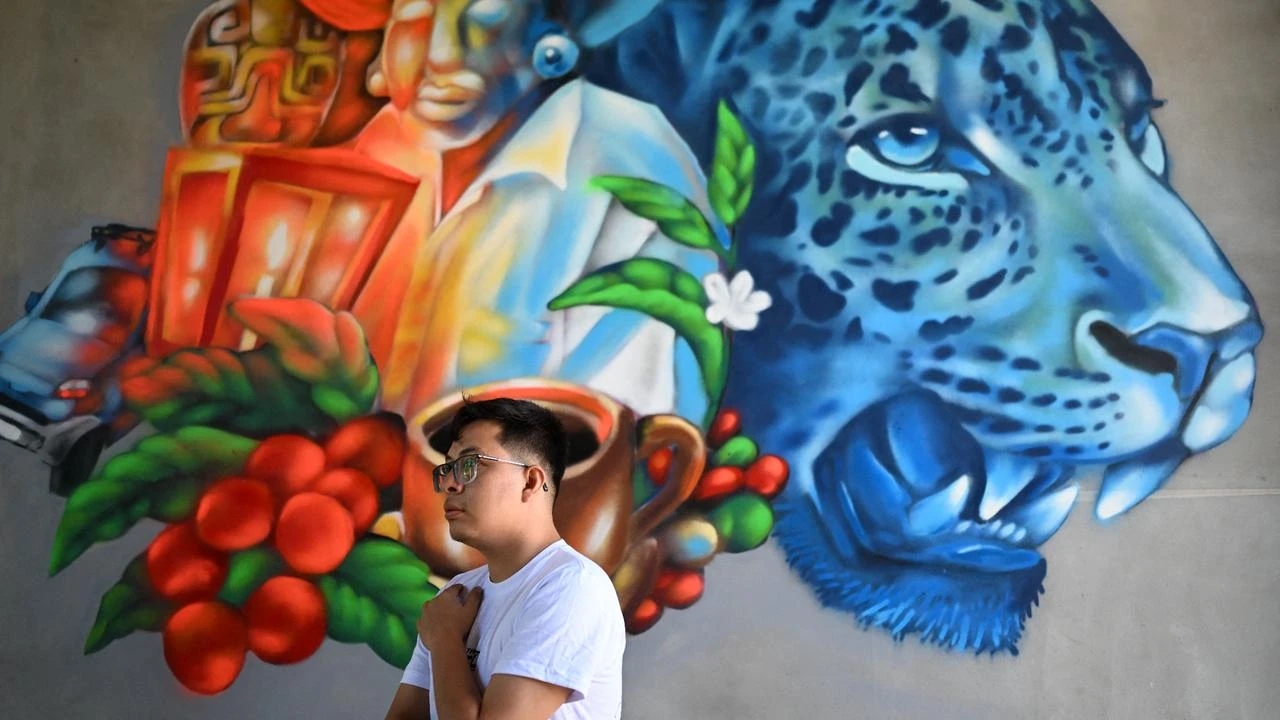
Isaac Sosa, the 31-year-old founder of the festival, has organized these traveling art events in different locations around El Salvador for the past eight years, turning once-feared neighborhoods into open-air galleries.
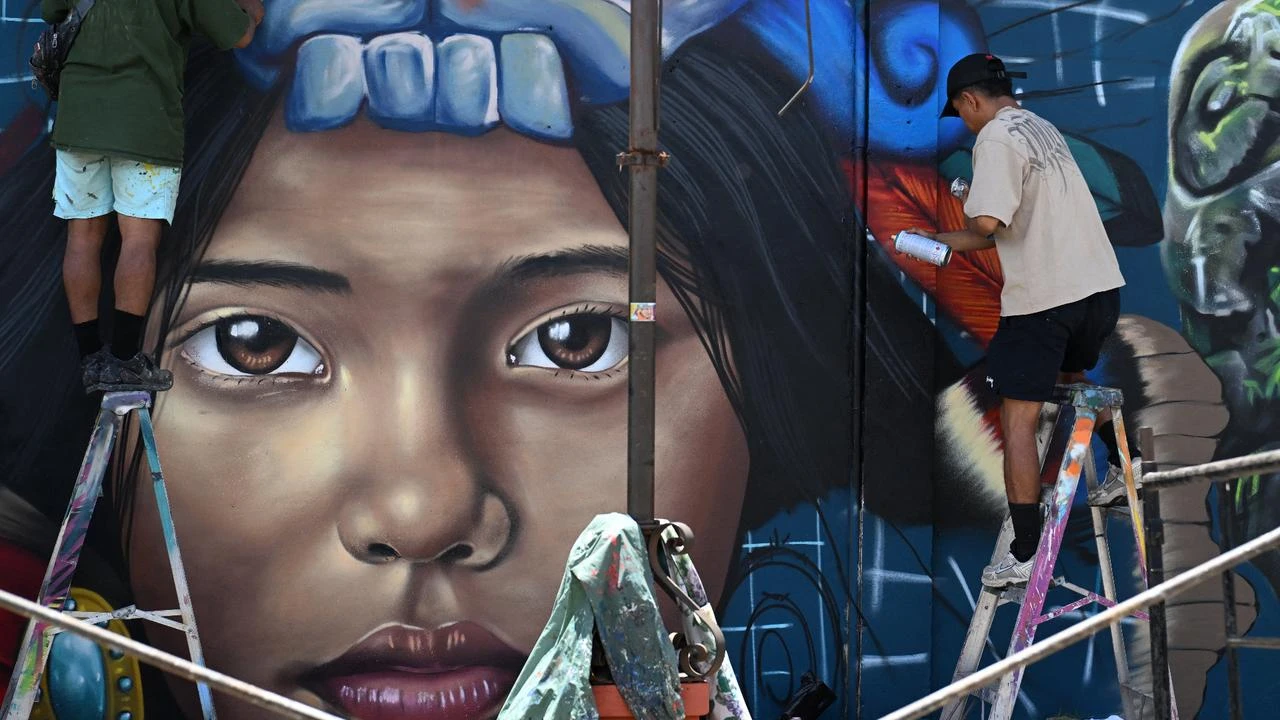
Sosa recalled that painting murals in gang-controlled areas used to be a frightening experience, since artists often faced harassment and intimidation from the groups that controlled those streets.
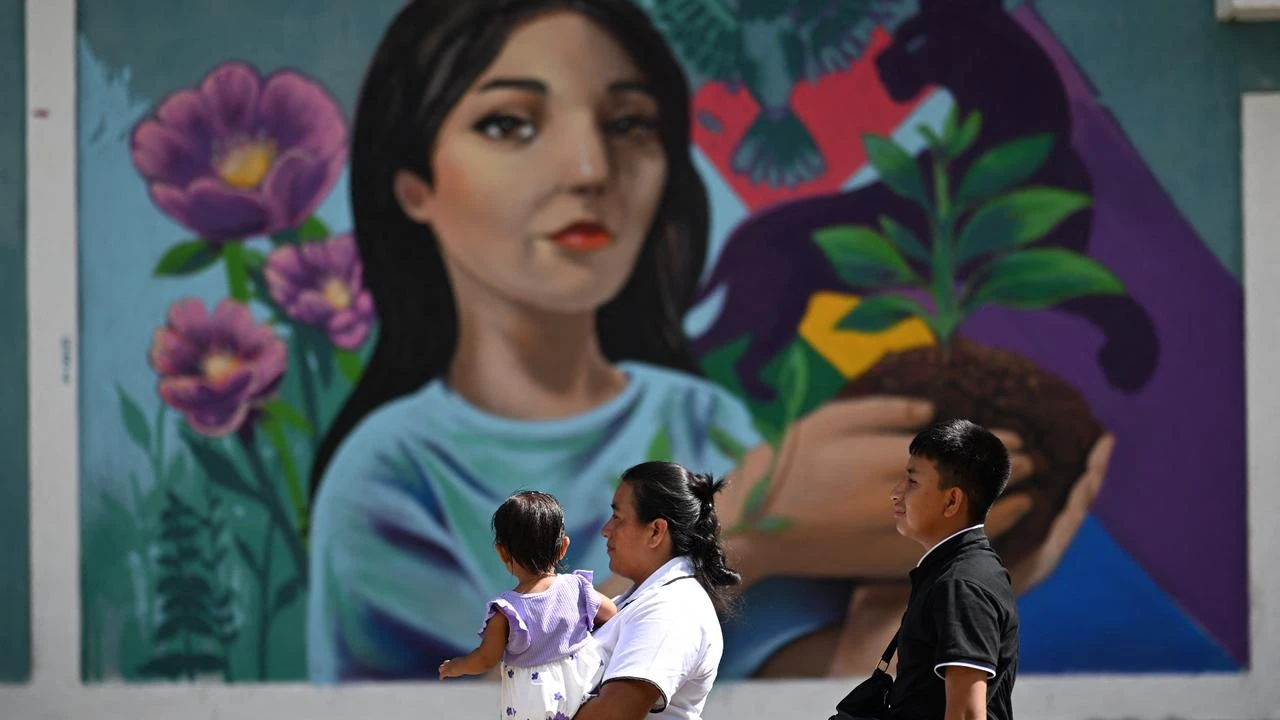
The decline of gang power in El Salvador followed a sweeping crackdown launched in 2022 by President Nayib Bukele, a campaign that human rights organizations say has been accompanied by allegations of abuses potentially amounting to crimes against humanity.
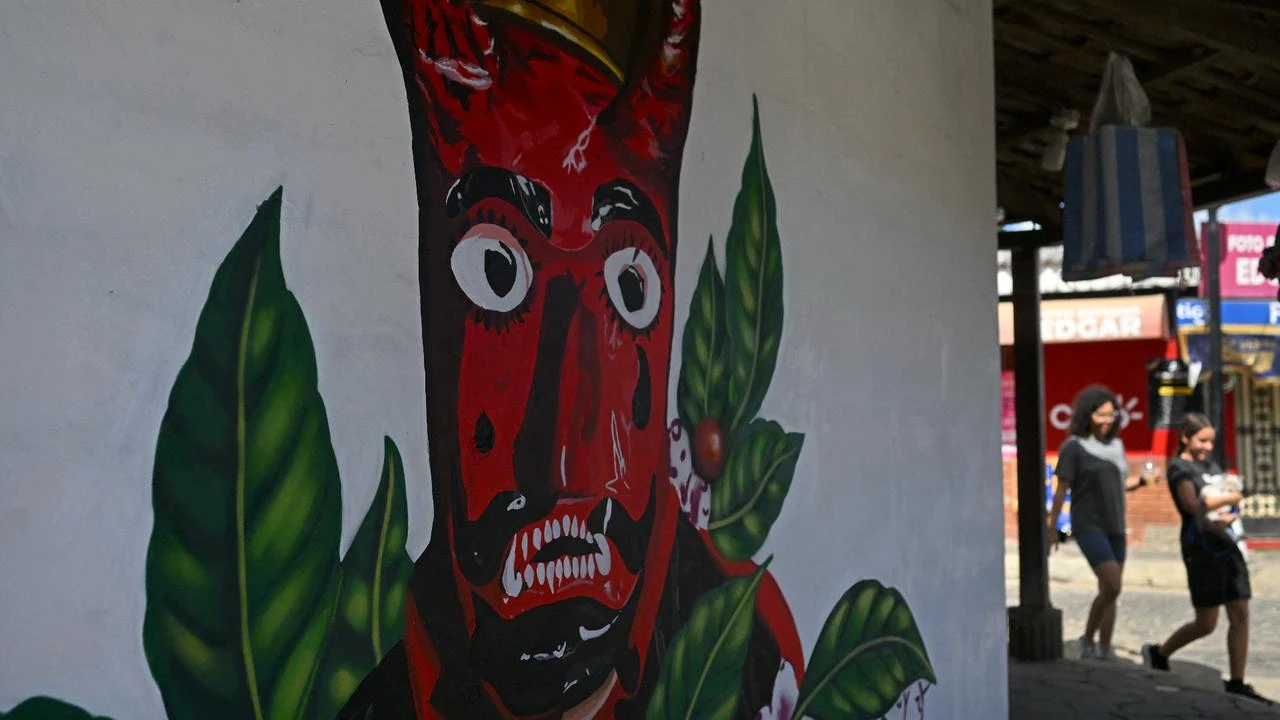
According to Sosa, the shift in the country's atmosphere has created a more peaceful and freer environment, one where artistic expression is now possible in places it once was not.
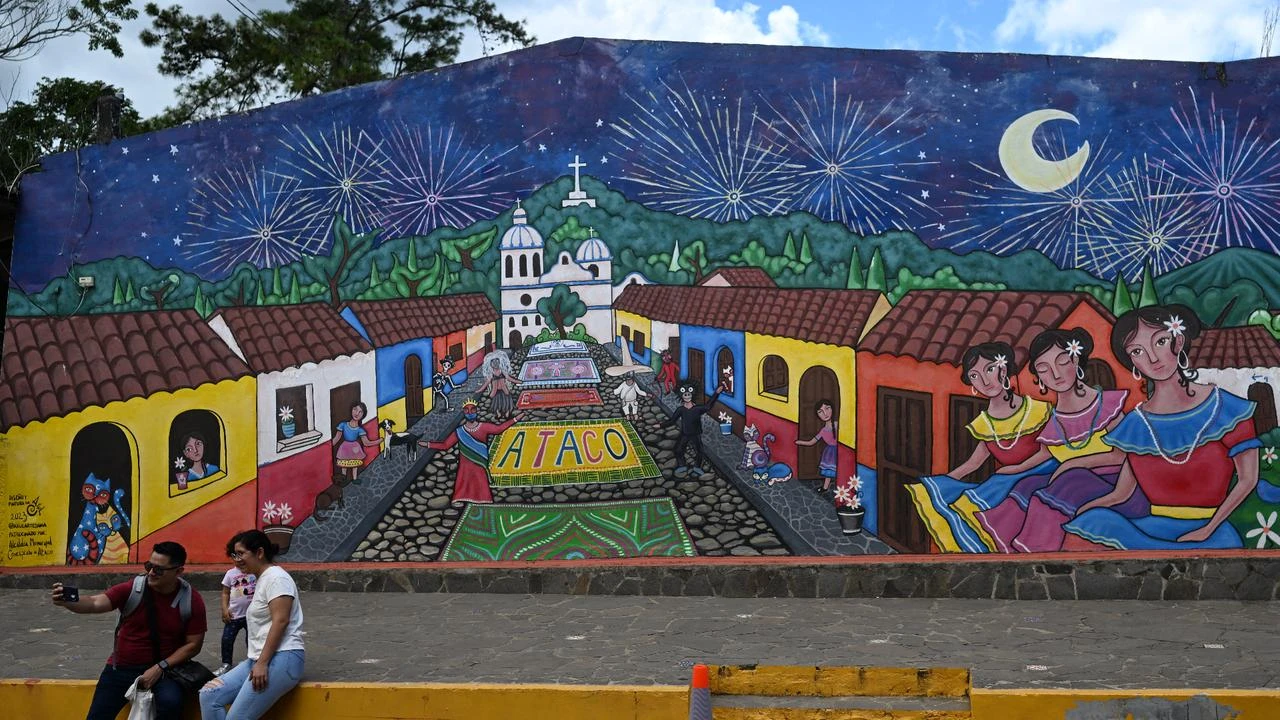
Since the start of the festival, more than 200 murals have been painted across El Salvador, with the project drawing not only local talent but also artists from Colombia, Mexico, Brazil, Peru, and Argentina.
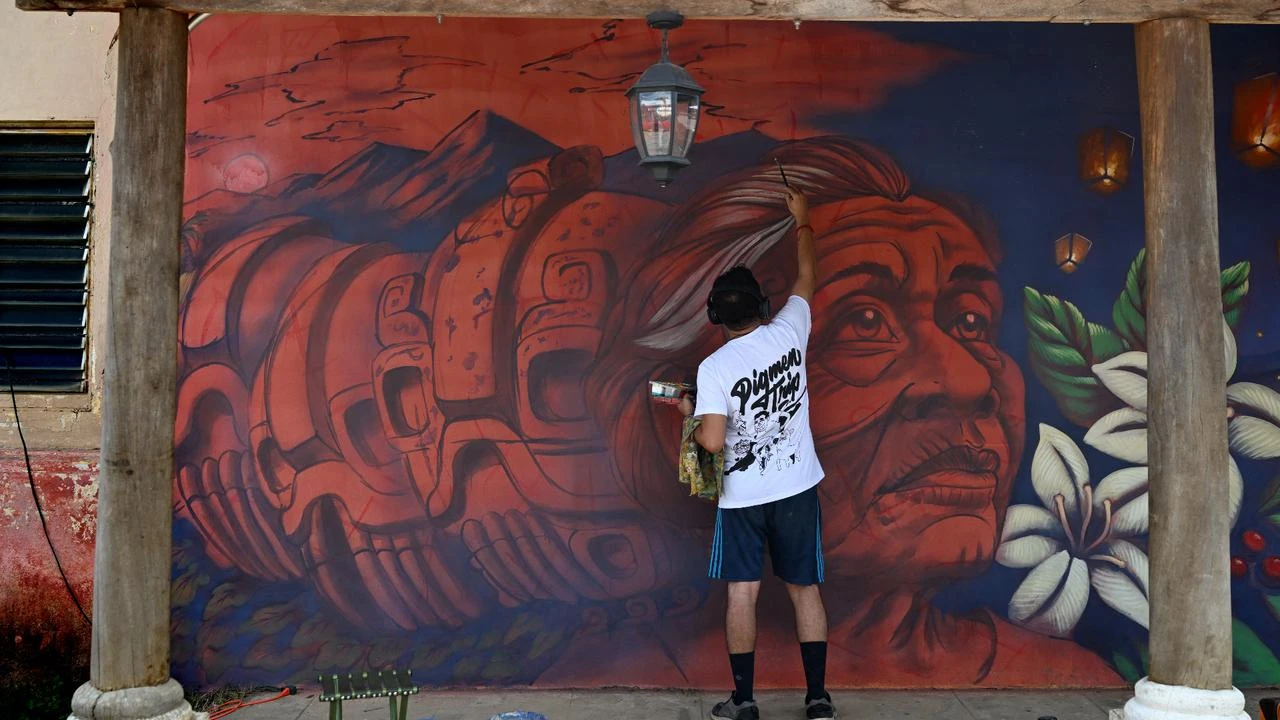
Darwin Flores, a 36-year-old muralist, remembers that entering the country's most dangerous neighborhoods to paint once required careful planning, including knowing exactly who he would be working alongside and where.
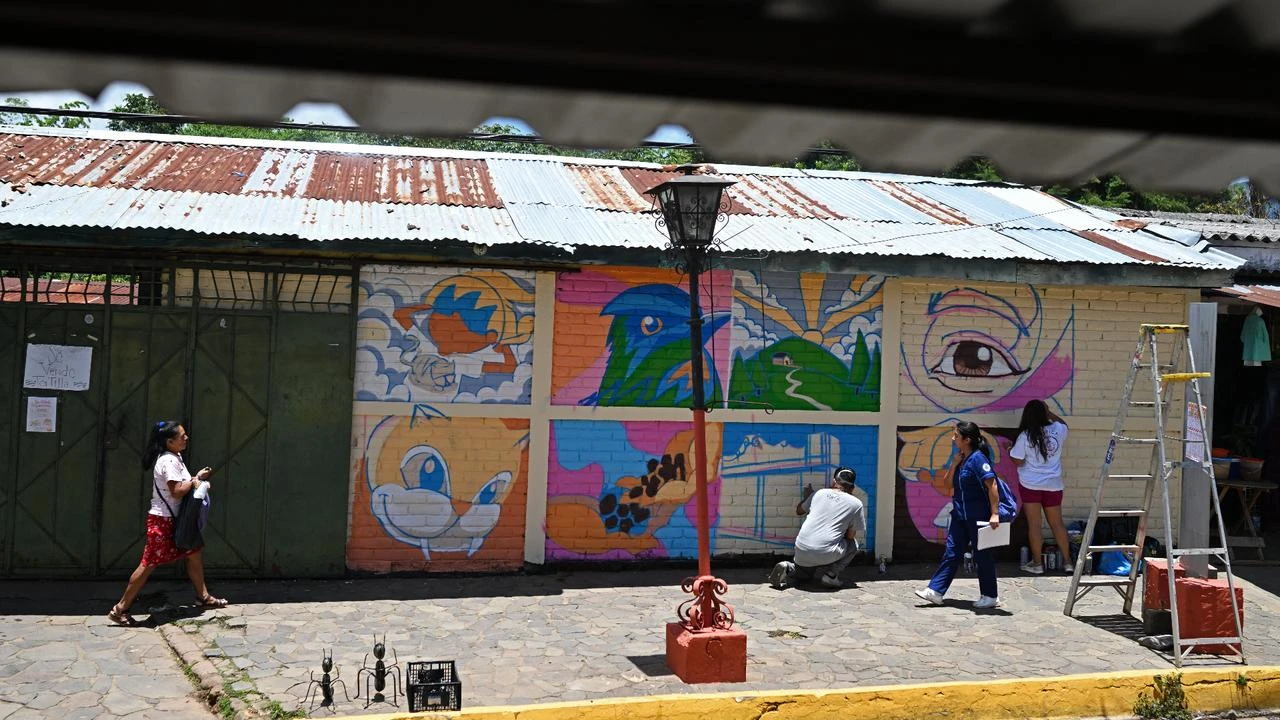
Flores said that today he is able to move freely into areas that were previously off-limits, including La Campanera, a community that endured years of gang-related terror before conditions changed.
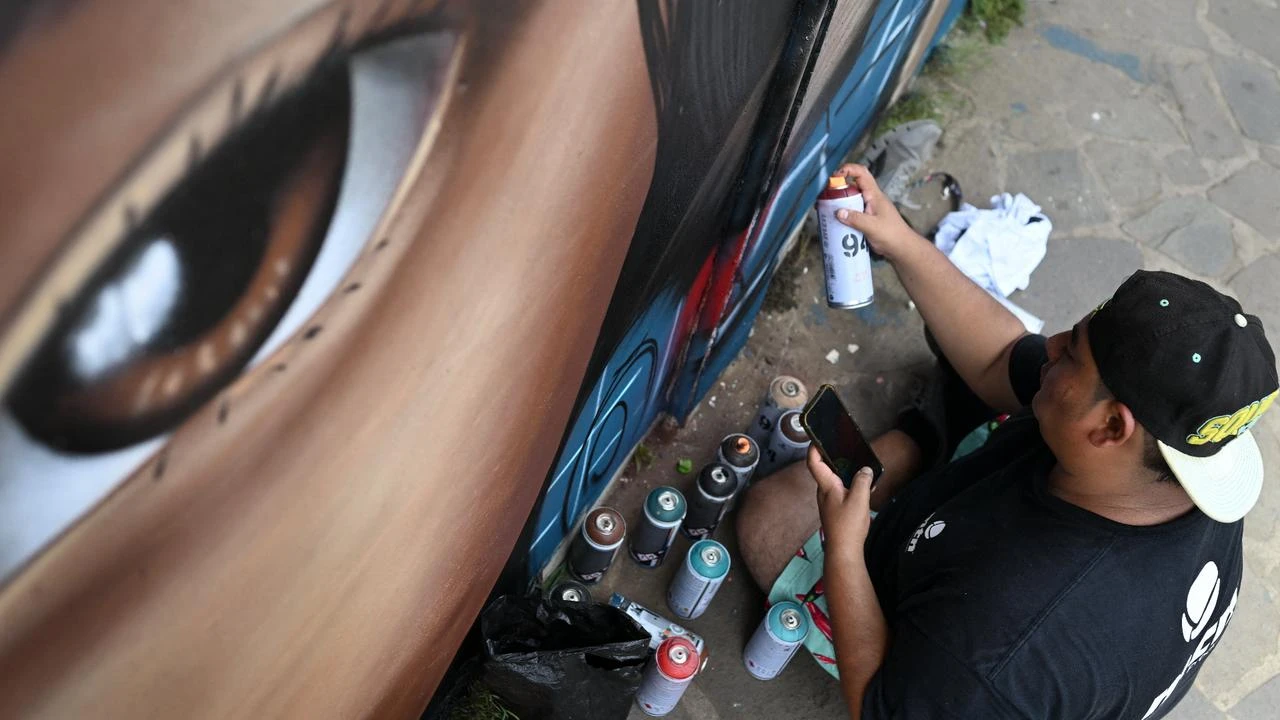
Cristian Juarez, a 29-year-old artist who works with a prosthetic leg after losing his right limb in an accident 11 years ago, said painting used to be far more difficult but that circumstances have since shifted dramatically.
Juarez noted with sadness that a number of fellow artists were victimized by gangs over the years and remain missing to this day.
Cristian Lara, a 50-year-old merchant whose home was decorated with one of the festival's murals, described the change as a sign of new winds blowing through El Salvador, and thanked the organizers for what he called a blessing on his property.
 1 min read


 Set as preferred source