Newsletters


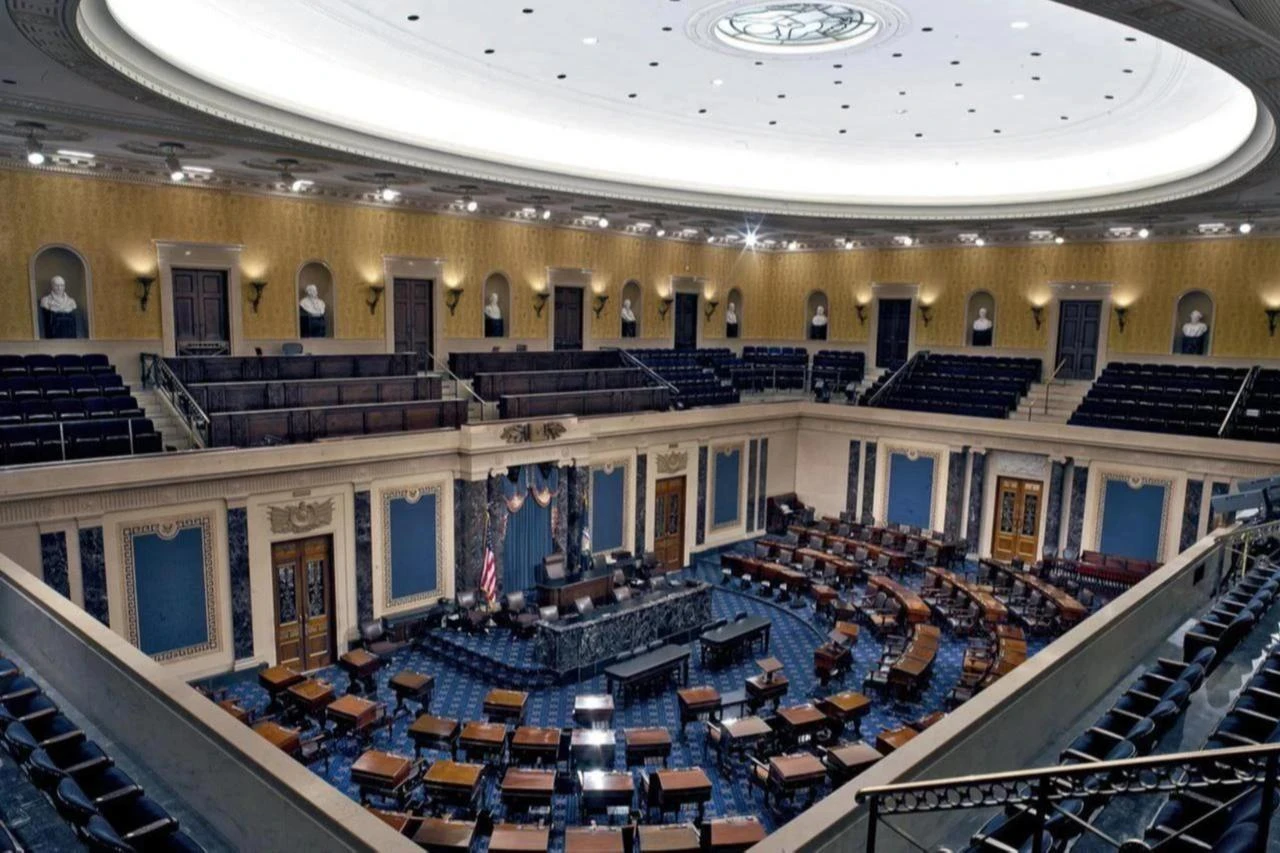


The US Senate passed a sweeping sanctions package on Friday aimed at cutting off Russia's energy revenues, sending the legislation to the House of Representatives, where a vote is not expected until at least early September because of the congressional summer recess.
The legislation would impose sanctions on Russian officials, oligarchs, financial institutions and the so-called shadow fleet of tankers used to circumvent restrictions on Moscow's oil exports. It would also grant President Donald Trump authority to set tariffs of up to 500 percent on Russian imports, including gas and oil.
A central provision would let Trump impose tariffs of up to 100 percent on goods from countries that are major buyers of Russian oil and gas, including China and India. Supporters argue that cutting off energy income is essential to limiting Russian President Vladimir Putin's ability to finance the war in Ukraine, now in its fifth year. If signed into law, Putin himself would be among those targeted, along with other senior officials.
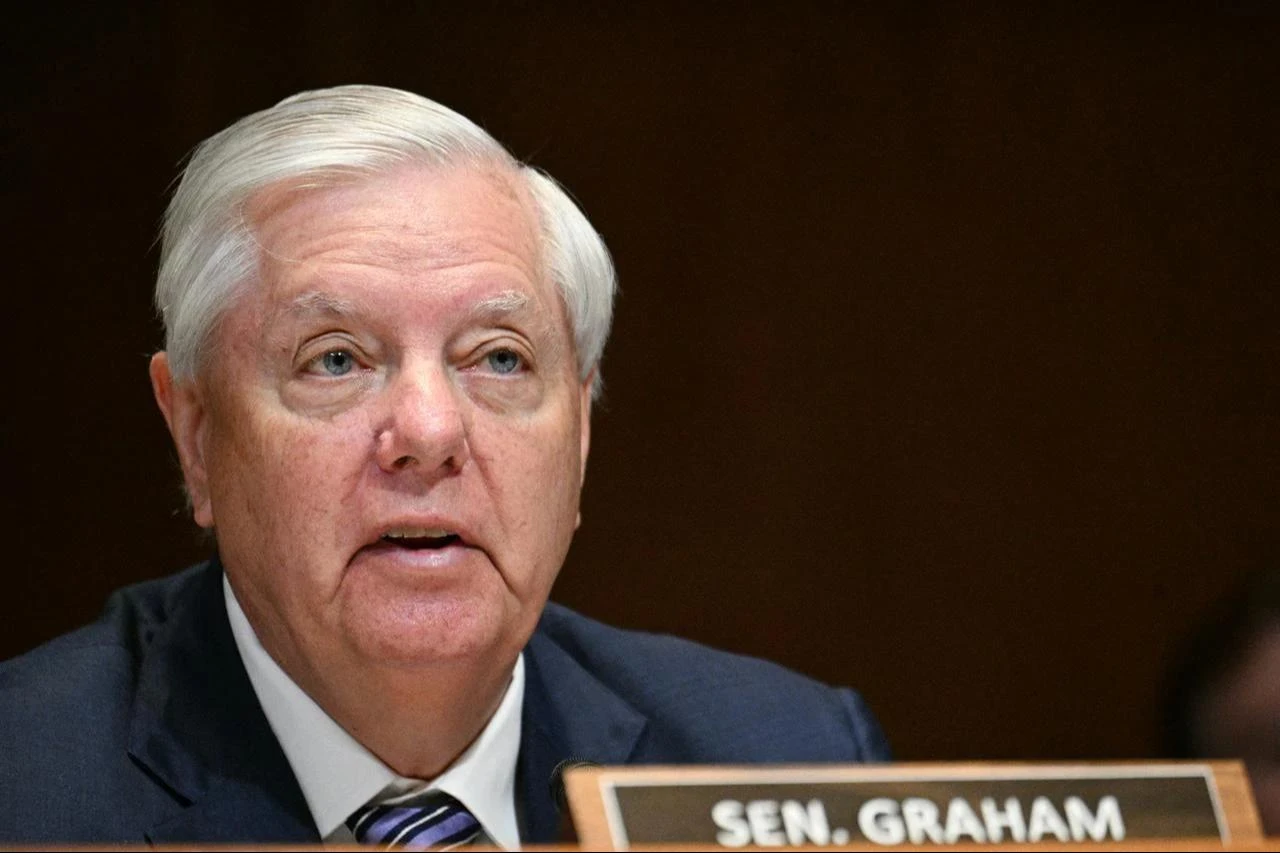

The measure bears the name of the late Senator Lindsey Graham, who died on July 11 after spending more than a year building support for it. Shortly before his death, Graham announced he had reached an agreement with the White House on a revised version of the text, which includes an extension of existing sanctions authority aimed at restricting funding for Iran's energy and weapons sectors.
Darline Graham, the senator's sister who succeeded him in Congress, said final adoption of the bill would honor her brother while also promoting "peace by cutting off the funding fueling Russia's war machine."
Democratic Senator Jeanne Shaheen, a member of the Senate Foreign Relations Committee, said the legislation "hits Russia's energy and financial sectors very hard." She added, "Vladimir Putin only understands strength, and he only responds to pressure.
This legislation represents our best opportunity to finally bring Russia's war machine to its knees and to force Putin to the negotiating table."
Russia's embassy in the United States condemned the bill, saying it "does the current US administration a disservice."
The Senate vote comes as Moscow faces mounting pressure from Europe as well. The European Union agreed last month to a 21st package of sanctions since its 2022 invasion of Ukraine, though the measure was scaled back from harsher initial proposals after objections from several member states.
The EU package focuses on freezing the level of an oil price cap intended to prevent Moscow from profiting from a surge in oil prices linked to the war involving Iran.
Diplomats said the final obstacle to agreement was cleared after Greece secured an exemption allowing its shipping firms to continue transporting Russian liquefied natural gas from the Arctic.
The package also targets Russia's financial sector and cryptocurrency firms and adds dozens more Russian officials to the EU's blacklist over the war, though a proposed broad visa ban was ultimately dropped.


 Set as preferred source
 Set as preferred source


 1 min read

 1 min read