Newsletters


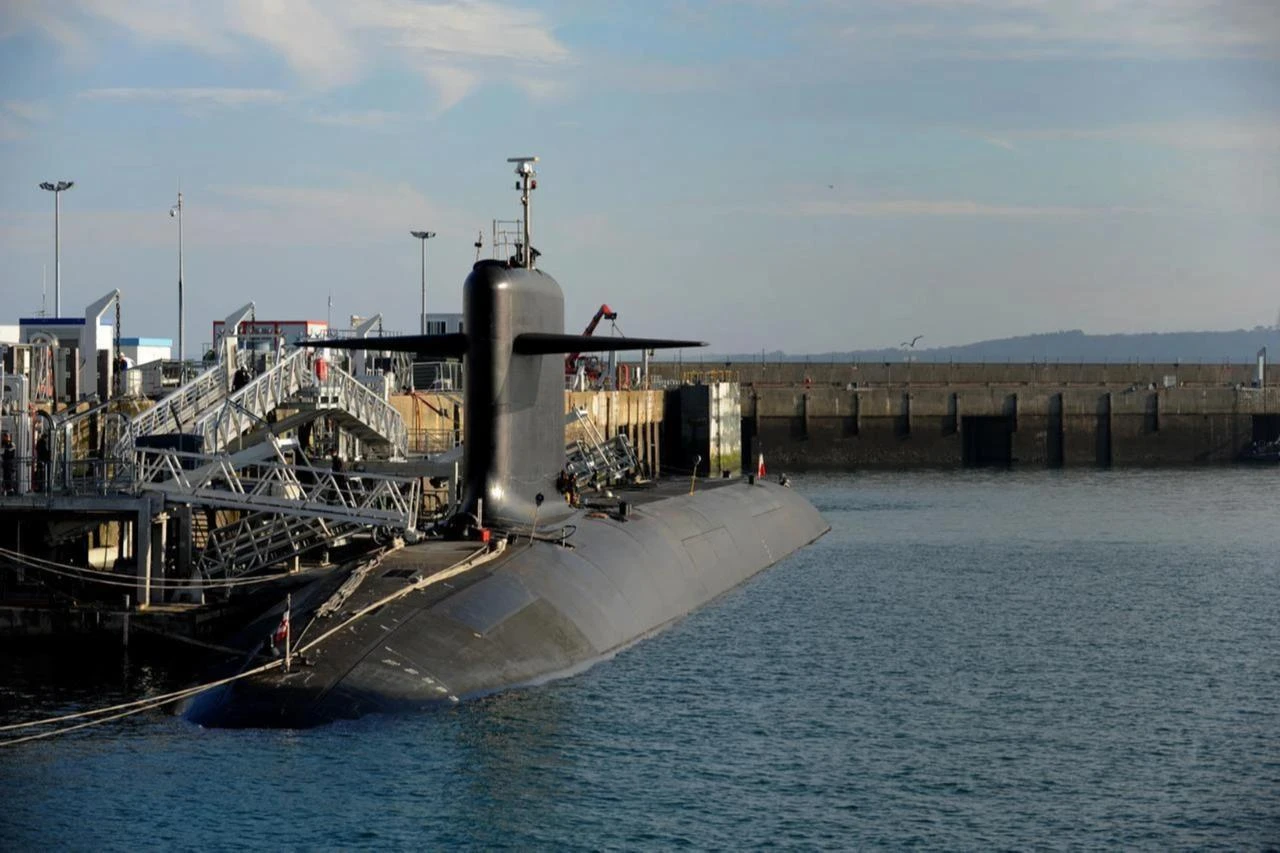


South Korea plans to introduce special legislation legally reaffirming that it will not develop or possess nuclear weapons while advancing a program to build nuclear-powered submarines, Yonhap News Agency reported Tuesday, citing government sources.
The defense ministry is expected to soon announce the proposed bill for public consultation. The legislation outlines five basic principles governing the country’s nuclear-powered submarine project.
If enacted, it would be the first time South Korea’s commitment not to develop or possess nuclear weapons is explicitly written into domestic law.
Under the first principle, the government would be prohibited from developing, manufacturing, possessing or using nuclear weapons.
It would also be barred from conducting activities involving nuclear material intended exclusively for nuclear weapons purposes or taking actions that could undermine the credibility of the global nuclear non-proliferation system.
The proposed legislation is intended to address concerns, particularly in the U.S., that South Korea’s pursuit of nuclear-powered submarines could eventually lead to a domestic nuclear weapons program.
The bill also reaffirms Seoul’s obligations under the Nuclear Non-Proliferation Treaty and requires coordination with international organizations throughout the submarine development process.
It would also mandate measures to protect the public and the environment from radioactive materials.
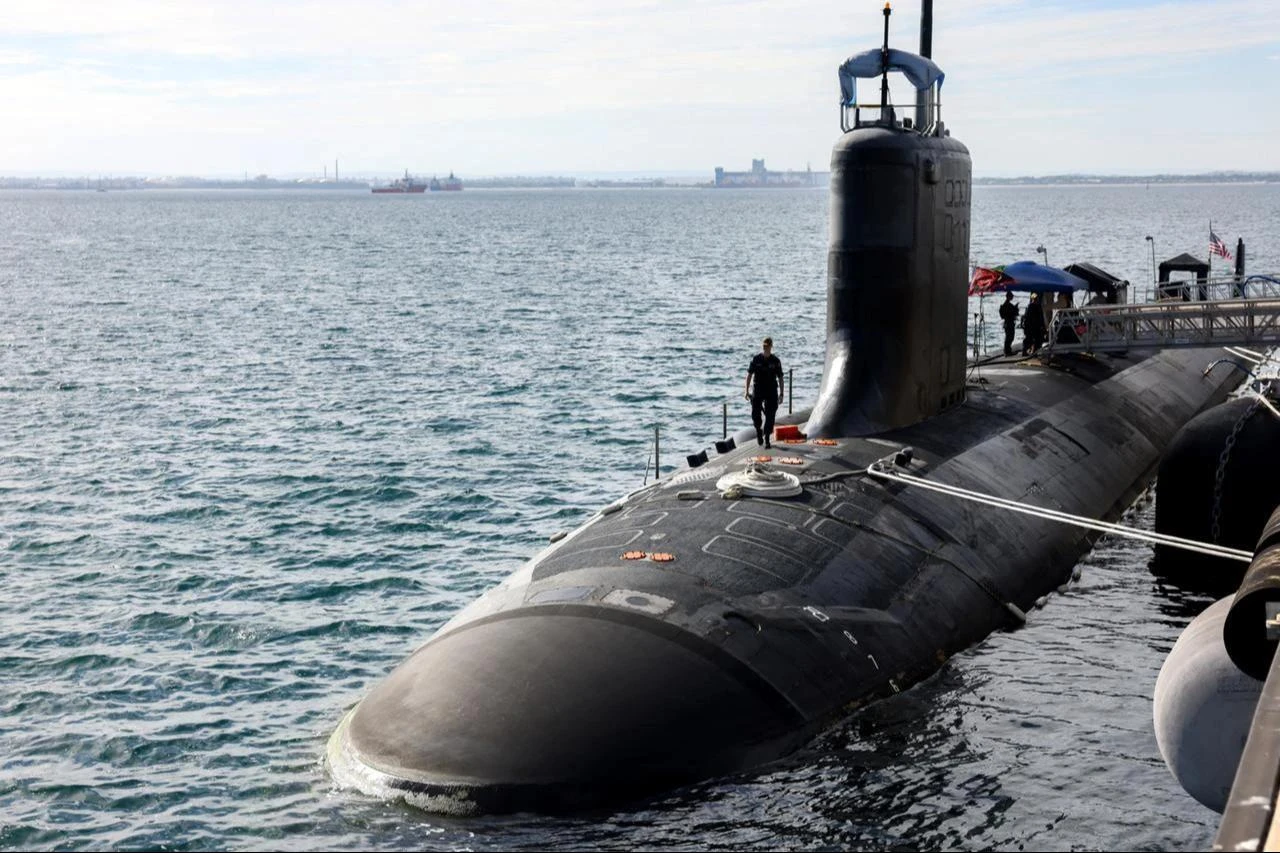

The draft bill reportedly includes provisions aimed at speeding up the nuclear-powered submarine program, including an exemption from a preliminary feasibility study.
Under the project, known as “Jang Bogo N,” South Korea plans to develop nuclear-powered attack submarines fueled by low-enriched uranium after receiving U.S. consent.
The consent followed an agreement reached during a summit between the leaders of South Korea and the U.S. last October.
Seoul plans to launch its first nuclear-powered submarine in the mid-2030s and place it into operational service during the latter half of the decade.
Although official technical specifications have not been disclosed, defense authorities are reportedly planning to develop three nuclear-powered submarines in the 8,000-ton class.
When announcing the project’s road map in May, South Korean Defense Minister Ahn Gyu-back said Seoul remained committed to its international nuclear non-proliferation obligations.
Ahn said South Korea would work closely with the International Atomic Energy Agency, the U.N. nuclear watchdog, throughout the development program.


 Set as preferred source
 Set as preferred source


 1 min read
 1 min read