Newsletters


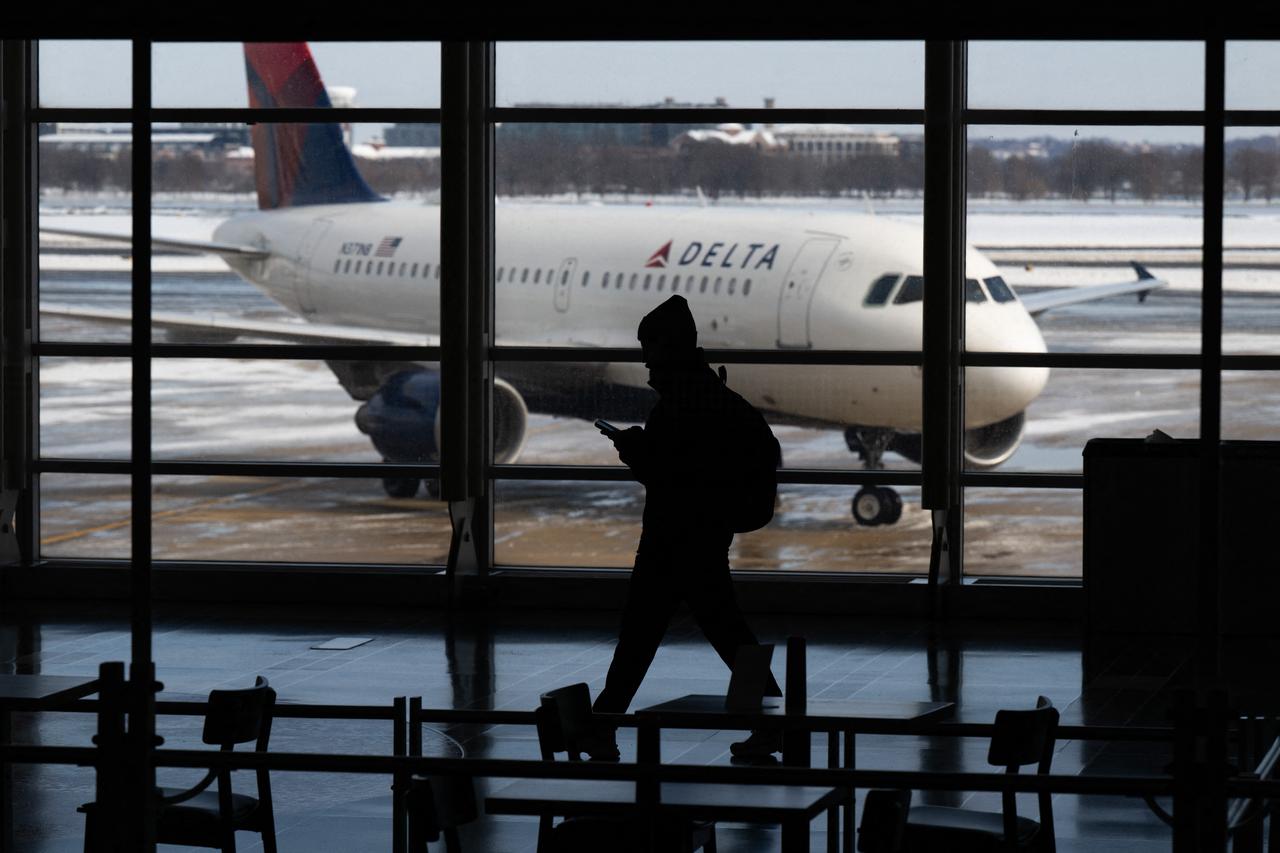


A powerful winter storm has battered large swaths of the United States, claiming the lives of 23 people and disrupting daily life with power outages, straining emergency services, and leading to the cancellation of thousands of flights.
Reported causes include hypothermia and accidents involving vehicles, sledding, ATVs and snowplows. In New York City, authorities are investigating eight additional deaths, although it remains unclear whether these fatalities were directly storm-related.
As the death toll rose and conditions worsened, the U.S. Department of Homeland Security announced that President Donald Trump had approved emergency declarations in more than a dozen states, enabling the rapid deployment of federal assistance.
The National Weather Service (NWS) warned that sub-freezing temperatures are likely to persist through Feb. 1, prolonging recovery and compounding risks for affected communities. As of Monday evening, more than 550,000 customers remained without electricity nationwide, following a peak of over 820,000 outages earlier in the day.
Southern states less accustomed to harsh winter conditions, such as Tennessee, Texas, Mississippi, and Louisiana, were among the most severely impacted. Local governments opened emergency warming shelters as ice-laden trees continued to collapse, repeatedly knocking out power lines and damaging infrastructure.
The storm also paralyzed air travel across the country, grounding more than 15,000 flights and delaying over 6,000 others as freezing rain, snow, and Arctic air disrupted operations. According to the flight-tracking service FlightAware, cancellations as of Monday morning were concentrated at key hubs in Texas, North Carolina, New York, New Jersey and Georgia.
Dallas-Fort Worth International Airport in Texas recorded the highest number of cancellations, with 828 flights scrapped. Other heavily affected airports included Charlotte Douglas (751), JFK (728), Newark Liberty (682), and Hartsfield-Jackson Atlanta (680). Major U.S. carriers—American Airlines, Delta Air Lines, Southwest Airlines, and United Airlines—together canceled more than 7,000 flights.
The travel disruptions continued into Tuesday, with an additional 441 flights canceled. Once again, Dallas-Fort Worth International Airport led in reported disruptions.
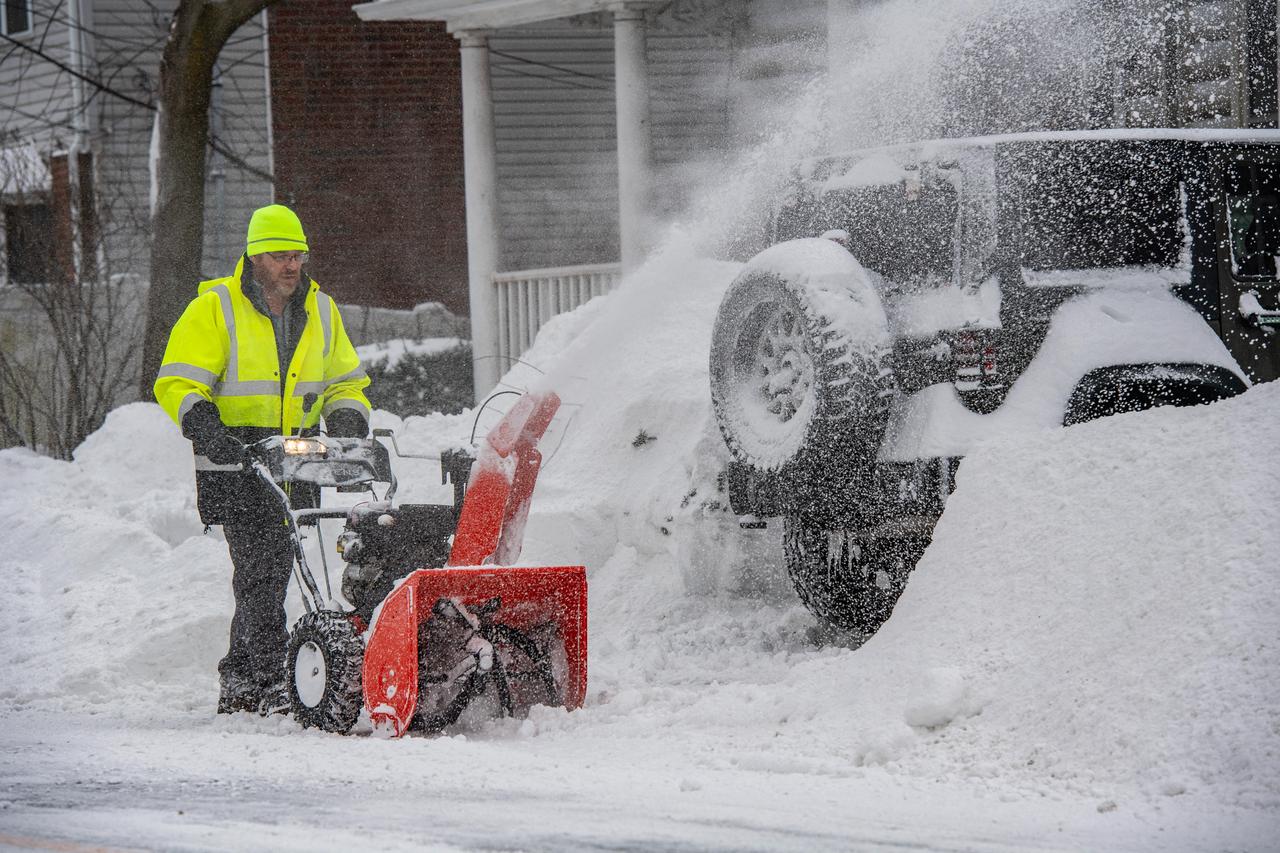

Beyond air travel, the storm also wreaked havoc on ground transportation. Municipalities across the affected regions reported impassable roads, suspended public transit, and widespread closures. Emergency services urged residents to remain indoors and avoid exposure, citing hazardous conditions and limited response capacity.
Snowfall totals surpassed 22 inches (56 cm) in parts of Connecticut and exceeded 16 inches in Boston. In New Mexico’s Bonito Lake area, snowfall reached 31 inches, the highest total reported over the weekend.
In the Great Lakes region, the NWS recorded temperatures as low as minus 23°F (minus 30.6°C), with windchills posing a risk of frostbite within minutes. Nearly half of the contiguous United States received at least 12 inches of snow, adding to the challenges of recovery.
The severe weather event was caused by a stretched polar vortex—a mass of low-pressure, frigid air that typically stays contained in the Arctic but can occasionally push southward across North America. Scientists continue to study the potential links between such polar vortex disruptions and climate change, though natural variability also plays a role.


 Set as preferred source
 Set as preferred source


 1 min read

 1 min read