Newsletters


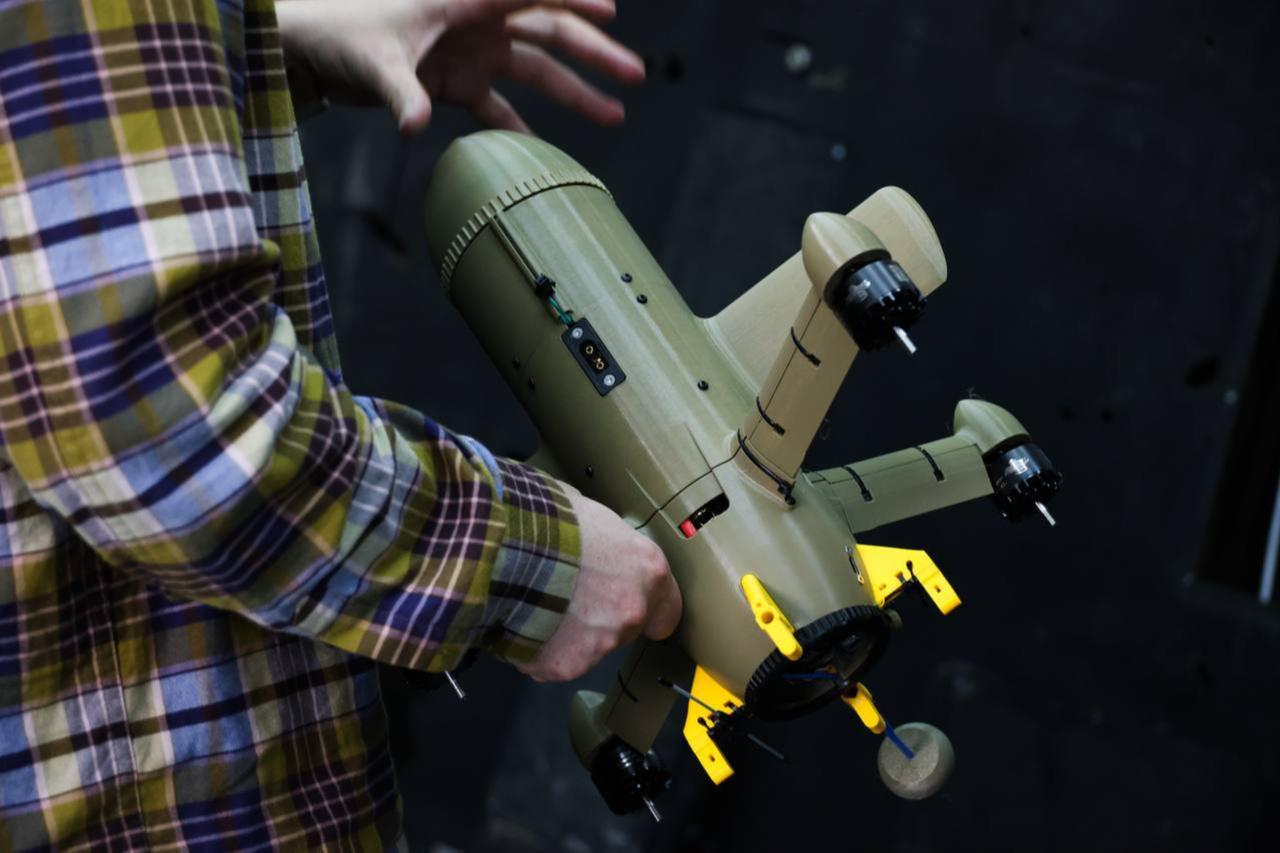


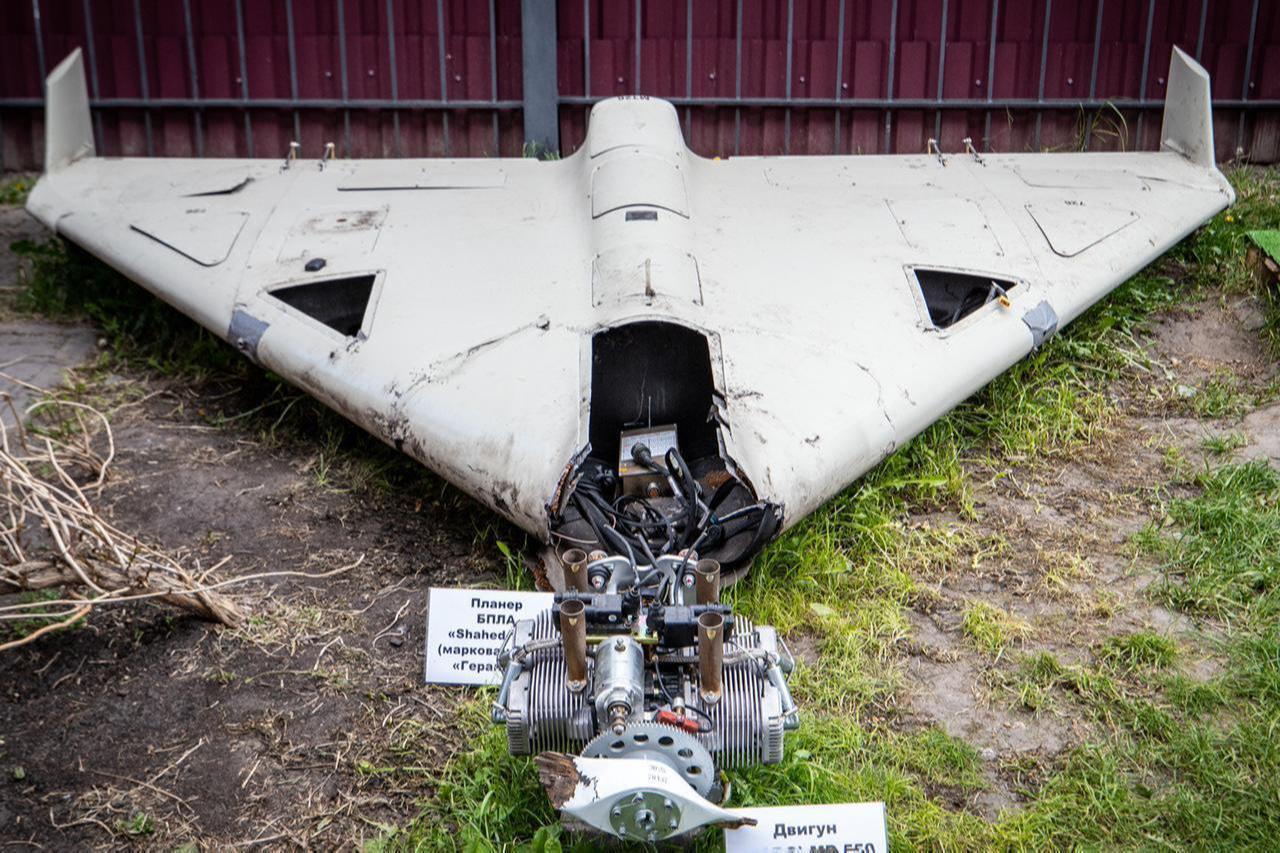
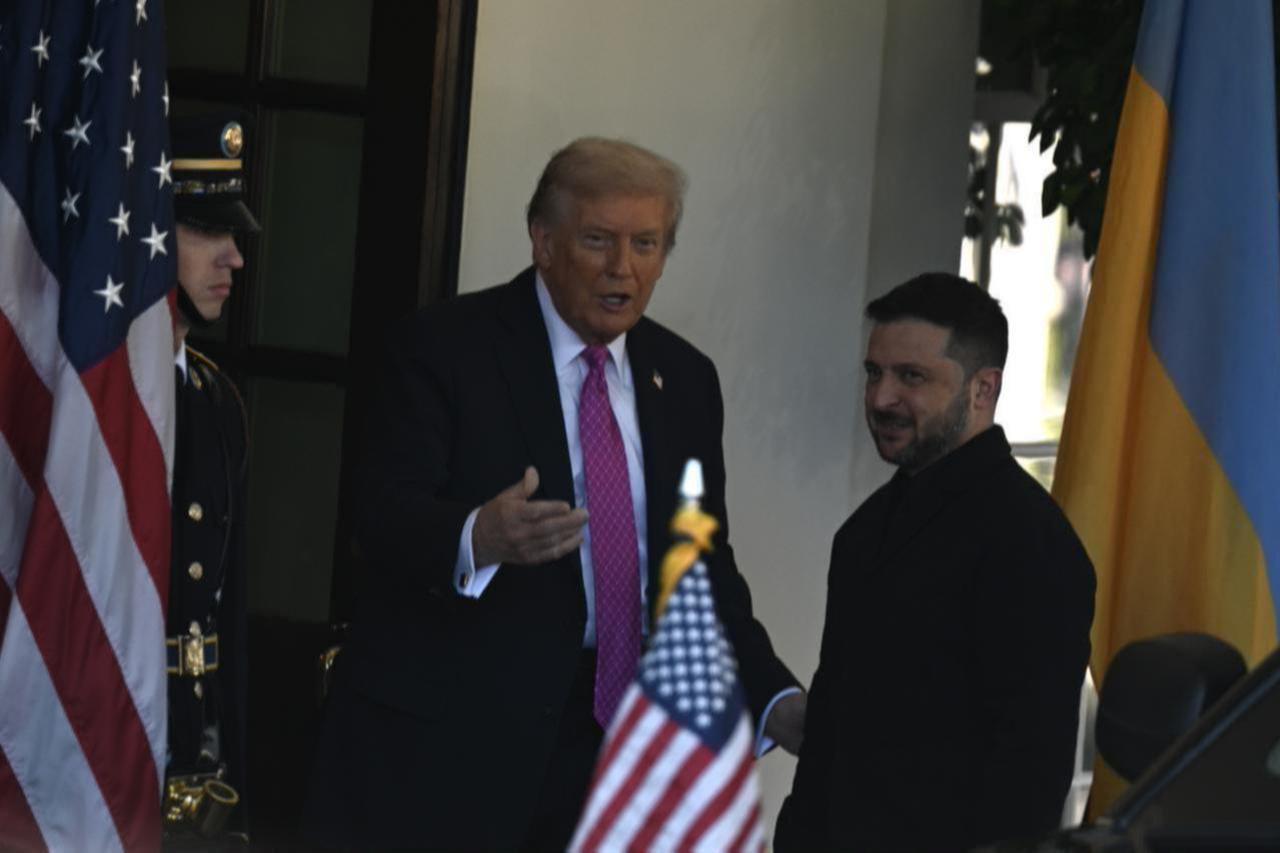
The United States has asked Ukraine to assist in strengthening defenses against Iranian drones targeting Gulf allies, according to Ukrainian President Volodymyr Zelenskyy, as the country has developed sustainable solutions in countering large numbers of inexpensive aerial threats during its war with Russia.
In response, the Ukrainian president instructed authorities to prepare assistance, including equipment and technical specialists to support air defense operations.
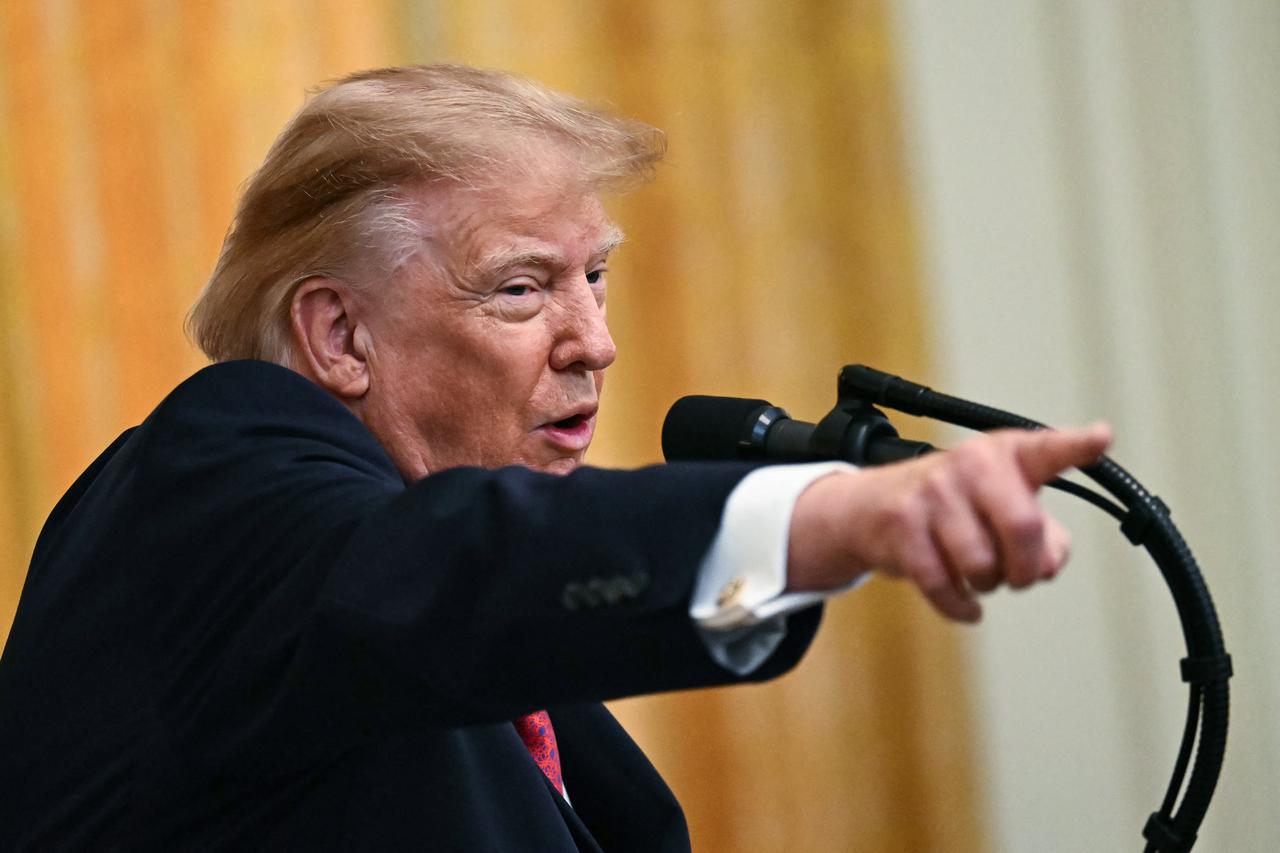
Speaking about the potential cooperation, U.S. President Donald Trump said Washington would accept help wherever it could find it.
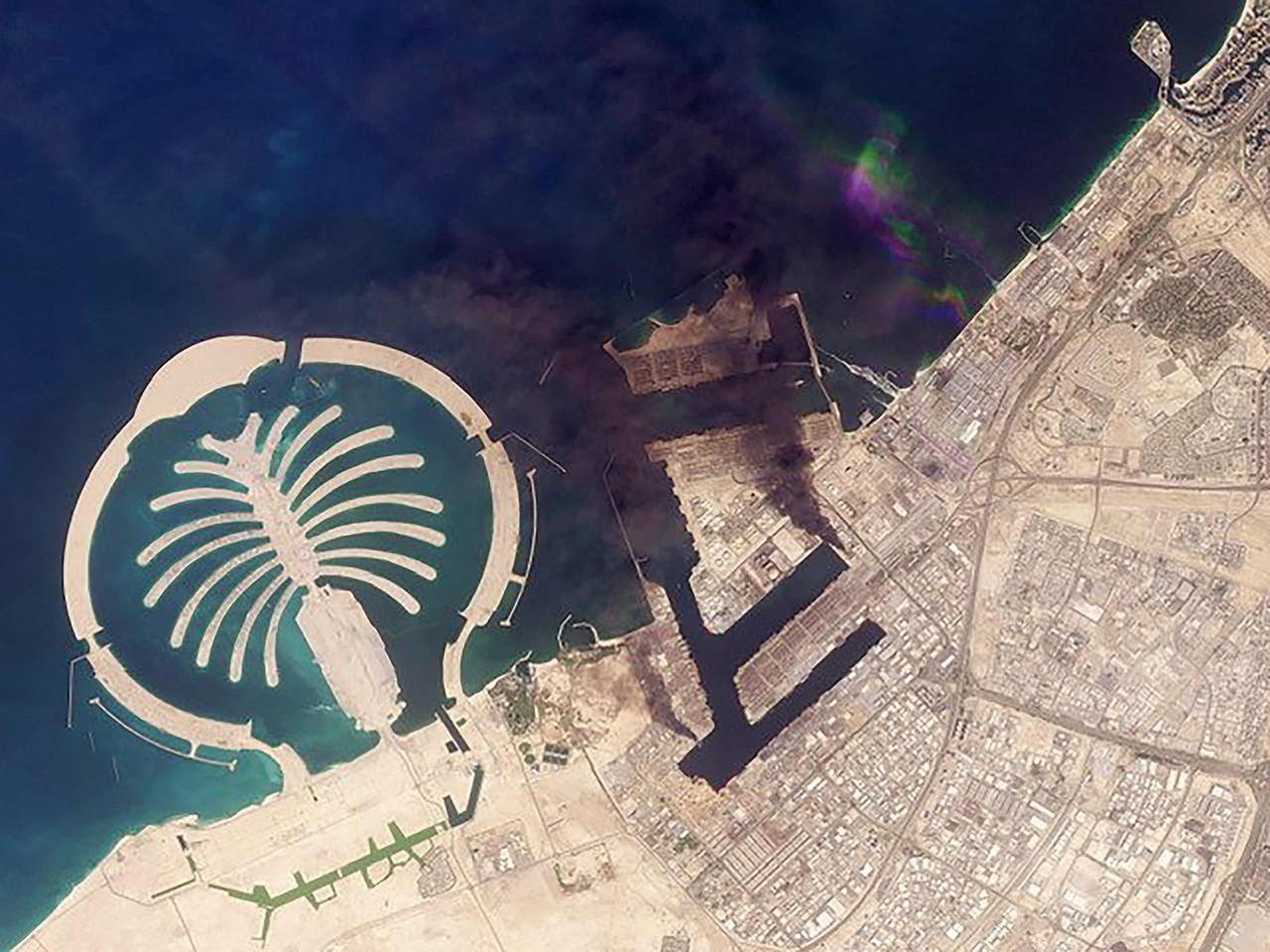
The discussions come as Iran-backed drone capabilities increasingly challenge air defenses across the Middle East. Gulf states have faced repeated attacks by low-cost unmanned aerial vehicles over the last week.
While Ukraine’s offer demonstrates tactical capabilities, the decision to export expertise raises moral and strategic questions. Zelenskyy emphasized that Ukraine would assist only if it does not weaken its own defenses and if it brings potential diplomatic gains.

Speaking to Türkiye Today, international relations expert Andrey Buzarov said the war has unintentionally transformed Ukraine into a center of innovation in contemporary conflict.
“Unfortunately, due to Russia’s invasion, Ukraine has effectively become a testing ground for modern warfare, where new technologies and tactics are constantly being developed and refined,” he said.
Years of fighting a larger and better-resourced adversary have forced Ukrainian forces to develop unconventional and cost-efficient tactics.
He noted that the interest from major military powers reflects the practical value of that experience. “The fact that leading military powers are now turning to Ukraine for practical experience and advice demonstrates that we are not simply defending ourselves—we are helping to shape new standards of warfare,” he added.
According to the political analyst, Ukraine has had little choice but to pursue asymmetric methods to offset Russia’s advantages in manpower and resources. “Russia is an adversary that surpasses Ukraine in terms of population size and possesses significant economic resources,” he said. “To defeat such a powerful opponent, Ukraine must act intelligently and asymmetrically in order to compensate for the enemy’s advantages in manpower, resources, and equipment.”
Ukraine has targeted critical vulnerabilities in Russia’s war effort, seeking to shift the balance of power through innovation rather than sheer force.
Buzarov highlighted these developments as evidence of Ukraine’s adaptive strategy. “Ukraine’s asymmetric actions against Russia rely on innovative and relatively low-cost solutions to counter a stronger adversary—and this has become one of our key advantages,” he said.
One of the most visible examples is the widespread use of first-person-view (FPV) drones, which Ukrainian forces have used to destroy armored vehicles and artillery units.
Another area of innovation has been maritime warfare. Ukrainian naval drones have successfully targeted vessels belonging to Russia’s Black Sea Fleet, forcing Moscow to adjust its naval operations in the region.
At the same time, Ukrainian forces have carried out strikes against infrastructure deep inside Russian territory. “These actions are complemented by sabotage operations and cyberattacks that destabilize the enemy’s rear,” he said, exemplifying how Ukraine’s strategy integrates multiple domains of warfare.
Traditional air defense solutions often involve launching interceptors that cost millions of dollars to destroy drones worth only a few thousand.
Buzarov described this imbalance as economically unsustainable. “Using a multi-million-dollar missile to intercept a drone that costs only a few thousand dollars is an absurd solution,” he said. “It’s like using a microscope as a hammer to crack a nut.”
Beyond the cost problem, the approach also risks exhausting stockpiles of high-value missiles. Large-scale drone attacks can overwhelm even sophisticated air defense systems if every incoming target requires a costly interceptor.
Ukrainian engineers have therefore developed alternative solutions focused on flexibility and affordability. These include electronic warfare systems designed to jam drones, interceptor FPV drones capable of physically striking hostile UAVs, and mobile anti-aircraft units mounted on trucks or armored vehicles.
Buzarov said such systems are already attracting global attention. “Today, these solutions are already being studied in military headquarters from Washington to Tel Aviv,” he noted.
He added that Ukraine’s experience has demonstrated that air defense can be both effective and economically rational. “Through this experience, Ukraine has demonstrated that defense can be not only effective but also economically rational,” Buzarov said. “Ukraine is no longer just a consumer of Western technologies—it is becoming a source of new ideas that may shape the next global standard in defense.”
Ukraine’s willingness to share its experience with Middle Eastern partners could carry diplomatic implications beyond military cooperation.
Buzarov said this dynamic could strengthen Ukraine’s international standing. “The Middle East is a region where security issues have always been extremely sensitive,” he said. “Today, this is even more evident, as countries in the Gulf have become targets of Iranian missile attacks.”
He argued that Ukraine’s contributions could reshape how it is perceived globally. “When Ukraine offers its practical experience and technological solutions to partners in this region, it demonstrates that we are not only a recipient of international assistance but also a contributor of new solutions,” he said.
“Such an approach opens new diplomatic opportunities and strengthens mutual trust,” Buzarov said. “Ultimately, it helps shape Ukraine’s image as a country capable of assisting others even under the most difficult circumstances.”
Ankara has already established itself as a leading player in unmanned aerial systems and defense technology. Buzarov pointed to the widespread attention generated by Turkish drones during the early stages of the war. “One could recall the so-called ‘Bayraktar cult’ that emerged in Ukraine in 2022.”
According to Buzarov, Türkiye’s technological capabilities could complement Ukraine’s battlefield experience. While Ankara has strong expertise in developing unmanned platforms, Ukrainian forces have accumulated extensive operational knowledge about how to deploy such systems in complex combat environments.
“Türkiye already holds strong positions in the field of drones and modern defense technologies,” Buzarov said. “However, cooperation with Ukraine could become a new strategic step for Ankara, because Ukrainians have gained comprehensive experience not only in developing unmanned systems but also in their diverse battlefield applications.”


 Set as preferred source
 Set as preferred source


 2 min read
 1 min read