Newsletters


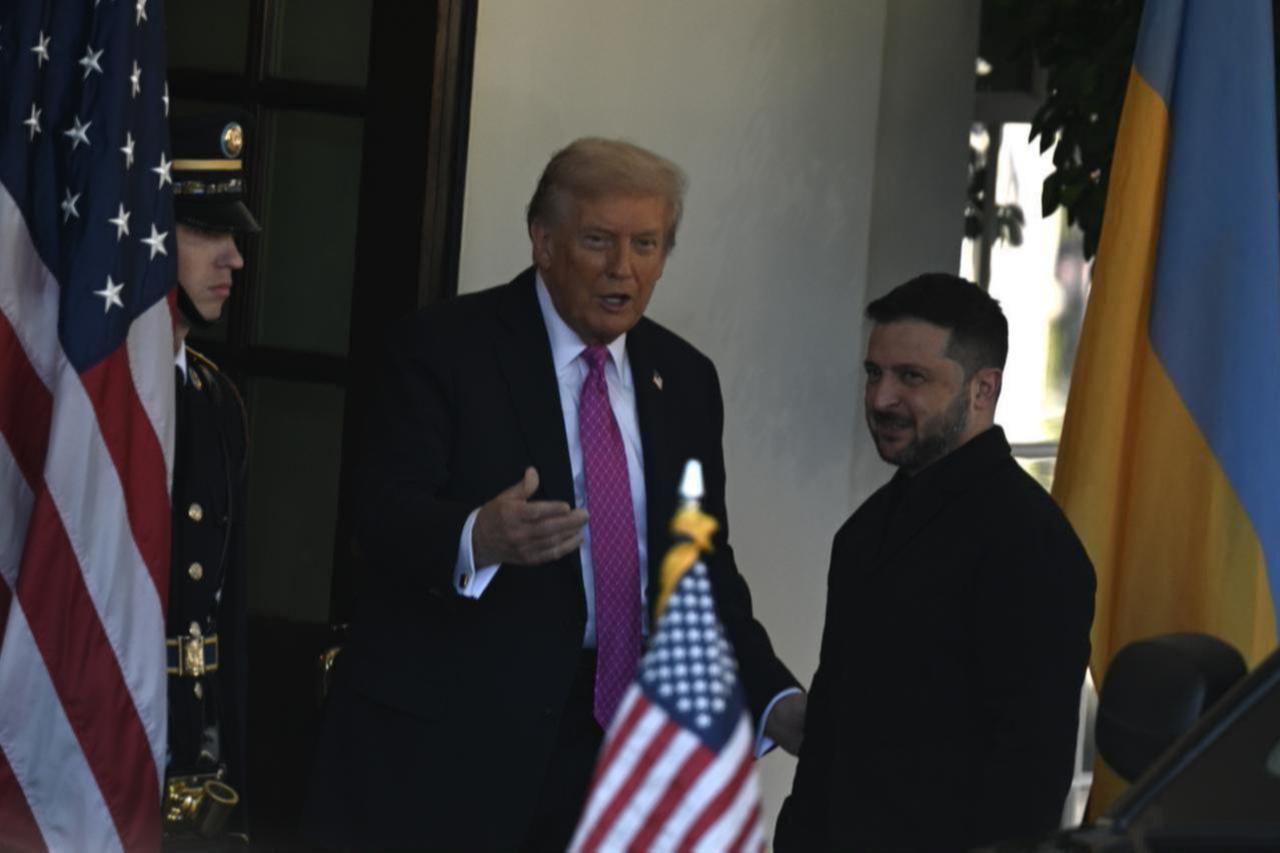


Ukrainian President Volodymyr Zelenskyy announced late Thursday that he has ordered military specialists and equipment to the Middle East after the United States formally requested Kyiv's assistance in defending against Iranian-made Shahed drones, a remarkable turn in a relationship that has been defined by friction, insults and stalled diplomacy.
The move positions Ukraine, itself locked in a grinding four-year war with Russia, as a critical player in a second major conflict, offering hard-won battlefield expertise to the same administration that has repeatedly clashed with Zelenskyy and resisted expanding military support for Kyiv.
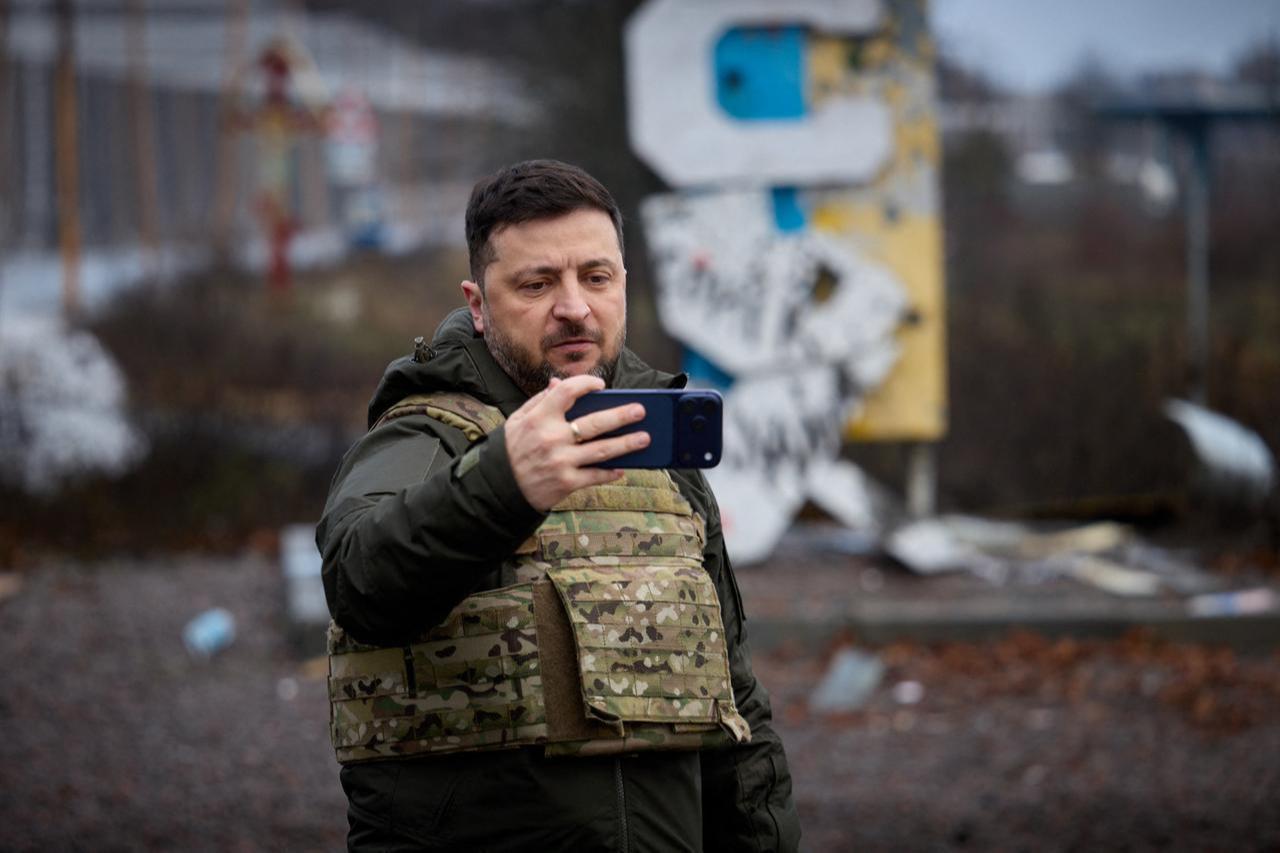
"We received a request from the United States for specific support in protection against Shaheds in the Middle East region," Zelenskyy wrote on X. "I gave instructions to provide the necessary means and ensure the presence of Ukrainian specialists who can guarantee the required security."

Multiple countries, including the United States, have approached Ukraine for help in defending against Iran's drones, according to the Washington Post.
In his nightly video address, Zelenskyy confirmed that the requests have come from across a broad coalition. "Partners are turning to us, to Ukraine, asking for help in defending against Shahed drones, with expertise and real operational experience," he said. "There have also been requests from the American side."
Zelenskyy said he has spoken in recent days with the leaders of the UAE, Qatar, Bahrain, Jordan and Kuwait about possible drone defense cooperation. Ukrainian teams are already coordinating deployment efforts, with specialists set to operate on the ground in the region.
The appeal represents a tacit acknowledgment by Washington of a problem U.S. forces have struggled to solve on their own. Iran's Shahed drones, which cost roughly $50,000 to produce, have struck regional allies of the United States including the UAE, Bahrain, Kuwait, Qatar, Saudi Arabia and Jordan as Tehran attempts to inflict damage on Gulf countries hosting American troops.
Trump administration officials told lawmakers during a closed-door briefing on Capitol Hill on Tuesday that U.S. air defenses have been unable to detect and intercept all of the drones, which fly low and slow, and that the cheap aircraft are causing American forces to burn through expensive, hard-to-replace munitions, as reported by The Hill.
James Alexander Winnefeld Jr., the former vice-chairman of the Joint Chiefs of Staff, warned that the U.S. could run out of interceptor stocks in a matter of days.
Ukraine's qualifications for the role are the product of grim experience. Russia has fired tens of thousands of Shahed-type drones at Ukrainian cities and infrastructure since the fall of 2022, after purchasing the technology and 6,000 units from Iran. In the winter of 2025-2026 alone, Russia launched 19,000 Shahed and other drones against Ukraine.
In response, Kyiv built a multi-layered defense system combining anti-aircraft missiles, mobile fire groups and, crucially, low-cost interceptor drones designed specifically to hunt Shaheds.
Interceptor drones accounted for more than 70% of Shahed kills in the Kyiv region during February, according to Commander-in-Chief of the Ukrainian Armed Forces Oleksandr Syrskyi. These Ukrainian interceptors cost thousands of dollars each, compared with millions for a single Patriot missile.
In the Middle East, Patriot systems are being used not only against ballistic missiles but also to shoot down Shaheds, even as Iran retains at least 1,000 ballistic missiles in reserve. Lockheed Martin, the sole manufacturer of PAC-3 interceptor missiles, produced just 620 of them in 2025, meaning replenishing current stocks would take more than a year, according to United24 Media.
The request comes against the backdrop of a deeply strained relationship between Trump and Zelenskyy. Trump has frequently sparred with the Ukrainian leader, calling him "P.T. Barnum" on Truth Social just this week.
During an Oval Office meeting in February 2025, Trump mocked Zelenskyy's clothing, and Vice President JD Vance later berated the Ukrainian president for not being sufficiently grateful. Trump has also labeled Zelenskyy a "dictator."
Yet the dynamics of the Middle East conflict have now created an opening for Kyiv.
The drone problem offers Zelenskyy an opportunity to build goodwill with Trump, who is simultaneously attempting to broker a peace deal between Russia and Ukraine. But it is also a matter of self-preservation: Ukraine relies on Patriot systems to defend its own skies from relentless Russian missile attacks, and the depletion of interceptor supplies due to the Iran conflict will make it harder for Kyiv to obtain them.
Offering a cheaper Ukrainian alternative to counter Shaheds could preserve Patriot stocks for use against ballistic missiles.
Zelenskyy was careful to frame the assistance as conditional, stating that Ukrainian help would be provided only if it does not weaken Ukraine's own defenses and adds leverage to Kyiv's diplomatic efforts to end the Russian invasion. "Ukraine helps partners who help ensure our security and protect the lives of our people," he wrote.
Zelenskyy also voiced concern over signals from Washington, both public and unofficial, that the Middle East military operation will continue and that the U.S. will need additional air defense systems for itself and its allies, as reported by NBC News, further straining an already limited global supply.
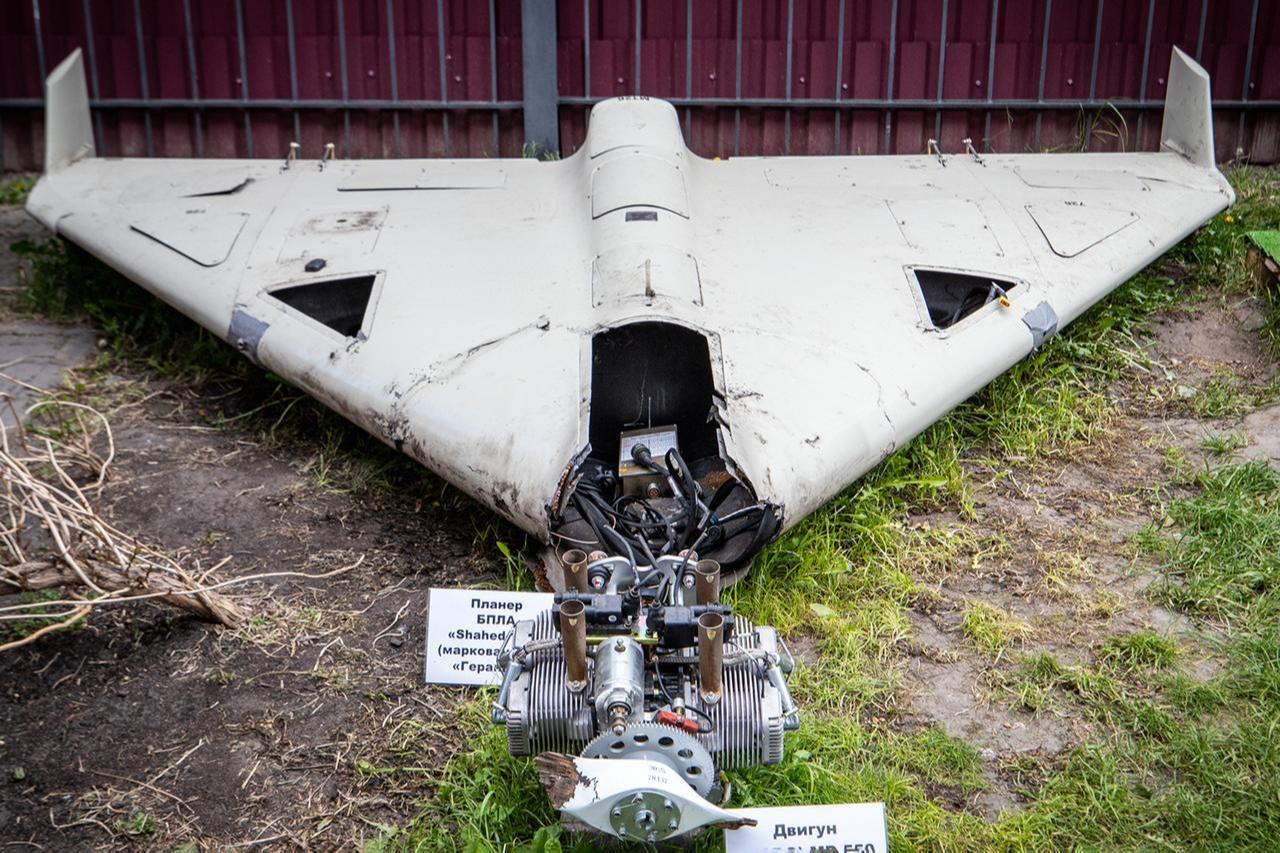
The Shahed drone, originally developed by Iran in the 2010s, is a delta-winged one-way attack drone roughly 3.5 meters long with a range of up to 2,500 kilometers. While far slower than ballistic missiles, the drones are produced cheaply and in large numbers, allowing both Russia and Iran to use them in swarms designed to overwhelm sophisticated air defenses through sheer volume, a strategy that has proved effective on two fronts simultaneously.


 Set as preferred source
 Set as preferred source


 1 min read

 1 min read