Newsletters




Israel's historic recognition of Somaliland as an independent state has triggered widespread condemnation from African, Middle Eastern and international bodies, with Somalia's president warning the move threatens global security and the United Nations Security Council scheduling an emergency session to address the diplomatic crisis.
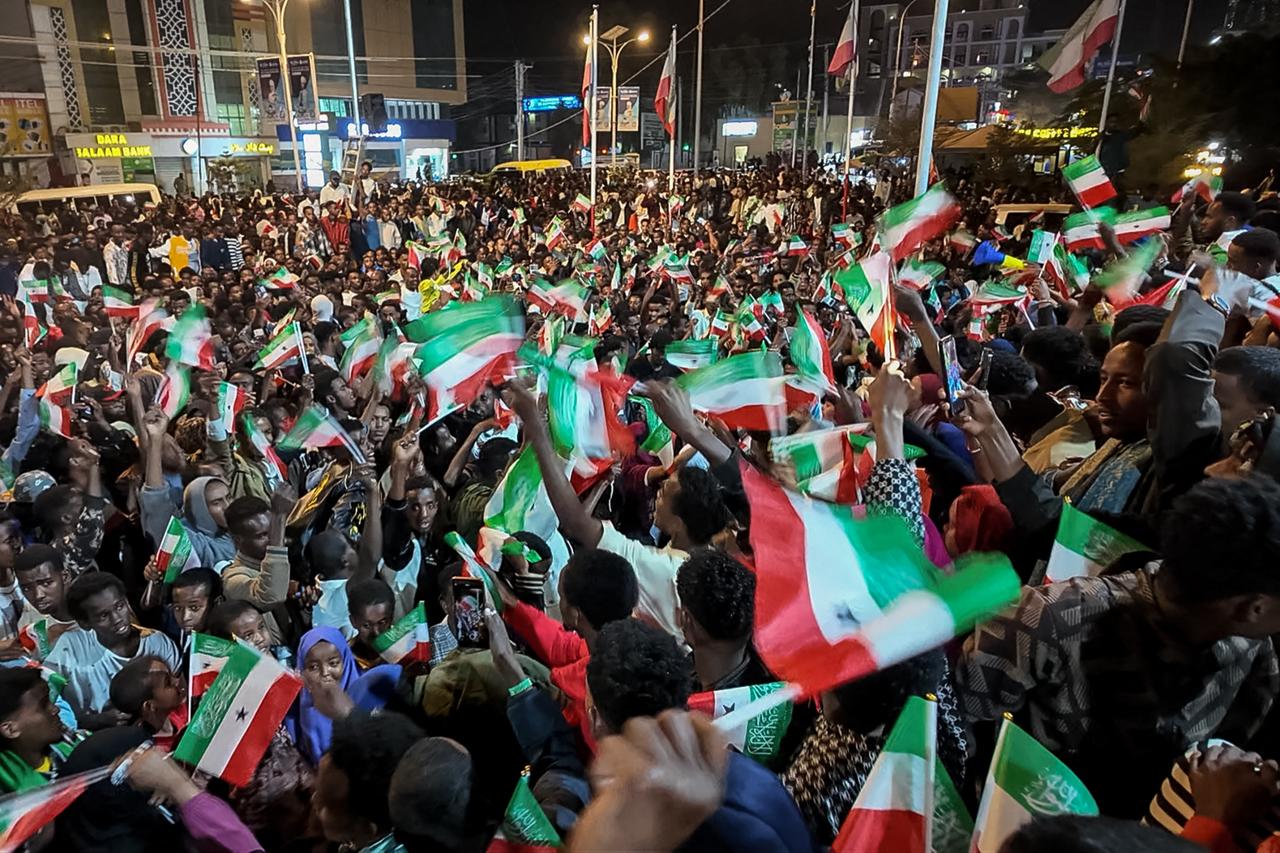
Israeli Prime Minister Benjamin Netanyahu announced Friday that Israel recognizes Somaliland as an "independent and sovereign state," making his country the first to grant diplomatic recognition to the breakaway region that declared independence from Somalia in 1991.
The decision has sparked sharp rebukes from governments and international organizations across multiple continents.
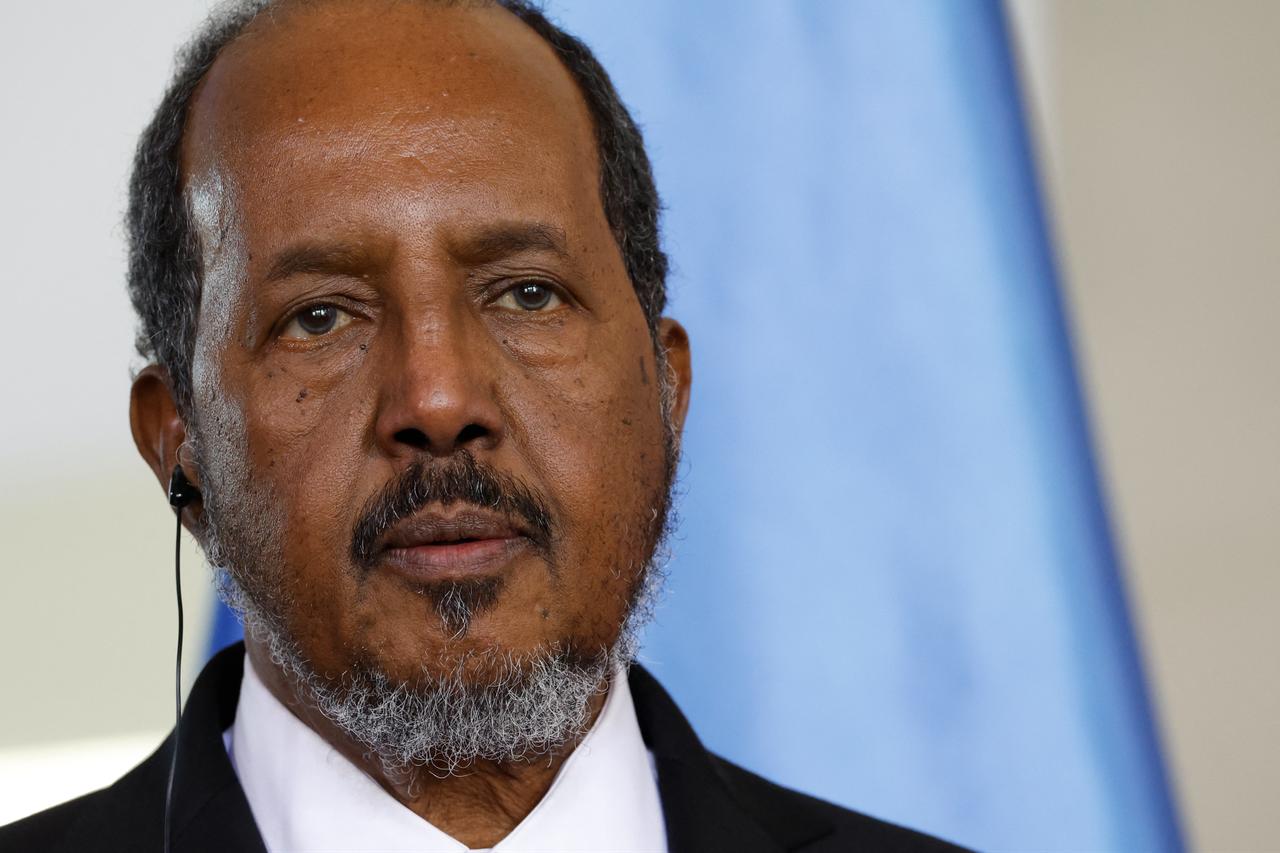
Speaking before an emergency parliamentary session on Sunday, Somali President Hassan Sheikh Mohamud described Israel's recognition as "tantamount to a blunt aggression against the sovereignty, independence, territorial integrity, and the unity of the people of the Somali Republic."
He characterized the move as a threat to security and stability both regionally and globally.
The Somali government in Mogadishu denounced what it called a "deliberate attack" on its sovereignty. Somalia maintains that Somaliland remains an inseparable part of its territory and insists all international agreements related to the region fall under Mogadishu's authority.
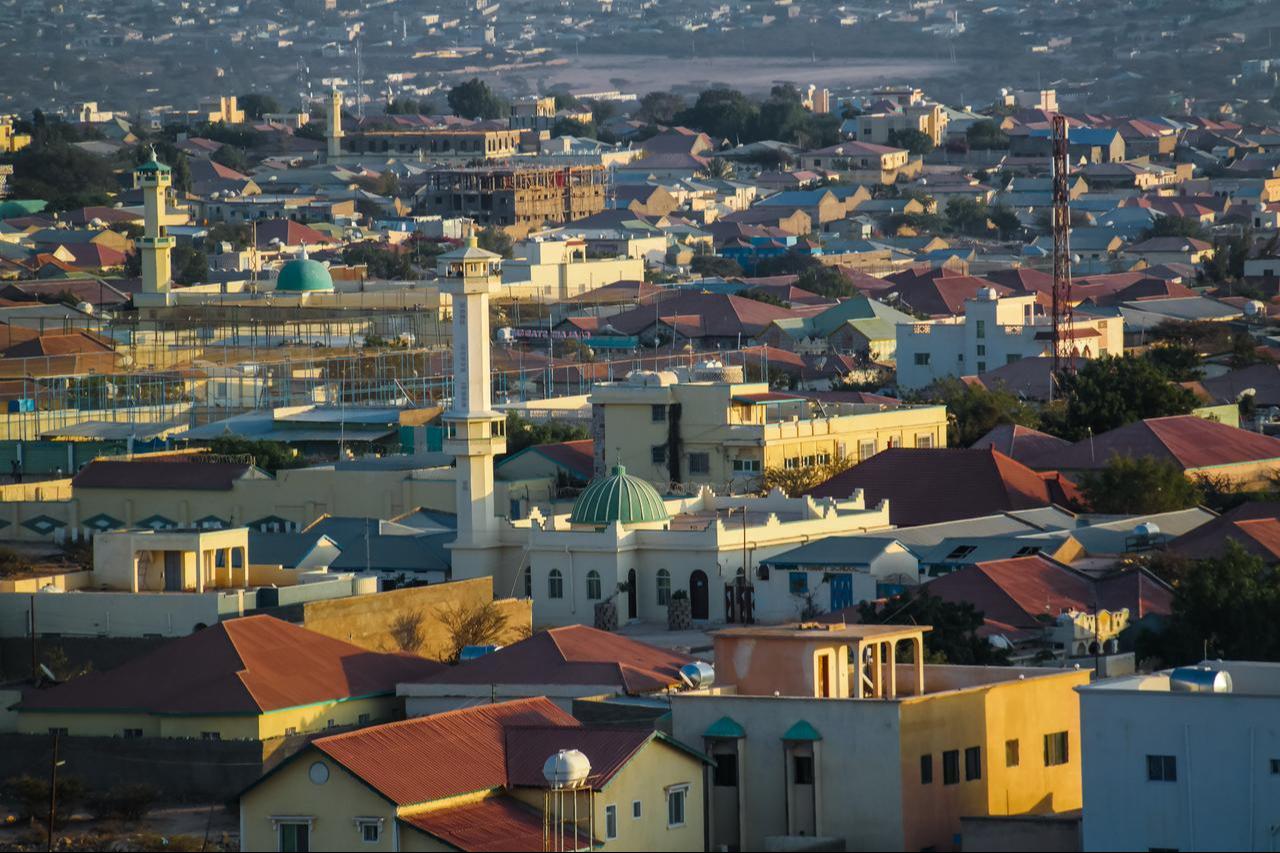
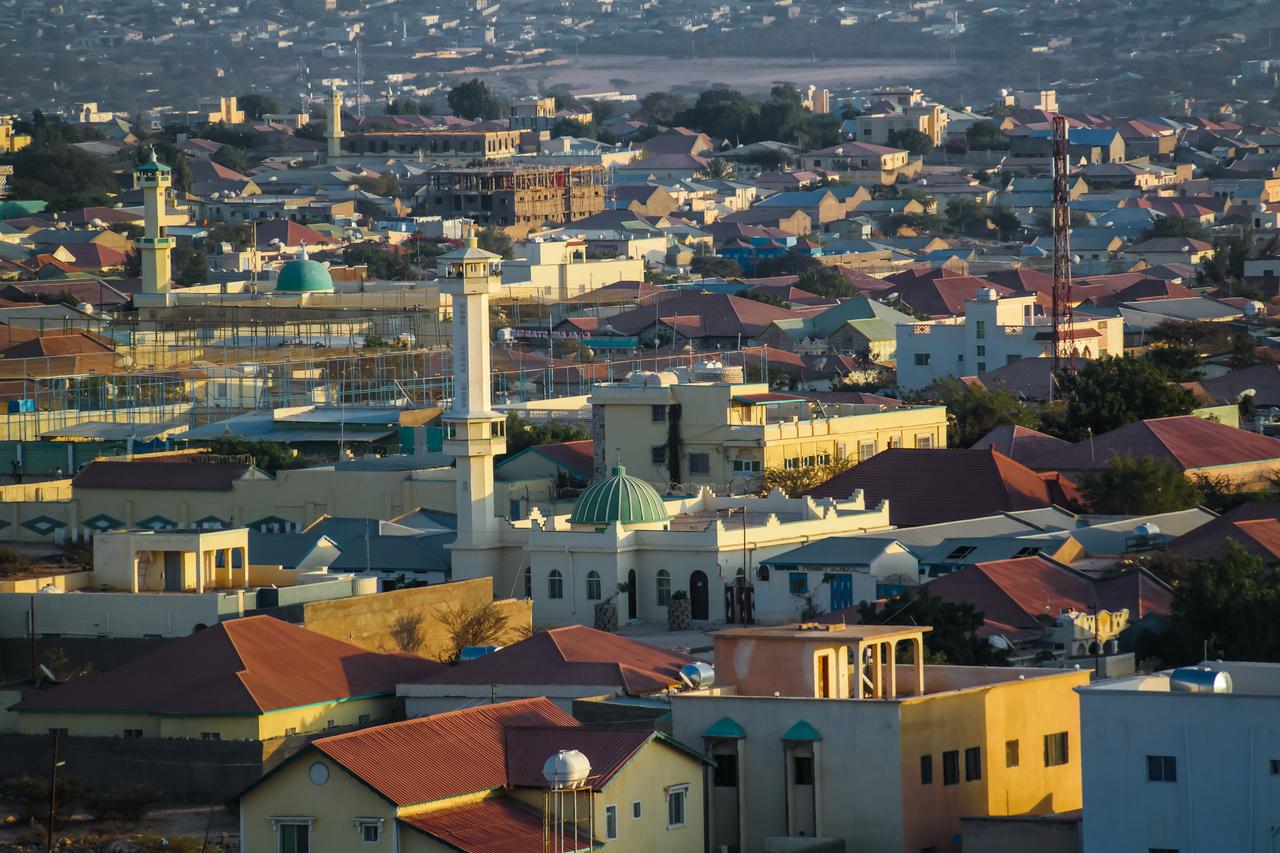
Somaliland, a self-proclaimed republic occupying a strategic position on the Gulf of Aden, has maintained its own currency, passports and military forces for more than three decades.
Despite these trappings of statehood, the region has remained diplomatically isolated since its unilateral declaration of independence, lacking recognition from any country until Israel's announcement.

The U.N. Security Council will hold an emergency session on Monday to discuss Israel's recognition, Israeli Ambassador to the U.N. Danny Danon confirmed Saturday.
Writing on social media, Danon said Israel would not avoid political debate over the decision, pledging to "continue to act responsibly and with discretion to strengthen cooperation with partners who contribute to regional stability."
The emergency session is expected to address the political and regional implications of recognizing Somaliland, which has functioned as a de facto independent political and security entity but has been unable to secure international legitimacy.
The African Union issued a strong rejection of Israel's move, with AU Commission Chair Mahmoud Ali Youssouf stating the bloc "unequivocally reaffirms" respect for borders inherited at independence and firmly rejects initiatives aimed at recognizing Somaliland as independent.
The AU warned that any attempt to undermine Somalia's unity contradicts the organization's core principles and risks setting a dangerous precedent with serious consequences for peace and stability across Africa.
Egypt, Türkiye, the six-nation Gulf Cooperation Council, and the Saudi-based Organisation of Islamic Cooperation all condemned the decision. Pakistan also joined in criticizing the recognition.
The Palestinian Foreign Ministry rejected Israel's recognition, describing it as part of Israel's attempts to undermine international peace and security "as a colonial power," particularly in the Middle East and Arab world.
The ministry said the move supports separatism, violates Somalia's sovereignty, and weakens regional stability. The statement also claimed Israel has used Somaliland as a target country to displace Palestinians, especially those from the Gaza Strip.
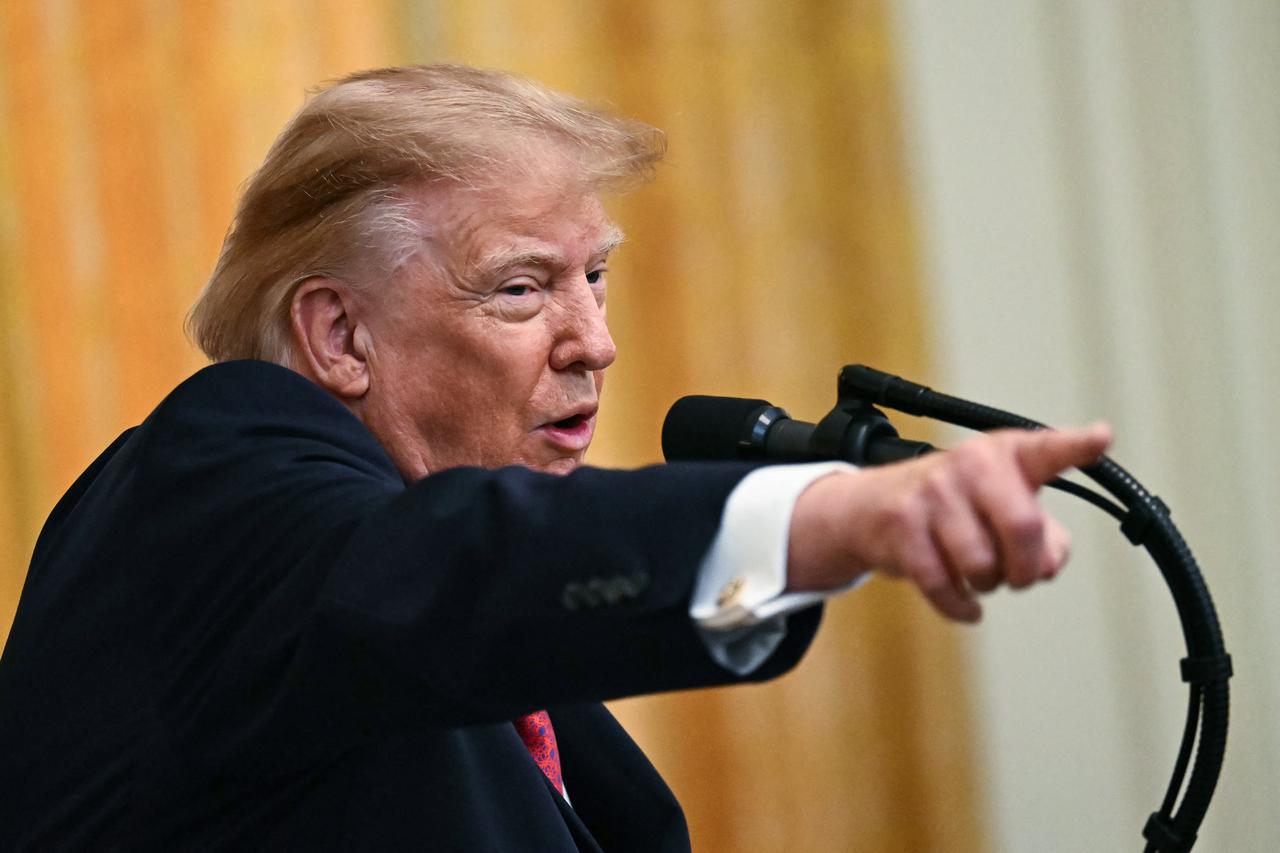
U.S. President Donald Trump indicated Friday he is not prepared to immediately recognize Somaliland, telling the New York Post the issue remains under review. When asked about the matter, Trump said everything is "under study," adding that he studies "a lot of things and always makes great decisions, and they turn out to be correct."
Trump questioned global awareness of the region, asking whether anyone really knows what Somaliland is. When asked about Somaliland's proposal to grant the United States access to a port on the Gulf of Aden, Trump responded dismissively, calling it a "big deal."
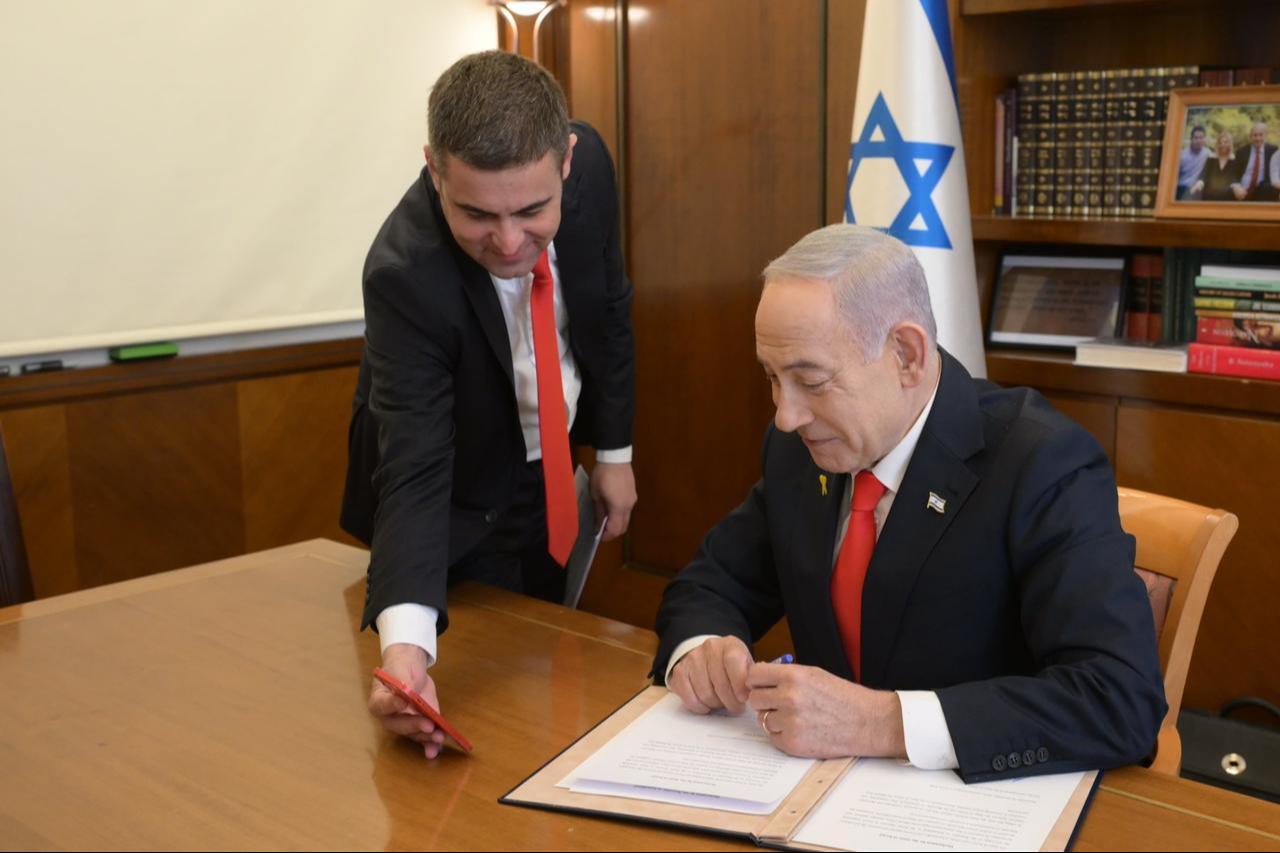
Netanyahu announced during a video call with Somaliland leader Abdirahman Mohamed Abdullahi that he would convey the recognition to Trump during a planned meeting scheduled for Monday.
Netanyahu also said he would inform Trump of Somaliland's interest in joining the Abraham Accords, the normalization agreements between Israel and several Arab states.
Trump, however, said the upcoming talks with Netanyahu would focus primarily on the Gaza Strip, including the ceasefire he brokered in October and ongoing reconstruction efforts being carried out under a U.N.-approved framework.


 Set as preferred source
 Set as preferred source


 1 min read

 1 min read