Newsletters


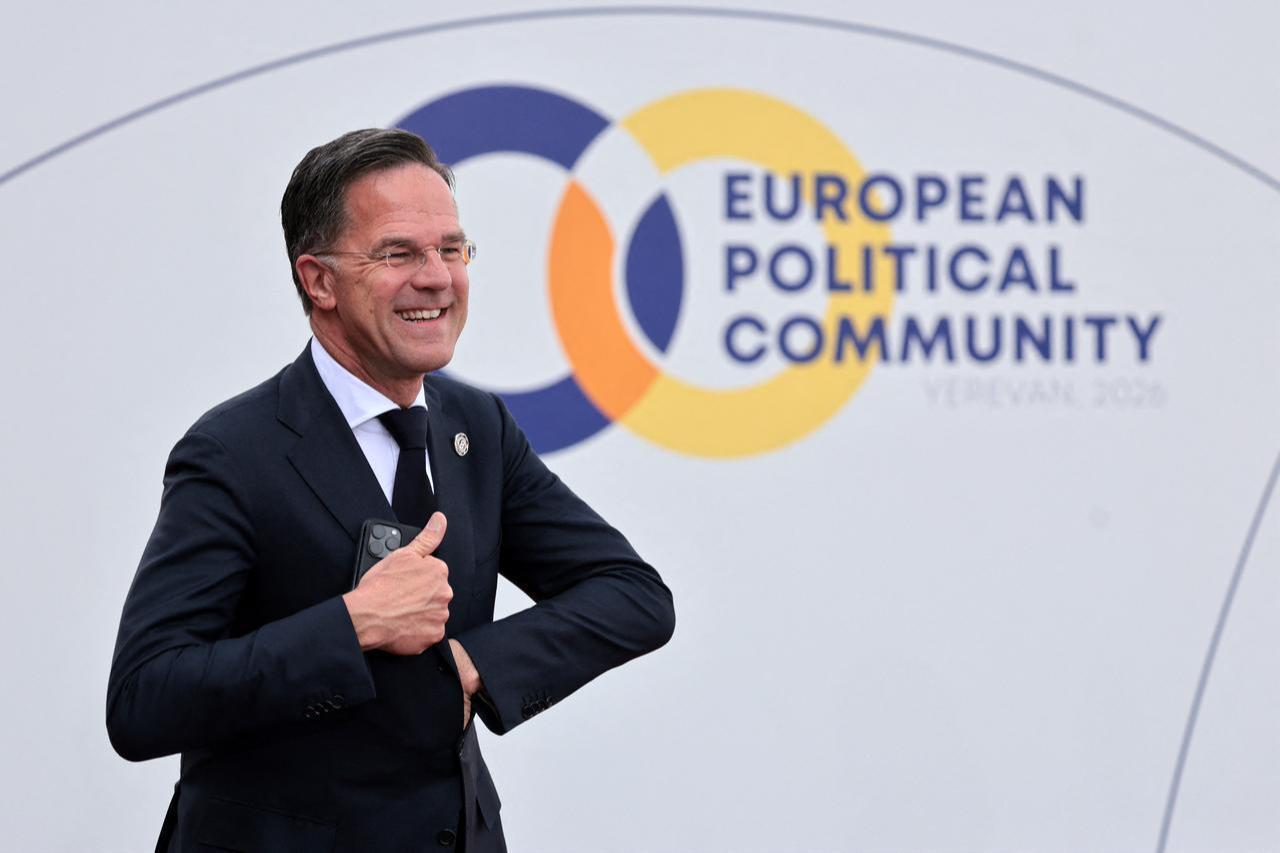
NATO Secretary-General Mark Rutte acknowledged “disappointment on the U.S. side” on Monday while saying Europeans had “gotten the message loud and clear” from President Donald Trump amid concerns over the EU's stance on the Iran war.
"European leaders have gotten the message. They heard the message loud and clear," Rutte told reporters ahead of talks with European leaders in Armenia, adding that Europeans were "stepping up" with "a bigger role for Europe and a stronger NATO."
Rutte said NATO countries, including Montenegro, Croatia, Romania, Portugal, Greece, Italy, Britain, France, and Germany, were implementing bilateral basing agreements and providing logistical support.
He added that "more and more" European nations were pre-positioning assets such as minehunters and minesweepers near the Gulf in preparation for a "next phase."
Multiple European nations have expressed willingness to participate in a future mission to ensure freedom of navigation through the Strait of Hormuz once the war ends.
Spain has said military bases on its territory cannot be used for the Iran war.

The Pentagon announced Friday it would withdraw approximately 5,000 troops from Germany, the largest American military hub in Europe.
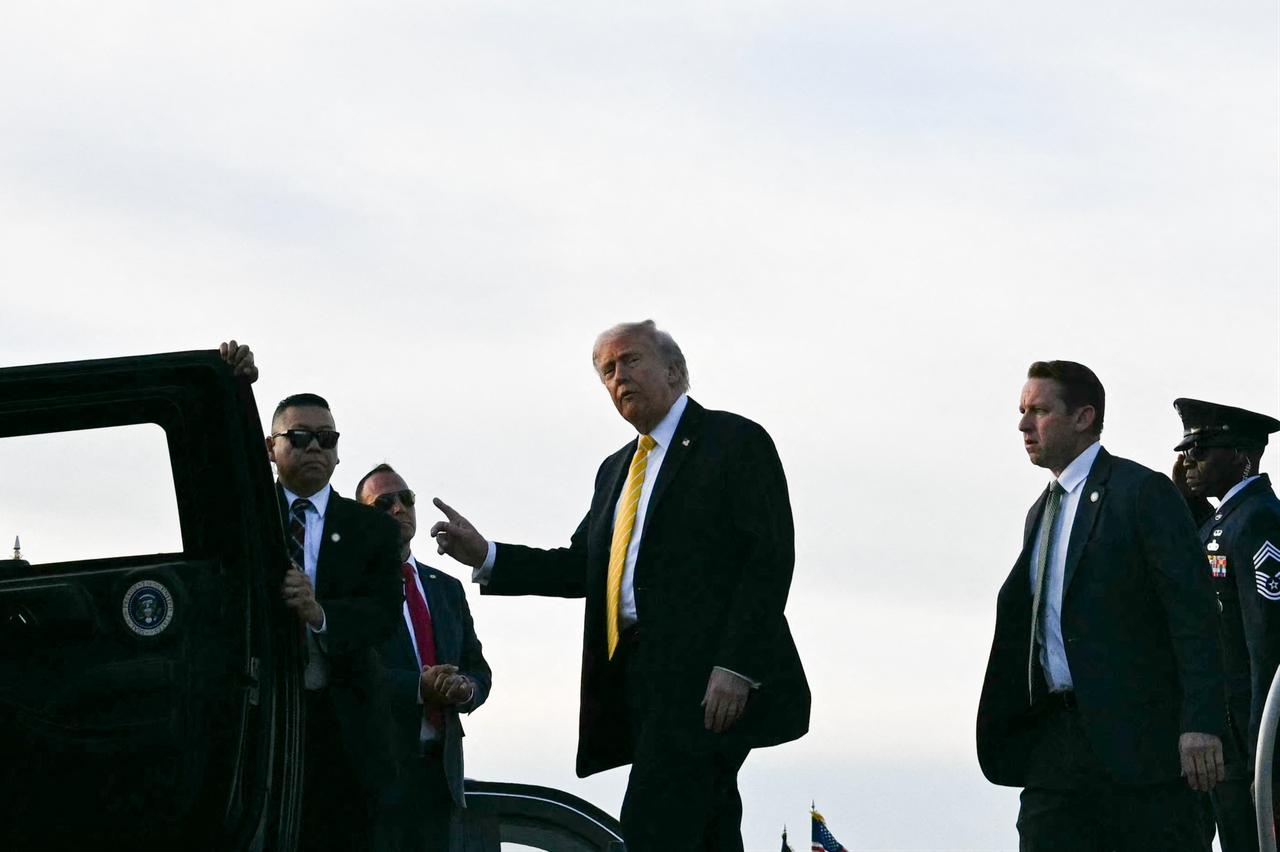
Speaking to reporters over the weekend, Trump signaled the reduction would be far larger.
"We're going to cut way down and we're cutting a lot further than 5,000," Trump said.
German Chancellor Friedrich Merz insisted Sunday the withdrawal was "not connected" to his recent public criticism of Trump, in which he said Washington lacked a clear "exit strategy" in the Iran war and that Americans had been "humiliated" by Iran during negotiations.
Merz said the U.S. decision not to station Tomahawk cruise missiles in Germany was also unrelated to the dispute, citing practical supply constraints.
"The Americans don't have enough for themselves right now. Objectively speaking, there is virtually no possibility of the U.S. supplying weapons systems of this kind," Merz told public broadcaster ARD.
Despite the tensions, Merz reaffirmed that "the United States is and will remain Germany's most important partner" in NATO, adding: "We share a common goal: Iran must not be allowed to acquire nuclear weapons."
EU Foreign Policy Chief Kaja Kallas called the timing of the announcement "a surprise," while acknowledging that the question of U.S. troop withdrawal from Europe had been discussed for some time.
"American troops are in Europe not only to protect European interests, but also American interests," Kallas said in Yerevan, adding that the development underscored the need to "significantly strengthen the European pillar within NATO."
She noted that no U.S. representatives were present at the Yerevan meeting to clarify the Trump administration's position.
Kallas also highlighted the strategic importance of the Middle Corridor as an alternative trade route, saying recent developments in the Middle East had "reinforced the need to diversify trade routes and reduce reliance on vulnerable transit paths."
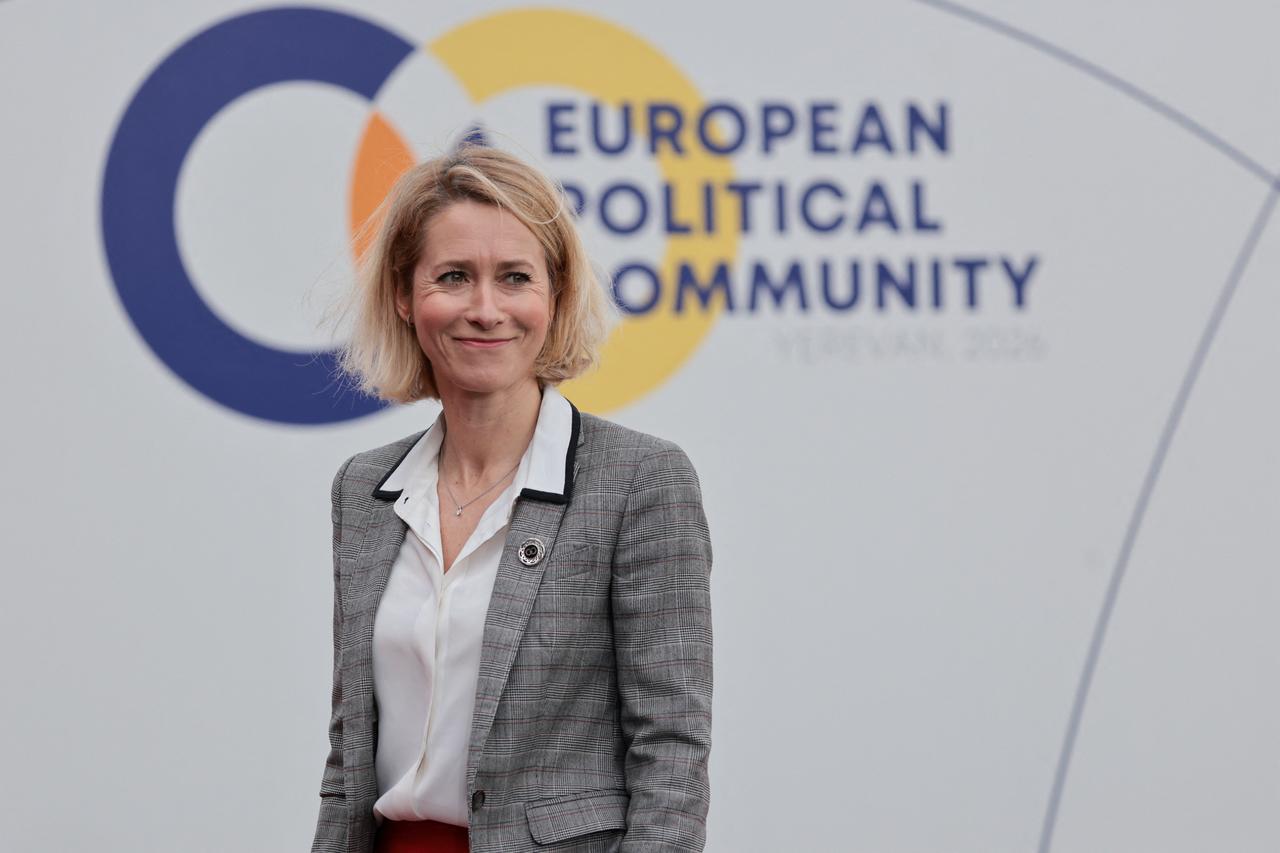
The eighth European Political Community summit in Yerevan was dominated by calls for greater European strategic independence across defense, energy and supply chains.
French President Emmanuel Macron said Europeans were "taking their destiny into their own hands, increasing their defense and security spending, and building their own common solutions."
European Commission President Ursula von der Leyen said Europe must reduce overdependencies in three areas: energy, through renewables and nuclear power; defense and security; and reliable supply chains. "We have to step up our military capabilities to be able to defend and protect ourselves," she said.
"There is a vast amount of money available for investments. We now really have to step up and speed up the production process for military capabilities," von der Leyen added.
She noted that the EU had concluded new free trade agreements with Latin America and was pursuing deals with India, Australia and Mexico as part of efforts to secure resilient supply chains with "like-minded friends."
Europe has been accelerating defense spending amid concerns over Trump's commitment to NATO and Russia's ongoing war in Ukraine.


 Set as preferred source
 Set as preferred source


 3 min read