Newsletters


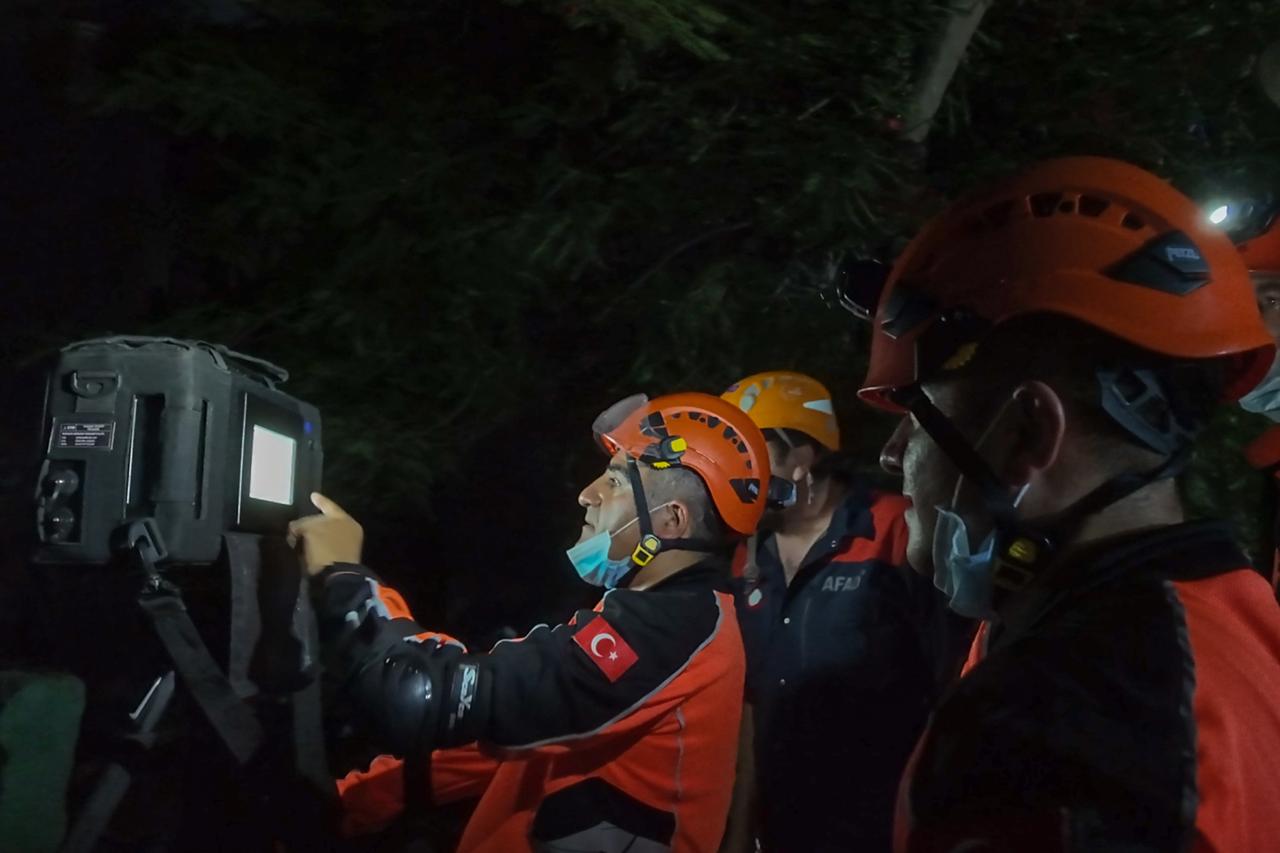


A Turkish defense firm's survivor-detection radar, which helped rescue more than 50 people trapped under the rubble during Türkiye's 2023 earthquakes, has been deployed to Venezuela as international rescue teams race against time following twin earthquakes that have now killed 2,295 people and left tens of thousands more missing, according to National Assembly President Jorge Rodriguez.
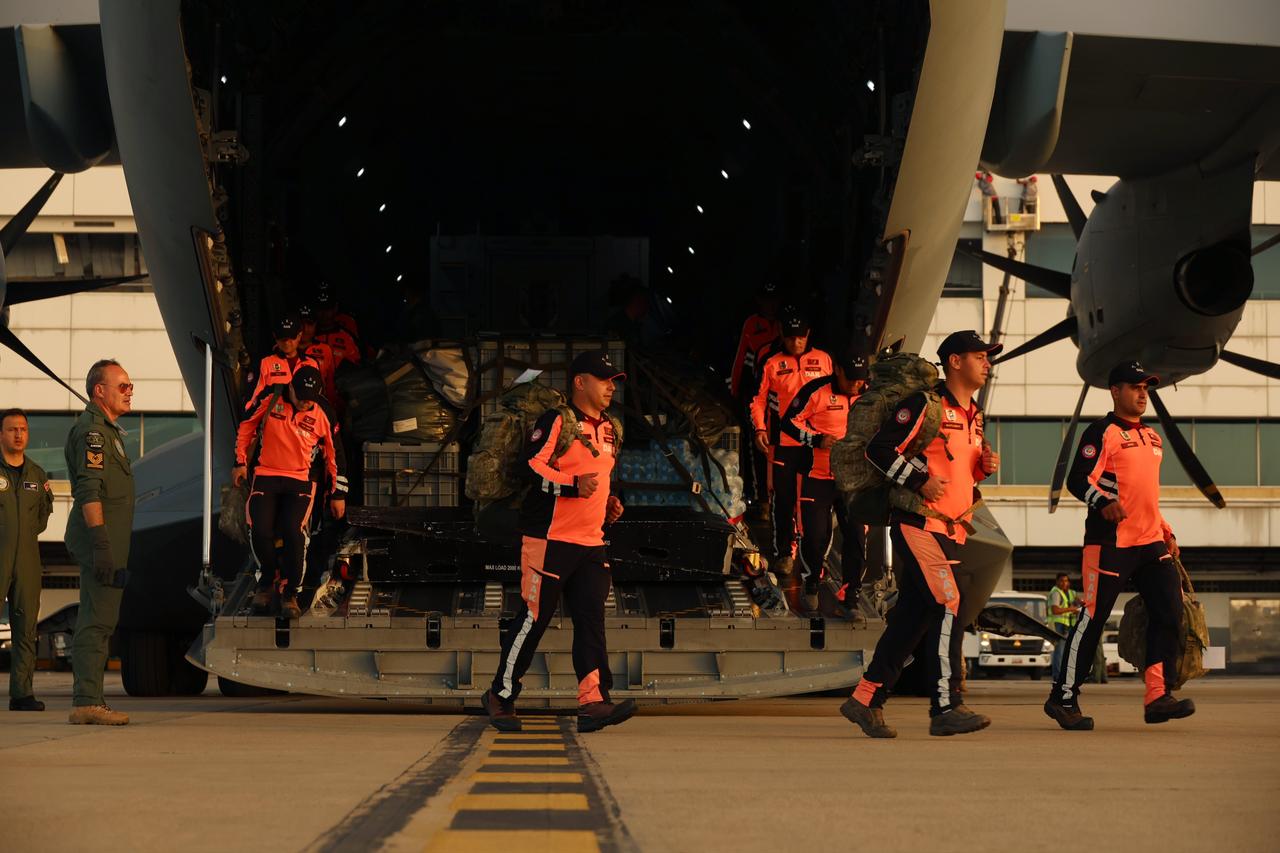
The STM Wall-Behind Radar, known by its Turkish acronym DAR, arrived in Venezuela as part of a Turkish Armed Forces Natural Disaster Search and Rescue team operating under the Humanitarian Aid Brigade Command.
The deployment marks the domestically developed system's first international operational mission, sending a technology born out of the February 6, 2023 Kahramanmaras-centered earthquakes into one of the most destructive seismic disasters in recent Latin American history.
The twin earthquakes, registering magnitudes of 7.2 and 7.5, struck the Yaracuy region of northwestern Venezuela on June 24, 2026, with the two tremors separated by just 39 seconds.
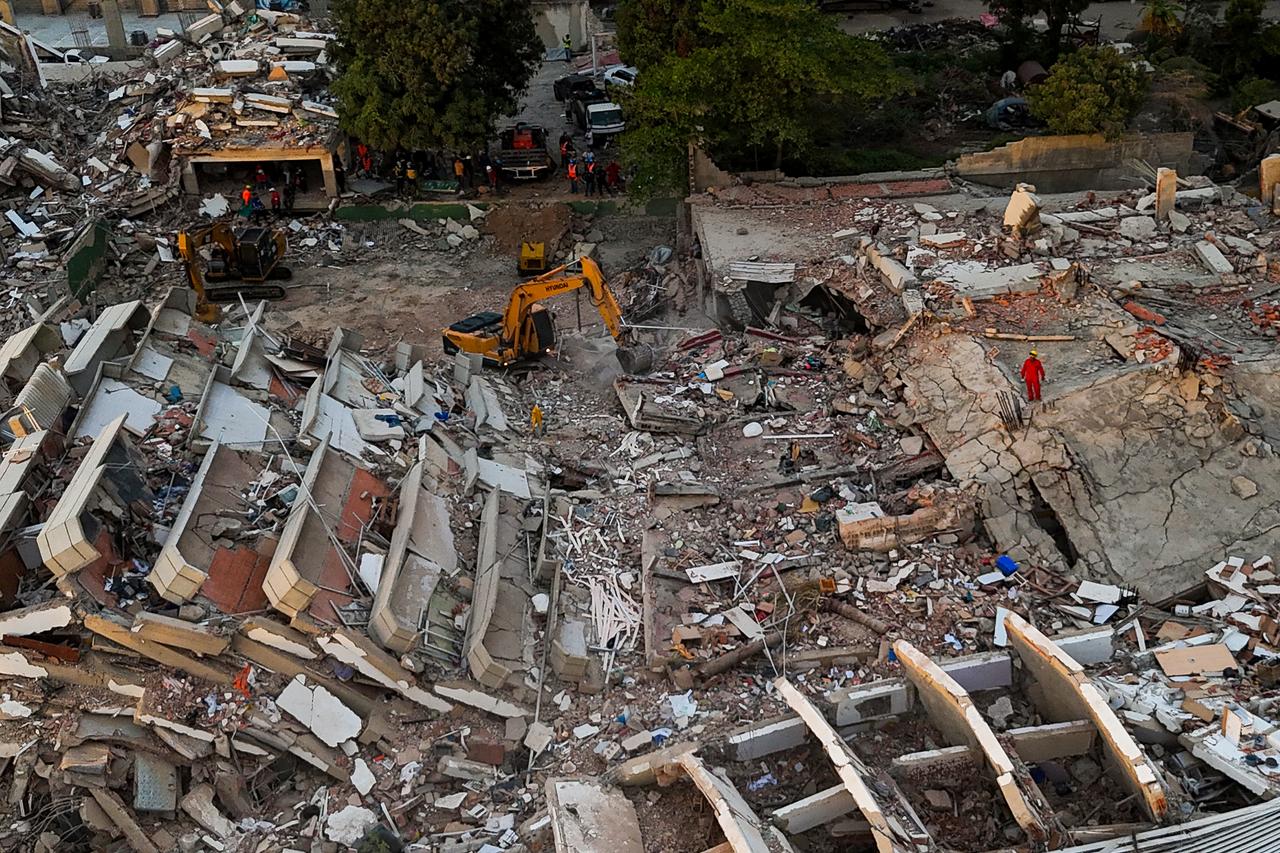
The mainshock was the strongest to hit Venezuela since 1900. The destruction was worst in the coastal state of La Guaira and in the capital, Caracas, where more than 250 structures were damaged or destroyed, in many cases trapping residents inside.
Officials have confirmed more than 43,200 people missing, and the United Nations has procured 10,000 body bags in anticipation of the toll rising further.
The scale of casualties reflects both the power of the tremors and the structural vulnerabilities of the areas they struck.
Venezuela lies along a transpressional boundary zone between the Caribbean and South American tectonic plates, and Caracas sits in a deep sedimentary basin that amplifies seismic waves.
About 80 percent of Venezuela's population lives in earthquake-prone areas, and much of the housing, particularly informal construction, was not built to withstand major tremors.

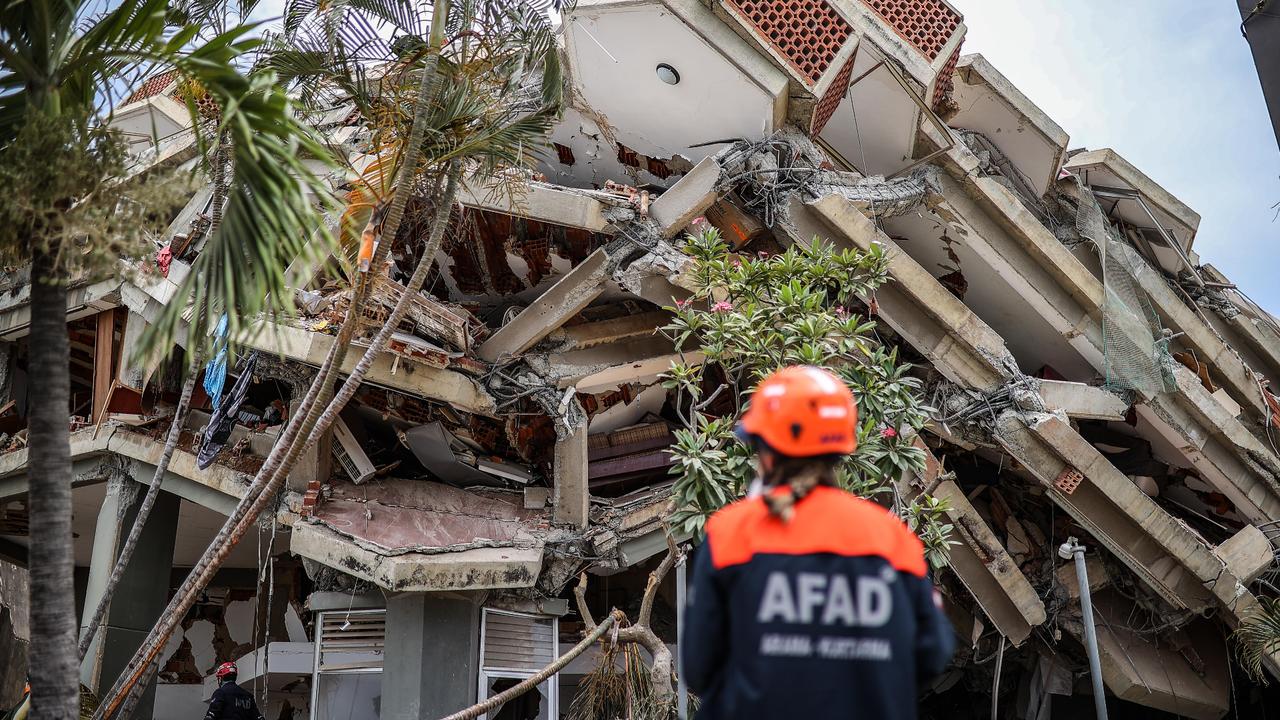
Turkish search and rescue personnel, including specialist units from the Disaster and Emergency Management Authority (AFAD) and the Turkish Armed Forces, have been working the rubble of a collapsed 14-story building in the La Paez neighborhood of La Guaira, one of the hardest-hit areas.
Türkiye deployed a 67-strong team of search and rescue experts, medics, and aid workers following the disaster. The STM DAR system is actively supporting those operations.
The DAR detects survivors through walls, rubble, and other physical barriers by reading Ultra-Wideband signals that capture the micro and macro movements produced by breathing, including chest and arm motion. The device relays real-time positional data directly to its operator, identifying both the depth and location of a living person trapped in debris.
Weighing approximately 6.5 kilograms, it can be operated by a single person, mounted on a tripod, and controlled remotely via tablet. Its battery system sustains more than four hours of uninterrupted operation.
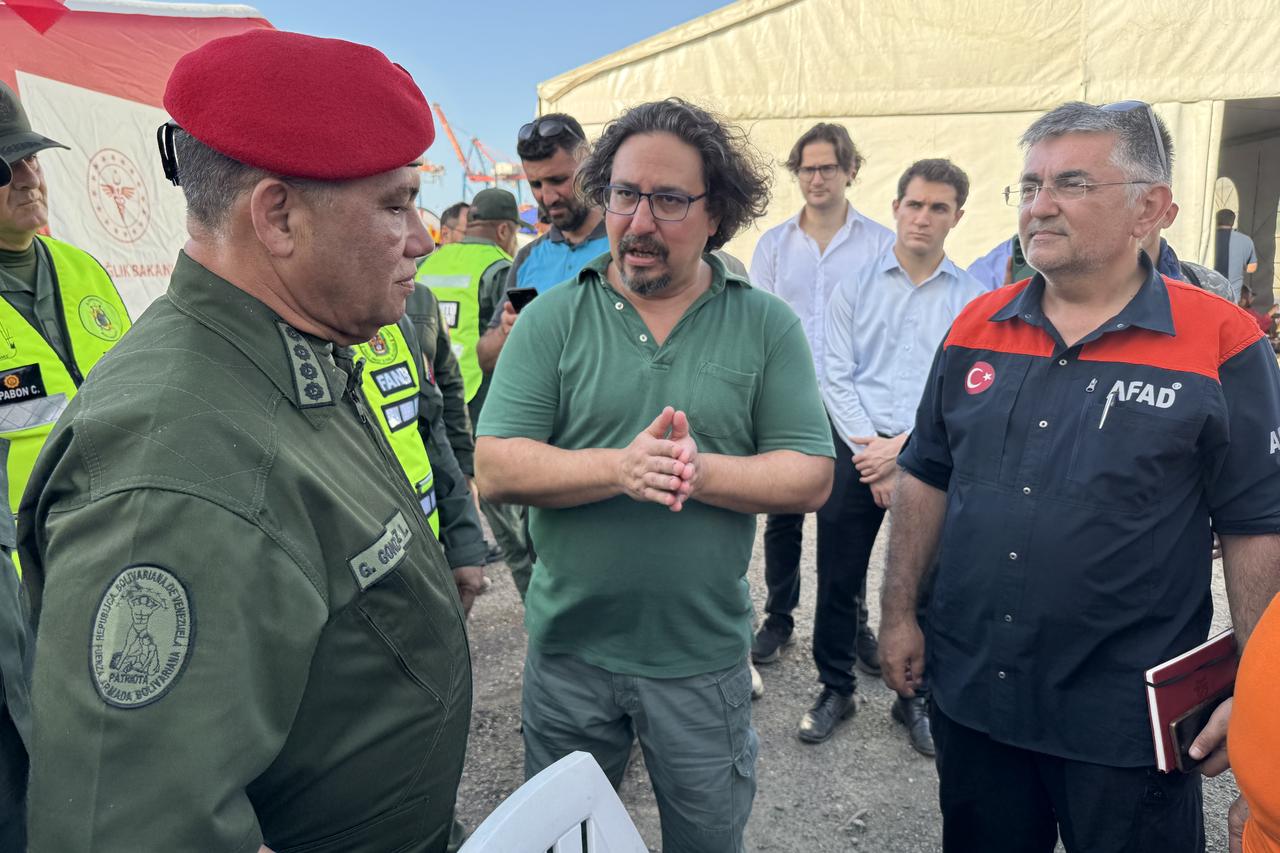
Türkiye is one of more than 30 countries that have sent rescue personnel and aid to Venezuela. The United Nations confirmed that over 2,600 rescue workers and 137 search dogs from nations including the United States, France, Germany, Spain, Colombia, Jordan, Switzerland, and Qatar are working across the disaster zone.
A preliminary UNDP satellite assessment has estimated direct physical damage from the earthquakes at roughly $6.7 billion, equivalent to approximately six percent of Venezuela's gross domestic product.
With the window for finding survivors alive narrowing beyond the one-week mark, the Venezuela deployment represents a critical test for the DAR system on the international stage, and an early signal that Turkish-developed disaster technology may play an increasingly visible role in global humanitarian response.


 Set as preferred source
 Set as preferred source


 1 min read
 1 min read