Newsletters


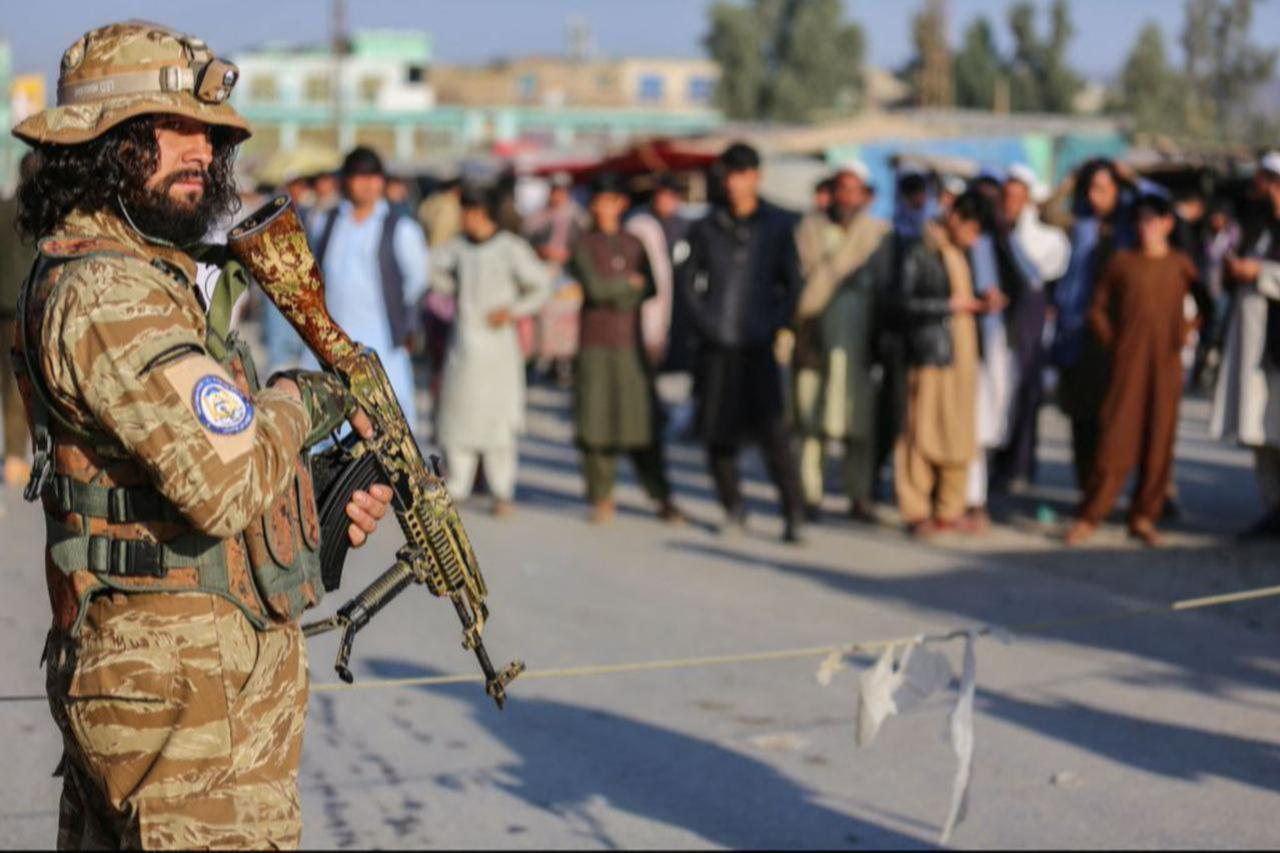


The Taliban is open to establishing formal diplomatic relations with the United States but insists Washington must first address the legacy of its two-decade war in Afghanistan, a senior Taliban spokesman said in an interview with CBS News.
Abdul Qahar Balkhi, speaking five years after the Taliban's return to power following the US withdrawal, said the end of the foreign military presence remained the administration's central achievement, even as he acknowledged persistent unemployment, economic hardship and public frustration with the group's rule.
"The greatest achievement obviously Afghanistan has had is the end of occupation," Balkhi said, pointing to what he described as subsequent gains in security, trade, investment and infrastructure.
He said Afghan exports had climbed from $750 million in 2020 to nearly $2 billion, and that the number of factories operating in the country had grown from 1,500 to 6,000. He added that the government had managed to keep paying civil servants and had drawn billions of dollars in investment.
Still, Balkhi conceded the Taliban administration had fallen short in some respects. "There are areas where we haven't met the expectation of the general population," he said, citing widespread joblessness among other unresolved problems.
Afghanistan remains diplomatically isolated under Taliban rule. Russia is the only country to have formally recognized the government in Kabul.
Balkhi downplayed the significance of that isolation, arguing that Afghanistan was already engaging diplomatically with numerous countries and questioning what formal recognition would practically change.
On the prospect of relations with Washington specifically, Balkhi said Kabul sought diplomatic ties with "every single country of the world, including the United States," and would welcome the reopening of the US Embassy as well as American investment in sectors such as minerals and gas.
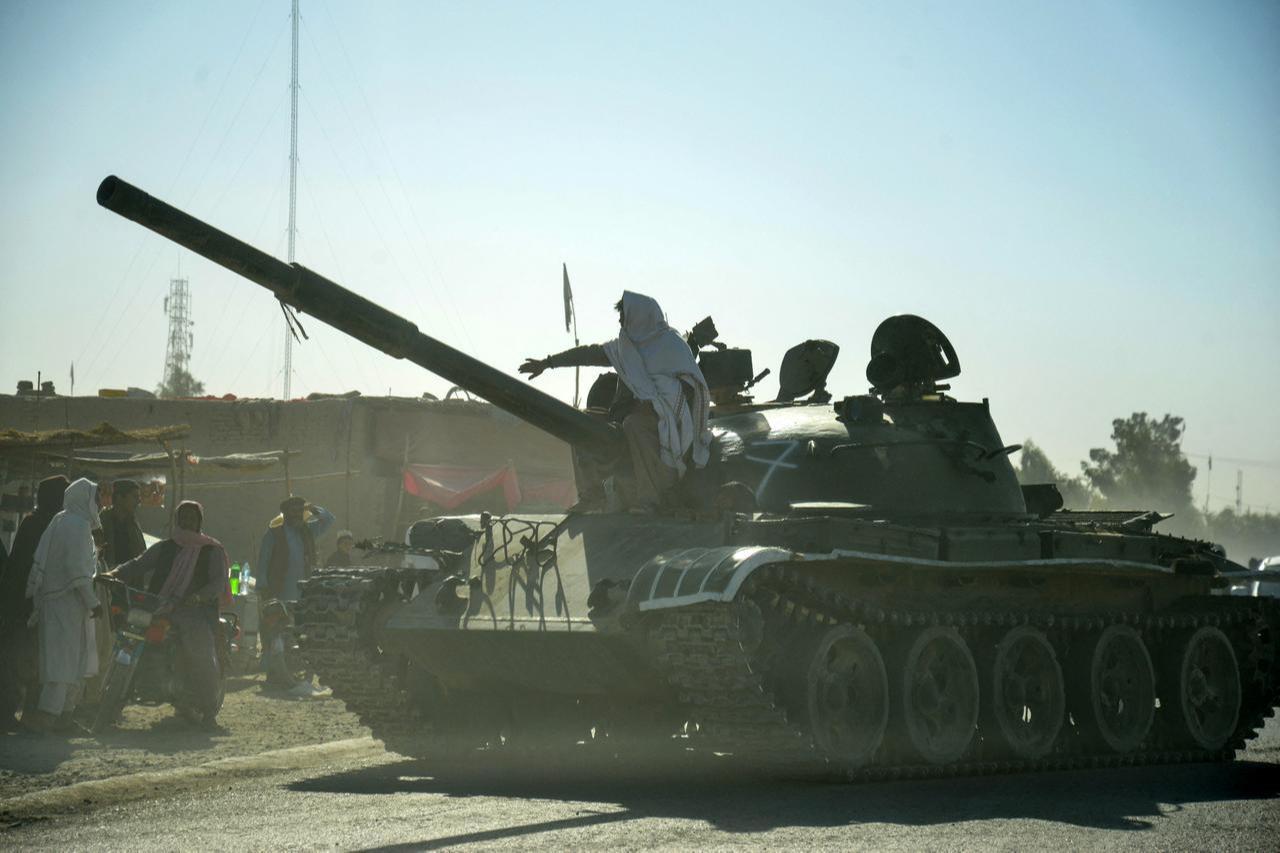

Balkhi rejected demands by US President Donald Trump for Afghanistan to return American-funded military equipment left behind after the 2021 withdrawal. CBS News reported that roughly $7 billion worth of US military hardware remains in the country.
"That's the assets of the state of Afghanistan," Balkhi said, dismissing any arrangement that would tie the equipment's return to the release of Afghan funds frozen abroad.
Pressed on the argument that American taxpayers had funded the equipment, Balkhi responded pointedly, "The Americans did a lot of things. Americans killed a lot of people, destroyed the majority of the country. Should they not be paying for that first?"
He also called on Washington to release Afghan central bank assets that remain frozen, arguing the funds belong to the Afghan state rather than to the Taliban government itself.
Marking the 25th anniversary of the Sept. 11, 2001, attacks, which prompted the US-led invasion of Afghanistan later that year, Balkhi said the Taliban condemned attacks on civilians and reaffirmed its commitment under the 2020 Doha agreement that Afghan territory would not be used to launch attacks against the United States or any other country.
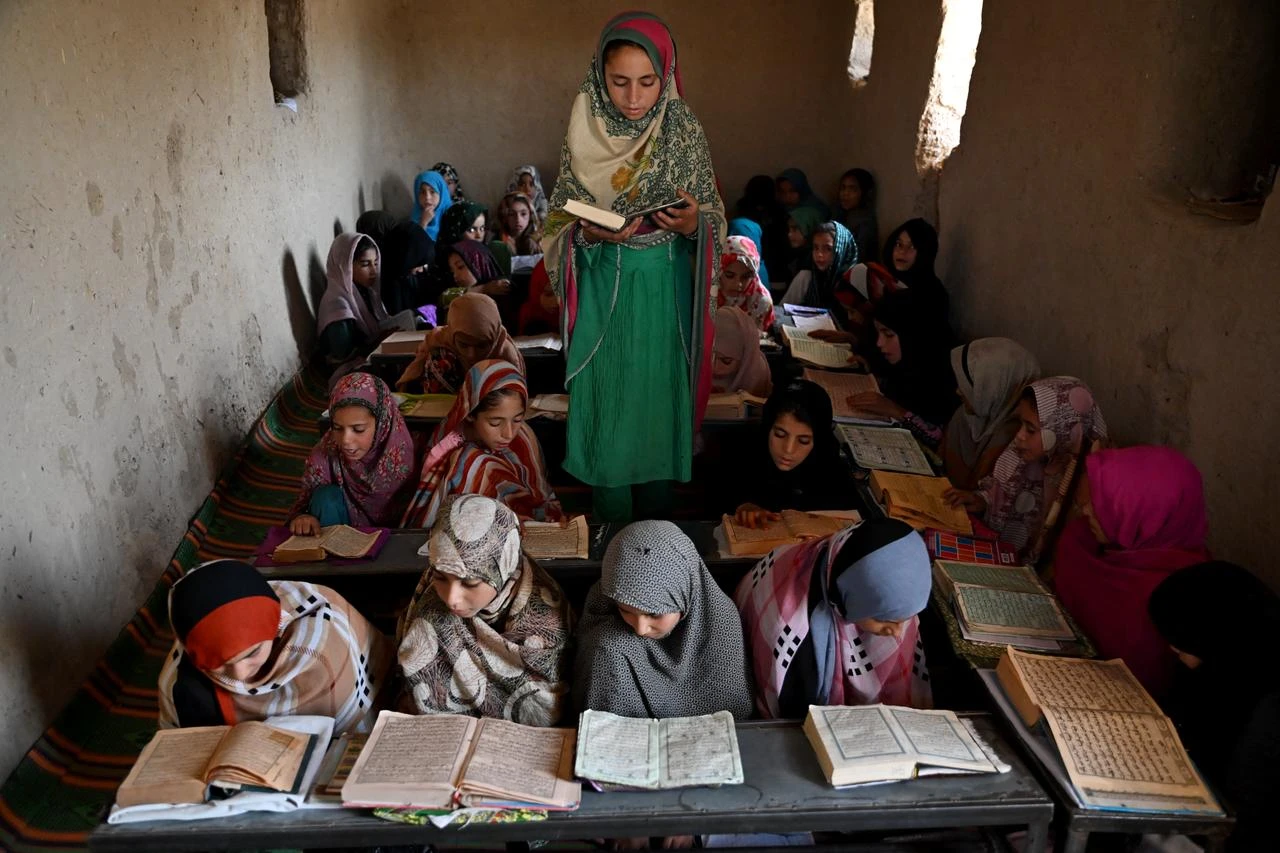
Balkhi was also questioned about the suspension of public schooling for Afghan girls beyond the sixth grade, a policy that has drawn sustained international criticism since the Taliban's return to power.
He said alternative education remained available and denied reports that girls were attending clandestine classes to circumvent the ban. "There is no such thing as secret schools," he said, characterizing the existing arrangements as homeschooling or madrasa, or Islamic, education.
Reflecting on the two decades of war that followed the 2001 attacks, Balkhi said Afghanistan's experience had underscored that conflicts should be settled through diplomacy rather than force.
"War is not the solution, and occupying Afghanistan certainly isn't to your benefit," he said, calling for greater international cooperation on Afghanistan's reconstruction and development.


 Set as preferred source
 Set as preferred source


 1 min read
 1 min read