Newsletters


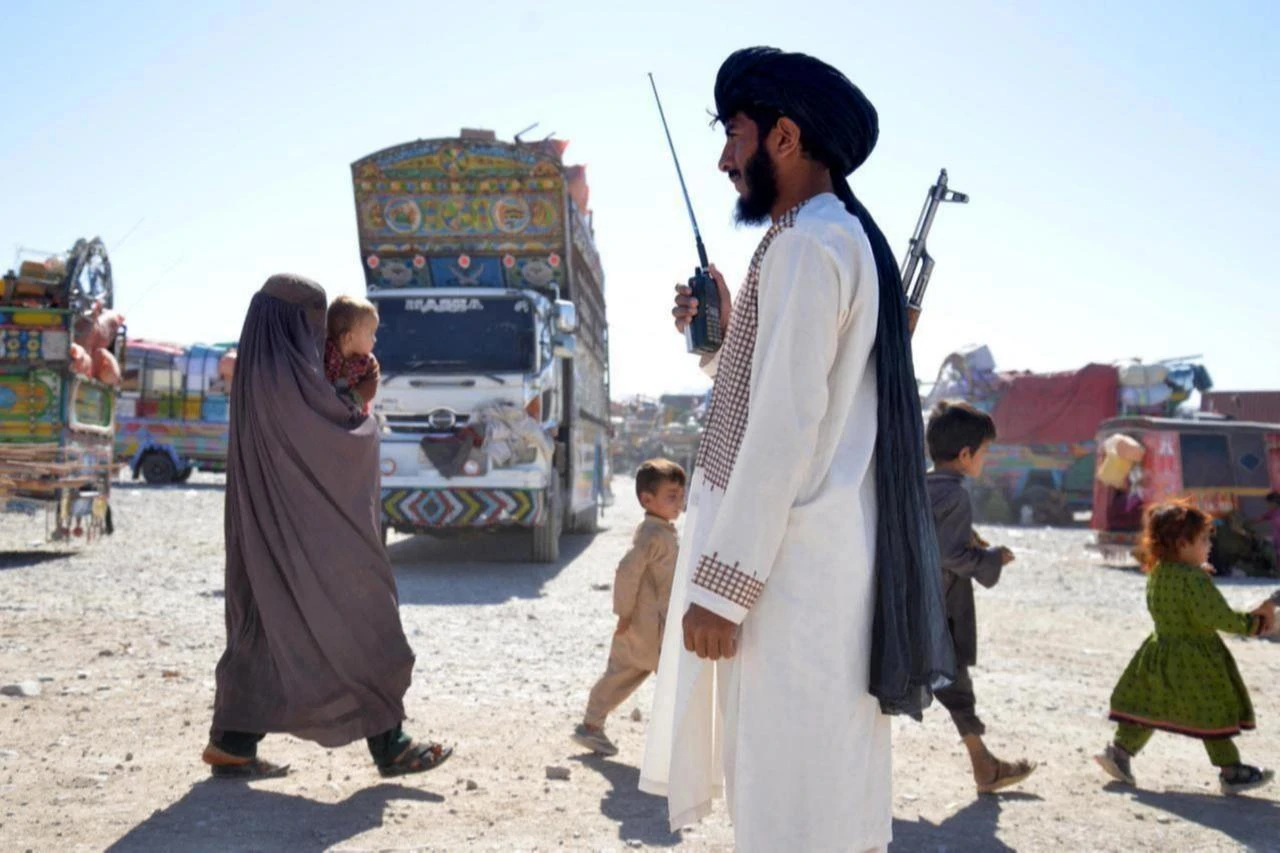


Five years after the Taliban returned to power, censorship in Afghanistan is no longer just a matter of memos and midnight orders—it is becoming law. A new assessment released by Reporters Without Borders (RSF) on Aug. 10, 2026, shows how restrictions once imposed largely through directives and administrative orders are becoming embedded in the country's legal and institutional structures.
Since August 2021, the Taliban have issued more than 20 nationwide media directives alongside numerous provincial orders. They reach into almost every part of journalism: what can be reported, who can appear on air, whether women can be heard and even the terminology news organizations are expected to use.
This is no longer a patchwork of restrictions. The boundaries around Afghan journalism have steadily tightened, while the risks attached to crossing them have grown.
The direction was apparent within weeks of the Taliban takeover.
In September 2021, Taliban authorities introduced the so-called “11 rules of journalism.” Some resembled conventional journalistic standards, including requirements concerning accuracy and unverified information. Others left considerable room for official interpretation.
Media organizations were prohibited from publishing material considered contrary to Islam, insulting to national figures or damaging to public opinion. Detailed reporting was also expected to be coordinated with the Taliban government’s media office.
Control soon extended to language. Some Kabul television stations were instructed not to describe the authorities as the “Taliban group.” They were required instead to use the “Islamic Emirate of Afghanistan.”
This was more than a dispute over terminology. By prescribing how the authorities should be named, the Taliban were setting boundaries around how Afghanistan’s political reality could be presented.
Those boundaries narrowed further in July 2022. Taliban leader Hibatullah Akhundzada prohibited what authorities called “unproven allegations” against officials. RSF described the measure as effectively criminalizing criticism of government employees.
For independent journalism, the implications were clear. Scrutiny of those exercising power was becoming a risk rather than an accepted function of the press.
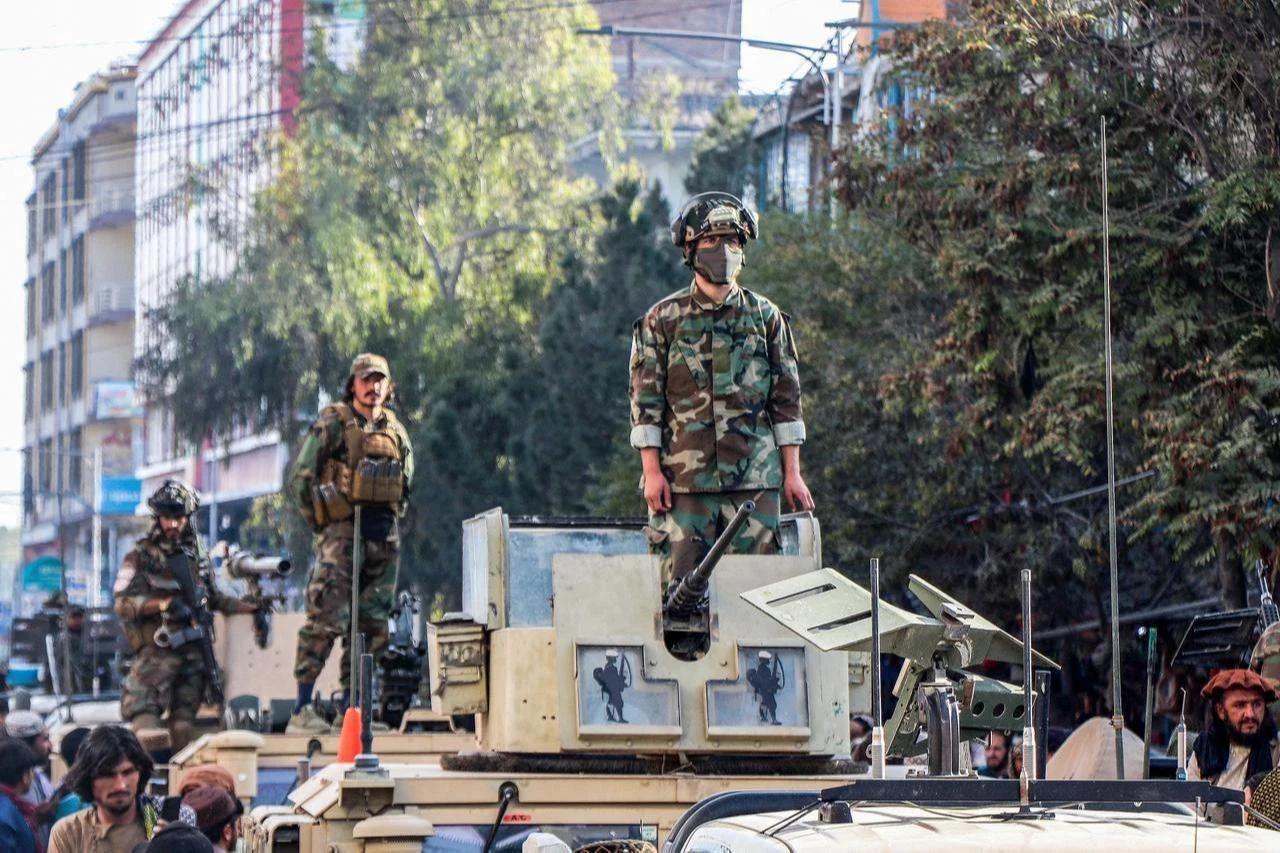

The restrictions imposed on women reveal another dimension of this system.
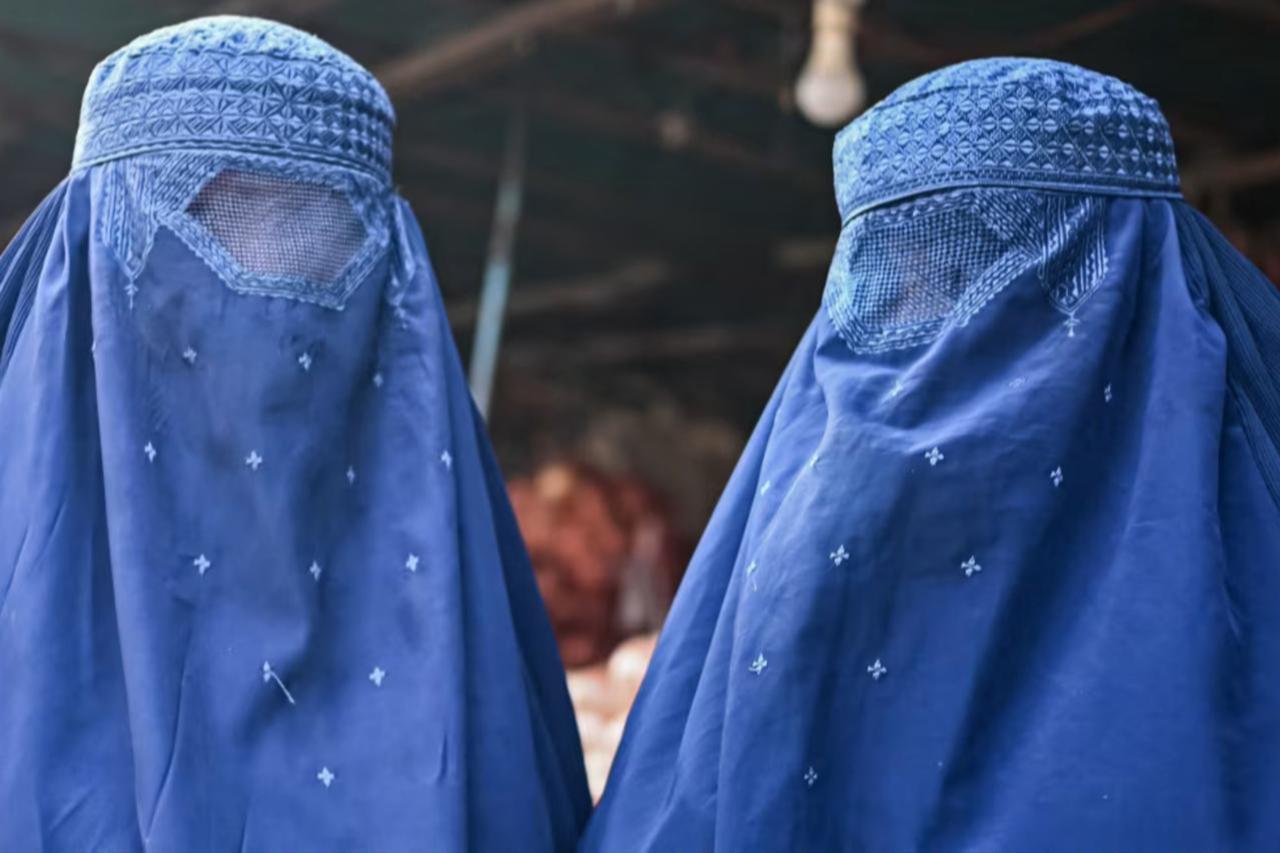
In November 2021, female television presenters were ordered to cover their faces except for their eyes. Restrictions later moved from women’s appearance to whether their voices could be heard at all.
The Taliban’s July 2024 Law on the Promotion of Virtue and Prevention of Vice codified restrictions concerning women’s voices and prohibited broadcasting images of living beings. By March 2025, provincial media guidelines in Kandahar prohibited women’s voices on radio, including messages used in entertainment programs.
The consequences go beyond discrimination against female media workers. Media help determine whose experiences and concerns become part of public debate. Excluding women from broadcasting removes a large part of Afghan society from that conversation.
Alternative sources of information have also faced restrictions.
In March 2022, Afghan broadcasters were prohibited from rebroadcasting Voice of America and Radio Free Europe/Radio Liberty programming on FM frequencies. By 2024, the authorities were tightening their grip on domestic political discussion.
Rules introduced in September that year banned live political programs and required broadcasters to obtain approval for guests. Media organizations could only invite specialists from a Taliban-designated list of more than 68 "experts", while criticism of Taliban laws on air was prohibited.
Kandahar showed how detailed these controls could become. Journalists were instructed to use prescribed honorifics for Hibatullah Akhundzada, to call the government the "Islamic Emirate," and to describe Taliban officials killed in attacks as "martyrs." Journalists traveling to prepare reports were also required to obtain official permits.
The authorities can therefore influence more than individual stories. They can shape who participates in political discussion, which views reach an audience, and even the vocabulary through which events are described.
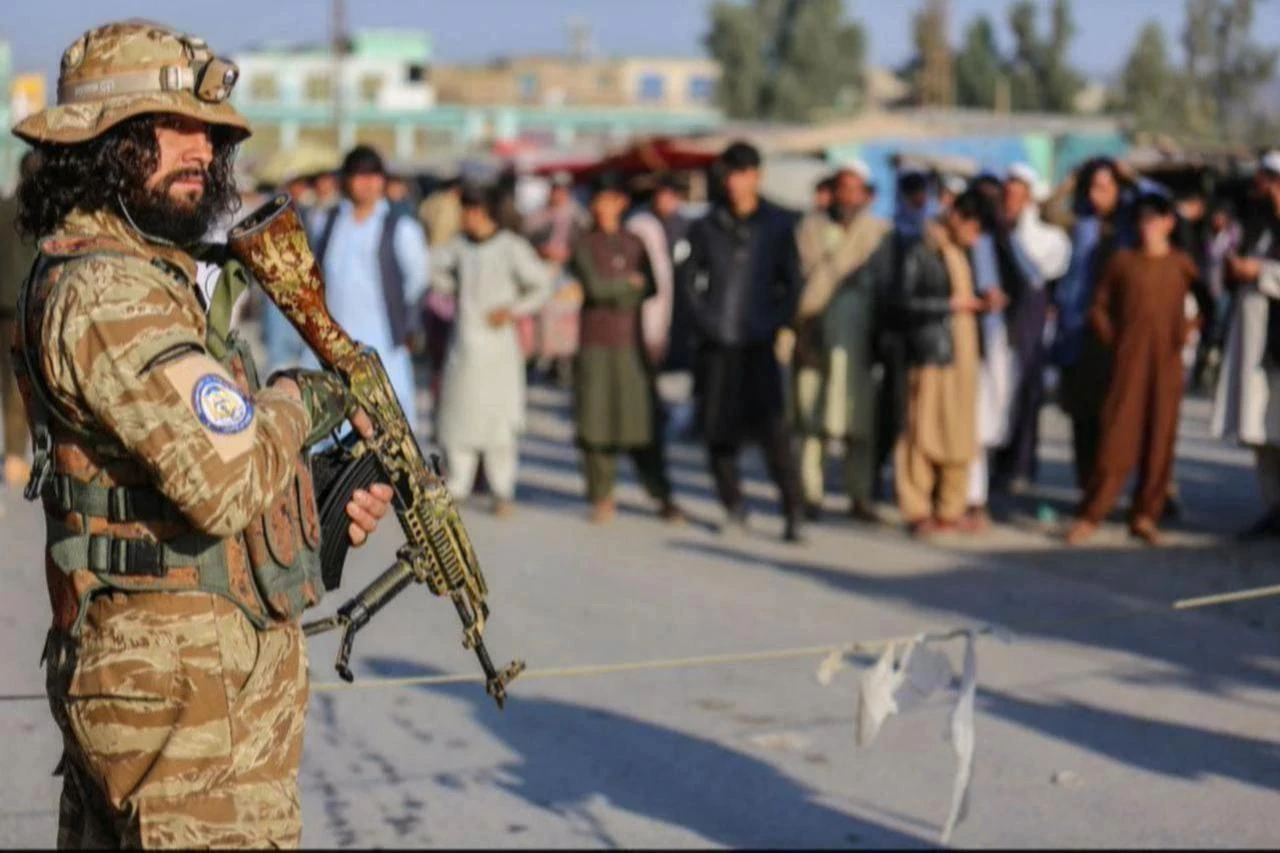
In January 2026, the pressure entered a new phase. For RSF, the Taliban's Code of Criminal Procedure for the courts marks a new stage in the repression of independent expression. Journalists are not explicitly singled out, but neither are they given specific protection for legitimate journalistic work.
According to RSF, the regulation gives judges broad powers that could be used against journalists, commentators, and others perceived as challenging the authorities. RSF also warns that journalists could potentially be pressured to provide information about sources or colleagues.
Restrictions previously enforced largely through administrative authority are now accompanied by the threat of judicial punishment.
That changes the calculation inside newsrooms. Administrative censorship establishes what journalists should not publish. A punitive legal framework raises the possibility of punishment for crossing those boundaries.
Authorities do not have to prosecute every journalist for the threat to work. When permissible criticism is unclear and the consequences potentially severe, editors and reporters have strong incentives to avoid stories that could place themselves, colleagues, or sources at risk.
Censorship then no longer depends entirely on direct intervention. Journalists begin anticipating the boundaries themselves.
RSF's assessment shows how these measures have accumulated. What began with controls over editorial content has expanded into restrictions on political debate, women's voices, international broadcasters, and even the language journalists use. Provincial authorities have added their own requirements, while a more punitive judicial framework threatens to make the system harder to challenge.
The consequences extend beyond Afghanistan. As independent reporting becomes more difficult, outsiders lose reliable ways of understanding what is happening inside the country. Weakening Afghan journalism reduces domestic accountability while making external scrutiny of Taliban rule more difficult.
RSF has urged transit and host countries to consider the dangers facing Afghan journalists threatened with deportation or forced return and to ensure their protection, including through visas. When journalists are silenced, pushed into exile, or returned to conditions where independent reporting is dangerous, Afghanistan loses both witnesses and mechanisms of accountability.
Press freedom rarely disappears overnight. Its boundaries can contract gradually until journalists make decisions according to the consequences of crossing them rather than their professional judgment.
A government does not need to close every newsroom if journalists know criticism can expose them to punishment. Nor does it need to dictate every report when editors already understand which subjects, guests, and words carry unacceptable risk.
Five years after the Taliban returned to Kabul, the question is no longer simply what Afghan journalists are allowed to publish. It is whether enough independent space will remain for anyone to question those who hold power.


 Set as preferred source
 Set as preferred source


 1 min read
 1 min read