Newsletters


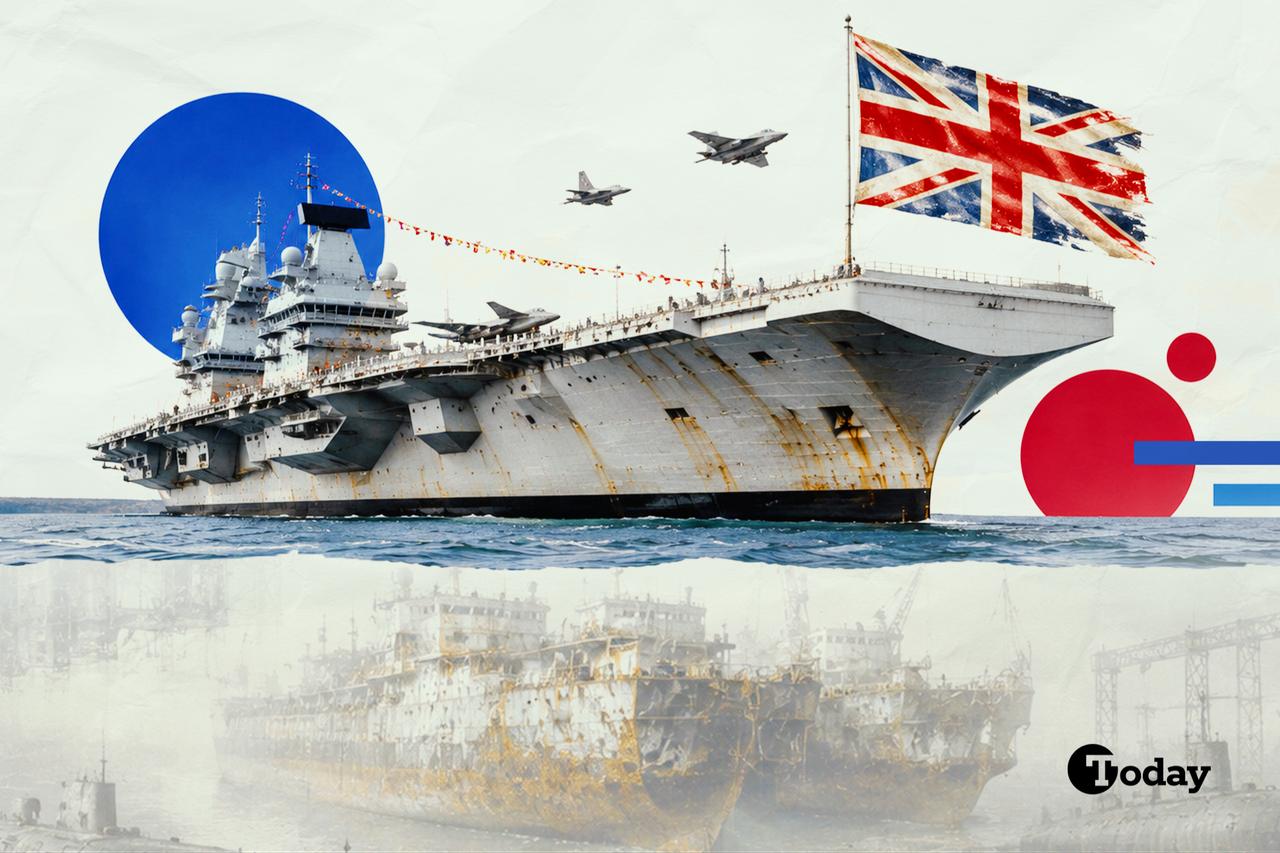


Britain's aircraft carriers look best at sea. The trouble is they're rarely there, and rarely ready even when they are.
HMS Queen Elizabeth has just returned to Portsmouth after eight months in dry dock at Rosyth. It is running trials, ahead of yet more maintenance in June—maintenance, for the Royal Navy, being less of an interruption to service than the service itself.
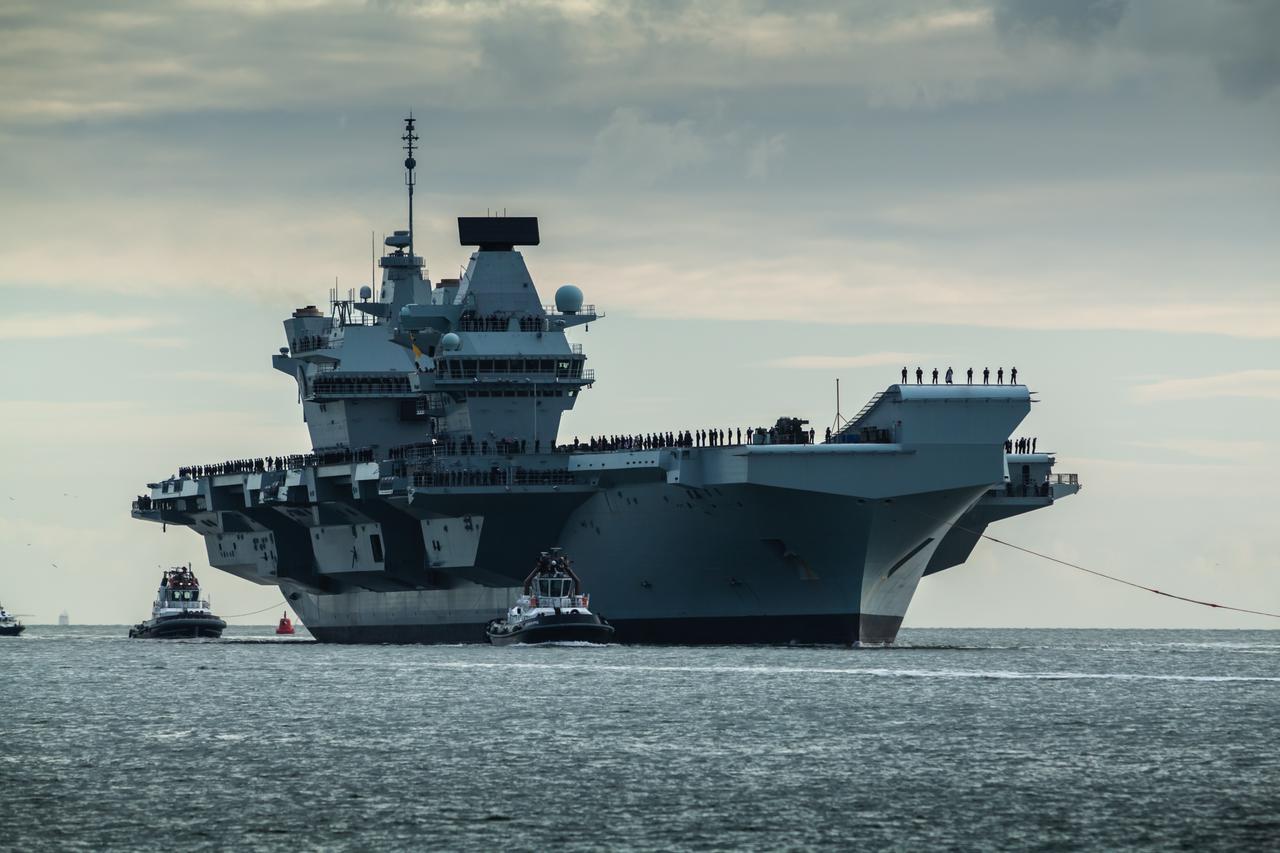

HMS Prince of Wales sailed in April for NATO's High North and sits in Norway with a technical defect, its Copenhagen visit cancelled, its flight deck carrying two helicopters where a carrier air wing should be.
Commissioned in 2017 and 2019, the pair are meant to project force and make Britain visible in a world where showing up still matters.
Lord West of Spithead, former First Sea Lord and carrier battle group commander, dismisses the fashionable claim that carriers are finished—their strength is mobility and the vastness of the oceans. West spent two years successfully hiding a carrier group from American, Chinese and Russian efforts to find it.
With F-35s and unmanned aircraft, he argues, a carrier still provides "area dominance and theater entry capability."
The platform works; it's the supporting cast that's gone missing—destroyers to shield it, frigates to hunt submarines, ships to feed and yards to revive it.
Britain hasn't stripped those away so much as quietly stopped renewing the subscription.
Britain still speaks the language of global naval power—carrier strikes, NATO leadership, freedom of navigation. Yet the vocabulary survived the defense reviews in a way the fleet did not.
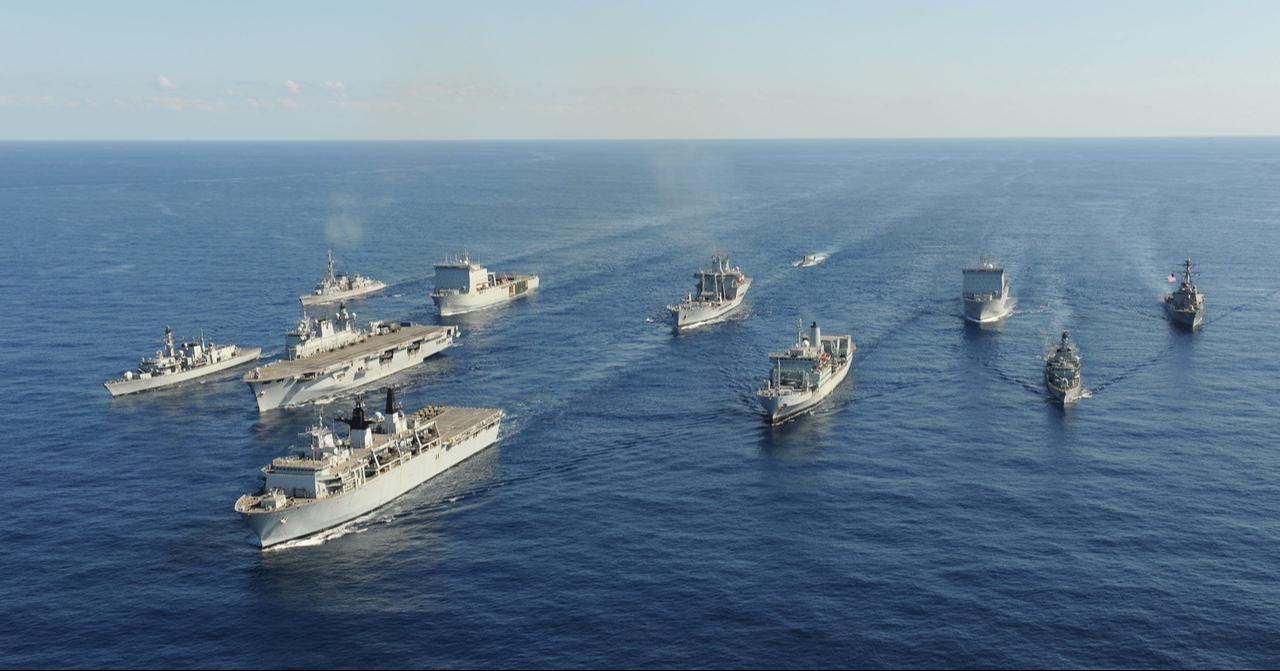
Since 1990, the attack submarine fleet has shrunk from 12 boats to five, surface escorts by three-quarters. Of 14 frigates and destroyers nominally in service, only eight hulls were available in late 2024—73% of the navy's own minimum.
Fewer than one in five major surface combatants is immediately deployable, which would amount to a scandal in a car rental fleet and yet in the Royal Navy is just another Tuesday.
The Astute-class boats—built to hunt the submarines that threaten a carrier—managed a combined 90 days at sea in early 2024. By mid-2025, HMS Ambush hadn't sailed in three years and was understood to have been stripped of parts to keep the others running.
Then the number that should have made any front page: in July 2025, for a period, there were zero Royal Navy attack submarines at sea anywhere in the world.
Not stretched thin. Zero.
This is the real arithmetic of the prestige fleet: Britain didn't under-resource its navy. It built a navy-shaped hole and filled it with press releases.
When HMS Lancaster left the Gulf last December, nothing replaced it. Britain's presence east of Suez ended with a whimper.
When the Prince of Wales sailed for the Indo-Pacific, it went with one British frigate and one destroyer—down from two of each in 2021—and not a single British submarine. Canada, Norway, Spain and Portugal supplied the escorts that made up the difference.
Britain's flagship, in other words, sailed east on borrowed muscle.
The carrier photographs well. But navies are made of unromantic things: stockpiles, dry docks, frigates finishing maintenance on schedule rather than on a prayer. None of these make the recruitment poster.
West's sharpest warning isn't about carriers. Cuts since the 2010 defence review, he says, caused "dangerous cuts to repair and support facilities and consequent availability of the reduced number of ships and submarines."
Translated out of "admiralese," he’s saying you can't surge dry-dock capacity, you can only starve it for a decade and hope nobody checks.
The result is a hollowed-out fleet carrying the psychological weight of a strategy it can no longer physically support. A small global navy organized around prestige platforms is simply a wager that nobody notices. But someone always does.
The alternative is emerging elsewhere, and with less money.
TCG Anadolu, Türkiye's largest warship, never planned its celebrated pivot to unmanned operations—so says Ozgur Eksi of TurDef—it emerged from sanctions that blocked Türkiye's F-35 order.
Ankara's masterstroke began as a problem it couldn't afford to solve any other way. What looks like vision from outside was, inside, improvisation.
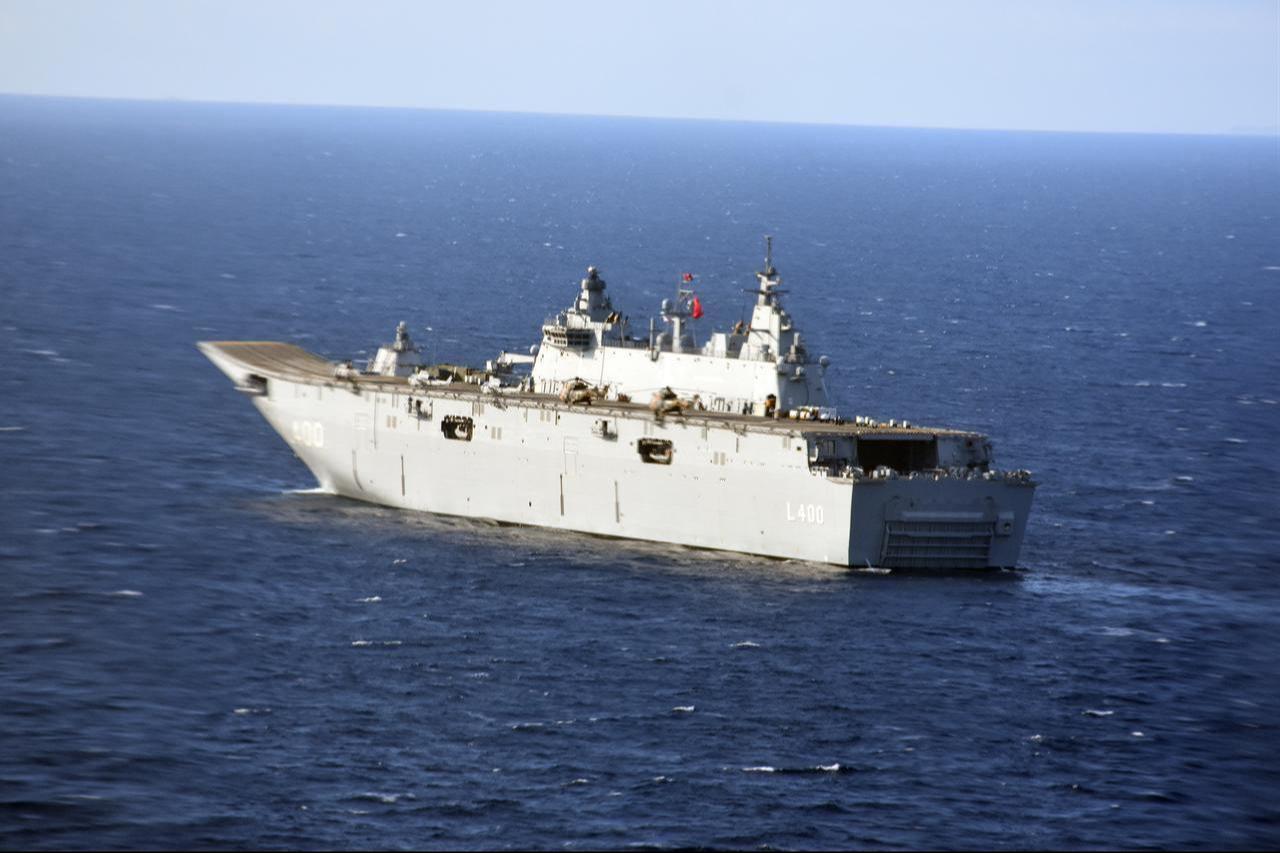
Beneath the flagship, Türkiye built submarines and missiles in earnest, putting the unglamorous layer first and getting the flagship as a side effect.
Britain built the flagship first and is still waiting for the other layers. The lesson travels even where the geography doesn't: deterrence lives in the unglamorous layer, not the flagship.
A carrier group sailing without submarines in support is a PR exercise that happens to be armed, not a military one that happens to be photogenic.
The country has been here before. Henry VIII's Mary Rose was the most formidable warship of its age—the carrier strike group of 1545, built to be seen as much as used.
It sank in sight of the king, not from enemy fire but because its own gun ports had been left open as it heeled in the wind.
The flagship was magnificent. The fundamentals were not.
Five hundred years on, Britain has rebuilt the magnificent part twice over and left the gun ports open again.


 Set as preferred source
 Set as preferred source



 2 min read