Newsletters


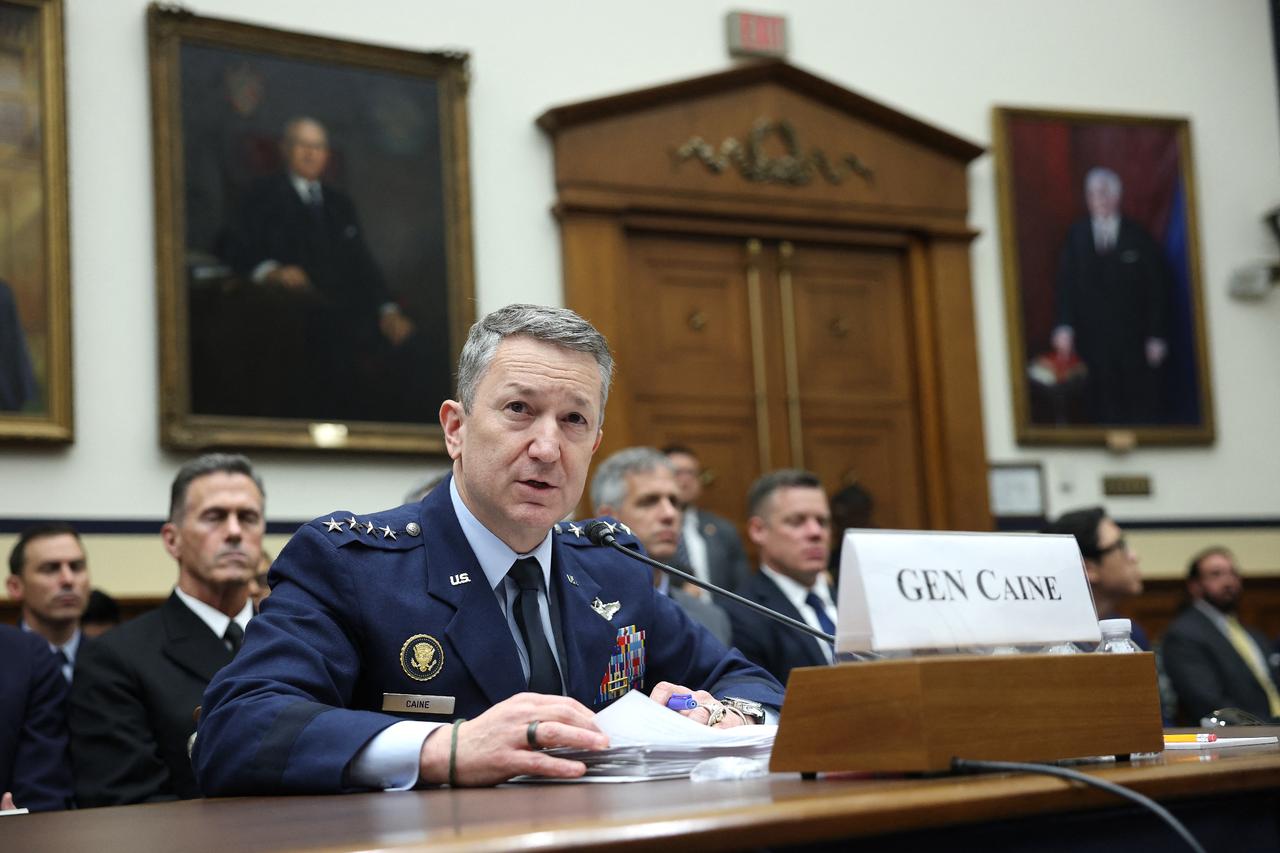


America's highest-ranking military officer told Congress on Thursday that Russia has been actively supporting Iran's war effort, lending rare official public confirmation to months of intelligence reports and intensifying scrutiny of Moscow's role in a conflict now in its third month.
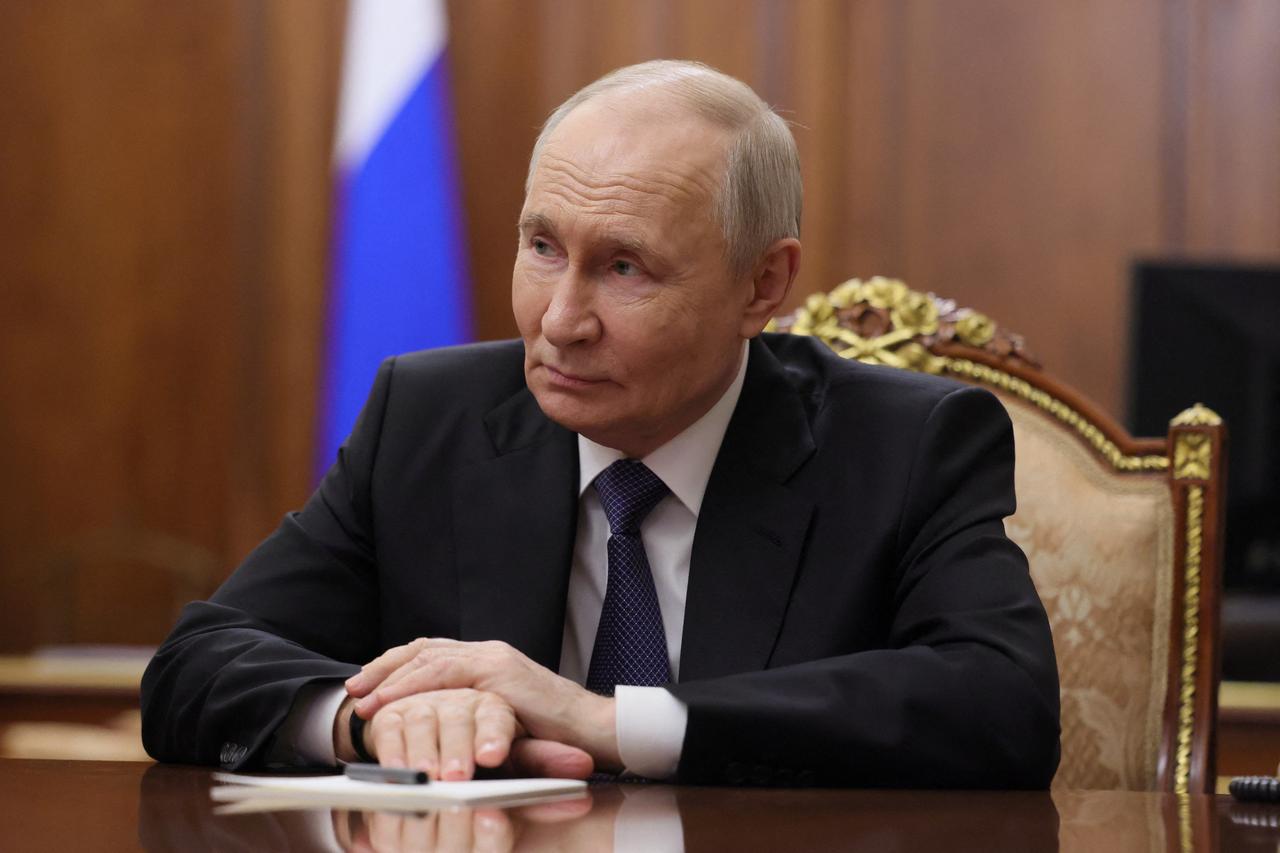
Gen. Dan Caine, chairman of the Joint Chiefs of Staff, told a Senate hearing that Russian President Vladimir Putin has taken steps to aid Iran, though he declined to elaborate given the public setting of the session. "There's definitely some action there," Caine said, in what was notably the most direct on-record acknowledgment from a senior U.S. military official of Russian interference in the conflict.
Sen. Roger Wicker of Mississippi, the Republican chairman of the Senate Armed Services Committee, went further, asserting that "there's no question that Vladimir Putin's Russia is taking serious action to undermine our efforts for success in Iran."

Caine's remarks formalize what U.S. intelligence agencies had already documented. In early March, multiple officials and news organizations reported that Russia was supplying Iran with targeting data, including satellite imagery from Moscow's constellation of overhead surveillance assets, showing the locations and movements of American troops, ships, and aircraft in the region.
Several Iranian drone strikes against U.S. positions followed in the days surrounding those reports, though officials stopped short of directly linking any individual attack to Russian intelligence at the time.
The conflict, which began with coordinated U.S. and Israeli airstrikes against Iran on Feb. 28, has unfolded against a long backdrop of Iranian-Russian military entanglement. Iran supplied Russia with Shahed drones and short-range ballistic missiles used in the war in Ukraine, and the two countries signed a formal partnership treaty in 2025.
Russia has stopped short of committing troops or joining the fighting directly, and analysts have characterized its posture as one of strategic calculation, providing just enough to complicate American operations without crossing the threshold of direct military involvement.
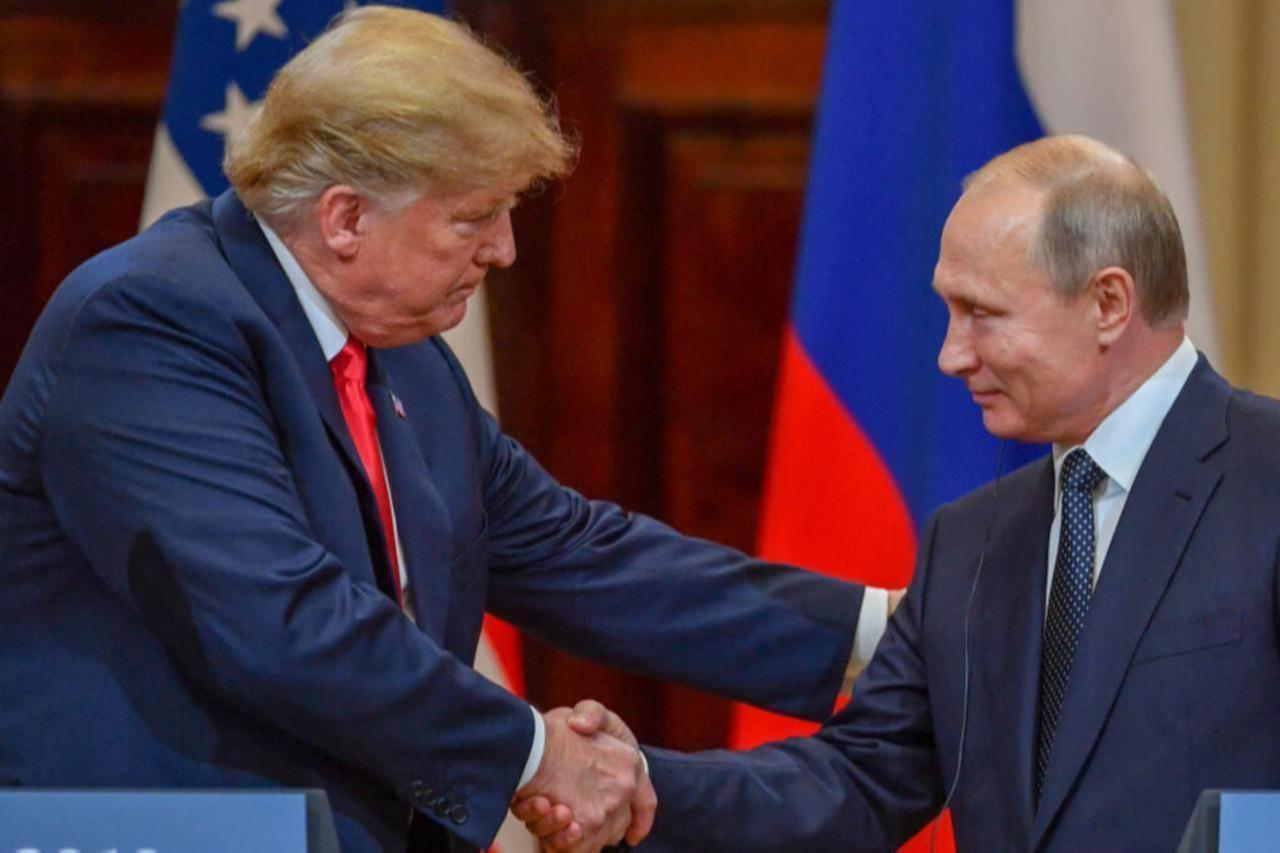
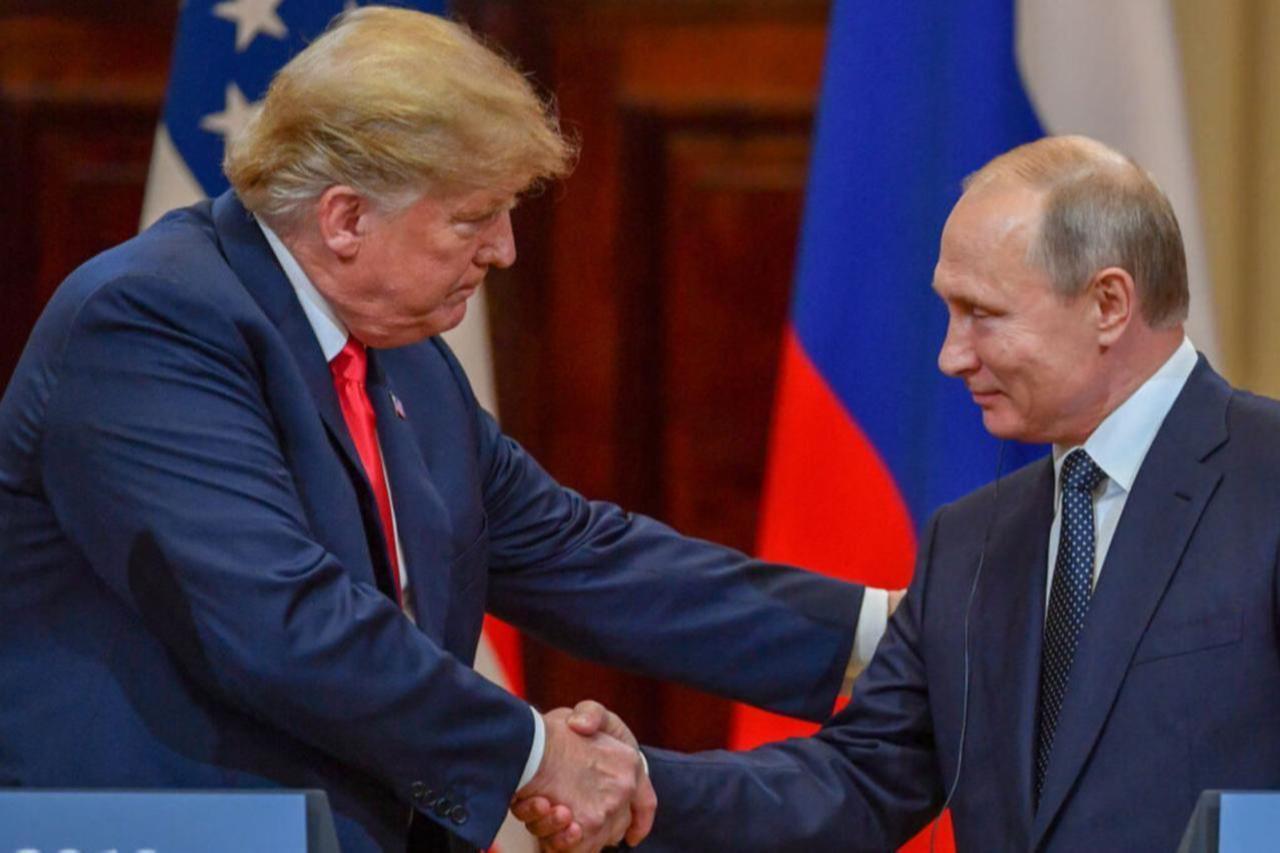
The Senate testimony came one day after Trump held a 90-minute phone call with Putin, described by Kremlin aide Yuri Ushakov as "frank and businesslike." According to Ushakov, the two leaders "paid particular attention to the situation regarding Iran and in the Persian Gulf," with Putin voicing support for Trump's decision to extend a ceasefire with Iran, calling it the right move to allow negotiations to proceed.
Putin also offered during the call to assist with securing Iran's nuclear material, according to Trump, who said he rebuffed the offer. "He told me he'd like to be involved with the enrichment if he can help us get it," Trump told reporters in the Oval Office. "I said, 'I'd much rather have you be involved with ending the war with Ukraine.'" Trump characterized the overall call as "very good" while saying it had focused primarily on the Ukraine war rather than Iran.
The Wednesday exchange between the two leaders adds a layer of complexity to Washington's public posture on Russian involvement. In early March, Defense Secretary Pete Hegseth had told reporters that Russia and China were "not really a factor" in the war with Iran, a characterization that now sits in tension with both the intelligence record and with the statements by Caine and Wicker on Thursday.
Russia's behavior throughout the conflict has been marked by public condemnation of U.S. and Israeli strikes alongside covert practical assistance to Tehran, a posture analysts have described as hedging, allowing Moscow to benefit from rising oil prices, the diversion of U.S. military resources, and the erosion of Washington's strategic position in the Middle East, without formally entering the war. Iran's foreign minister, Abbas Araghchi, visited Moscow just days ago, further signaling the durability of the partnership despite its limits.


 Set as preferred source
 Set as preferred source


 1 min read
 1 min read