Newsletters


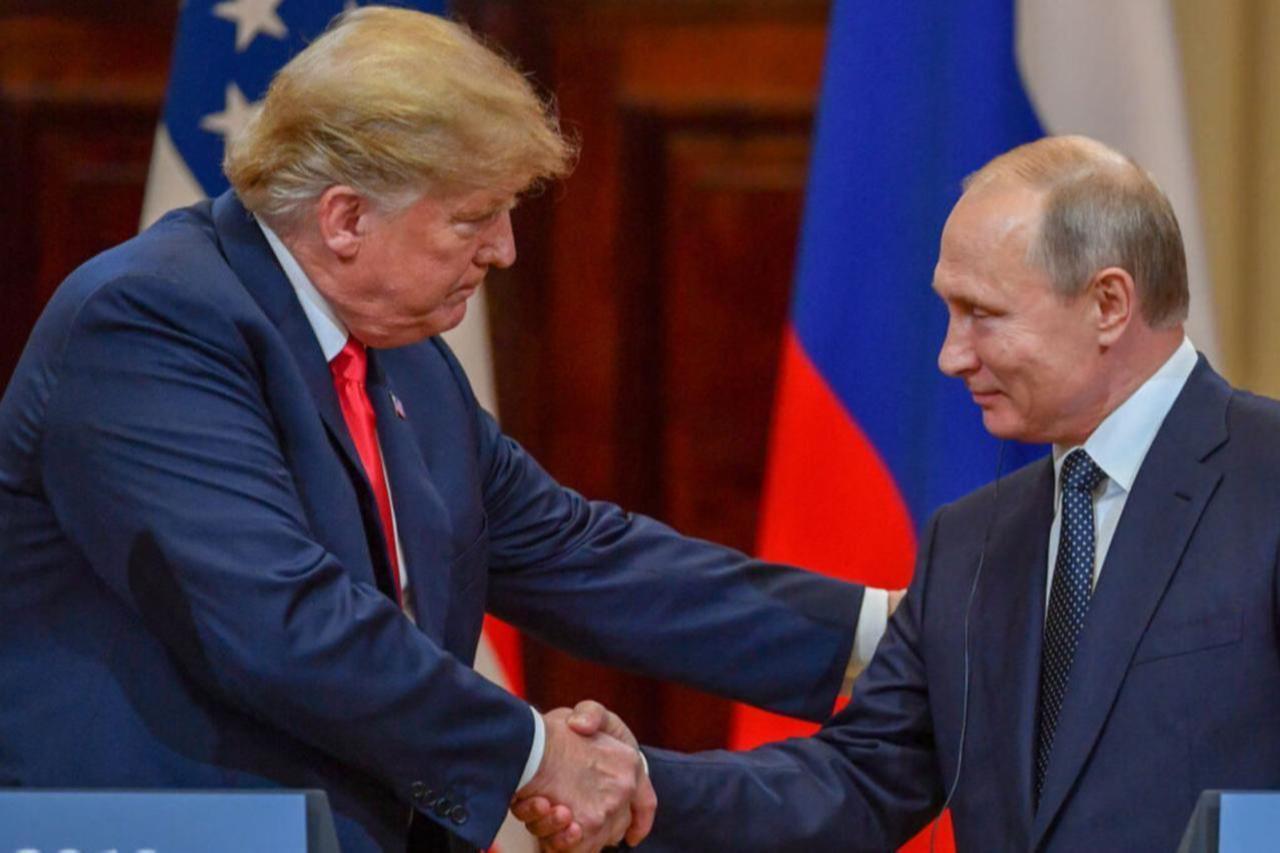


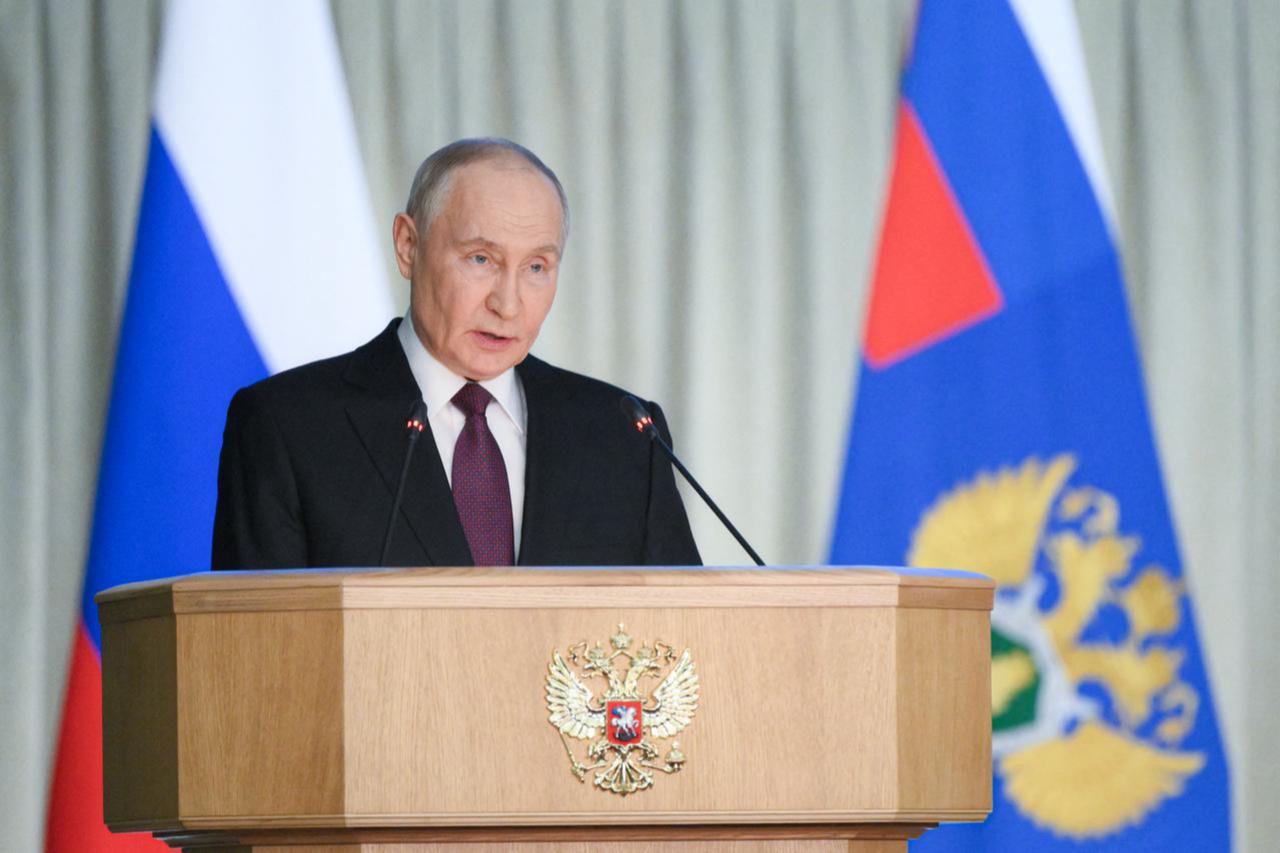
Russian President Vladimir Putin and U.S. President Donald Trump spoke by phone Wednesday, covering both the war in Ukraine and escalating tensions over Iran, with the two leaders offering somewhat different accounts of where the conversation's emphasis lay.
Trump told reporters in the Oval Office that the call was "a very good conversation" and that the leaders discussed Ukraine more than Iran. "We talked about more about the war in Ukraine," he said. The Kremlin, meanwhile, emphasized the Iran dimension, with Putin's diplomatic advisor Yuri Ushakov saying the presidents "paid particular attention to the situation regarding Iran and in the Persian Gulf."
Trump said Putin expressed a desire to help bring an end to the U.S.-Israeli conflict with Iran, but that he pushed back on the offer, telling the Russian leader to resolve the Ukraine invasion first. The exchange underscores the extent to which Washington has linked progress on separate geopolitical fronts to Russian conduct in Ukraine, now in its fourth year following Moscow's full-scale invasion in February 2022.
 1 min read
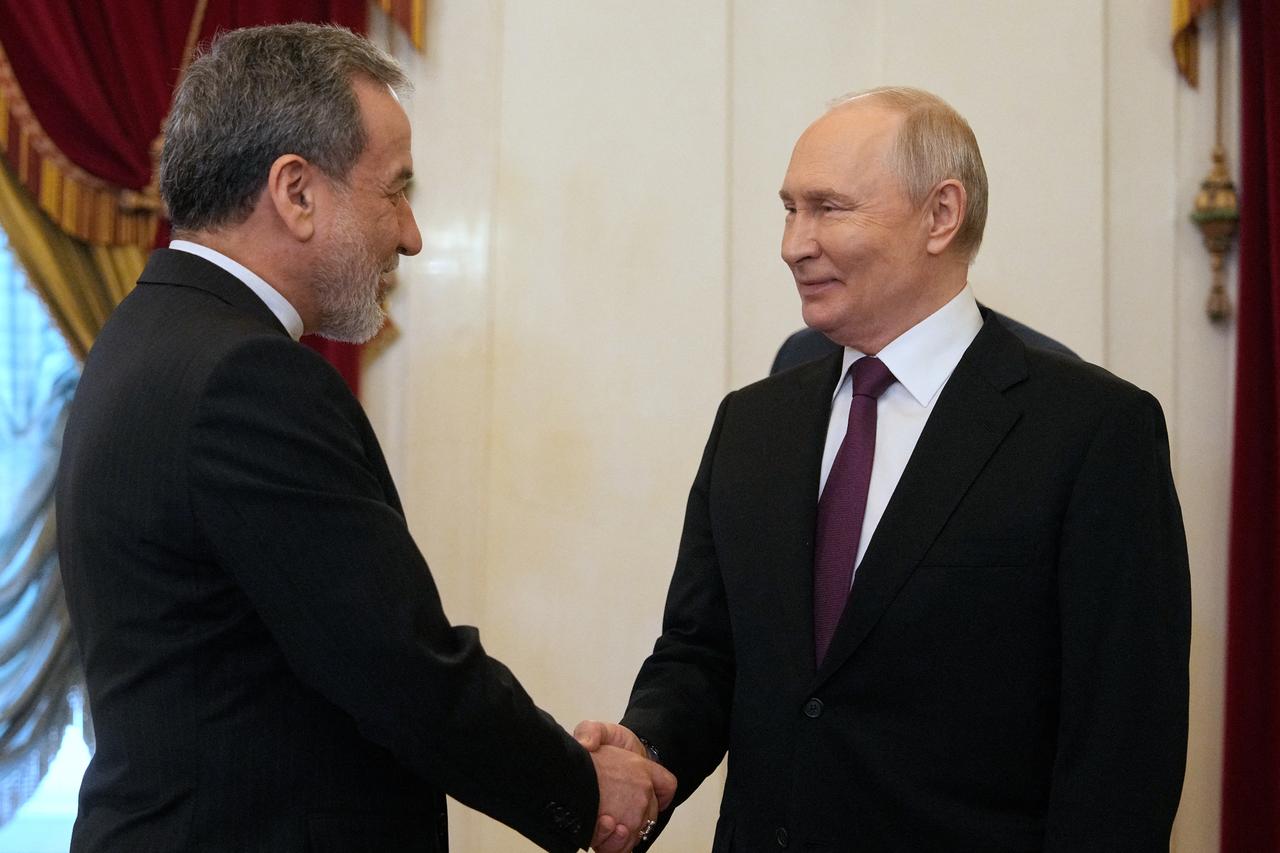
On Iran, Putin used the call to caution Trump against further military escalation. According to Ushakov, Putin highlighted what the Kremlin described as the "inevitable and extremely damaging consequences not only for Iran and its neighbours, but also for the entire international community, should the US and Israel resort to military action once again."
The warning comes amid sustained pressure on Tehran over its nuclear program, which has expanded significantly since the collapse of the 2015 Joint Comprehensive Plan of Action, the multilateral accord that placed limits on Iranian uranium enrichment in exchange for sanctions relief. The United States withdrew from that agreement in 2018 during Trump's first term, and efforts to revive a successor framework have repeatedly stalled.
Despite the pointed warning on Iran, the Kremlin also signaled approval of recent U.S. diplomatic moves. Putin characterized Trump's decision to extend a ceasefire with Iran as a constructive step, with Ushakov saying Putin believes the extension should "give negotiations a chance and, overall, help to stabilise the situation."
Wednesday's call is the latest in a series of contacts between the two leaders since Trump returned to the White House, and the Kremlin framed it in broadly positive terms. The dual focus on Ukraine and Iran reflects the increasingly intertwined nature of the major conflicts occupying both governments, even as U.S.-Russia relations remain deeply strained.


 Set as preferred source
 Set as preferred source


 1 min read